Bonn travel guides & articles
All 28 in-depth pieces we’ve published on Bonn — newest first.
Tours & tickets
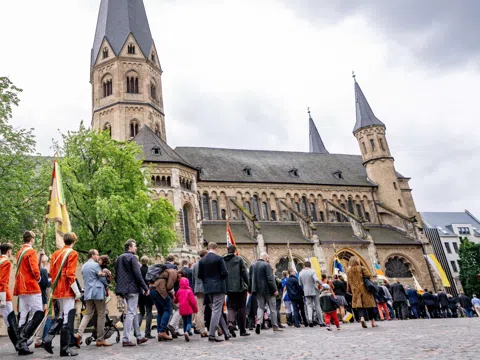
Ninety Minutes Across Bonn With a Private Guide
What a private walking tour of Bonn covers, what it costs for your whole party in 2026, and when the city is worth walking slowly.
Tours & tickets
Swimming Into Kleftiko on a Half-day Milos Boat Trip
No road runs to Kleftiko and there is no gate or ticket: you see it from a boat or not at all, and where you board decides how much of the day you actually spend in the water.
Tours & tickets
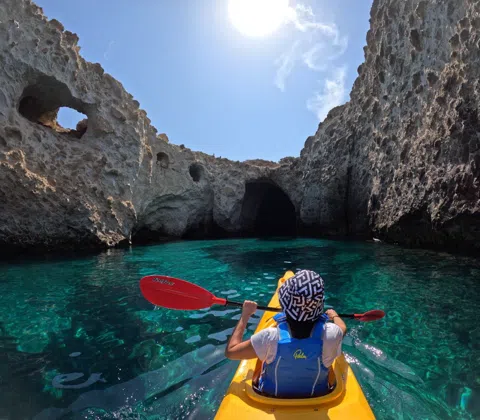
Kayaking the Quiet Coves of Milos in October
What a half-day sea kayak shows you of Milos, the flooded volcano, in October 2026: the routes, the costs, the closed staircase at Papafragas and the days to build around it.
Tours & tickets
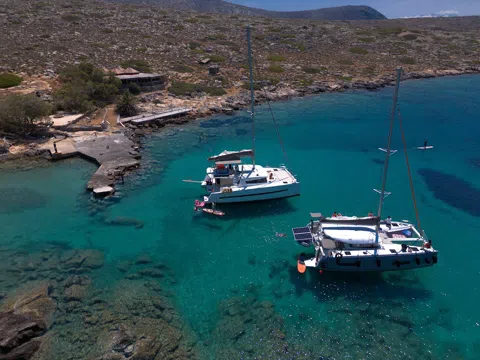
Milos and Polyaigos by Boat in October
What a full day on the water off Milos comes to in October: Kleftiko's pirate anchorage, the empty coast of Polyaigos, and what separates a €50 half-day from a €150 catamaran.

Tours & tickets
Sailing Milos in October with Snorkel Stops and Lunch Aboard
A twelve-seat boat, two hours at anchor under the Kleftiko stacks, lunch cooked on deck: how to plan a Milos sailing day in October 2026.
Tours & tickets
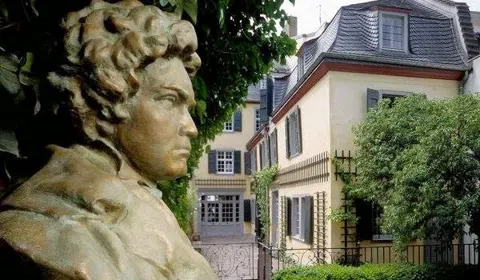
Walking Beethoven's Bonn from Bonngasse to the Rhine
Twelve low-ceilinged rooms, a rococo font, a market square and a river bastion: the whole of Beethoven's Bonn fits into one afternoon on foot.
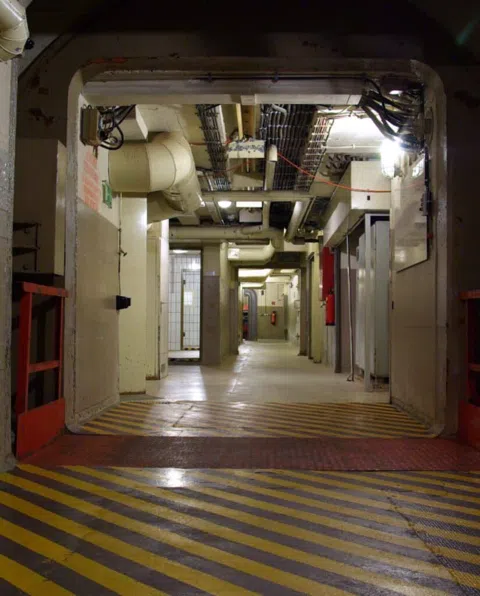
Walking the Spy Map of Cold War Bonn
The Federal Republic's capital was the easiest city in Europe to spy on, and the cafés, bungalows, kiosks and bunkers that made it so are still standing and mostly still open.
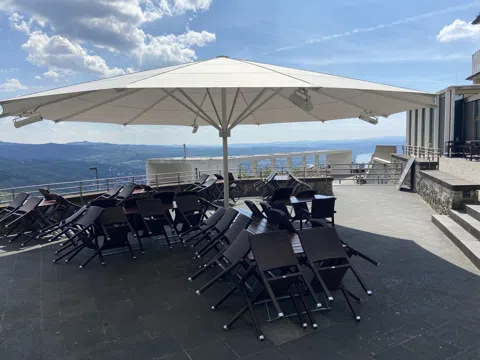
Chasing the Last Light from Bonn to the Siebengebirge
Fifteen viewpoints between the old town bastion and the seven hills. Which one suits your evening depends on closing times, how far you have to walk, and what happens at the door.
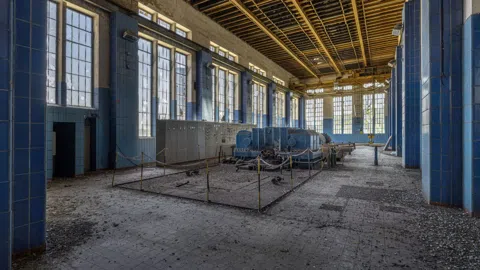
Half an Hour from Cologne to a Day in Bonn
A former capital of 330,000 with capital-sized museums, twenty minutes down the Rhine. How to spend the hours, and which half of Bonn to skip.
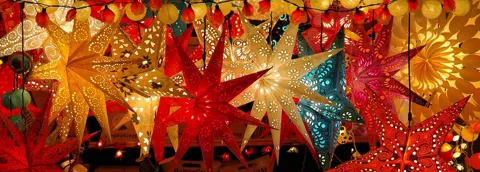
The Bonn Christmas Markets That Aren't on Münsterplatz
Fourteen markets, free and ticketed, across Bonn's districts and the towns up the line, with the dates, what the drinks cost, and honest advice on which ones fit a group.

Autumn Turns Bonn Into a Walking City
Between late September and the end of October, Bonn's gardens, riverbank and forest reward a visitor on foot, with no need for a car. This guide covers the walking, the museums and the two train rides worth a whole day.
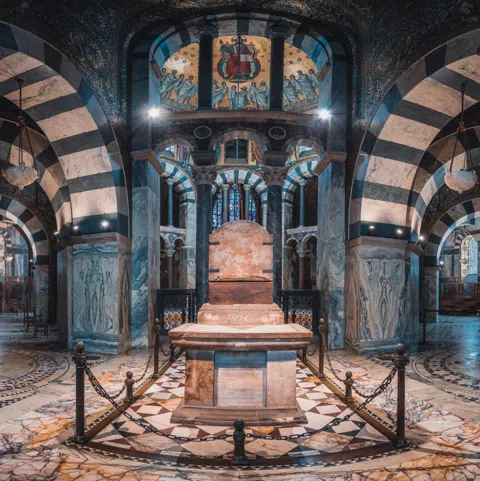
Day Trips by Train from Bonn to Aachen and Remagen
Two rail lines leave Bonn in opposite directions along the Rhine, and between them they reach Charlemagne's chapel, a 1945 bridgehead and a nuclear bunker without ever needing a car.
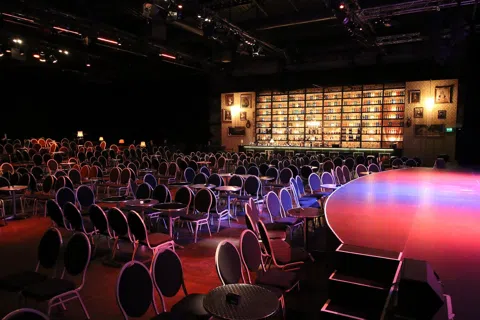
Bonn Has Something On Every Night of the Week
A night-by-night read on where Bonn's evenings happen. The museum roof bar is free on Wednesdays, and the blues jam has been running thirty years and still costs nothing to walk into.
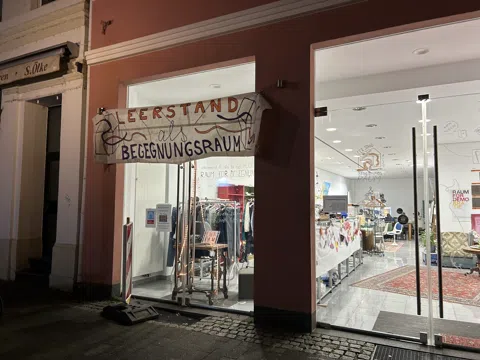
Where to Meet People in Bonn When You Arrive Alone
Show up to the same evenings and sit at the shared tables, and a solo stay in Bonn ends with people who know your name.
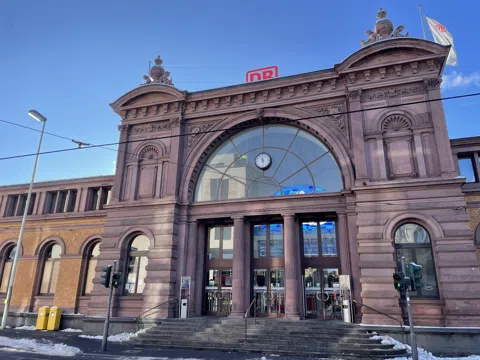
Getting Around Bonn When the Departure Board Turns Red
Six Stadtbahn lines under the station, four regional services one stop south, three working ferries and a walkable bridge: how to keep moving in Bonn when the rails let you down.
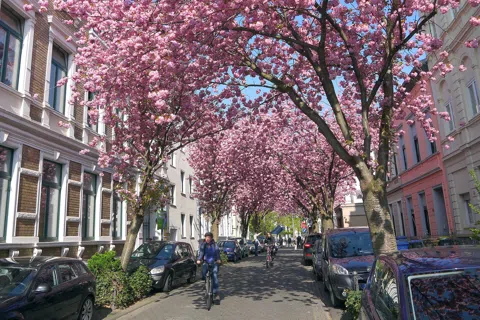
Cycling the Rhine Banks in Bonn from Ferry to Ferry
Where to hire a bike in Bonn, and how the two working ferries turn a there-and-back along the Rhine into a loop, with the riverside stops worth braking for in between.
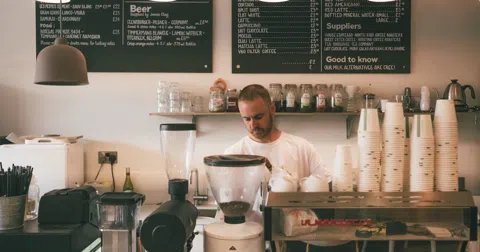
Where to Eat, Drink and Meet People in Bonn
Sixteen places in Bonn where you can eat well on your own and leave with company, with the prices, what the door is like and who each room actually suits.
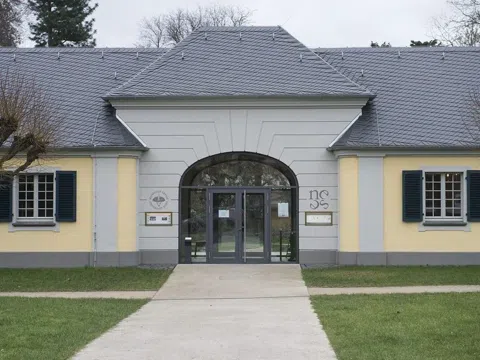
Half a Day in Bonn's Palm Houses and River Parks
A walkable circuit from the university's glasshouses at Poppelsdorf down to the Rhine promenade, with notes on opening days, building works and which parks suit a group.
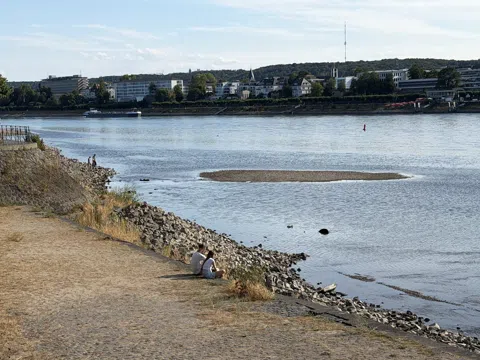
Slow Mornings and Easy Crossings on Bonn's Beuel Bank
A morning route along Bonn's eastern riverbank, with the cafés that open early enough to start it, the ferries back, and what actually opens when.
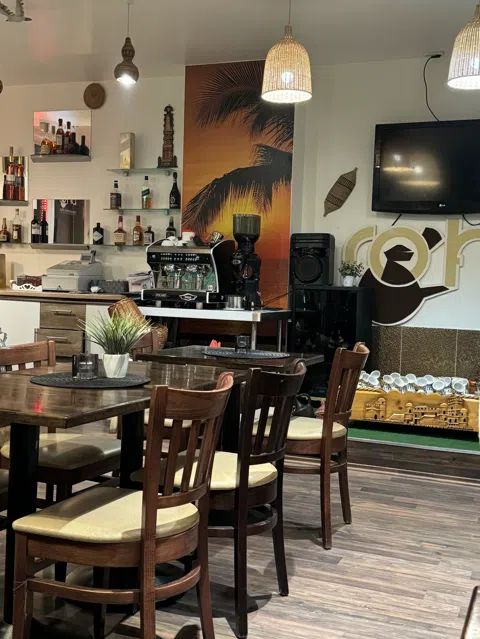
Ethiopian Platters and Neapolitan Pizza Across Bonn
Fifteen Bonn restaurants, with the dishes, the prices, the opening hours and a straight answer on which ones can seat your group.
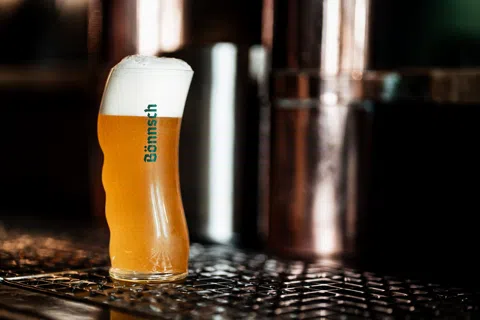
Eat and drink your way past Bonn's Irish pubs
Bönnsch in the old centre, benches above the Rhine, a market lunch eaten standing up and two Michelin stars: a full day and night of Bonn without a shamrock in sight.

Riding the Rhine Out of Bonn with Lunch in the Basket
Two ferry loops, a flat towpath and a market picnic: how to spend a whole day on the Rhine in Bonn without ever touching a car.
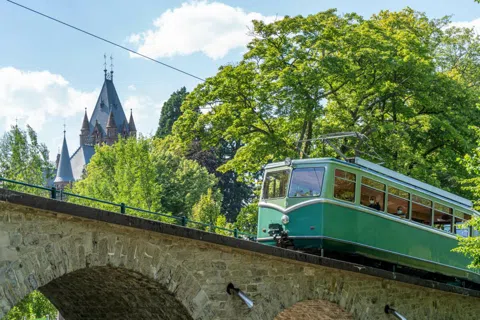
Bonn to Drachenfels by Ferry, Rack Railway and Foot
A full day out of Bonn built around one short river crossing, Germany's oldest rack railway and a ruin you can stand under for nothing.
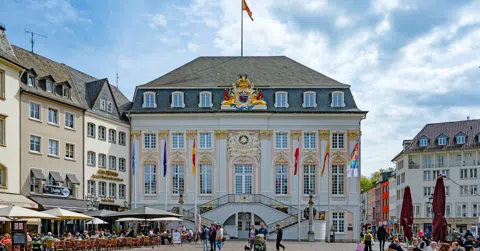
Walking Bonn from the Market Square Down to the Rhine
One day on foot through Bonn, from a market that trades six days a week to a bastion of 1644 above the river, with the closing days, group rules and prices that decide the order you walk it in.
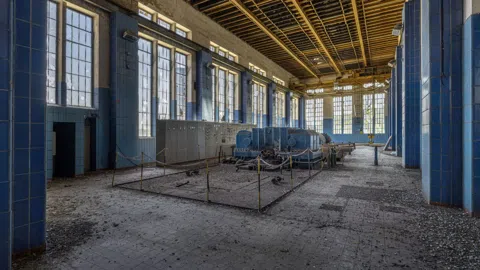
Two Days in Bonn, from the Museumsmeile to the Altstadt Bars
Two days in Bonn on foot, taking in the capital-scale museums and the Rhine promenade, and ending in the small old-town bars that stay open until the trams start again.
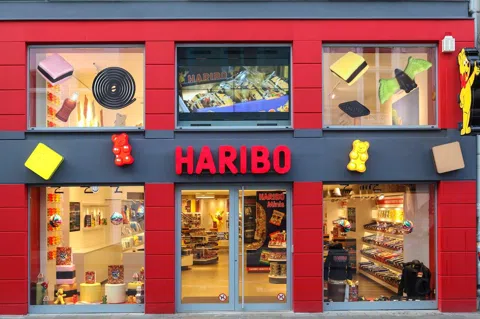
Bonn Is Where Haribo Invented the Gummy Bear
A walking itinerary through the city where a kitchen candy operation registered in 1920 grew into Haribo, paired with the old-town patisseries, churches, and river views that make Bonn worth a full day beyond the gummy bear.
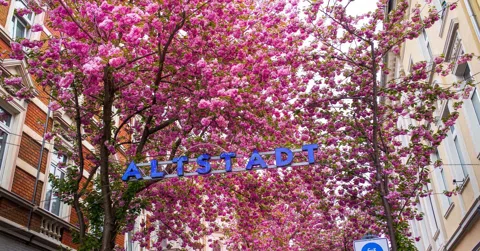
Pink Canopy: Bonn's Cherry Blossom Streets and the Weeks the City Turns Japanese
Every April a handful of Altstadt streets vanish under cherry blossom, and the honest version of the story — the 1980s renewal scheme, the dawn window before the buses, the quiet block just around the corner — matters more than the famous photograph.
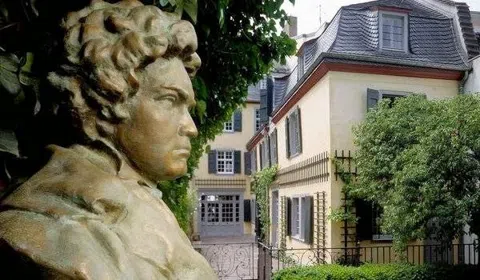
The Weight of Genius: Bonn and Its Beethoven
A calm, walkable day through the Bonn of Ludwig van Beethoven — the house he was born in, the font he was baptised at, the court that trained him, and the concert hall that just reopened to carry the music forward in 2026.