
Bonn Hauptbahnhof is a seven-minute walk from the Markt, and two railways leave it in opposite directions along the Rhine: one south towards the Ahr, one north to the junction that opens the whole west of the country. That is the quiet argument for sleeping here rather than passing through. A compact old town you can cross on foot after dinner, and a platform that puts Charlemagne's chapel within about ninety minutes and one of the most written-about bridgeheads of 1945 within twenty. Everything below is a return trip, and none of it needs a car.
The shape of the map from the Hauptbahnhof
The left-bank line is the one you will use most. It follows the river south through Rolandseck and Remagen towards Koblenz and Mainz, with regional trains through most of the day and a journey time to Remagen of roughly twenty minutes, short enough that a late start is not a wasted morning. At Remagen the rebuilt Ahr valley branch peels off inland; the RB30 runs hourly from Bonn Hbf through Remagen and up the valley, a line that only came back into service in December 2025 after the flood damage.
Northbound, the same left-bank track runs up to the big junction where the westbound services to Aachen begin, so an Aachen day means one change and something in the order of an hour and a half each way, depending on whether you catch a fast connection or a chain of regional trains. Two more options sit on different rails: the right-bank line from Bonn-Beuel towards Koblenz, and the light rail that runs along the right bank to Königswinter. Check the day's timetable before you commit to an early start. Weekend engineering work on the Rhine lines is common, and the replacement buses add half an hour without warning.
Charlemagne's Aachen in one long day
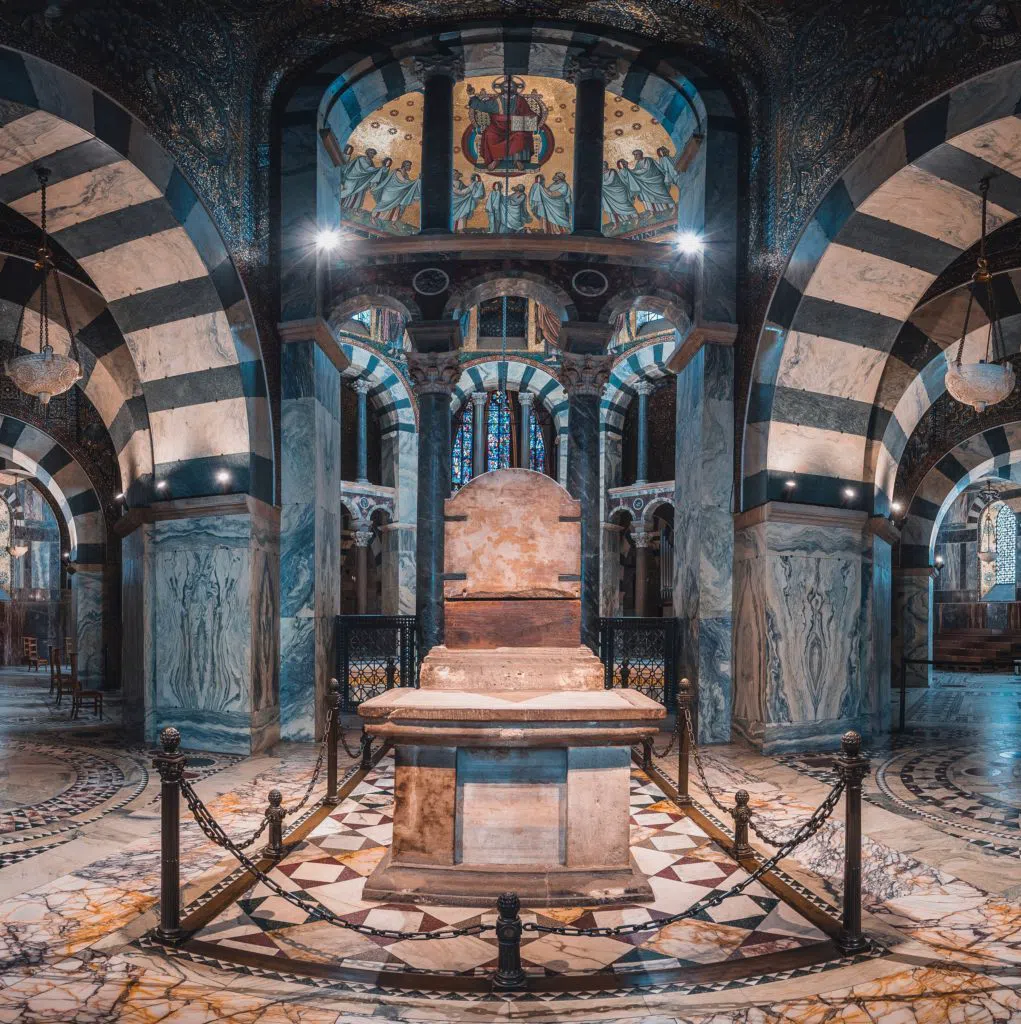
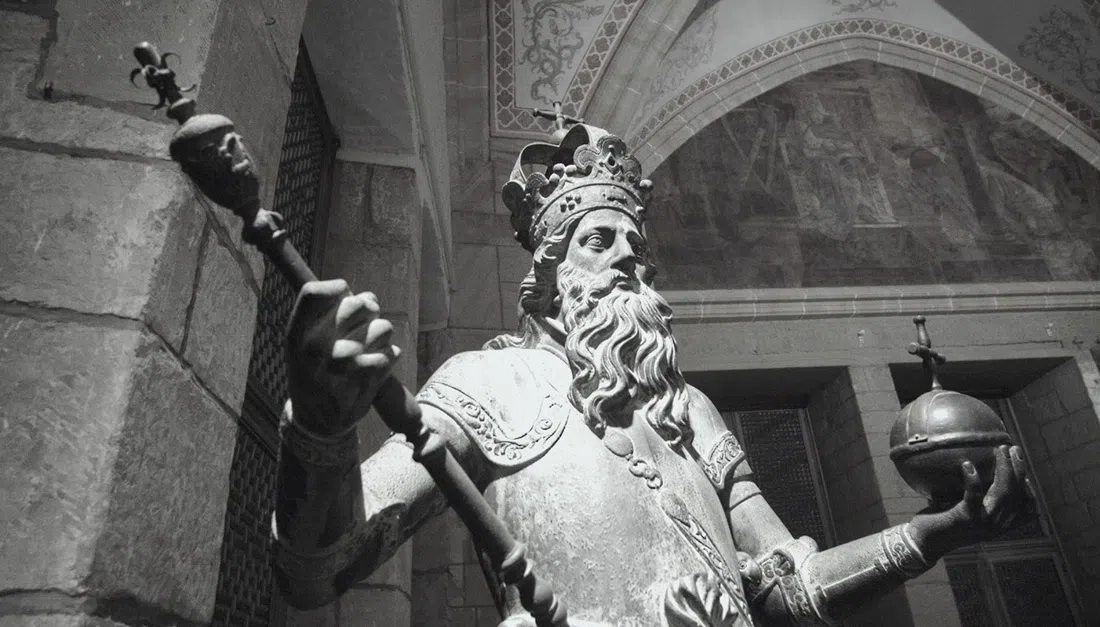
Aachen Cathedral (Münsterplatz, in the old town core) is the reason the ride west is worth making: Germany's first UNESCO listing, an octagon that Charlemagne built for himself and that thirty German kings were crowned in afterwards. Entry to the nave is free, with a €1 contribution if you want to photograph it, but the parts that matter, the upper gallery and the throne, are only reachable on a guided tour at €8.50 adult and €4.50 reduced. The English tour runs at 14:00 daily, which sets the shape of your day: arrive mid-morning, do something else first, be at the meeting point early because the tour fills. Service times move things around, and Friday and Saturday afternoons are wedding territory, so a group should confirm the day before rather than hope.
Groups are welcome but not walk-in. Tours must be booked in writing at [email protected], and a German-language group tour for up to twenty people costs €100 with €10 for each extra head; youth groups pay €50 plus €5. That is a sane per-person figure for fifteen people and a poor one for four, which is how to decide between a private booking and simply joining the afternoon tour.
The Aachen Cathedral Treasury (Klosterhof, on the cathedral's south side) is a separate institution with a separate ticket, €8 adult, €4 reduced, family tickets €8 to €16, audioguide €2, and it is a genuinely different visit rather than an add-on. The Lothar Cross, the silver bust reliquary, the hunting horn: goldsmithing at a level that makes the nave's scale suddenly legible as wealth rather than piety alone. Watch the hours, because they trip people up. Monday is 10:00 to 14:00 only; Tuesday to Sunday runs 10:00 to 18:00. Larger parties should make contact in advance; the rooms are not big.
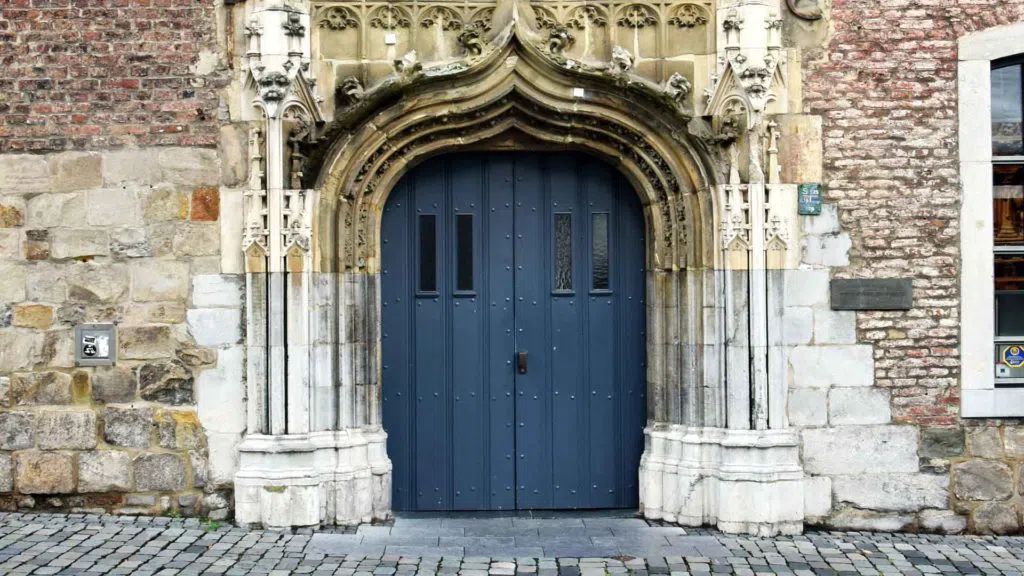
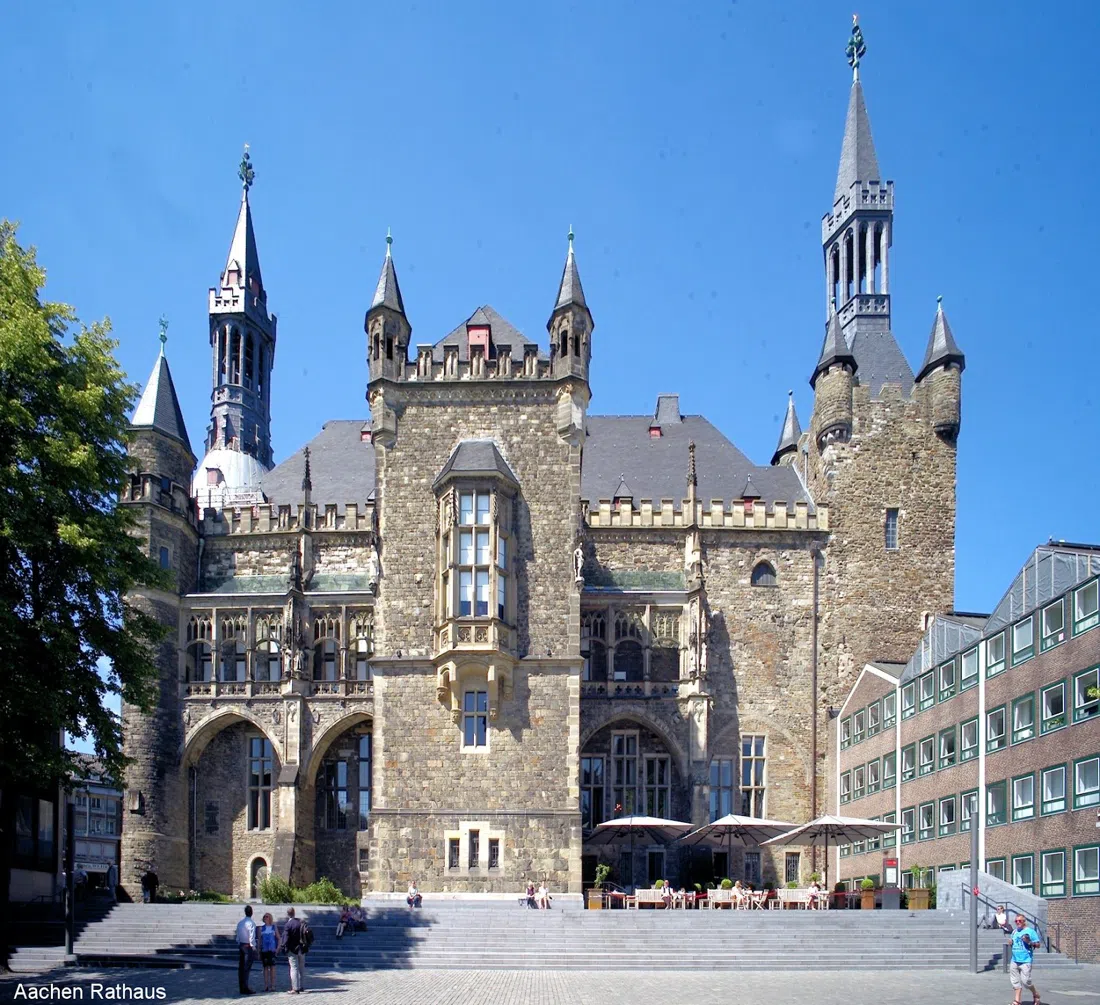
Three minutes across the Katschhof, Aachen Town Hall (Markt, facing the cathedral quarter) completes the story the cathedral starts, because it was built on the footings of Charlemagne's palace hall, the secular half of a complex the church has always overshadowed. It opens daily 10:00 to 18:00 for individuals, with public guided tours at 10:30 on Saturdays and Sundays between 1 April and 31 December, meeting in the foyer. Admission to the museum rooms is modest, and free for visitors up to 21 from the city region and for Aachen-Pass holders. Group tours go through the city's tourist service rather than the building itself.
If you step off the train without a plan, start instead at Centre Charlemagne (Katschhof, between cathedral and town hall), the orientation point for the Route Charlemagne walking circuit. Around €6 buys an hour that runs from Neolithic settlement through Roman spa town to European capital, and it makes the rest of the day coherent in a way that reading plaques does not. It closes on Mondays and otherwise opens Tuesday to Sunday, 10:00 to 18:00; school programmes and group bookings are handled directly by the museum.
Aachen after the Carolingian gold
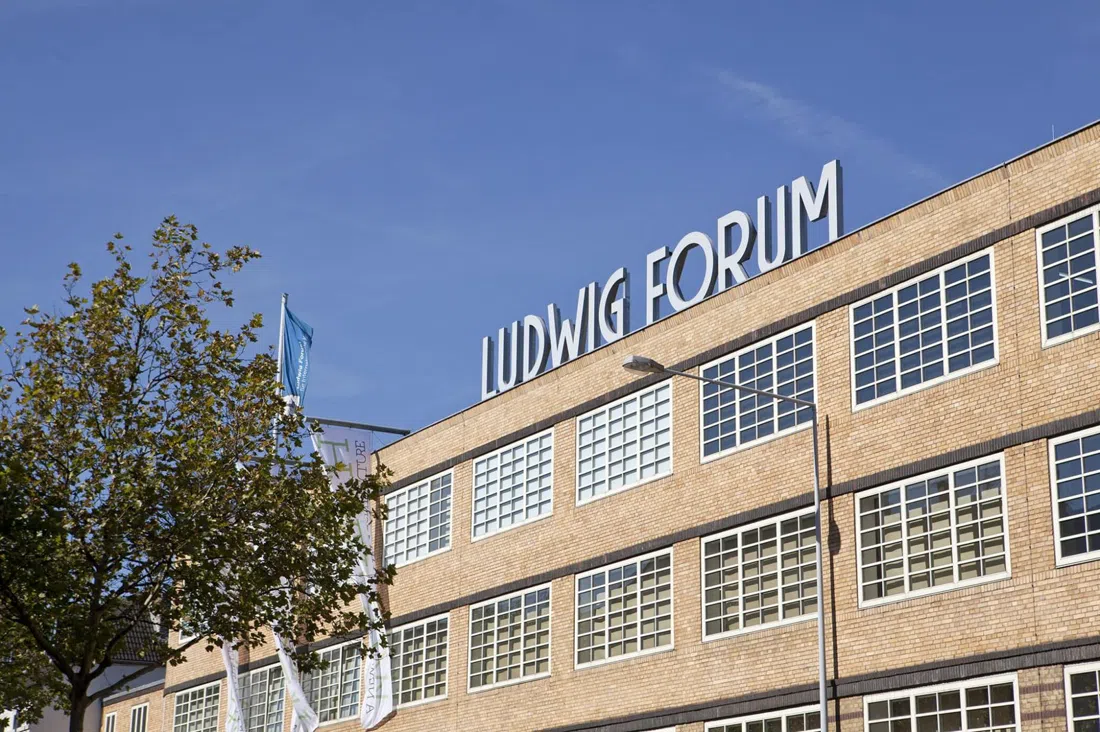
By early afternoon the Charlemagne material can start to blur, and there are two good ways out of it. Ludwig Forum für Internationale Kunst (Jülicher Straße, about fifteen minutes' walk north of the ring) holds over 3,000 works from the Ludwig collection in a converted umbrella factory: American Pop, East German and Soviet painting, large-format photography. Admission sits in the €6 to €10 range depending on the exhibition. Its hours are the awkward part and the reason people arrive to a locked door. Tuesday and Wednesday are afternoons only, 13:00 to 17:00, Thursday runs 10:00 to 20:00, Friday to Sunday 10:00 to 17:00, and Monday is closed. Guided tours for groups are available on request.
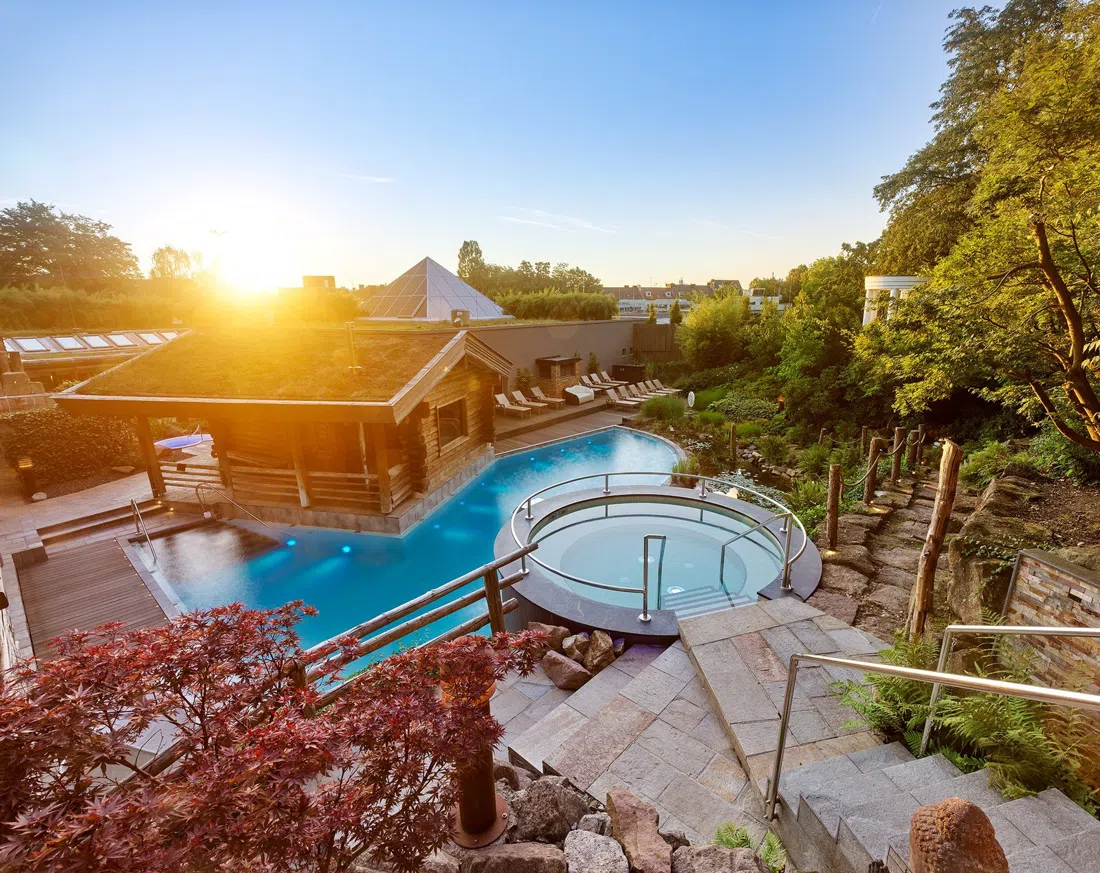
The alternative is water. Aachen has been a spa town since the Romans put a garrison bath over the hot springs, and Carolus Thermen Bad Aachen (Passstraße, by the Kurpark north-east of the centre) is where that water still reaches the public, daily from 09:00 to 23:00. The thermal bath costs €19 to €25 depending on length of stay and day; adding the sauna world pushes it to €40 to €52, a steep jump that only pays off if you intend to stay for hours. The minimum age is six, with 6-to-15s accompanied, and the sauna world is textile-free in the German manner. It handles group and party bookings, but brief a mixed group honestly before you book, because discovering the rule at the door does not go well.
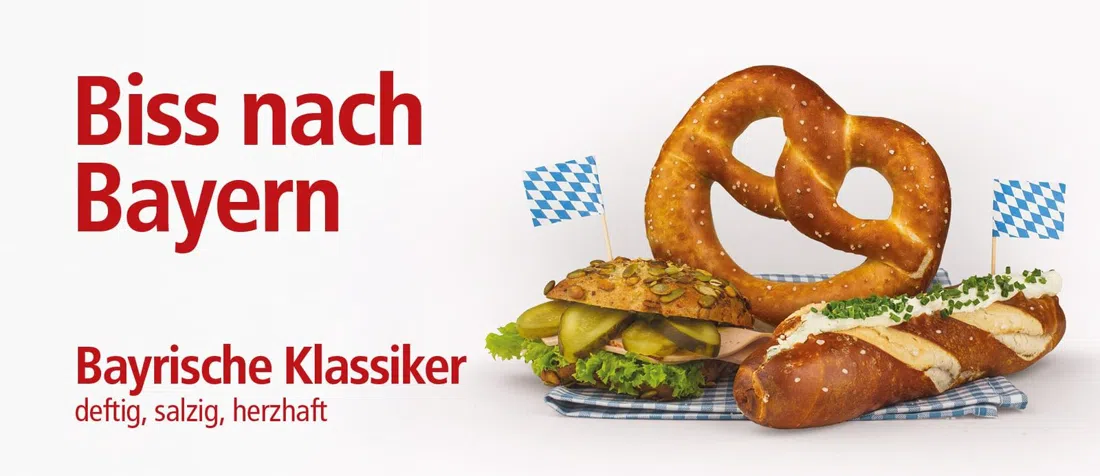
For the train home, Nobis Printen (Münsterplatz, beside the cathedral) is the one food stop worth planning around. Aachener Printen are a protected regional speciality, hard and dark and spiced, closer to gingerbread than biscuit, and Nobis has been baking them since 1858. There are two adjoining branches at numbers 2 and 3: the café side can seat a group, the Printen-only shop is standing room and gets genuinely crowded. No booking, walk in. It opens on Sundays, 09:00 to 18:00, which makes it one of the few useful stops on a day when the museums close early.
Twenty minutes south to the bridge at Remagen
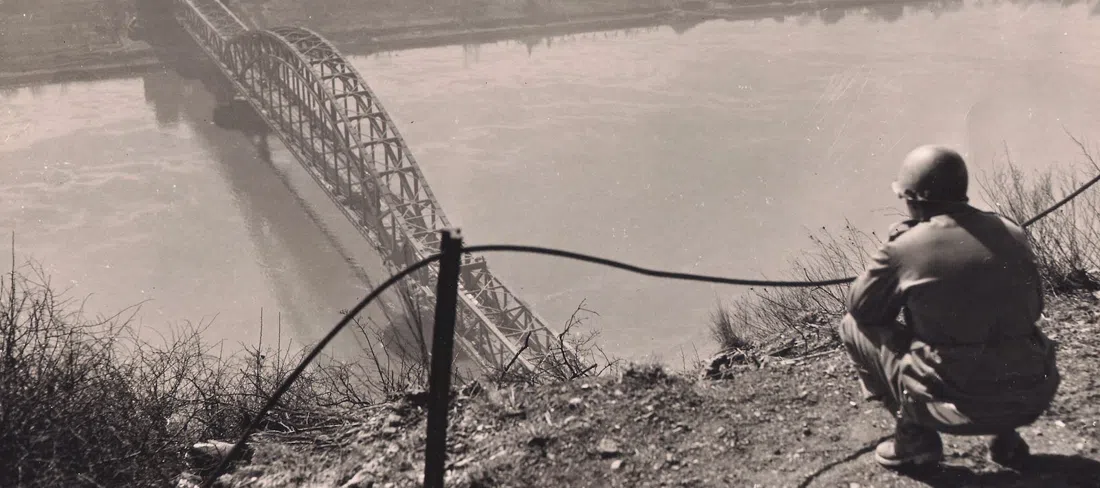
The Friedensmuseum Brücke von Remagen (in the surviving bridge towers on the Rhine bank, ten minutes' walk from Remagen station) is the shortest serious outing from Bonn. The Ludendorff bridge was captured intact on 7 March 1945, held under fire while the Allies pushed a bridgehead across, and collapsed ten days later; the museum occupies the basalt towers that still stand on the left bank, with low single-figure admission. It is seasonal, and the dates matter more than the price: Tuesday to Sunday 10:00 to 17:00 with Monday afternoons 14:00 to 17:00 in the autumn window, later closing in high summer, and closed for winter from early November. Treat this as a March-to-October trip. Groups are taken by arrangement, though the rooms are small enough that a coachload will feel it.
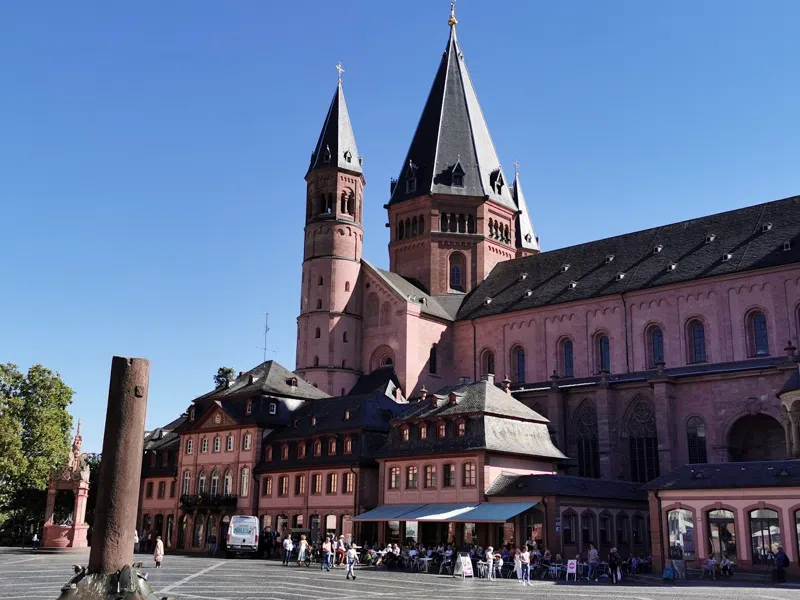
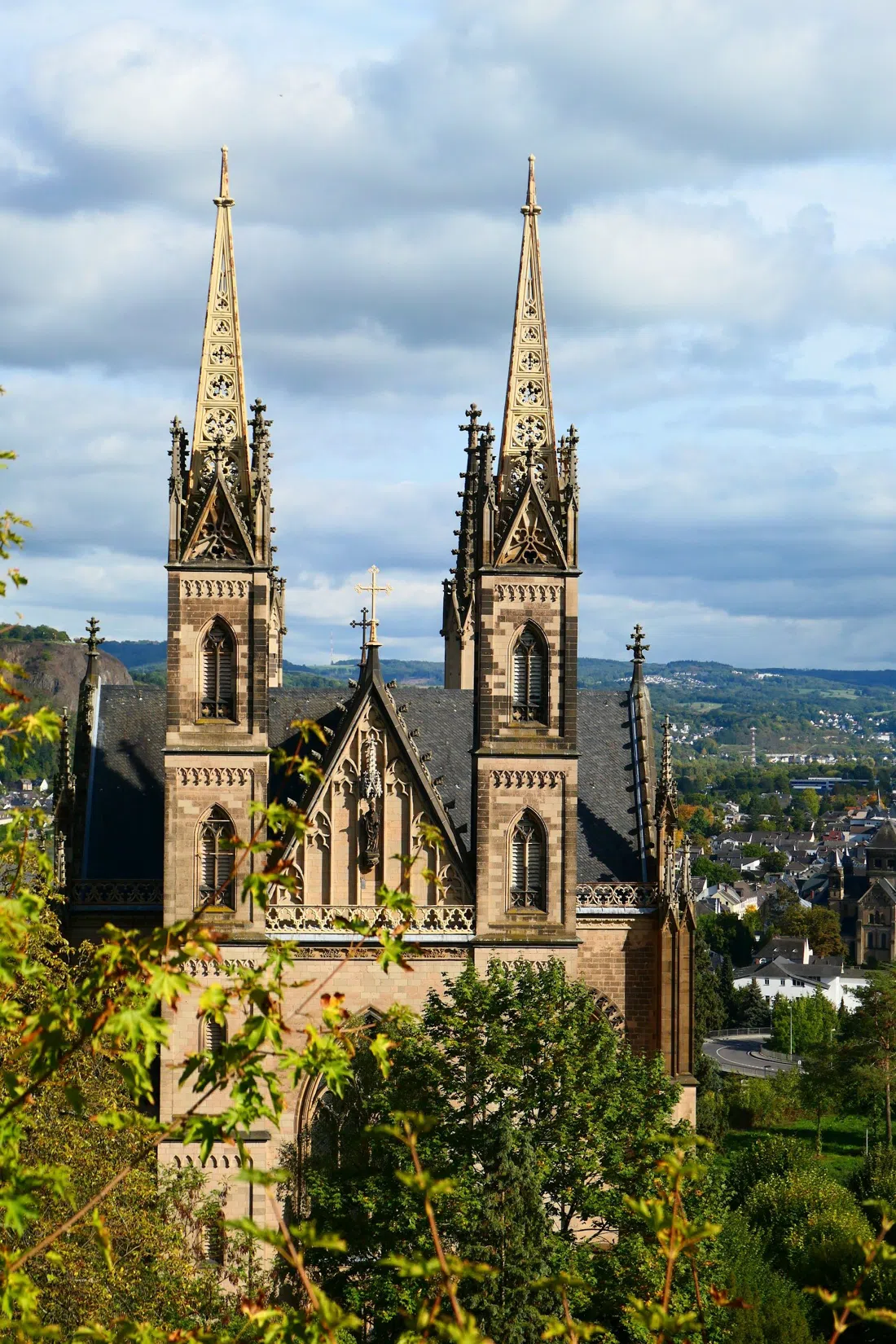
From the bridge, the walk up to Apollinariskirche Remagen (Apollinarisberg, on the hill above the town) takes a steady twenty minutes each way, and the gradient is the only real cost. The church was built between 1839 and 1857 to a design by Ernst Friedrich Zwirner, the architect who completed the great cathedral downriver, and the interior frescoes are the reason art historians still come. Entry is free, daily 09:00 to 20:00 from May to September and 09:00 to 18:00 the rest of the year; guided tours of church, crypt and garden cost €6 adult and €3 for children aged 6 to 14, with group rates on request. The view from the terrace over the bend in the river costs nothing at all.
The museum you reach by walking upstairs
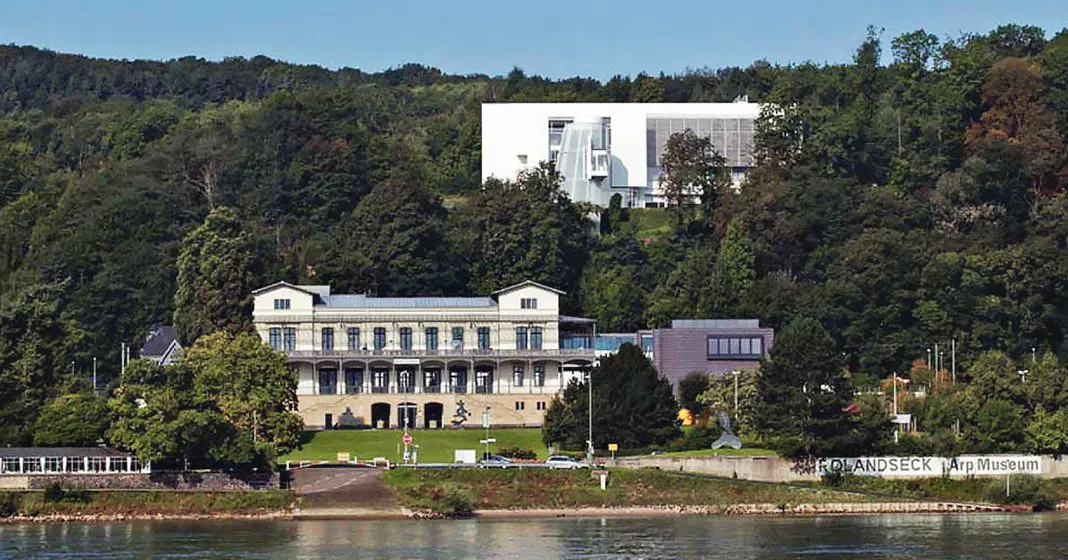
Arp Museum Bahnhof Rolandseck (at Rolandseck station, on Remagen's northern edge) is an unusual arrangement: a restored 1850s station building on the left-bank line with a Richard Meier wing cut into the hillside behind it, joined by a tunnel and a lift. You get off the train, walk up, and you are inside. Around €12 buys the Hans Arp and Sophie Taeuber-Arp collection plus the temporary programme; the 2026 shows include To the Stars! and Talking Pictures. It runs Tuesday to Sunday, 11:00 to 18:00, is fully barrier-free, has a café and shop, and offers guided tours, workshops and group bookings.
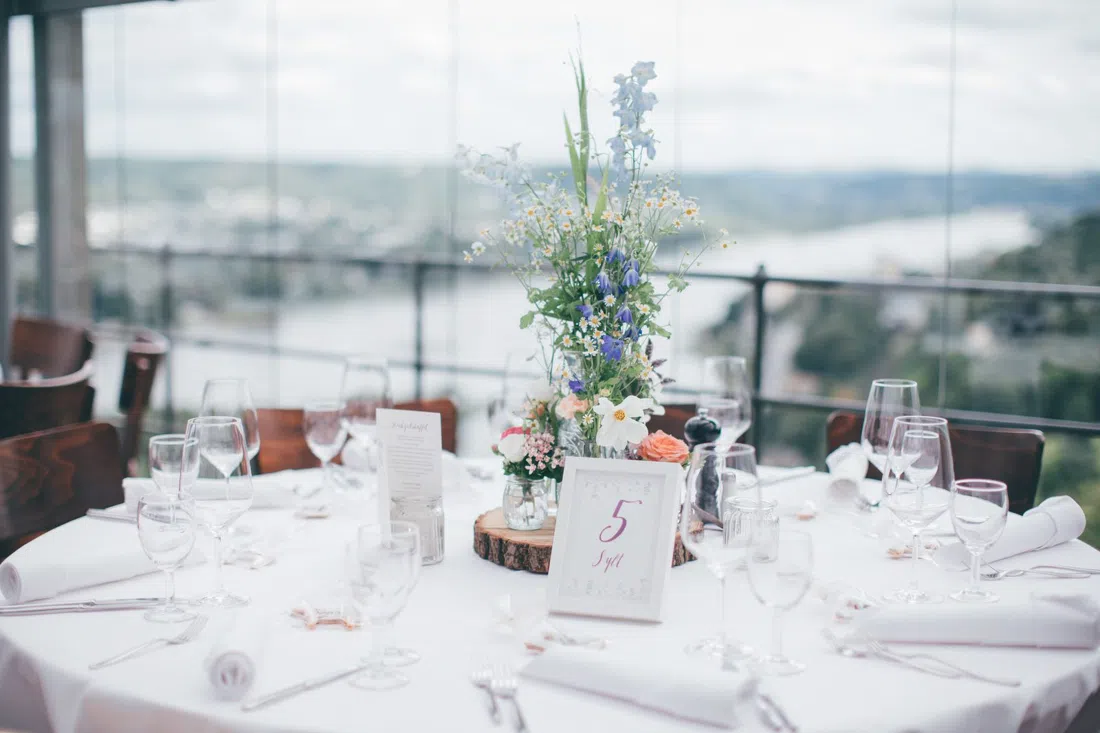
Lunch, if you want it above the river rather than in the museum café, is Restaurant am Rolandsbogen (on the Rolandsbogen hill above Rolandseck), twenty minutes uphill from the station beside the surviving arch of a ruined castle. Mid-range German cooking, a terrace that earns its reputation on a clear day, Wednesday to Sunday 12:00 to 22:00 and closed Monday and Tuesday. It takes private functions and several 2026 dates are closed to the public, so check the calendar or phone before you walk up, and it shuts for annual maintenance through January and February.
The government's bunker up the Ahr valley
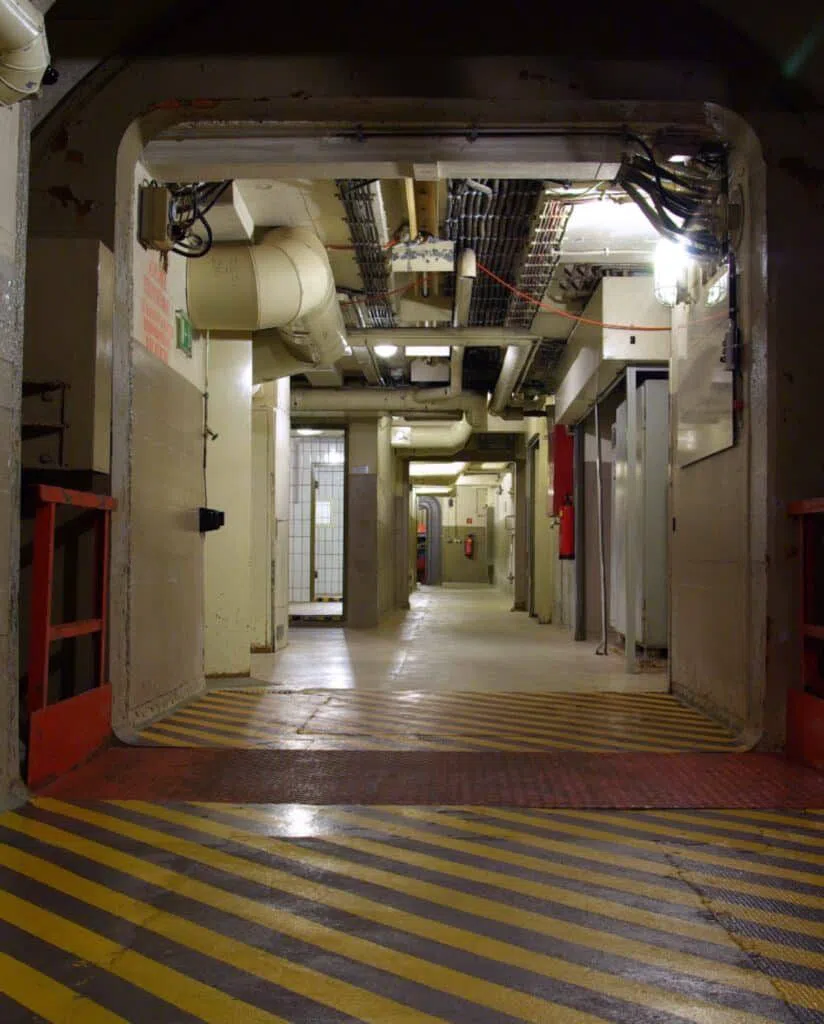
The Dokumentationsstätte Regierungsbunker (Am Silberberg, Bad Neuenahr-Ahrweiler) is 203 metres of preserved tunnel out of the seventeen kilometres that would have housed the West German government through a nuclear exchange: cable runs, decontamination locks, the cabinet room, a telephone exchange frozen in 1989. It is reachable by rail again now that the Ahr valley line has reopened, with the RB30 running hourly from Bonn Hbf via Remagen. Entry is by guided tour only, about ninety minutes, at roughly €12 including the tour. Individuals can visit on Wednesdays, Saturdays, Sundays and holidays with last admission at 16:30; groups are taken Tuesday to Sunday by arrangement, capped at 25 and split above that, with departures every fifteen minutes. Ask about tour language when you book, bring a layer, because it is cold and damp year-round, and skip it if anyone in your party dislikes confined spaces, because there is no short way out once you are in.
Three shorter rides that fill a half day
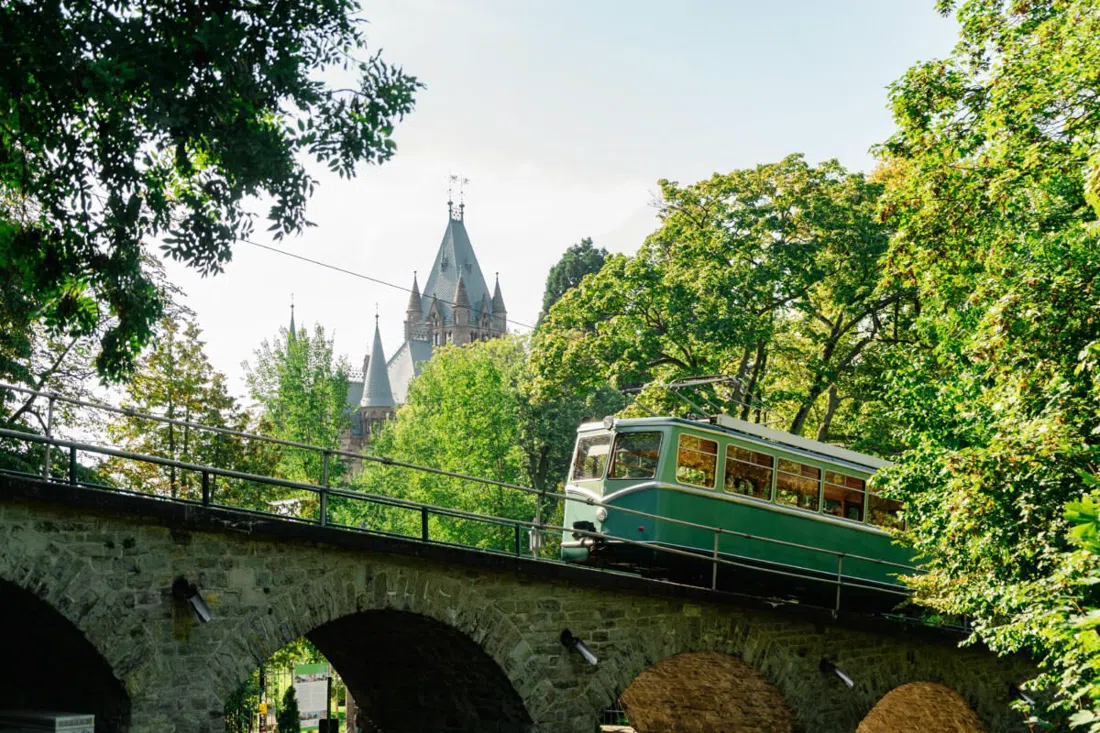
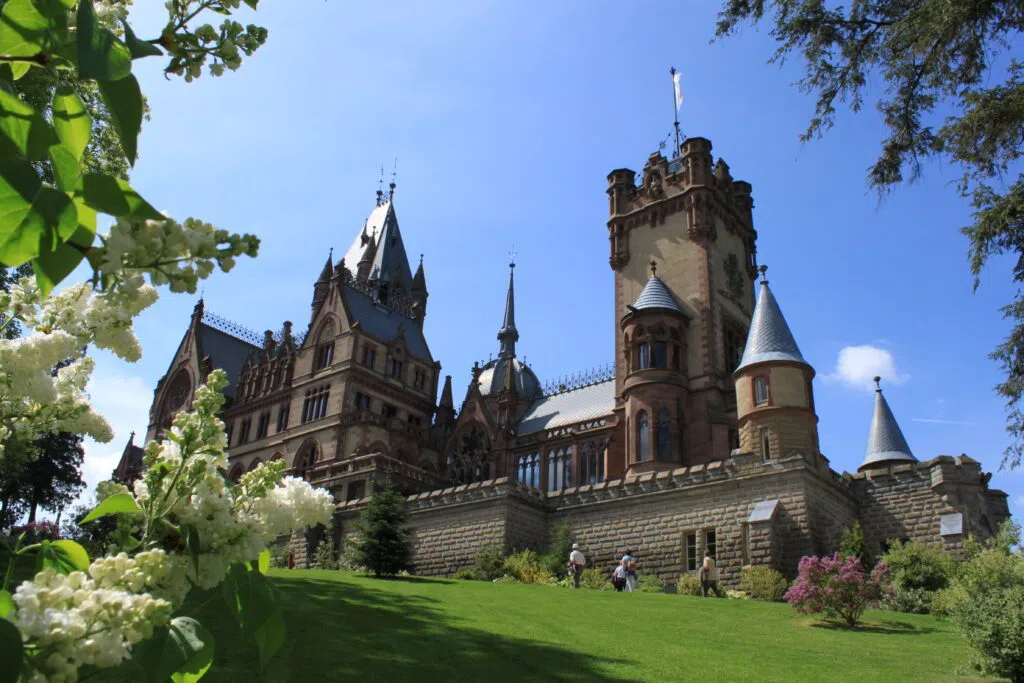
Schloss Drachenburg (on the Drachenfels slope above Königswinter, right bank) is a 19th-century banker's fantasy of a castle, and at €7 adult, €5 child and €17 family it is cheap for what it is. Walk up from Königswinter or take the Drachenfelsbahn (Drachenfelsstraße, Königswinter), Germany's oldest rack railway, working since 1883: €12 adult return, €10 single, €6 child return, €30 family return, with an intermediate stop at the castle gate. It runs from 1 January to 15 November 2026 on seasonal timetables and then stops for winter maintenance, so late November onwards means walking. Guided tours of the castle for up to twenty people cost €140, or €150 in English, plus reduced admission; a youth rate starts at twenty people.
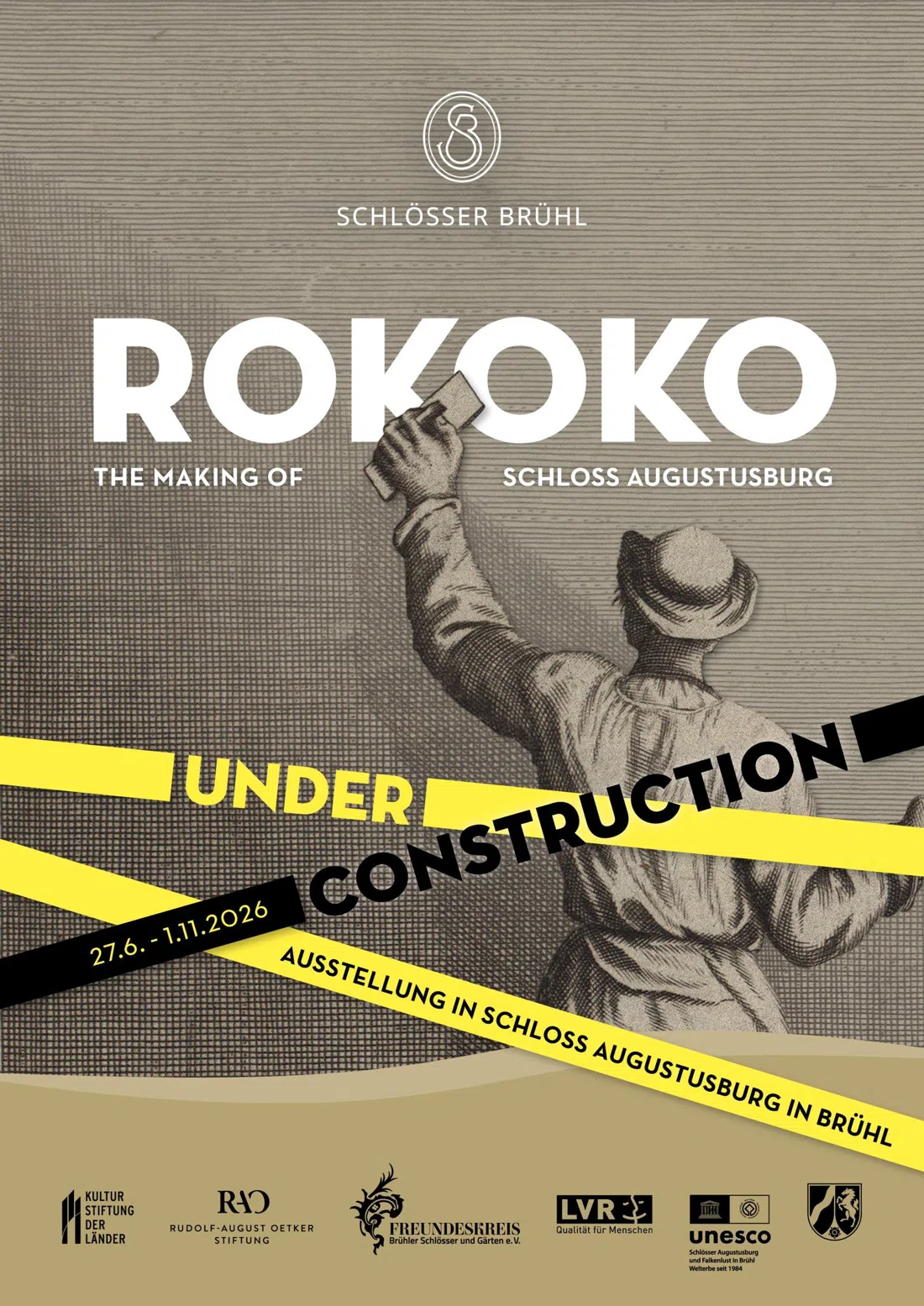
Schloss Augustusburg (Brühl, a few minutes' walk from the station on the regional line north) is the easiest palace day in the region, UNESCO-listed since 1984, with Balthasar Neumann's staircase as the single thing worth the fare. Around €10 covers admission with the compulsory tour, because the interior cannot be visited alone; tours run continuously Tuesday to Sunday and waits are rarely over half an hour. It closes Mondays. The park and gardens are free and open, which makes this a reasonable stop even if the tour queue looks long, and the special Saturday tours between 27 June and 31 October 2026 need booking ahead.
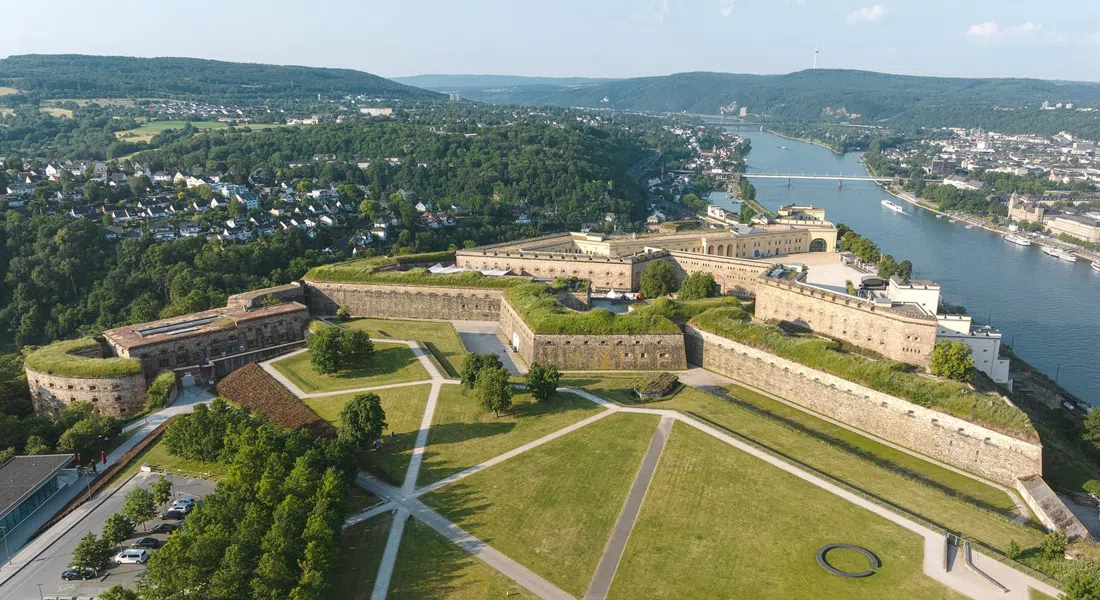
Festung Ehrenbreitstein (on the right bank high above Koblenz) is the biggest payoff on the upper Rhine leg: one of Europe's largest surviving fortresses, Prussian-built on a Roman-era site, looking down on the confluence. Reach it on foot in ten minutes from Koblenz-Ehrenbreitstein station on the right-bank line, or from the opposite bank by cable car from Konrad-Adenauer-Ufer or by the Festungsaufzug lift, which runs from about 06:00 to 01:00 daily. Tickets are €10 adult, €5.50 student, €4 for children aged 7 to 17, with family tickets from €11 to €21 and combination tickets including the cable car. Event days (Horizonte, the Gauklerfest) carry different pricing and heavy crowds, and that is the day to go somewhere else.
Tickets, timing and what it costs
One ticket simplifies almost all of this. The Deutschland-Ticket, €63 a month in 2026, is valid on every regional and local train named here, plus the buses and light rail, but not on the fast long-distance services, so an Aachen day on the Deutschland-Ticket means regional trains and one change, not the quickest connection. For a short stay, buy singles or a regional day ticket on the app the night before; the platform machines take cards, but the queue at 08:30 does not move.
Cards are widely accepted in museums and restaurants and less so in bakeries, small ticket offices and hillside churches. Carry €30 or so in cash and small coins for a photo contribution or a locker. On timing: Monday is the weakest day out, because the town hall and the cathedral stay open, but Centre Charlemagne and the Ludwig Forum close, the treasury runs four hours, and Brühl's palace shuts entirely. November to February thins the map further, with the Remagen museum closed for winter, the rack railway stopped after 15 November, and the Rolandsbogen terrace dark through January and February. Aachen, the baths and the bunker work year-round.
Budget roughly: an Aachen day at €25 to €35 per person for the cathedral tour, treasury and one museum, before food and fares; Remagen for under €15 including the museum and a guided church tour; the bunker at about €12 plus the RB30 fare. Base yourself within walking distance of the Hauptbahnhof and you save half an hour of dead time every morning. See the Bonn hotel search for what sits inside that radius, and the Bonn guide for what to do with the evenings you come back to.