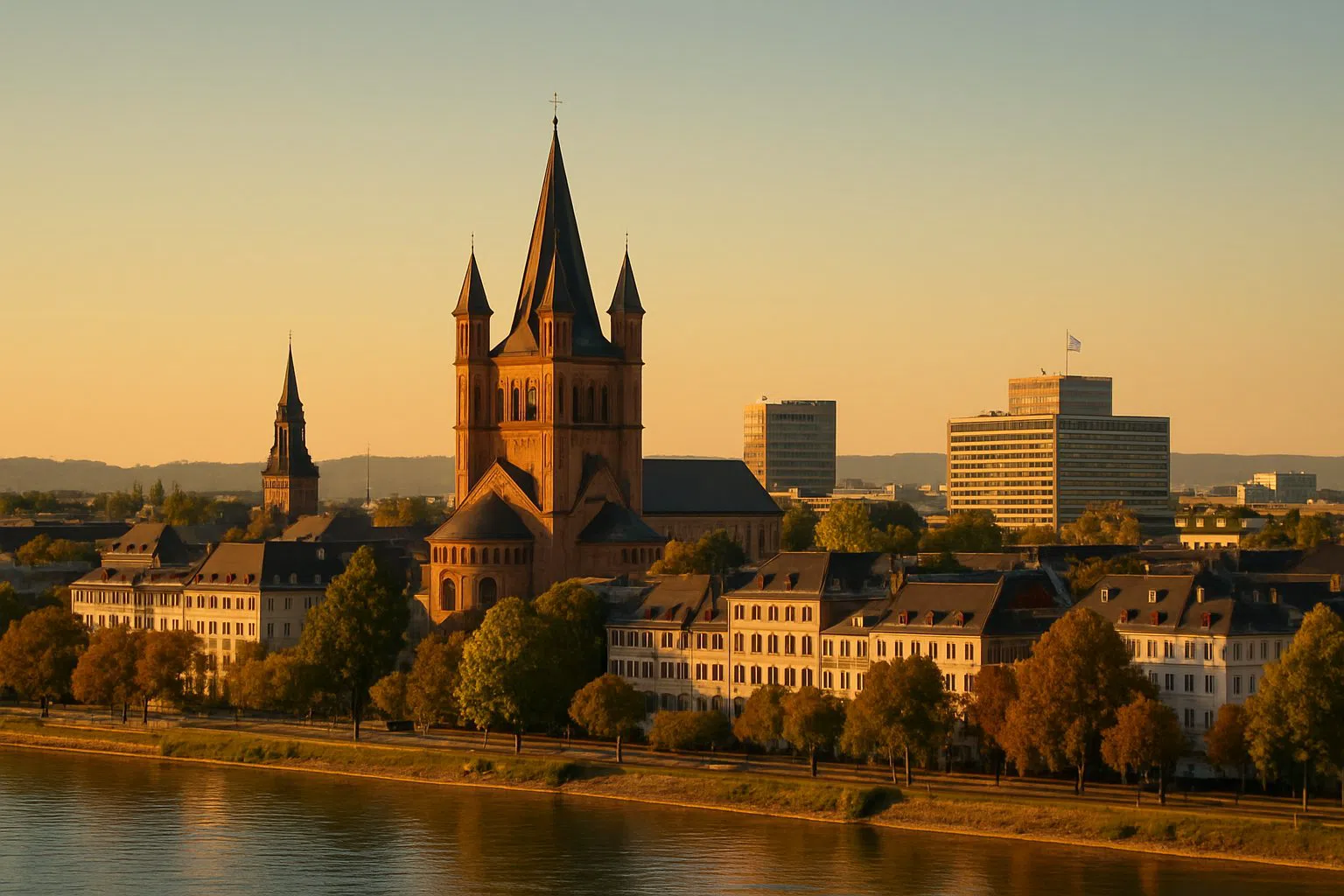
The Bonn guide
An insider’s read on Bonn
BBonn does not shout.
Bonn's identity is defined by two giants: Ludwig van Beethoven, who was born here in 1770, and the post-WWII division of Germany, which thrust this quiet university town into the global political spotlight. When the capital moved east in the 1990s, Bonn reinvented itself. The former government quarter became a campus for international organizations, while the 200-year-old university keeps the city's demographic young, progressive, and highly intellectual.
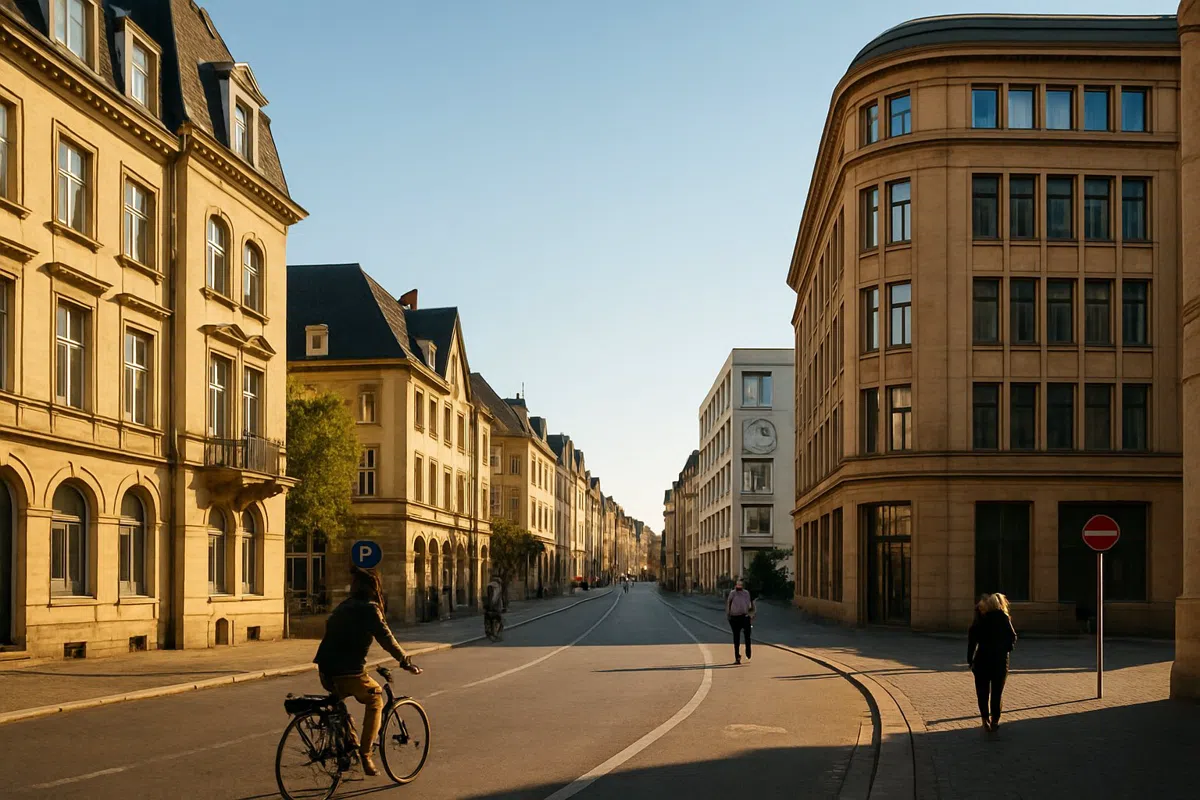
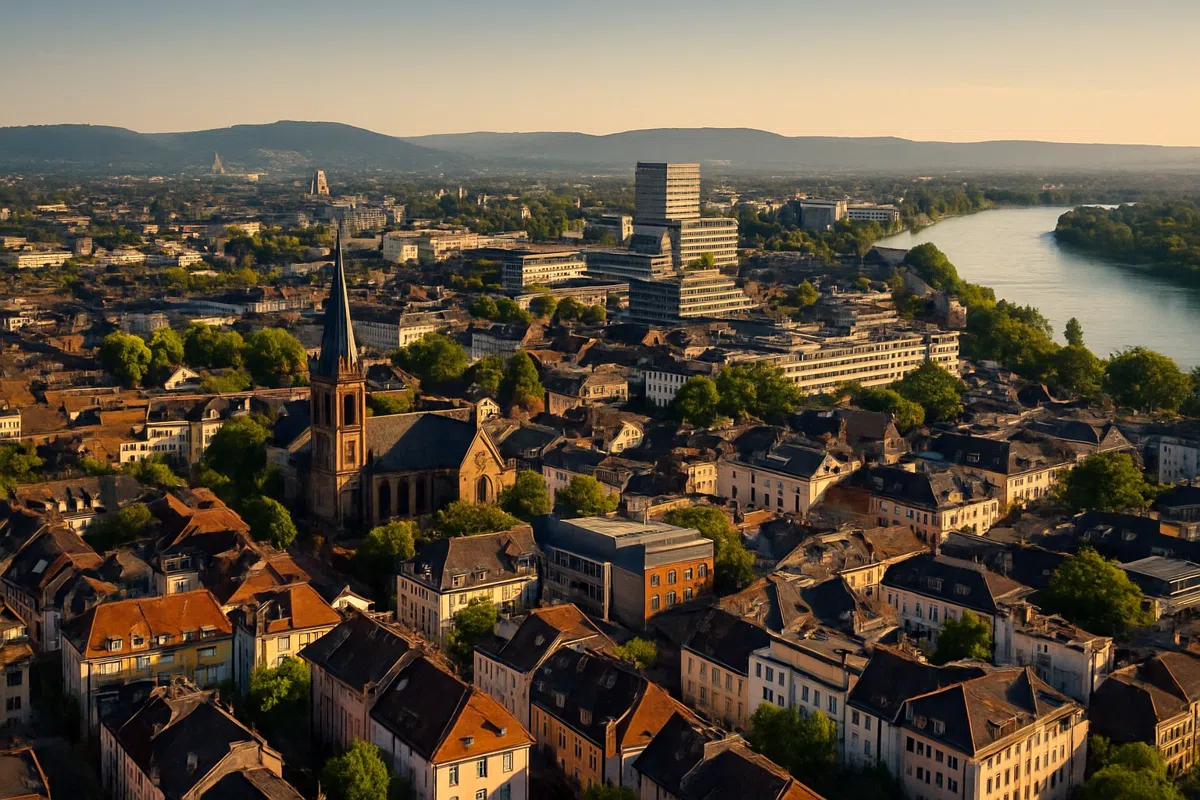
Bonn, Germany
Guides & ideas
The Bonn reading list
Hand-written guides from our editors — itineraries, the best of after dark, where to eat, and what’s genuinely worth your time.
Tours & ticketsTop guide
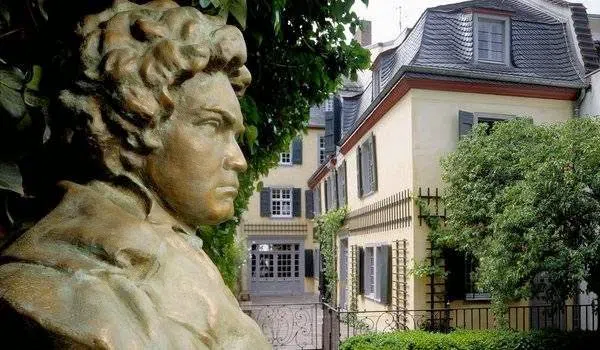
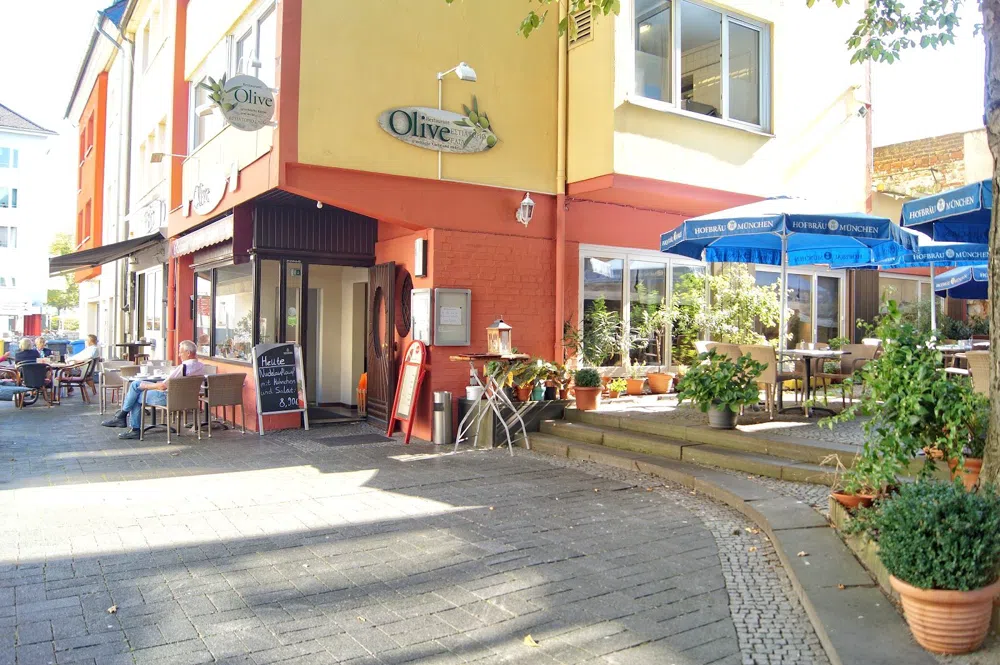
Walking Beethoven's Bonn from Bonngasse to the Rhine
Twelve low-ceilinged rooms, a rococo font, a market square and a river bastion: the whole of Beethoven's Bonn fits into one afternoon on foot.
Tours & tickets
Swimming Into Kleftiko on a Half-day Milos Boat Trip
No road runs to Kleftiko and there is no gate or ticket: you see it from a boat or not at all, and where you board decides how much of the day you actually spend in the water.
Tours & tickets
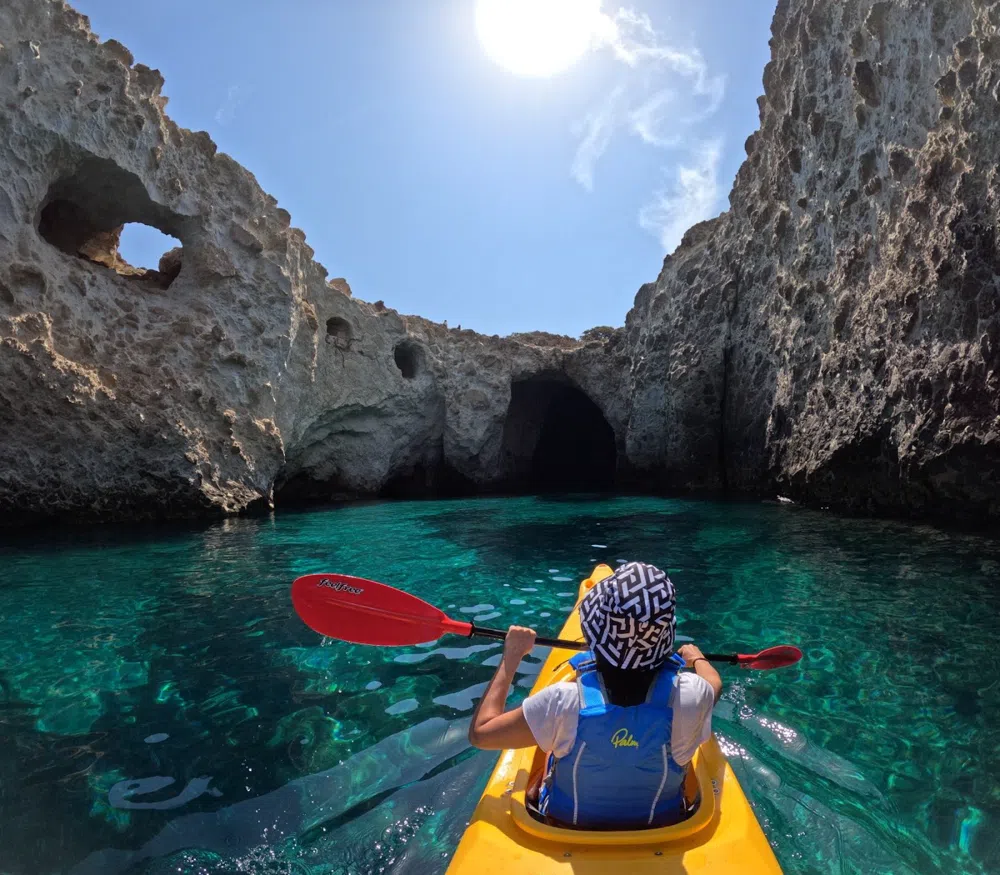
Kayaking the Quiet Coves of Milos in October
What a half-day sea kayak shows you of Milos, the flooded volcano, in October 2026: the routes, the costs, the closed staircase at Papafragas and the days to build around it.
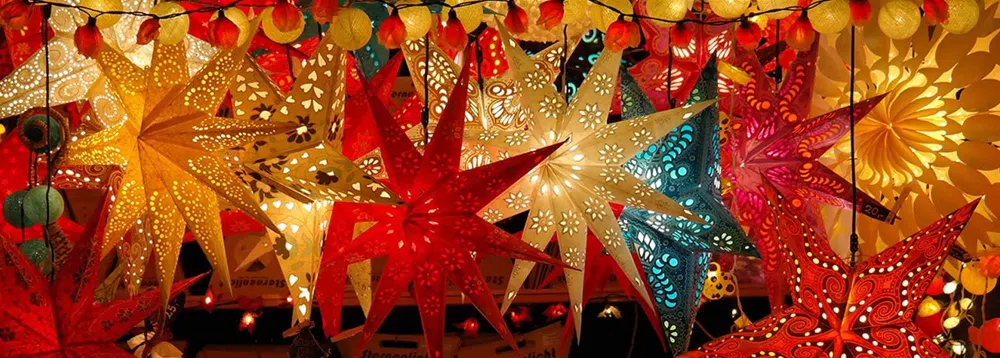
The Bonn Christmas Markets That Aren't on Münsterplatz
Fourteen markets, free and ticketed, across Bonn's districts and the towns up the line, with the dates, what the drinks cost, and honest advice on which ones fit a group.
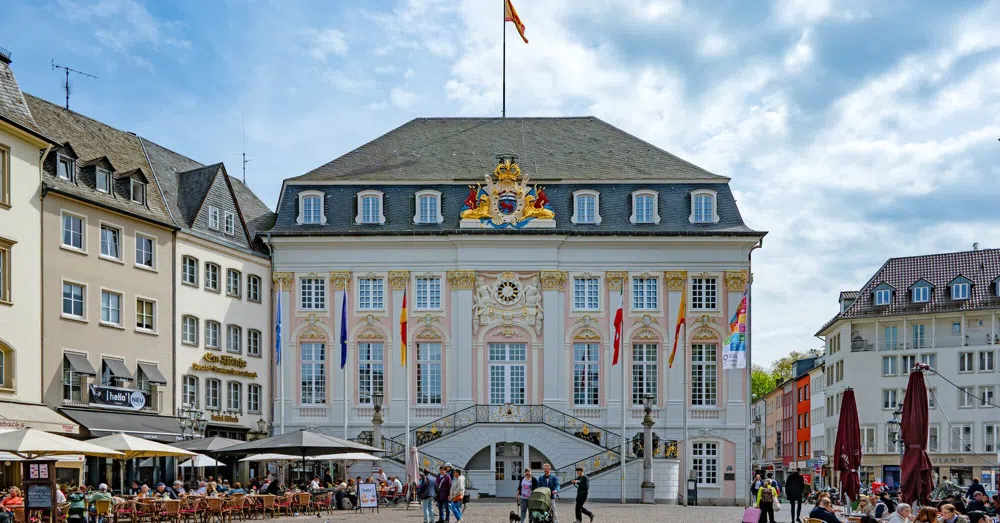
Walking Bonn from the Market Square Down to the Rhine
One day on foot through Bonn, from a market that trades six days a week to a bastion of 1644 above the river, with the closing days, group rules and prices that decide the order you walk it in.
More Bonn guides · 34
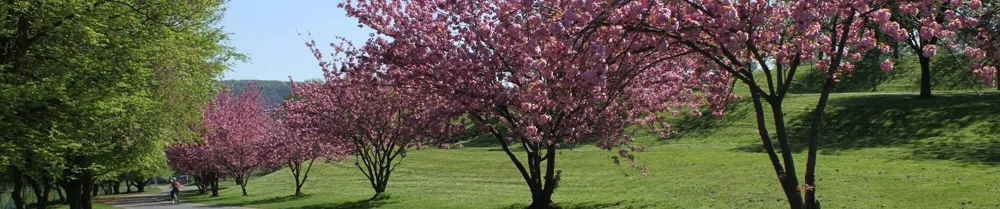
Autumn Turns Bonn Into a Walking City
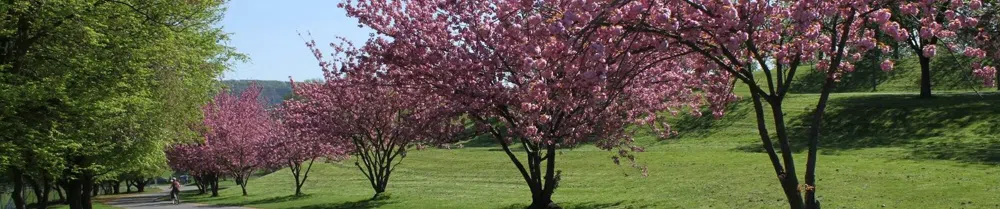
Riding the Rhine Out of Bonn with Lunch in the Basket
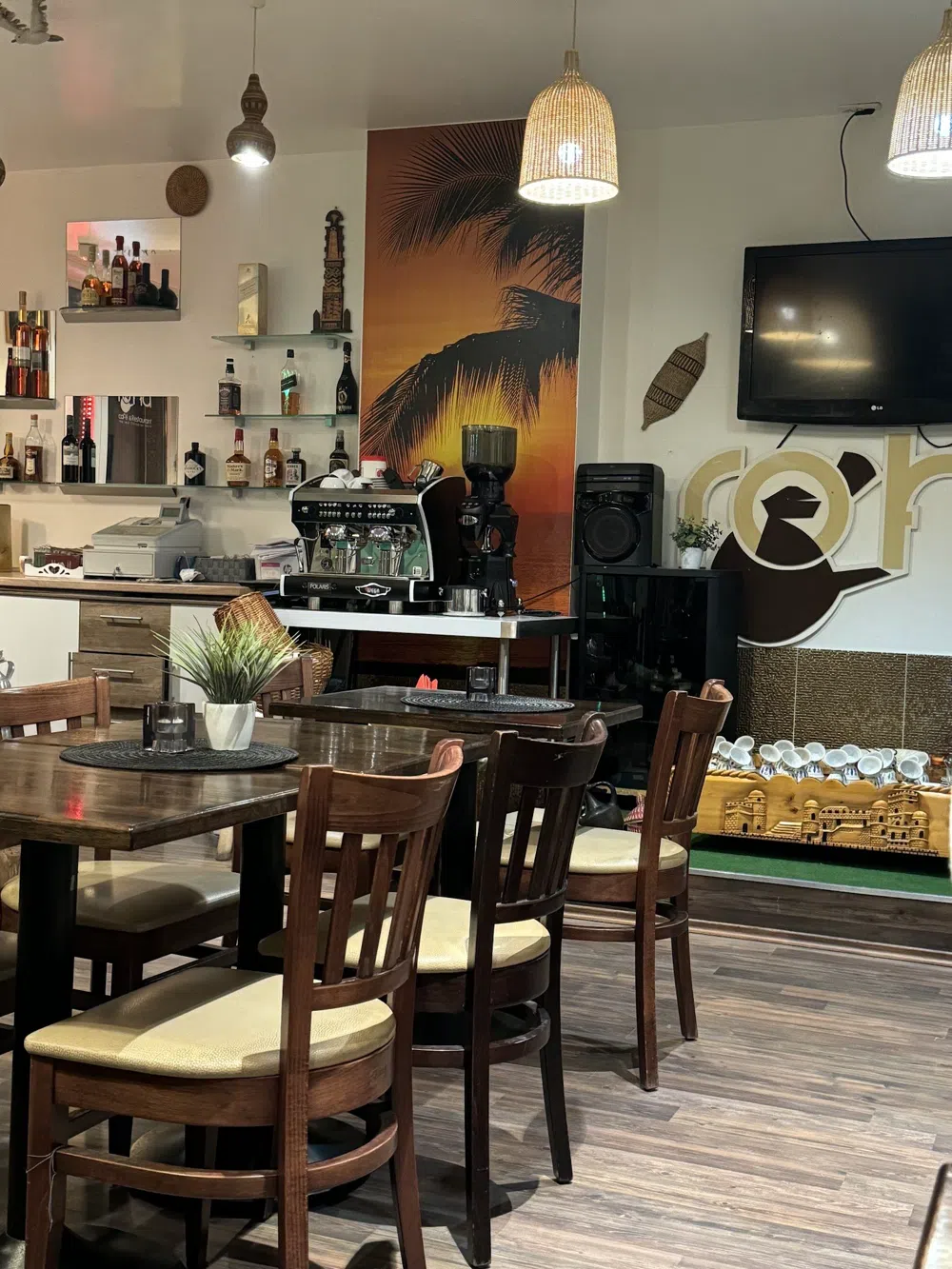
Ethiopian Platters and Neapolitan Pizza Across Bonn
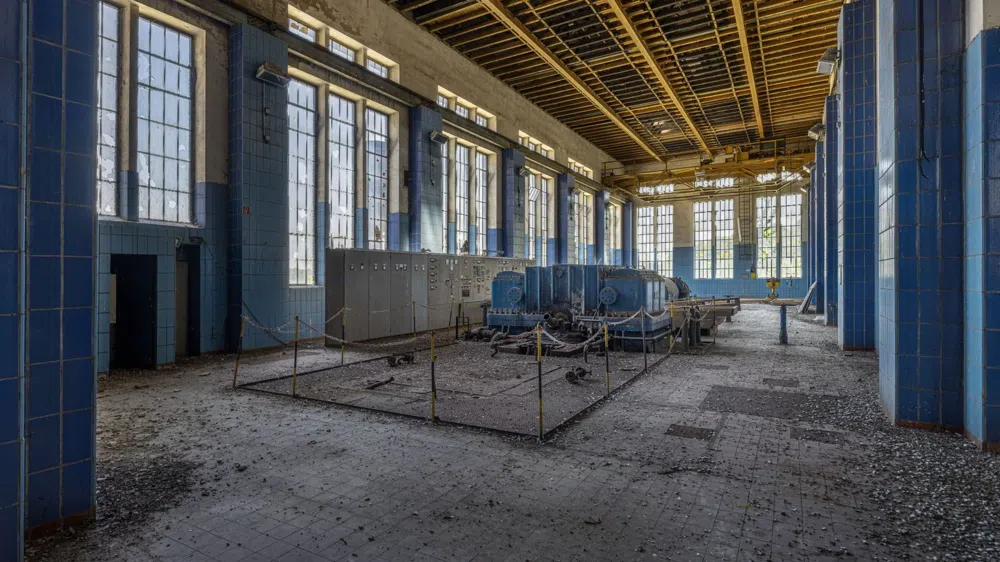
Half an Hour from Cologne to a Day in Bonn
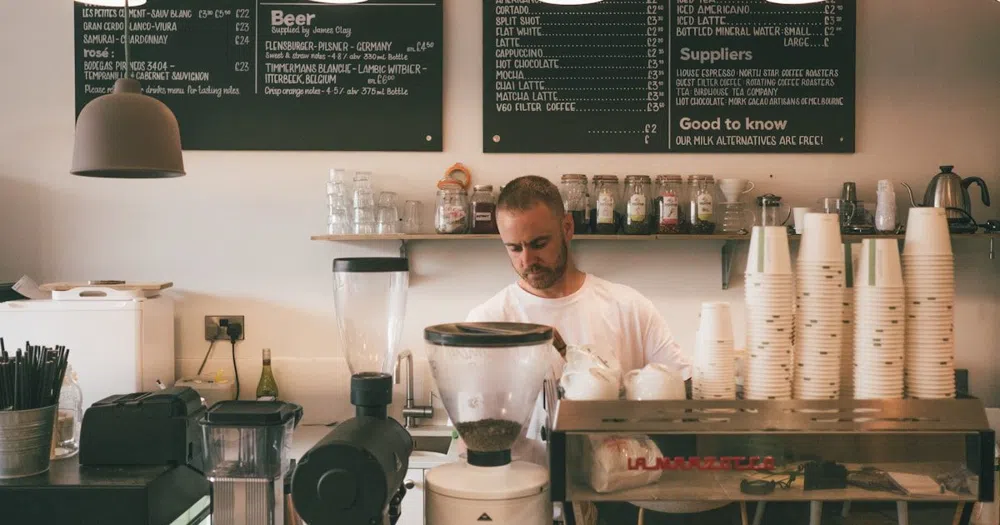
Where to Eat, Drink and Meet People in Bonn
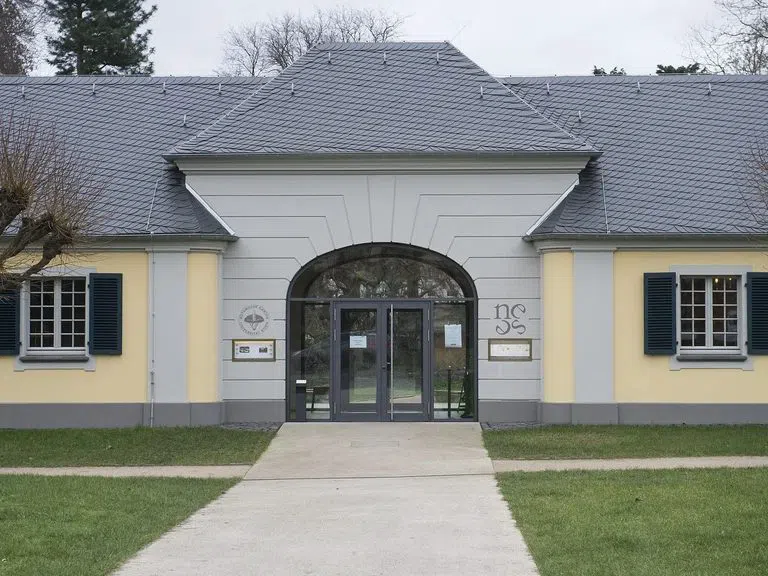
Half a Day in Bonn's Palm Houses and River Parks
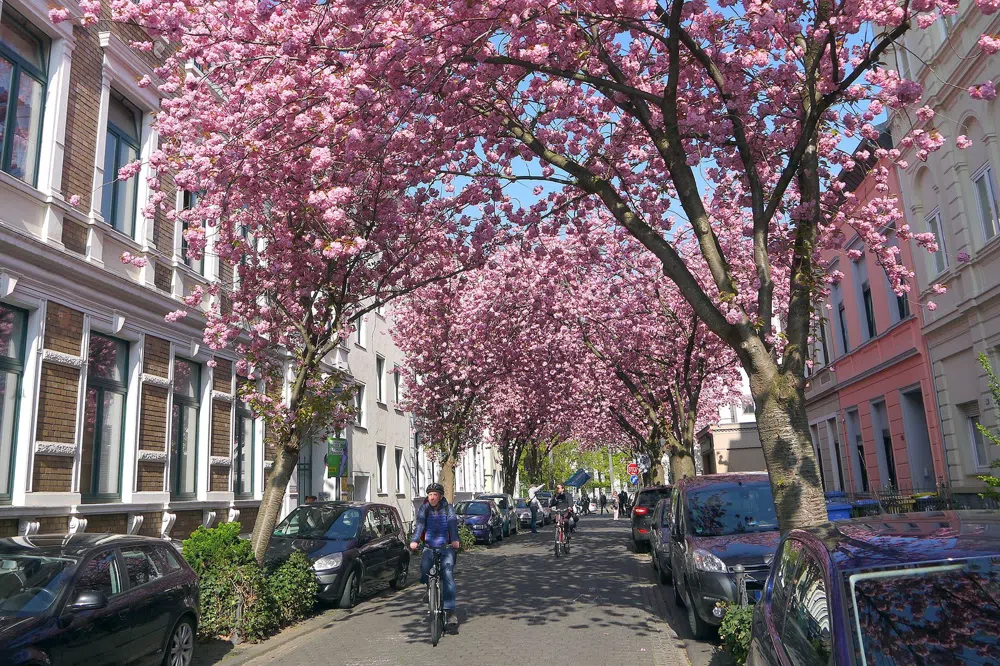
Cycling the Rhine Banks in Bonn from Ferry to Ferry
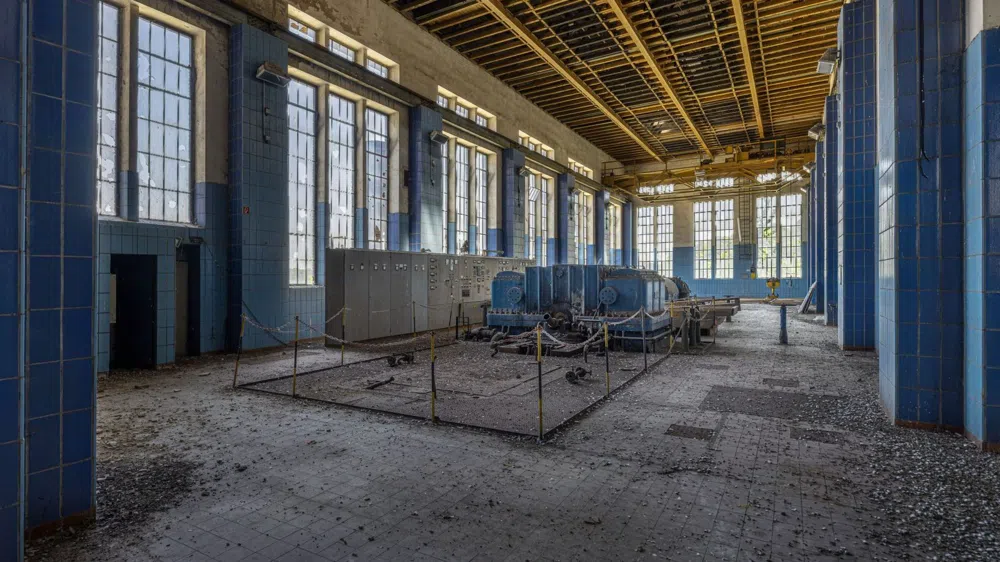
Two Days in Bonn, from the Museumsmeile to the Altstadt Bars
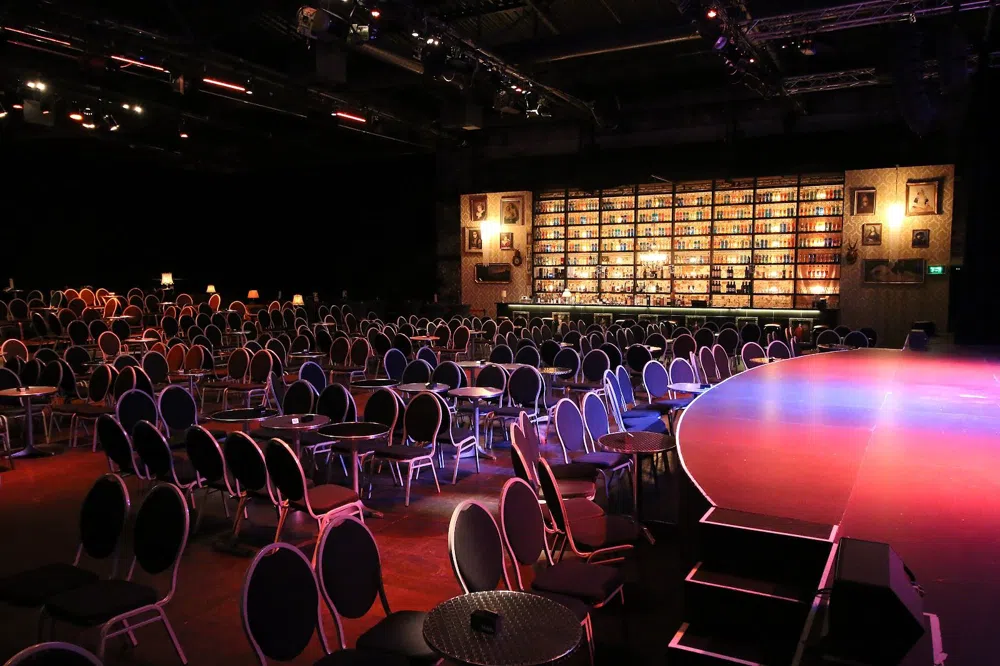
Bonn Has Something On Every Night of the Week
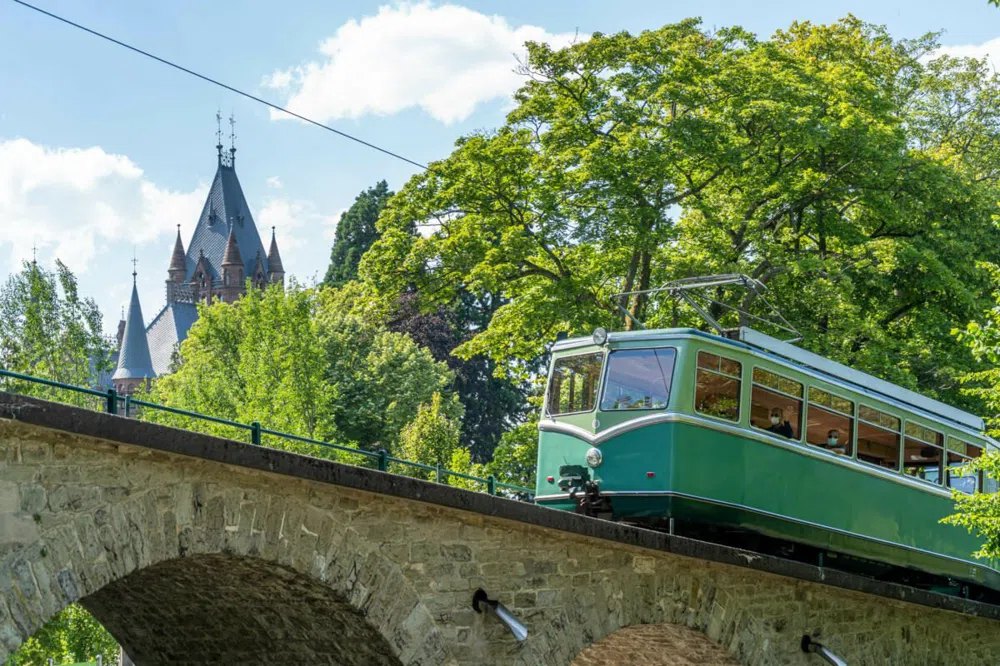
Bonn to Drachenfels by Ferry, Rack Railway and Foot
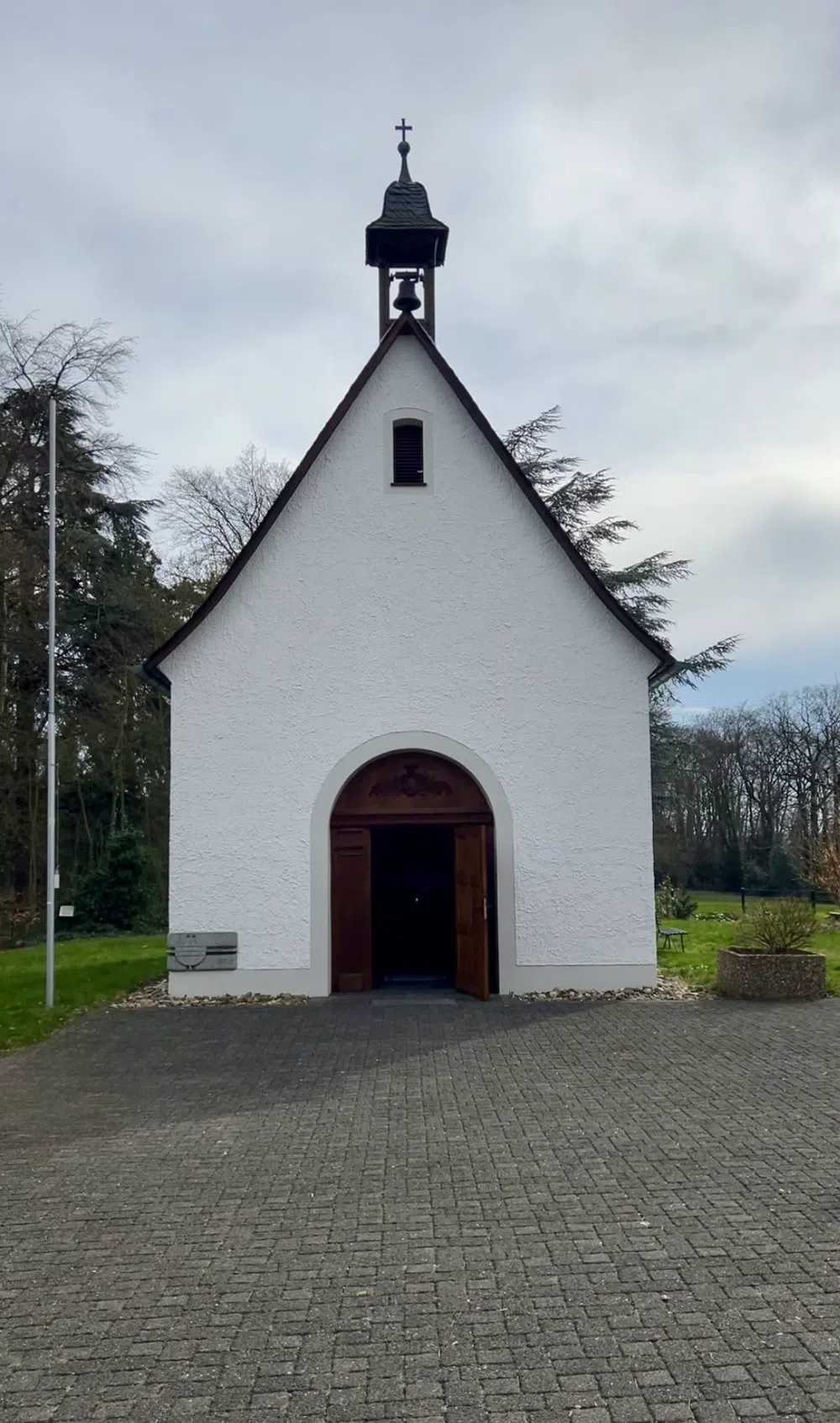
Endenich, where Bonn keeps its Holy Stairs and its blues club
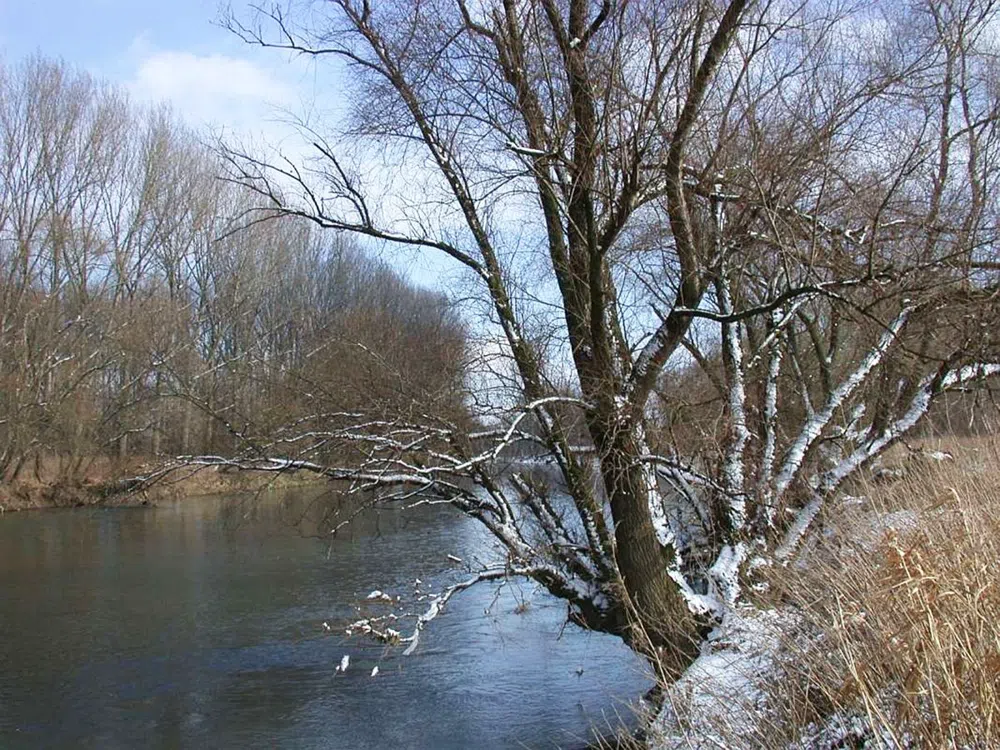
How the Rhine Borrows Bonn's Meadows Every Winter
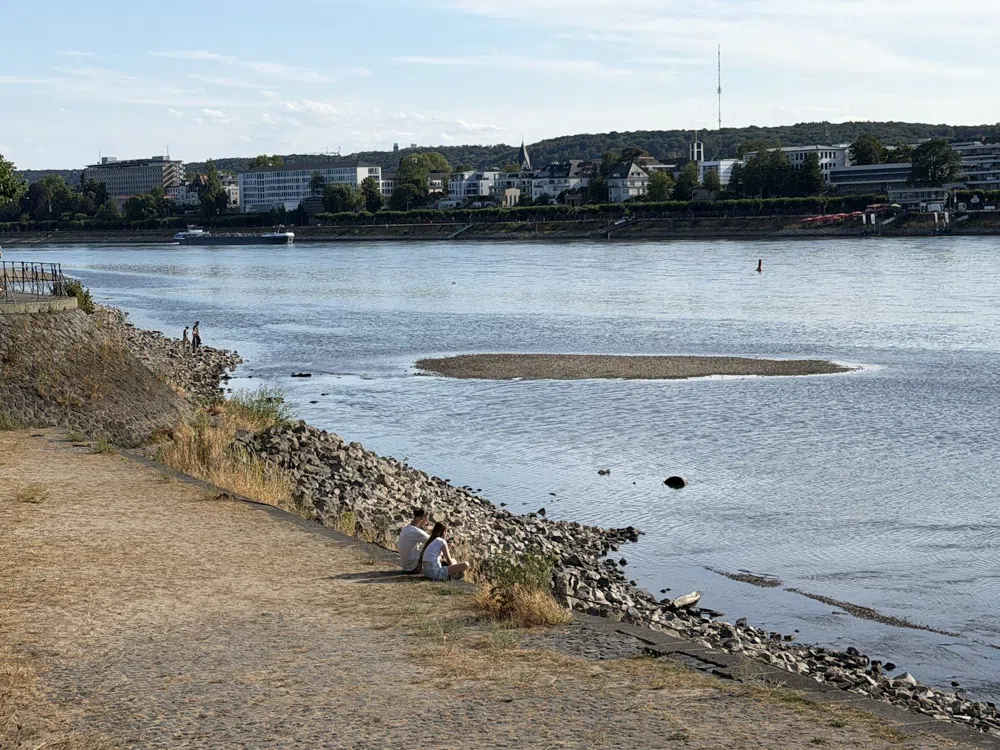
Slow Mornings and Easy Crossings on Bonn's Beuel Bank
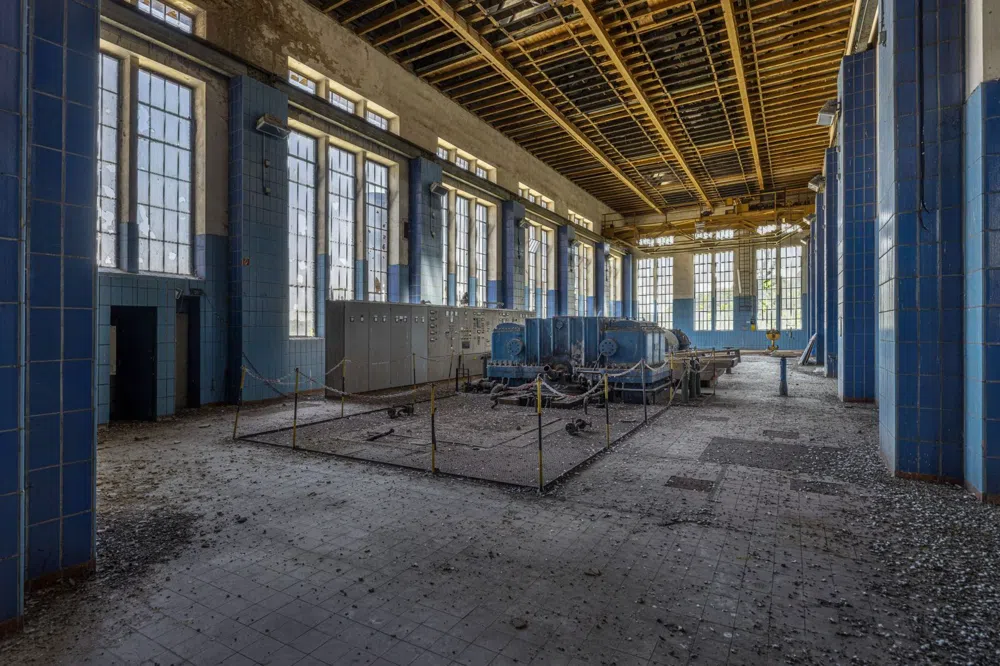
Walking the Government Quarter Bonn Never Refilled
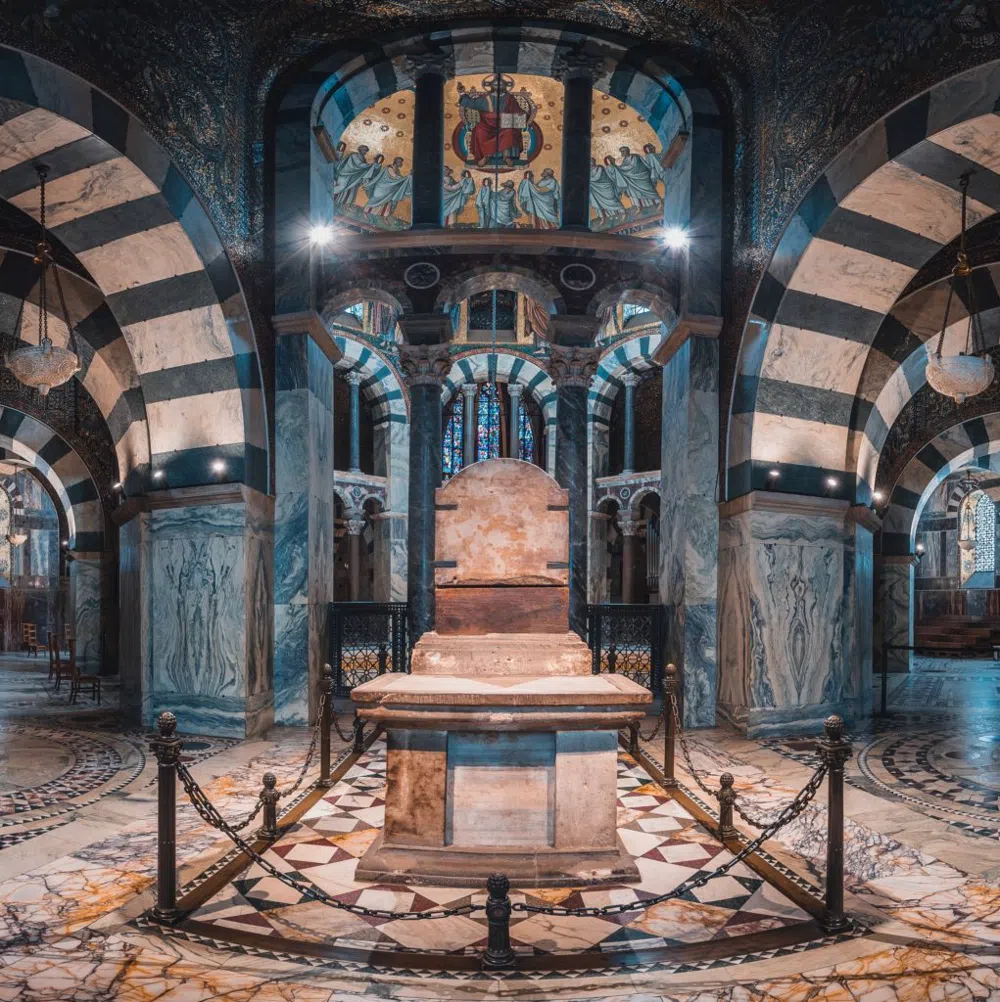
Day Trips by Train from Bonn to Aachen and Remagen
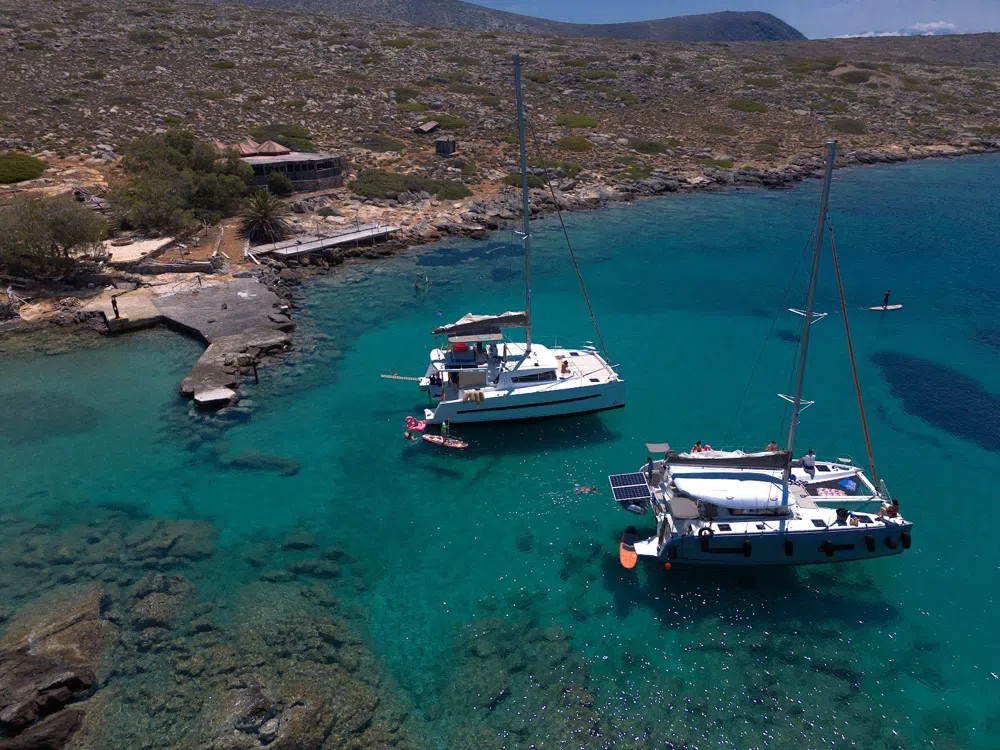
Tours & tickets
Milos and Polyaigos by Boat in October

Tours & tickets
Sailing Milos in October with Snorkel Stops and Lunch Aboard
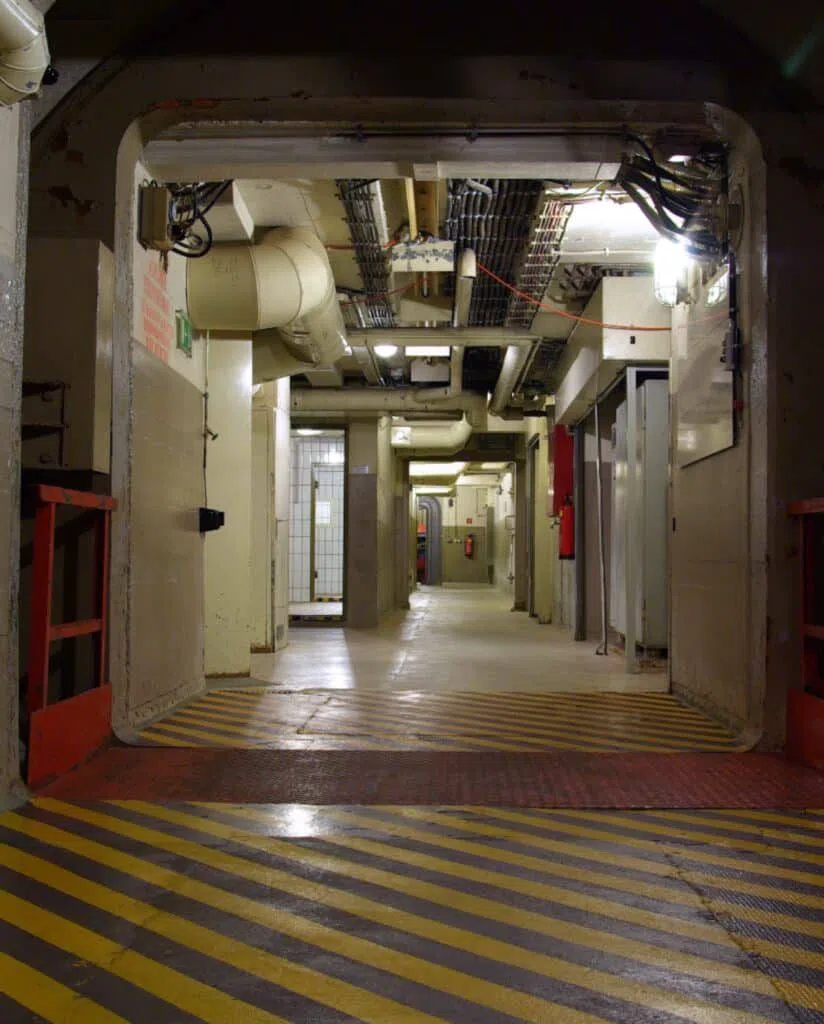
Walking the Spy Map of Cold War Bonn
Eat and drink your way past Bonn's Irish pubs
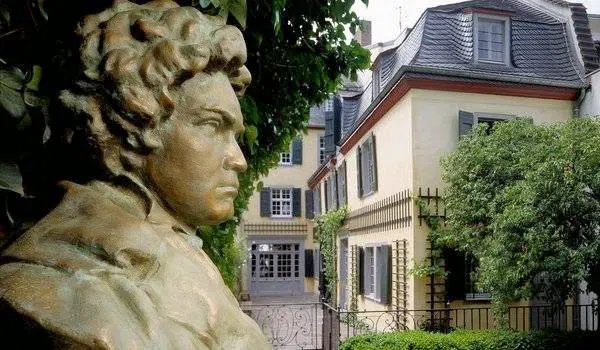
The Weight of Genius: Bonn and Its Beethoven
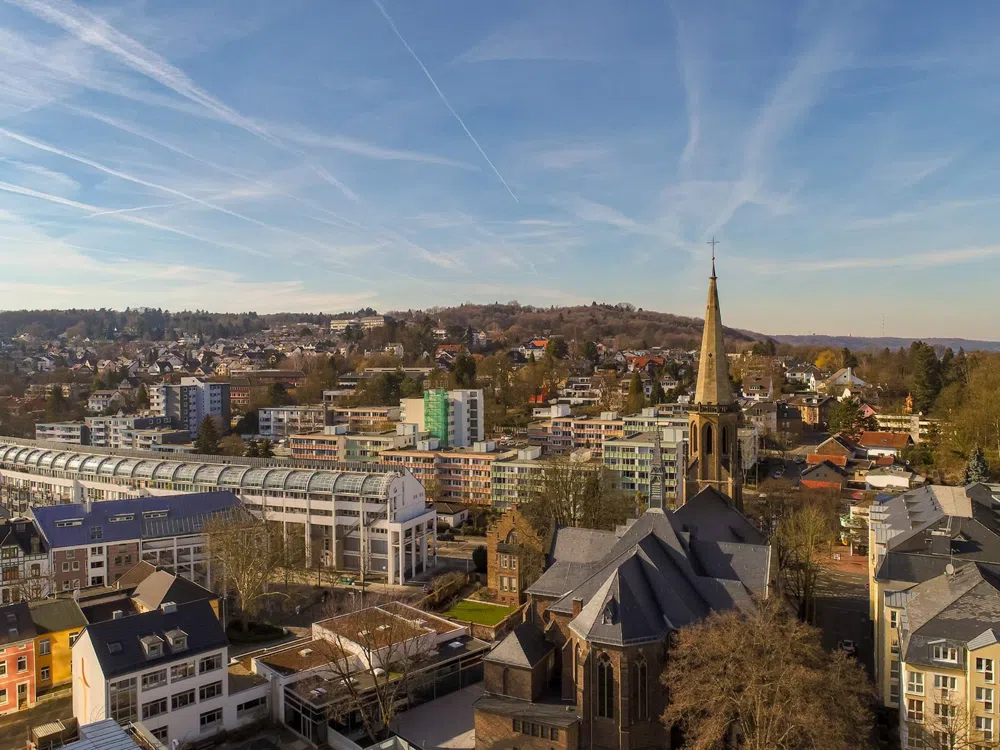
Muffendorf, the half-timbered village inside Bonn
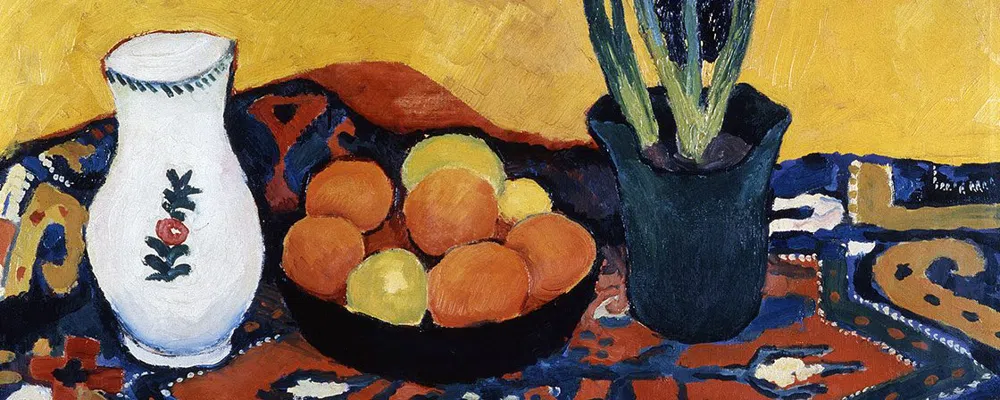
Walking Bonn's Nordstadt from the Sterntor to the Macke house
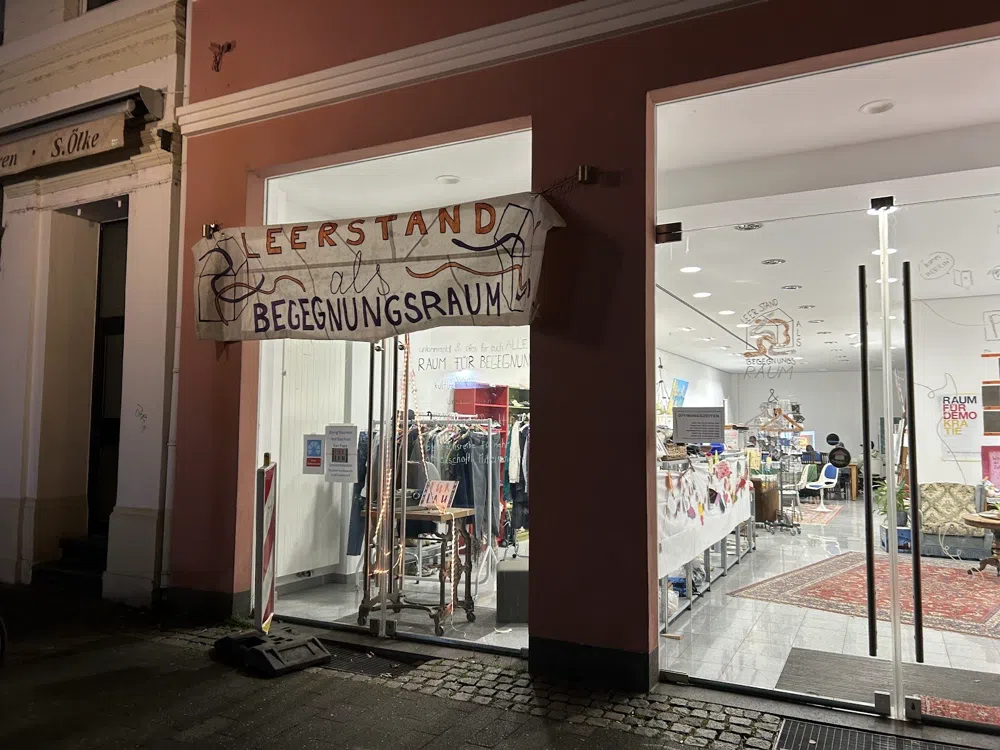
Where to Meet People in Bonn When You Arrive Alone
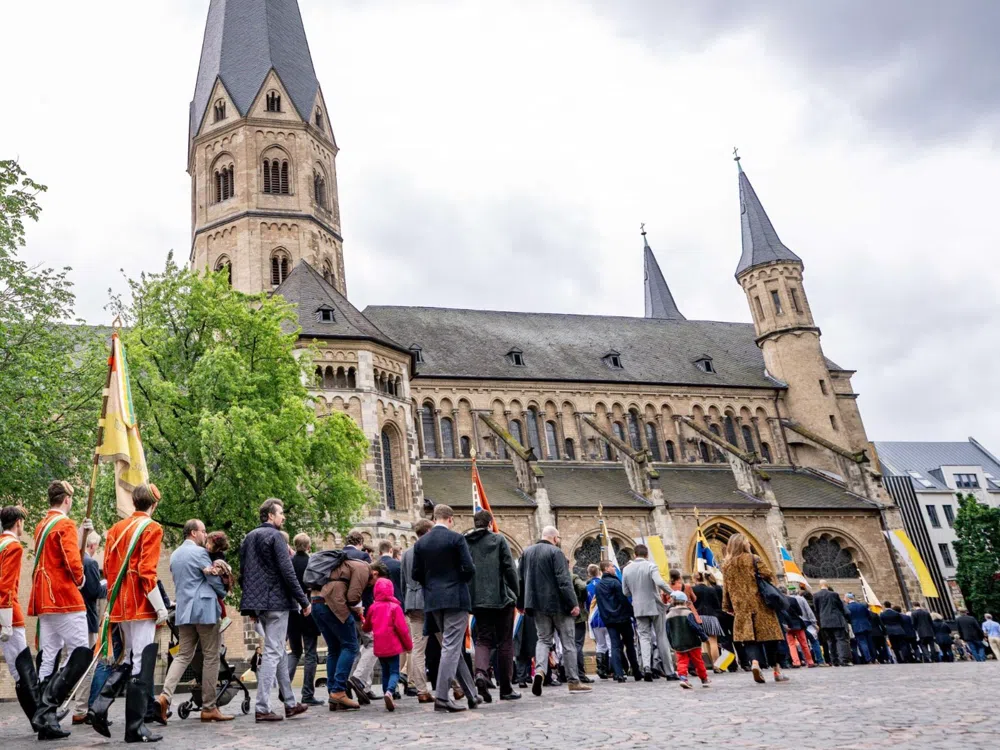
Tours & tickets
Ninety Minutes Across Bonn With a Private Guide
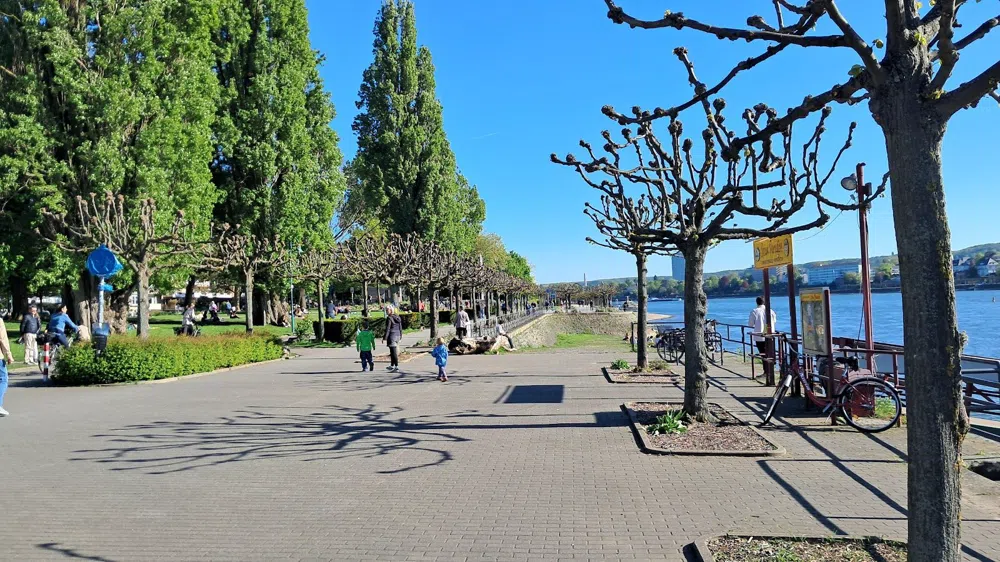
Walking Beuel, Bonn's right bank from river to Ennert
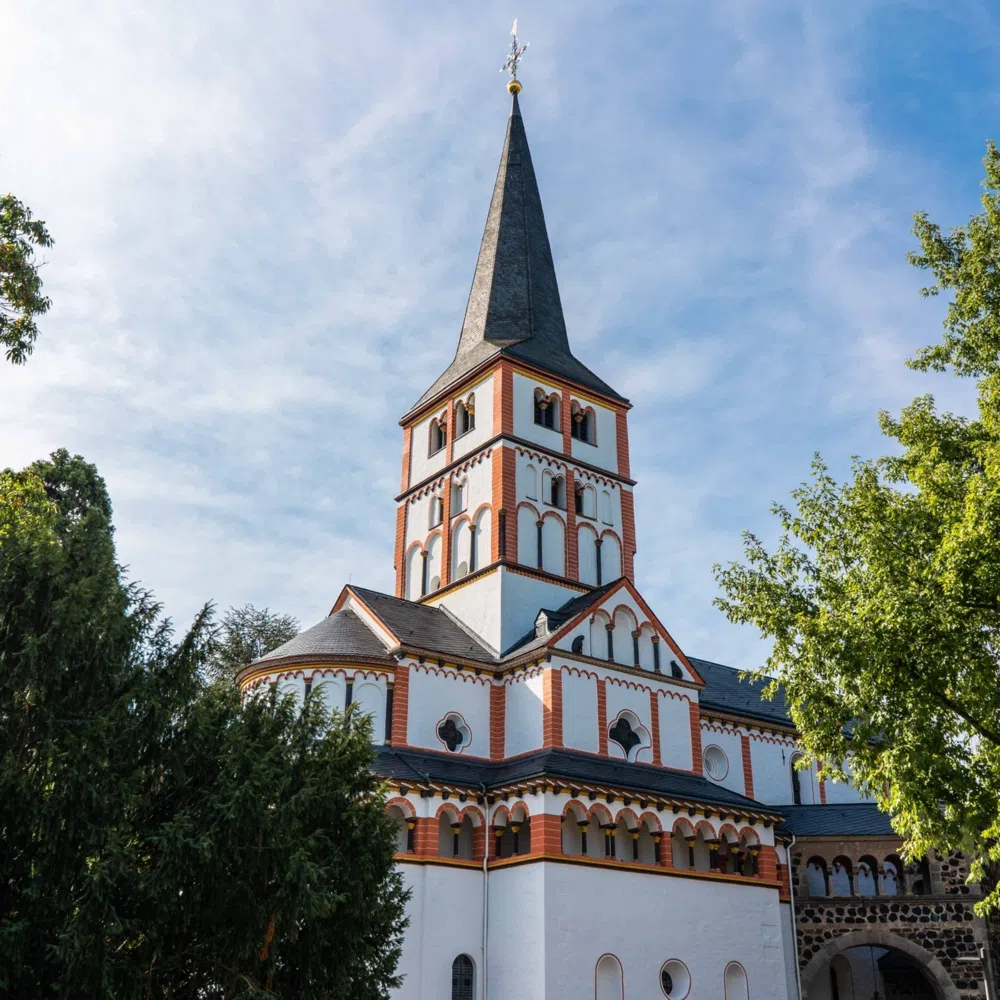
Schwarzrheindorf and Vilich on foot in Bonn
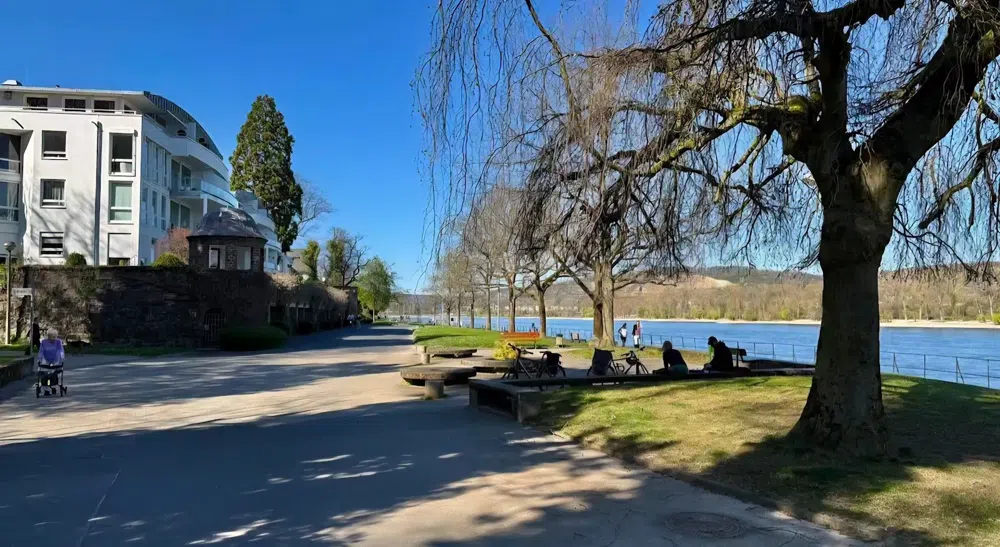
Walking Mehlem, Bonn's ferry village on the Rhine
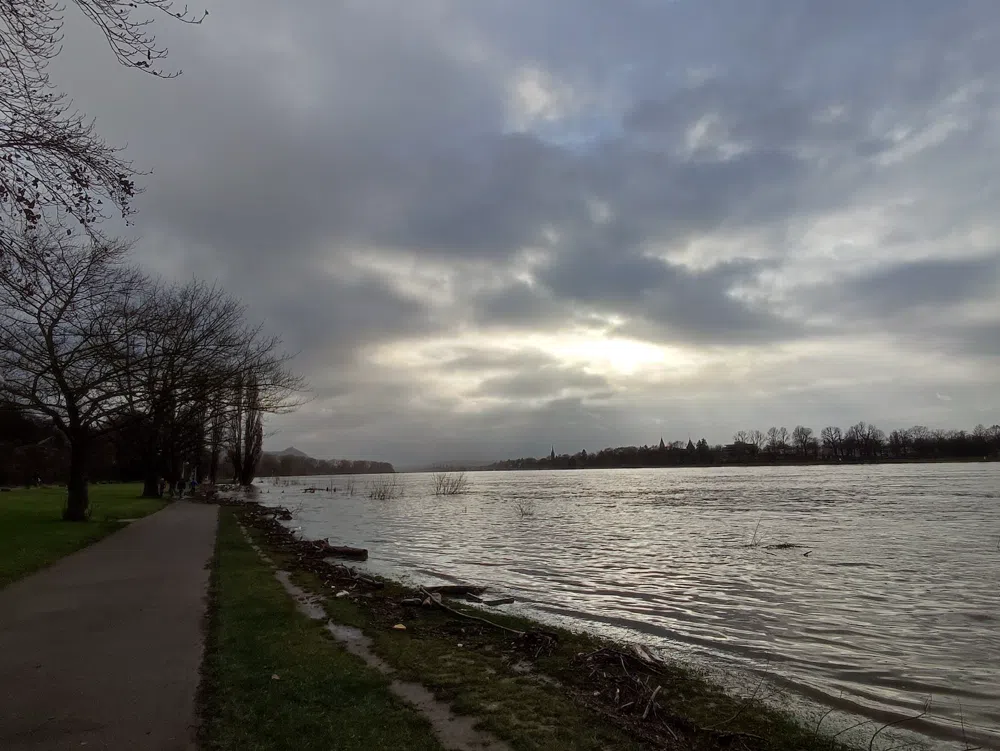
Oberkassel, the Bonn village between the Rhine and the Ennert
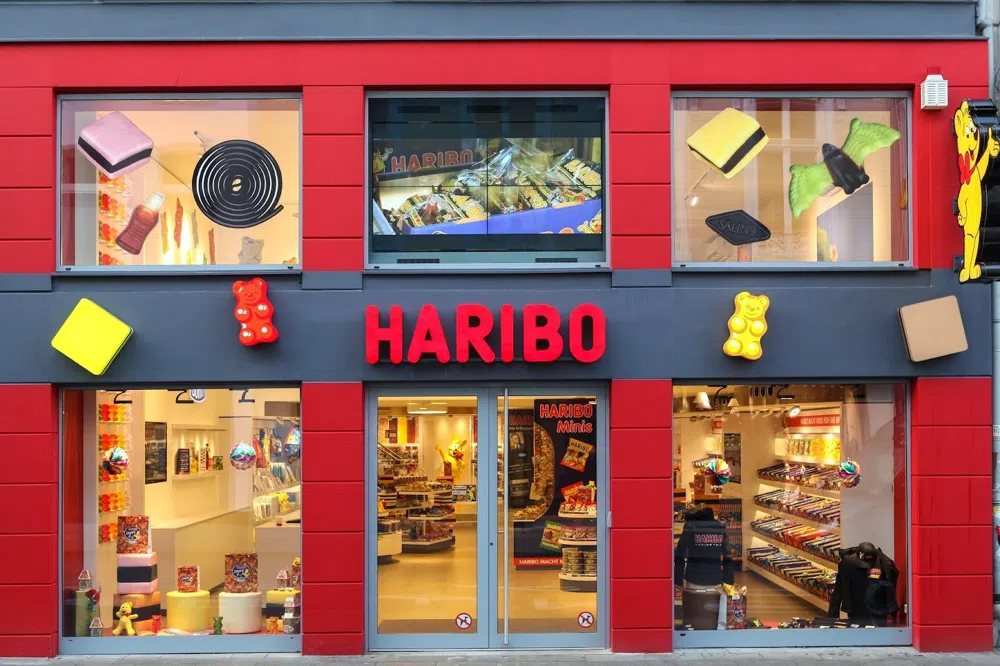
Bonn Is Where Haribo Invented the Gummy Bear
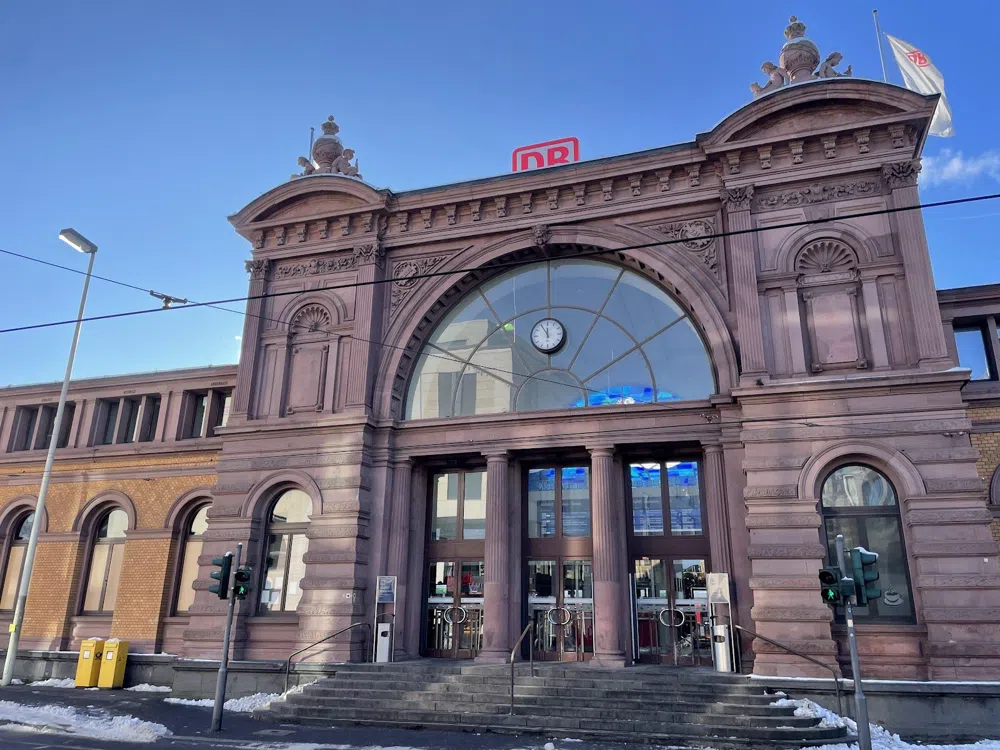
Getting Around Bonn When the Departure Board Turns Red
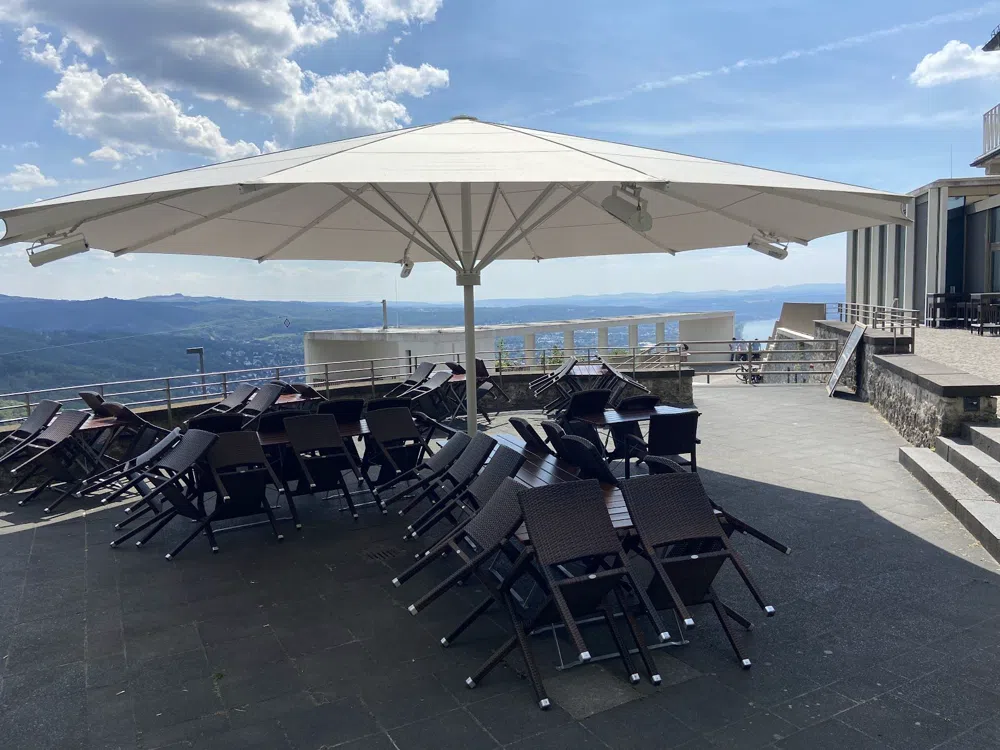
Chasing the Last Light from Bonn to the Siebengebirge
Bonn by Torchlight Behind the Night Watchman
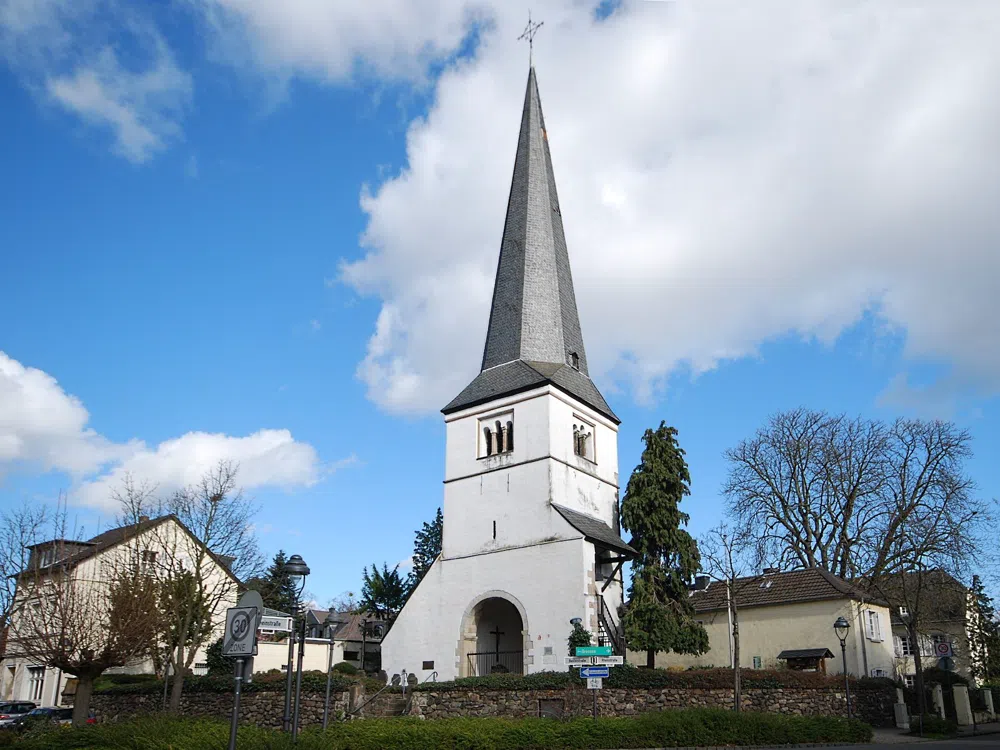
Walking Rüngsdorf, Bonn's villa quarter on the Rhine
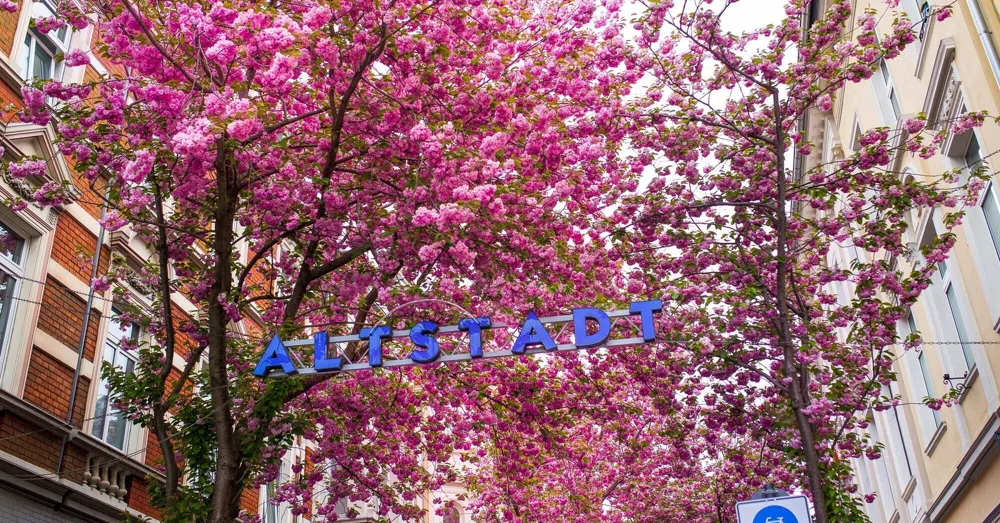
Pink Canopy: Bonn's Cherry Blossom Streets and the Weeks the City Turns Japanese
Where to base yourself
The neighborhoods
01

Zentrum (Innenstadt)
For First-time visitors who want immediate access to transit, shopping, and historic sights. The trade-off is that it lacks local residential character and gets quiet after shopping hours.
The pedestrianized core filled with historic squares, retail shops, and major landmarks.
Where to stay — Traditional hotels and modern business chains near the main station.
02

Altstadt
For Younger travelers and night owls. The trade-off is that it can be noisy on weekend nights and intensely crowded during the spring cherry blossom season.
A dense grid of narrow streets filled with student pubs, independent cafes, and historic townhouses.
Where to stay — Boutique guesthouses and independent hostels.
03

Südstadt
For Architecture enthusiasts and those seeking a quiet, local neighborhood feel. The trade-off is that dining options are more expensive and it is a longer walk to the central sights.
An upscale, leafy residential district famous for its exceptionally preserved Wilhelminian-era villas.
Where to stay — High-end boutique hotels and elegant apartments.
04

Gronau (Bundesviertel)
For Business travelers and museum enthusiasts. The trade-off is that the area feels corporate and is largely deserted on weekends and evenings.
The former government quarter, now dominated by modern glass towers, UN offices, and major museums.
Where to stay — Modern business hotels and upscale conference lodging.
05

Poppelsdorf
For Foodies and travelers who want a relaxed neighborhood vibe with excellent dining options. The trade-off is that parking is nearly impossible and it is removed from the river.
A lively student-friendly hub centered around a baroque palace and a bustling dining street.
Where to stay — Mid-range neighborhood hotels.
06

Bad Godesberg
For Families and travelers seeking a slower pace near nature. The trade-off is that it is a 15-minute train ride from the city center, making late-night returns more difficult.
A green, sprawling southern district that once served as the diplomatic heart of West Germany.
Where to stay — Historic villas and quiet suburban hotels.
07
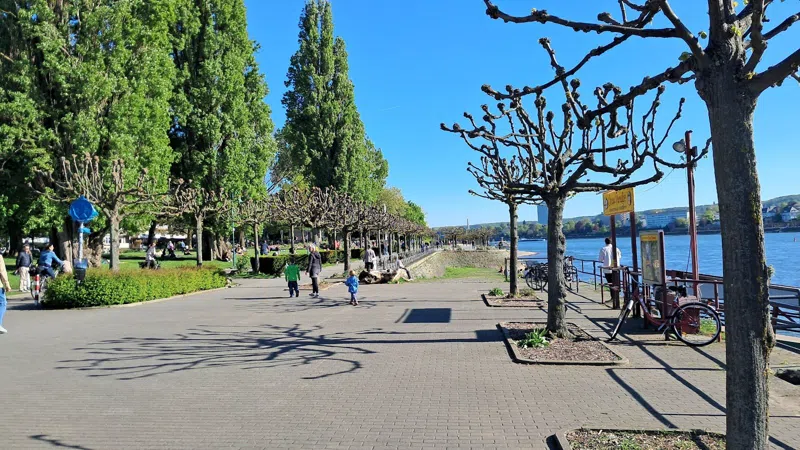
Beuel
For
Bonn’s sunny-side Rhine quarter is a rewarding half-day of river walks, local history, cafés and views back to the old town. Best from late spring to early autumn for the promenade; Carnival is especially prominent around Weiberfastnacht in February.
Where to stay —
08
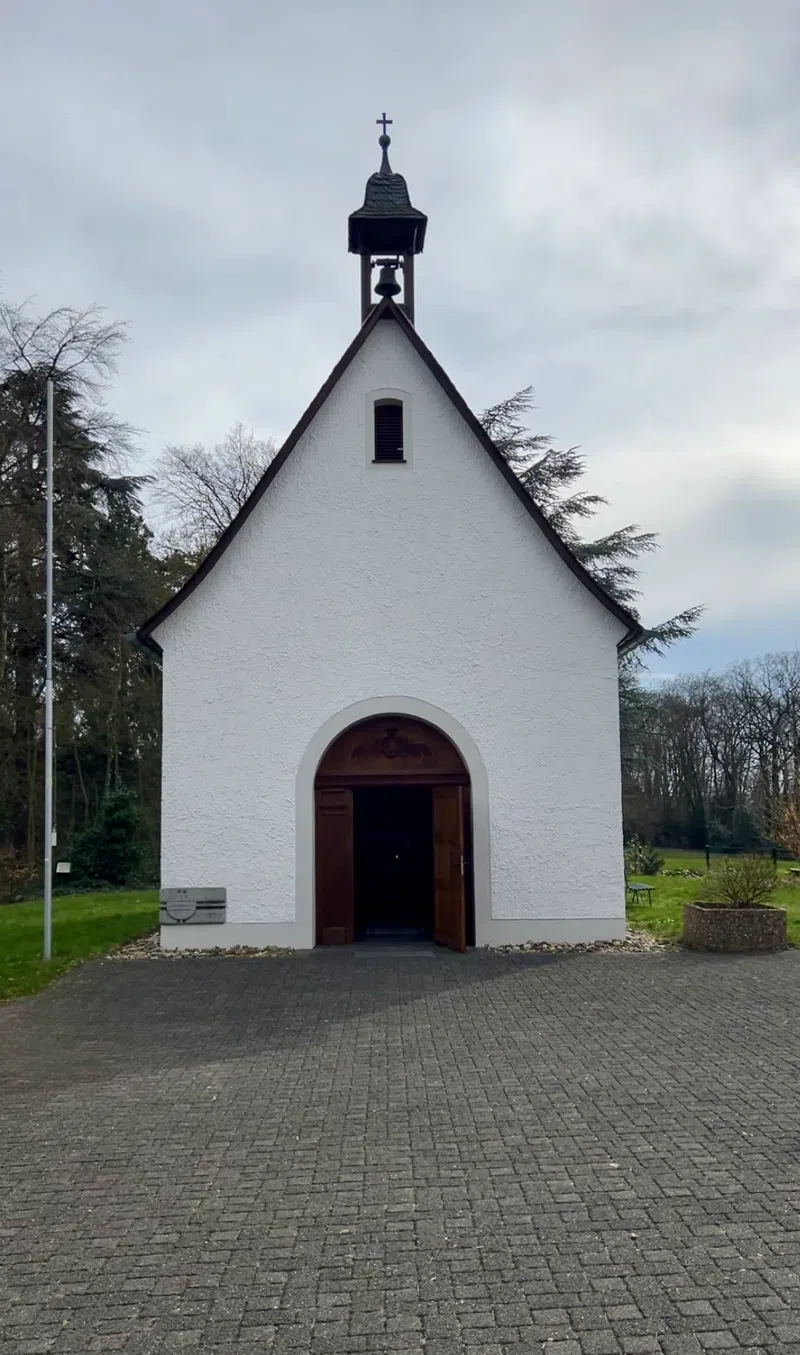
Endenich
For
Endenich’s compact Kulturmeile gives visitors an easy evening of theatre, live comedy, cinema, restaurants and neighbourhood bars. A year-round evening destination, with the strongest appeal when theatre and comedy programmes are running from autumn through spring.
Where to stay —
09
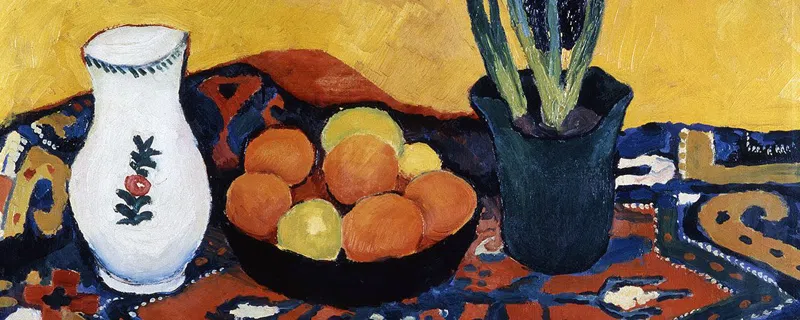
Nordstadt
For
The northern inner-city quarter combines the August Macke art trail with independent cafés, creative venues, old cemeteries and a more local urban atmosphere. Good year-round; spring and summer are best for café-hopping and walking between the Mackeviertel and Alter Friedhof.
Where to stay —
10
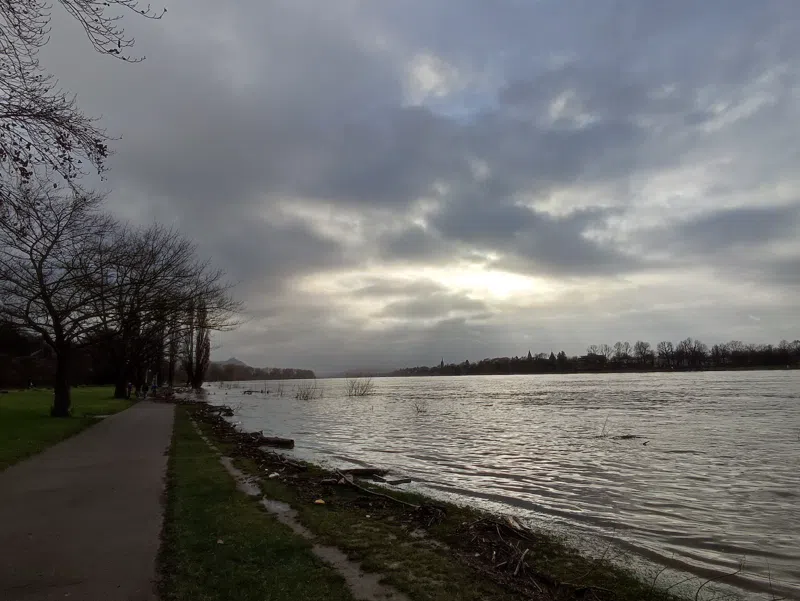
Oberkassel
For
Oberkassel is a scenic Rhine-side village quarter for riverside walking, historic villas, local restaurants and open views toward the Siebengebirge. Most enjoyable from May to September, when the riverside and outdoor seating are at their best; cultural events vary by year.
Where to stay —
11
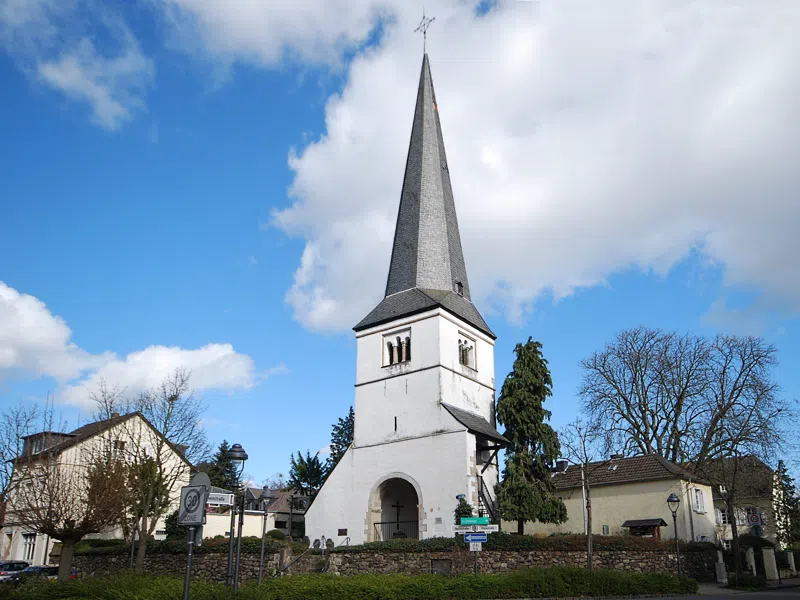
Rüngsdorf
For
Rüngsdorf offers one of Bonn’s most attractive Rhine walks, lined with grand villas, historic churches, gardens and direct views toward Drachenfels. A strong spring and summer walk, though the villa architecture and river scenery work year-round; gardens are best when foliage is out.
Where to stay —
12
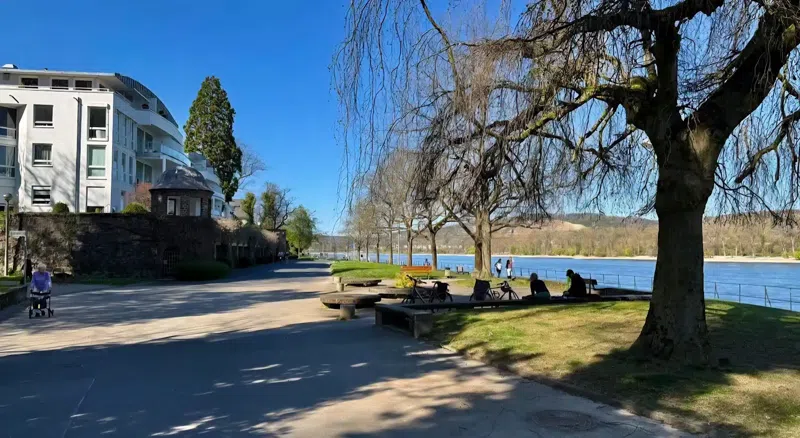
Mehlem
For
At Bonn’s southern edge, Mehlem is a relaxed Rhine-side outing with river views, historic villas, ferry connections and a dramatic backdrop of Drachenfels. Best from May to September for the promenade and ferry; clear autumn days give especially good views across the Rhine to the Siebengebirge.
Where to stay —
13
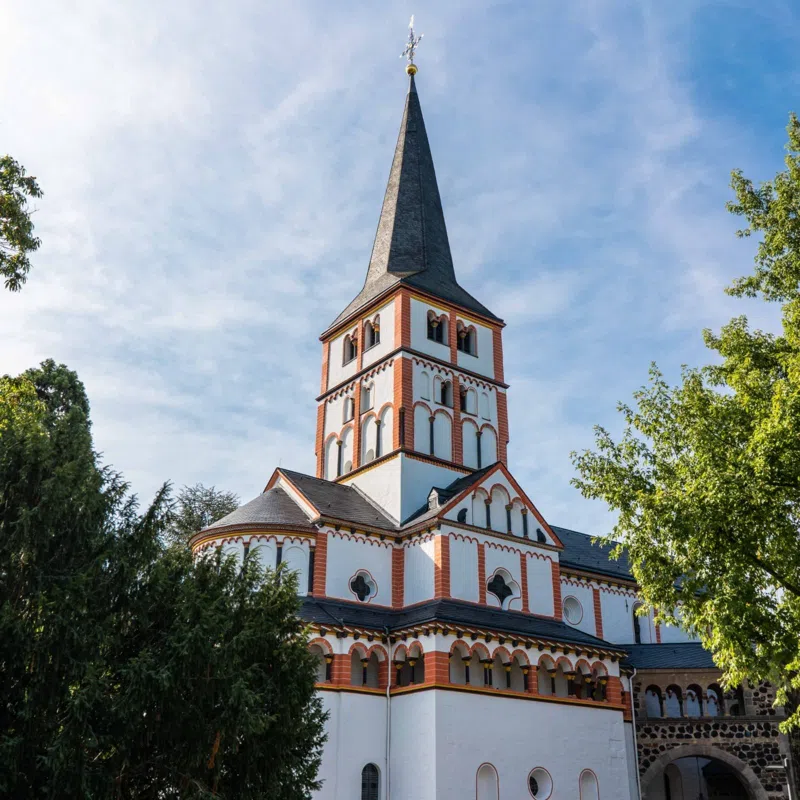
Schwarzrheindorf and Vilich
For
These adjoining historic villages make a quiet but distinctive excursion for Romanesque churches, old lanes, monastery history and Rhine-side walks. Best in spring through early autumn for combining the churches with walks along the Rhine and Sieg; church access can be limited outside services or tours.
Where to stay —
14
Muffendorf
For
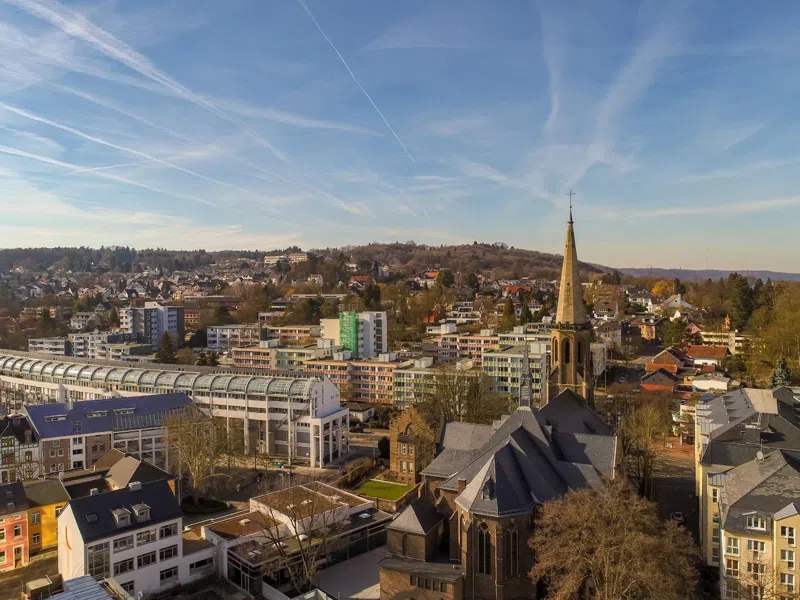
Muffendorf feels like a preserved Rhineland village inside Bonn, with medieval-looking lanes, half-timbered houses, wine taverns and small historic sights. Best from late spring through autumn for village walks and outdoor dining; autumn is especially atmospheric around local wine-focused events.
Where to stay —
Book direct
Book a hotel in Bonn
Loading live availability and real-time prices…
Where to eat
Dining

Bastei
€€€Bad Godesberg
Offers classic preparations of fresh fish served on a terrace directly overlooking the Rhine.
Signature — Pan-fried Dover sole with buttered potatoes

Milos
€€€Südstadt
An upscale Greek taverna focusing on high-quality, simply grilled Mediterranean fish and seafood.
Signature — Charcoal-grilled octopus with fava puree

Restaurant Strandhaus
€€€Beuel
A bright, beach-house-inspired venue on the sunny side of the river serving refined, seasonal seafood.
Signature — Pan-seared halibut fillet with seasonal wild herbs

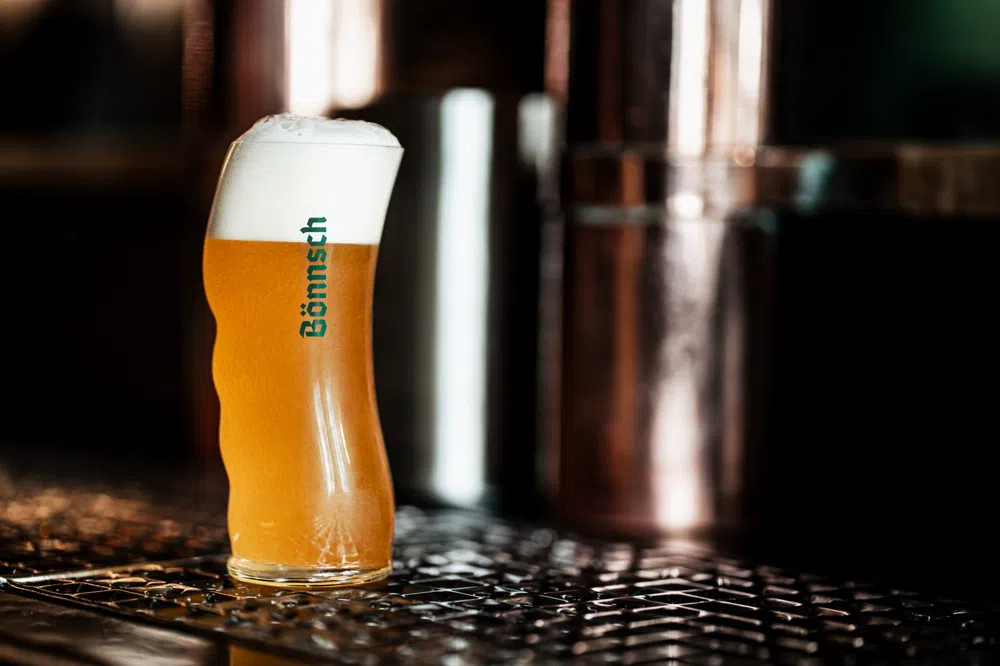
Brauhaus Bönnsch
€€Zentrum
The home of Bonn's unique, top-fermented Bönnsch beer, served in custom-curved glasses alongside hearty regional food.
Signature — Himmel und Äd (black pudding with mashed potatoes and applesauce)

Gasthaus Im Stiefel
€€Zentrum
A historic tavern where Beethoven reportedly drank, serving heavy, authentic Rhineland classics in a wood-paneled room.
Signature — Rhenish Sauerbraten (marinated beef) with potato dumplings

Em Höttche
€€Zentrum
Dating back to 1389, this rustic tavern next to the town hall offers a step back in time with its historic interior and robust portions.
Signature — Schweinshaxe (crispy roasted pork knuckle)

Yunico
€€€€Beuel
Located inside the Kameha Grand, this venue offers high-end Japanese-Mediterranean fusion with panoramic views of the Rhine.
Signature — Wagyu beef with miso-yuzu glaze

Reduttchen Weinbar & Restaurant
€€€€Bad Godesberg
Set in a historic garden pavilion where Beethoven once performed, offering creative modern German cuisine paired with an exceptional wine list.
Signature — Multi-course seasonal tasting menu

Halbedel's Gasthaus
€€€€Bad Godesberg
Classic French haute cuisine served in the elegant, intimate dining room of an Art Nouveau villa.
Signature — Pigeon breast with truffle jus

Mandu
€Zentrum
A no-nonsense Korean spot serving quick, authentic dumplings and rice bowls to a busy student crowd.
Signature — Steamed pork mandu

Cassius Garten
€Zentrum
A massive, self-service vegetarian buffet where you pay by weight, offering fresh, wholesome food in a casual setting.
Signature — Daily rotating hot vegetable curries
After dark
Nightlife

Sonderbar
Altstadt
An intimate, dimly lit bar where skilled bartenders craft bespoke cocktails based on your flavor preferences.

The Skybar at Kameha Grand
Beuel
A sleek rooftop lounge offering panoramic views of the Rhine and the Siebengebirge hills.

Die Wache
Altstadt
A classic neighborhood pub that serves excellent drinks alongside a massive selection of local beers.
Art & history
Culture

Haus der Geschichte
Gronau
An immersive, highly interactive museum detailing German history from 1945 to the present day.

Bundeskunsthalle
Gronau
A major exhibition hall hosting world-class temporary art, science, and cultural history exhibits.

Museum Koenig
Zentrum
A world-renowned natural history museum that also served as the meeting place for Germany's post-war constitutional council.

Beethoven-Haus
Zentrum
The preserved birthplace of Ludwig van Beethoven, housing the world's largest collection of his original manuscripts and instruments.

Poppelsdorfer Schloss
Poppelsdorf
A striking Baroque palace with a grand avenue, now housing the university's botanical gardens.

Altes Rathaus
Zentrum
A striking pink-and-gold Rococo town hall on the market square, where global leaders have historically signed the city's golden book.
Book ahead
Top-rated experiences in Bonn

Bonn Highlights, Stories, and Local Atmosphere Tour
from $3

Private city tour Bonn - City Highlights
from $91

Explore Bonn with Beethoven, Lunch and Haribo Walking Tour 2,0hr
from $114

Bonn Christmas Market Tour With A Professional Guide
from $234

Bean to Bar Chocolate – Quick Tasting
from $10

Bonn Private Walking Tour With A Professional Guide
from $260

Private tour: Bonn Republic - Former government district
from $91

Bonn Scavenger Hunt & Highlights Self-Guided Walking Tour
from $5
Prices from Viator; we may earn a commission when you book — at no extra cost to you. Tours are sold and operated by Viator, the merchant of record. Ratings are collected by Viator and Tripadvisor.
Timing
When to visit
Spring
April brings the famous cherry blossom bloom to the Altstadt, transforming the streets into pink canopies. The city is lively, though popular streets get crowded with photographers.
Summer
Warm days are perfect for beer gardens along the Rhine and outdoor concerts. The "Rhine in Flames" fireworks festival in May/July draws massive crowds to the riverbanks.
Autumn
September hosts the prestigious Beethovenfest, bringing classical music performances to venues across the city. Temperatures are cool but comfortable for walking.
Winter
The city center hosts traditional Christmas markets. While atmospheric, many outdoor attractions close early and daylight hours are short.
What it costs
Budgeting
Logistics
Getting around
From the airport
Cologne-Bonn Airport (CGN) is connected to Bonn Central Station via the SB60 express bus, which runs every 20 to 30 minutes and takes about 30 minutes. Alternatively, regional trains run from the airport station with a transfer.
Public transit
The Stadtwerke Bonn (SWB) operates an integrated network of light rail (U-Bahn), trams, and buses. It is highly reliable and covers the entire city and surrounding suburbs.
Passes & tickets
The BonnRegioCard offers unlimited travel on public transit within Bonn and nearby towns, plus free or discounted entry to major museums (approx. €20-€30 for 24 hours).
On foot
The historic center (Zentrum) is almost entirely pedestrianized and highly walkable. Most major sights, from the Beethoven-Haus to the Rhine promenade, are within easy walking distance of each other.
Travel smart
Safety & etiquette
Local etiquette
- •Always place your coaster on top of your beer glass at a brauhaus when you are finished, or the waiter will keep bringing more.
- •Do not walk in the designated red bike lanes on sidewalks; cyclists ride fast and will ring their bells aggressively.
- •Cash is still preferred in many traditional taverns and smaller cafes; always carry some euros.
From the ground
Practical tips
1
Buy a RegioTicket if traveling to Königswinter or Cologne; it is much cheaper than buying individual return tickets.
2
Visit the Haus der Geschichte on a weekday morning to avoid the school groups that crowd the exhibits on weekday afternoons.
3
If visiting during the cherry blossom season, head to Heerstraße before 8:00 AM to take photos without the massive crowds.
4
Take the passenger ferry 'Rheinnixe' to cross between Bonn and Beuel for a cheap, scenic river crossing experience.
5
The botanical gardens at Poppelsdorf Palace are free on weekdays, making it an excellent budget-friendly escape.
Bonn FAQs
When do the cherry blossoms bloom?
The cherry blossoms in the Altstadt typically bloom for about two weeks between early and mid-April, though the exact timing depends on spring temperatures.
Is Bonn easy to visit without a car?
Yes, the city center is highly walkable, and the local tram and bus network (SWB) is incredibly efficient, making a car unnecessary.
Can I visit the former government buildings?
Yes, several historic sites like the Villa Hammerschmidt and the former Plenary Chamber can be visited through guided tours booked via the Haus der Geschichte.
What is the local beer to try?
Try Bönnsch, a cloudy, top-fermented beer native to Bonn, served in a distinctively curved glass at the Brauhaus Bönnsch.
Is Bonn English-friendly?
Extremely. Due to the presence of the United Nations, major international corporations, and the university, English is widely spoken across the city.