
The Rhine at Bonn is wide and slow by the time it reaches the old customs bastion, and from late September the water carries the colour of the hills past it in flat silver light. This is the season the city suits best: compact enough to cross on foot, flat enough that nobody needs a car, quiet in a way spring never is. Autumn in the former capital means gardens turning, museums warm and mostly cheap, and a forest above town where the deer are audible before they are visible.
Start on the new stretch of riverbank
The Rheinuferpromenade & Alter Zoll (Altstadt, on the bastion above the water) is where any first morning here should begin. The first rebuilt section runs from the Alter Zoll down to Josefstraße, roughly 20,000 square metres of it, and opened on 12 September 2026, with broad seating steps dropping to the water and a cycle lane kept separate from walkers, which matters more than it sounds when you are trying to stand still and look at something. It is open public space: free, unbooked, and indifferent to how many of you there are. Walk it early, when the barges are working and the light is still low over the far bank.
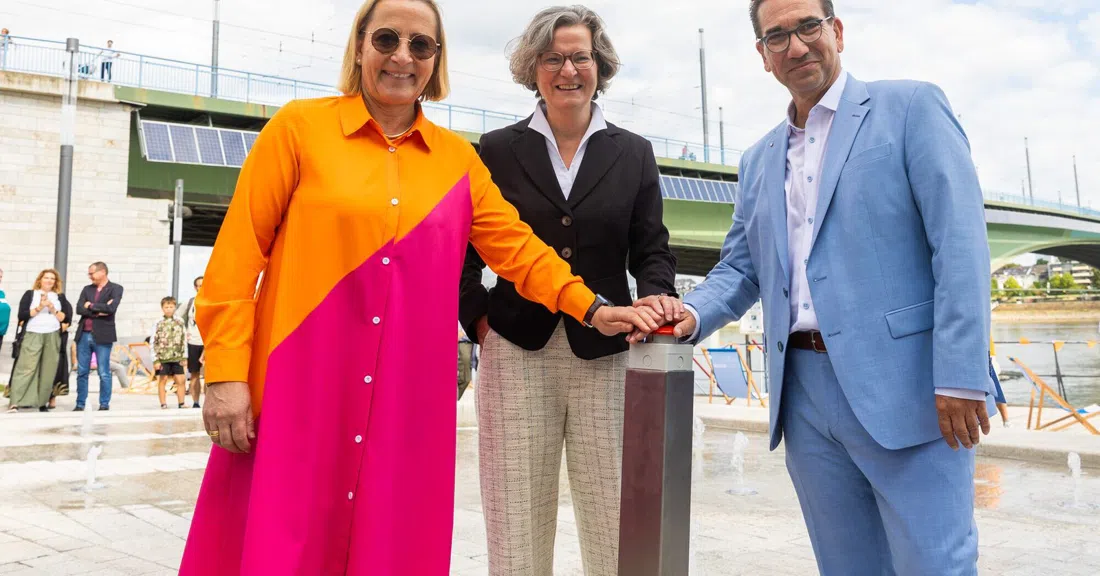
The rebuild is not finished. The next phases begin in 2027 and 2028, so stretches further downstream are still hoardings and machinery. Turn back at Josefstraße rather than pushing on hopefully; there is nothing to gain downstream this autumn.
From the quay below, Bonner Personen Schiffahrt (landing stages below the Alter Zoll) runs scheduled legs up and down the valley from roughly €15–30 a person, more for themed sailings, with group discounts and whole-boat charter available by enquiry form or telephone. Two caveats. The main scheduled season winds down at the end of October, so anything after that needs a phone call first. And high or low water suspends stops without much notice: three of the smaller landing stages are currently not being served for exactly that reason. An hour on deck with a coat on is one of the better uses of a cold bright afternoon; a full-day sailing in late October is a gamble on the timetable.

The gardens peak late here
Freizeitpark Rheinaue (Gronau, south of the museum row) is the single walk that carries a whole afternoon. It is open parkland, with no gate, no booking and no ticket, and it absorbs a large group better than anywhere else in Bonn, which is to say nobody feels herded. Inside it, the Japanischer Garten is small and deliberately quiet; if you have arrived with eight people, split into twos and threes before you go in, and expect the colour to reach its point in the last week of October. The park's flea market is worth timing for, but only just: it runs on scattered Saturdays and stops in mid-October.
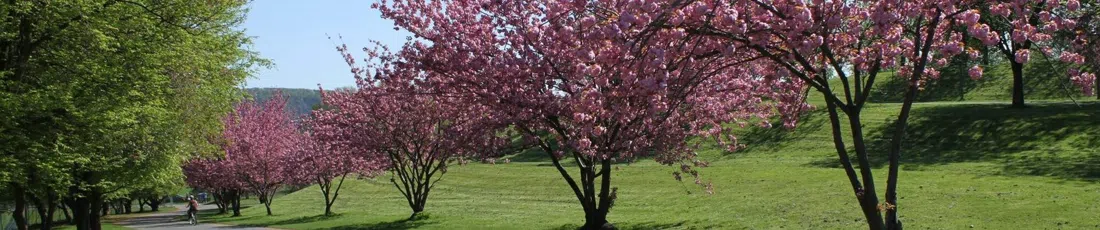
West of the centre, the Botanische Gärten der Universität Bonn (Poppelsdorf, in the grounds of the Poppelsdorfer Schloss) is the visit to get right rather than get lucky with. Summer hours (daily 10–18, Thursdays to 20) run until 25 October 2026. After that the gardens drop to Monday–Friday 10–16 and close at weekends entirely. Since entry is free Monday to Friday and €4 (€2 reduced) at weekends and on holidays, the weekday visit is both the cheaper and the autumn-proof one. The gardens also shut early at dusk, which in late October comes on faster than visitors expect. Guided tours can be arranged in advance by phone or email; otherwise simply walk in.
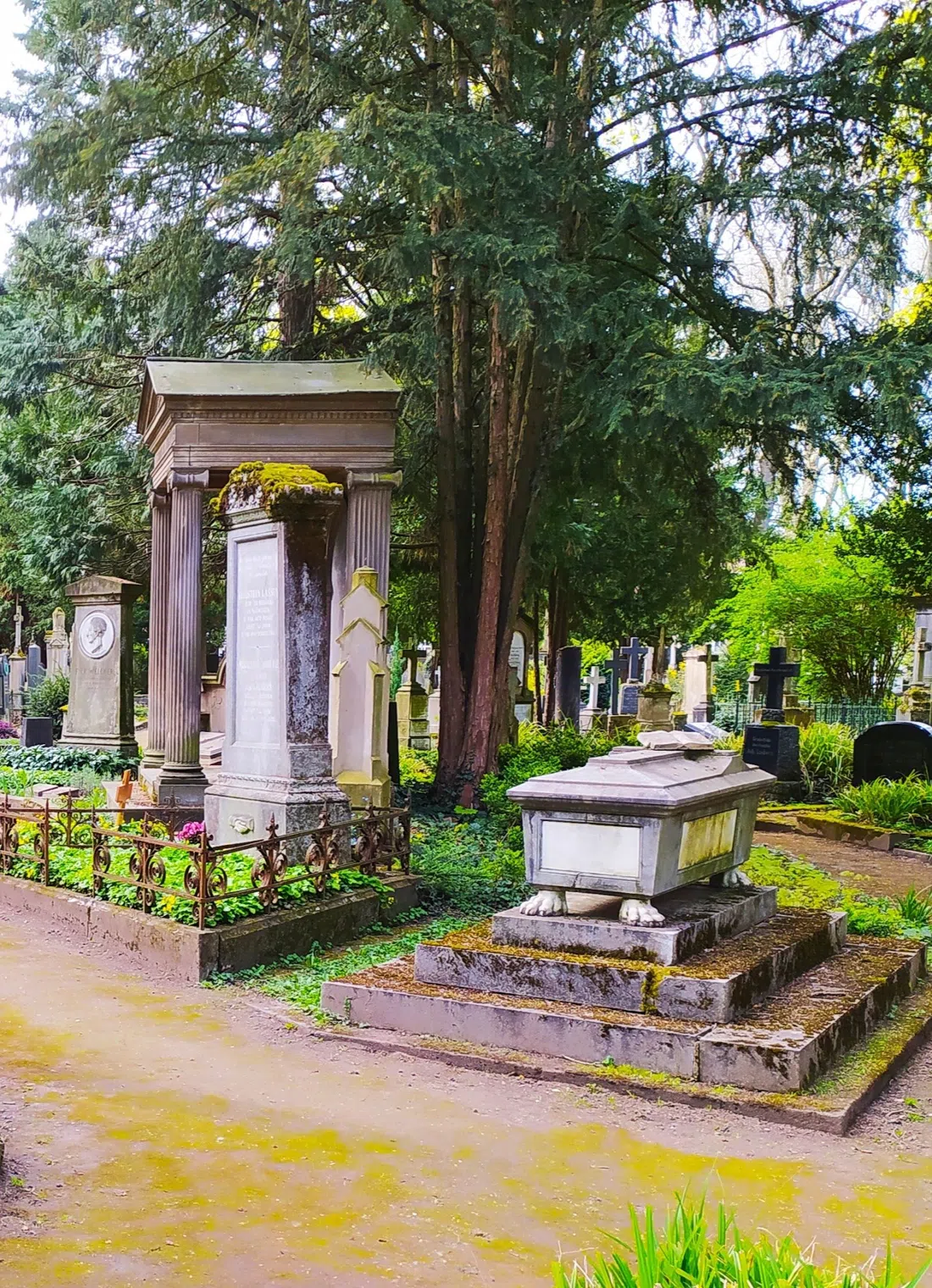
The third garden is not a garden at all. The Alter Friedhof (Zentrum, five minutes' walk from the main station) is a working memorial cemetery, and almost nobody puts it on a day plan, which is the argument for going. Robert and Clara Schumann are buried here, the avenues are old and dense, and the leaf cover in late October is the deepest in central Bonn. It is free, unstaffed and open 07:00–20:00 from March to October, 08:00–17:00 from November. Keep voices down and keep groups small; people still come here to visit graves, not to be photographed around.
An old town you can cross in ten minutes
Bonn's centre is genuinely small, and in autumn that is the whole advantage: two indoor stops and a beer hall sit within a few hundred metres of one another.
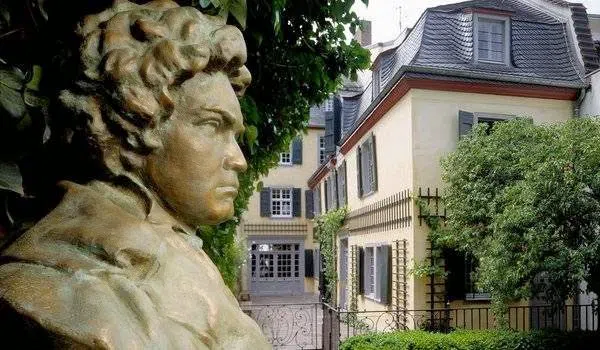
Beethoven-Haus Bonn (Bonngasse, Altstadt) is the composer's birthplace and the reason most first-time visitors come at all. It opens Wednesday to Monday, 10–18; Tuesdays are reserved exclusively for pre-booked groups, so a couple turning up on a Tuesday will find the door shut to them. Standard admission is €15 adult and €10 child, rising to €17 and €12 while the Beethoven by Warhol exhibition runs, from 9 September 2026 to 5 April 2027, and that show is the reason to come this particular autumn. Two things to know before you pay: some pieces from the permanent collection are on loan to it, and the house concerts are paused until spring 2027. Groups can book guided tours at reduced rates.
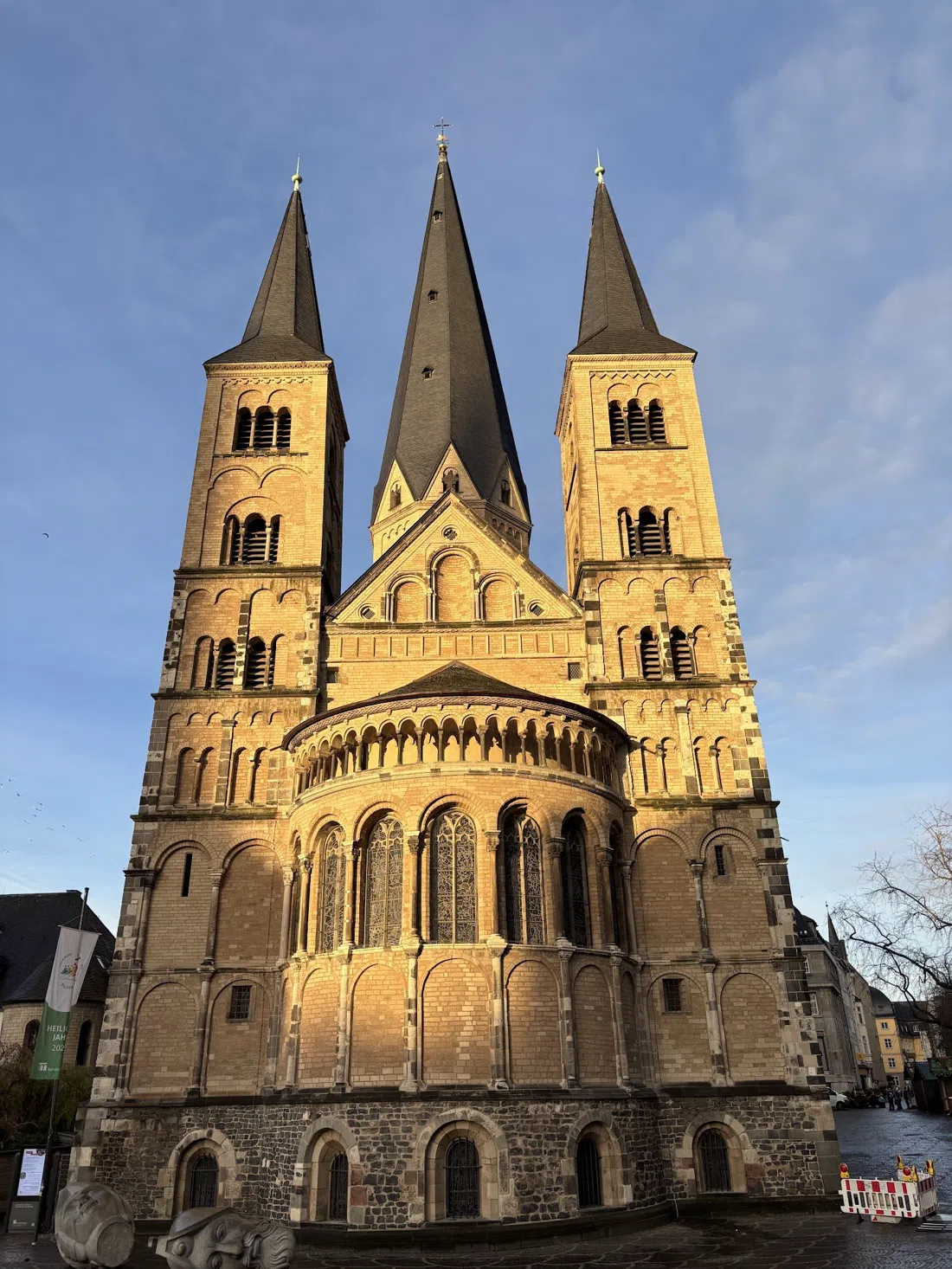
Five minutes away, the Bonner Münster (Münsterplatz) reopened on 31 October 2021 after a five-year restoration, and the interior is still unusually clean and bright for a church of its age; the stonework reads as it was meant to. Entry is free and unbooked. It opens from 07:30 on weekdays, 08:30 on Saturdays, and for sightseeing between 11:00 and 19:00 on Sundays; access stops during mass, weddings and official services, so a wasted walk is always possible. Tours in languages other than German have to be arranged through Bonn Information or the Münster foundation rather than at the door.
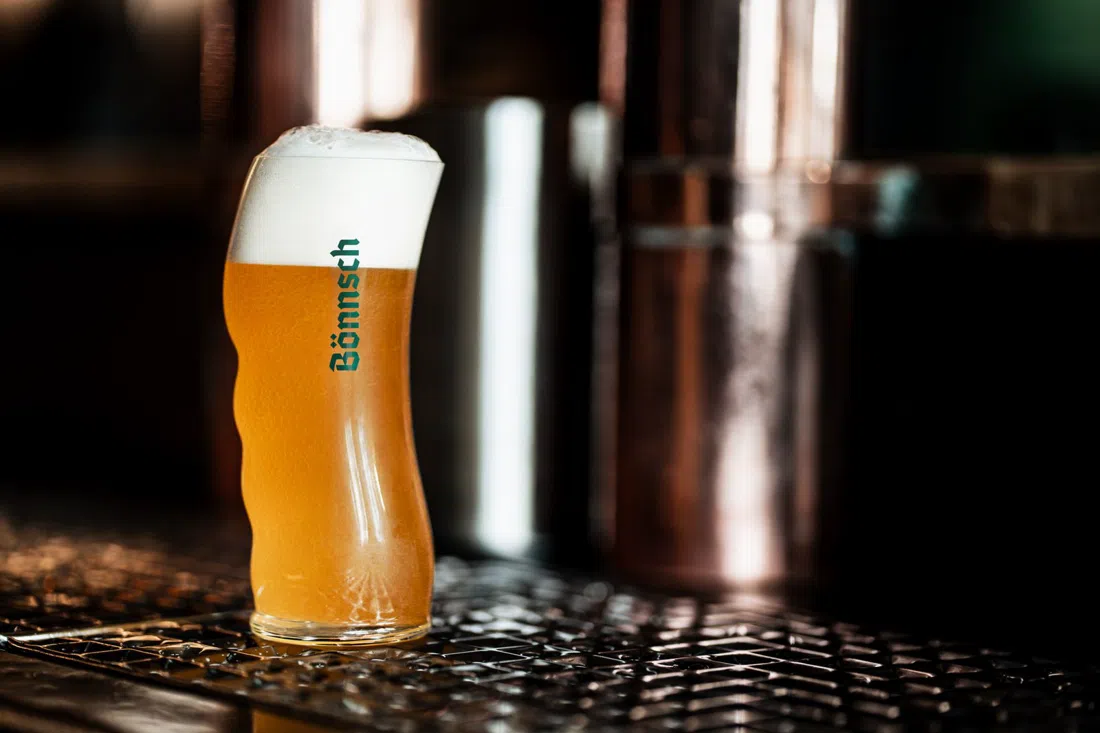
When the light goes, Brauhaus Bönnsch (Sterntorbrücke, Altstadt) is the warm counterweight to a cold day on the river. It has been brewing its own unfiltered Bönnsch on the premises for over forty years, and it stays open late: 11:00–01:00 Monday to Thursday, until 03:00 on Friday and Saturday, from midday on Sunday. Budget €15–30 a head for food and a couple of beers. Couples and pairs can walk in; larger groups should call or email ahead, and there is a separate cellar room for private parties. If there are more than six of you, book.
The museum row when it rains
Bonn's Museumsmeile is a short walk or one Stadtbahn stop from the centre, and it is the reason rain does not ruin a trip here.
Haus der Geschichte (Museumsmeile, Gronau) is free, which makes it the obvious wet-afternoon fallback, and it tells post-war German history in a building that was part of that history. It opens Tuesday to Friday 09–18 and weekends 10–18, closed Mondays. Groups of fifteen or more can book a guided visit in advance. Check one thing before you build an afternoon around it: the Lost Places in Germany exhibition is closed from 19 October to 19 November 2026 for construction work at the neighbouring station.

Next door, the Bundeskunsthalle (Museumsmeile) charges €14 (€7 reduced) for a day ticket, €20 combined, with under-18s free and a group rate of €11.20 per person for parties of ten or more. Large groups are routine here and nobody will blink. It opens Tuesday to Sunday 10–18, Wednesdays to 21. Its roof garden is open during normal hours and is the cheapest high view in the city, worth knowing on a bright cold day when the air is clear. Never Again! Against Forgetting the Crimes of the Nazi Regime opens in October 2026 and runs to May 2027.

Kunstmuseum Bonn (Museumsmeile, Helmut-Kohl-Allee 2) is the one to choose if you only have an hour and care about painting: come for the August Macke holdings rather than the architecture. Entry is €10 (€5 reduced), free for under-18s, €8 and €4 per person for groups of ten or more, and free for everyone on the first Sunday of the month. Bag check is free. Hours are Tuesday to Sunday 11–18, Wednesday to 19. Note the address. The street was renamed, and older guidebooks still print the wrong one, which sends people a block away looking for a building that is in plain sight.

Height without a car
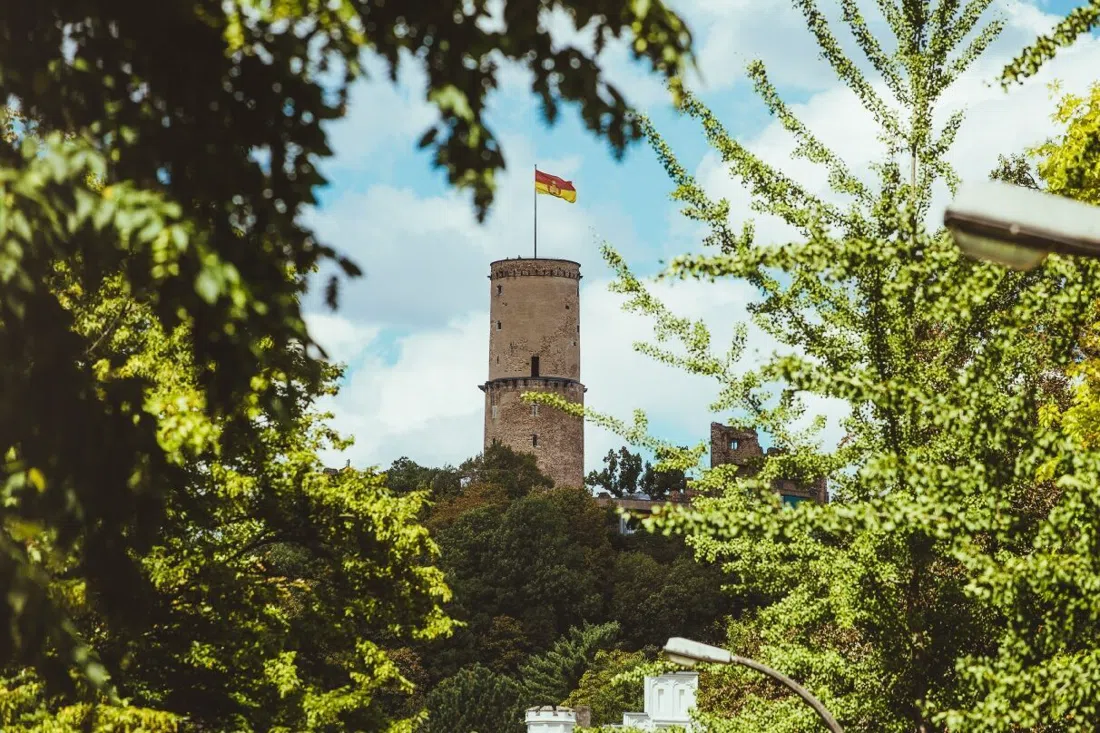
Godesburg (Bad Godesberg, fifteen minutes from the centre on the Stadtbahn) is a hilltop castle ruin with the city, the river and the hills laid out below it. The ruin itself is free and open to any number of people; climbing the keep costs a small fee and is seasonal, roughly April to October, never on Mondays or Tuesdays, and not in rain or after dark. The paths up exceed a ten per cent gradient, which is hard work with a wheelchair or a pushchair and better known in advance than discovered halfway. Restaurant Godesburg takes bookings and is closed Monday and Tuesday.
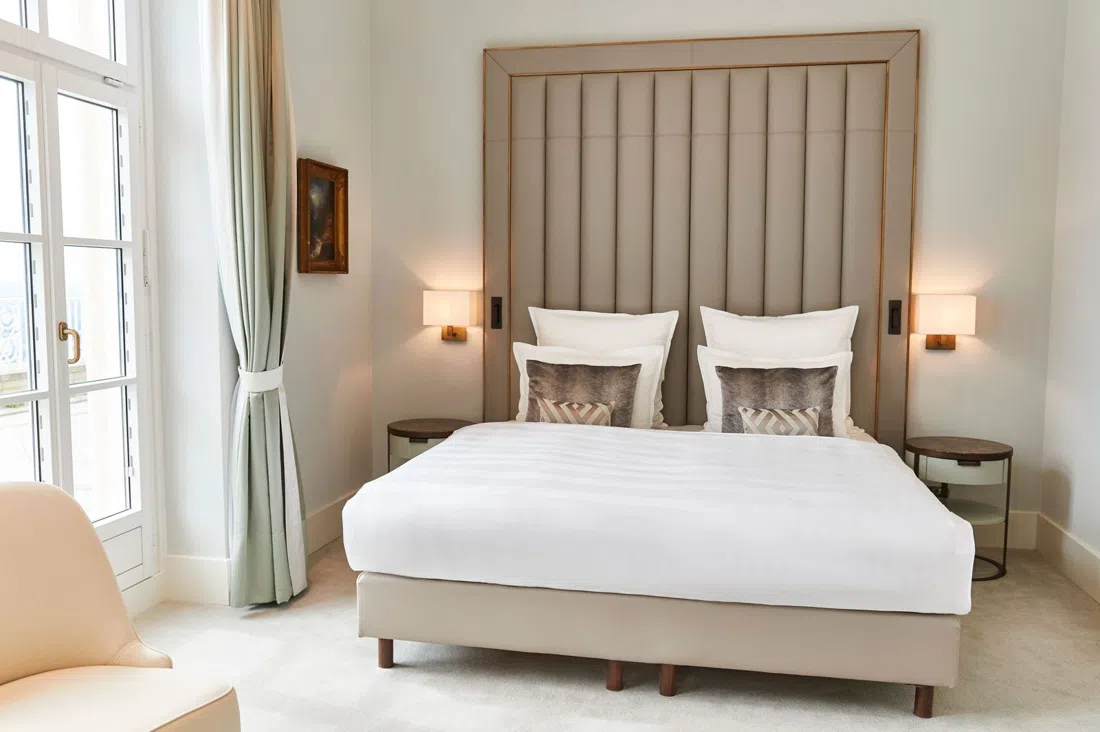
Across the water, the Steigenberger Icon Grandhotel & Spa Petersberg (on the Petersberg, above the east bank) was the federal guest house, and heads of state were driven up it for decades. You do not need to stay to use it: the terrace does coffee and brunch at a fraction of a room rate, and hiking trails start at the door, which is the cheaper way to arrive. Note the rebrand, since it is 'Icon' now and a good number of listings still carry the old name. With fifteen event rooms and terrace access it is built for groups; either way, book the restaurant ahead rather than turning up.
The forest above the city
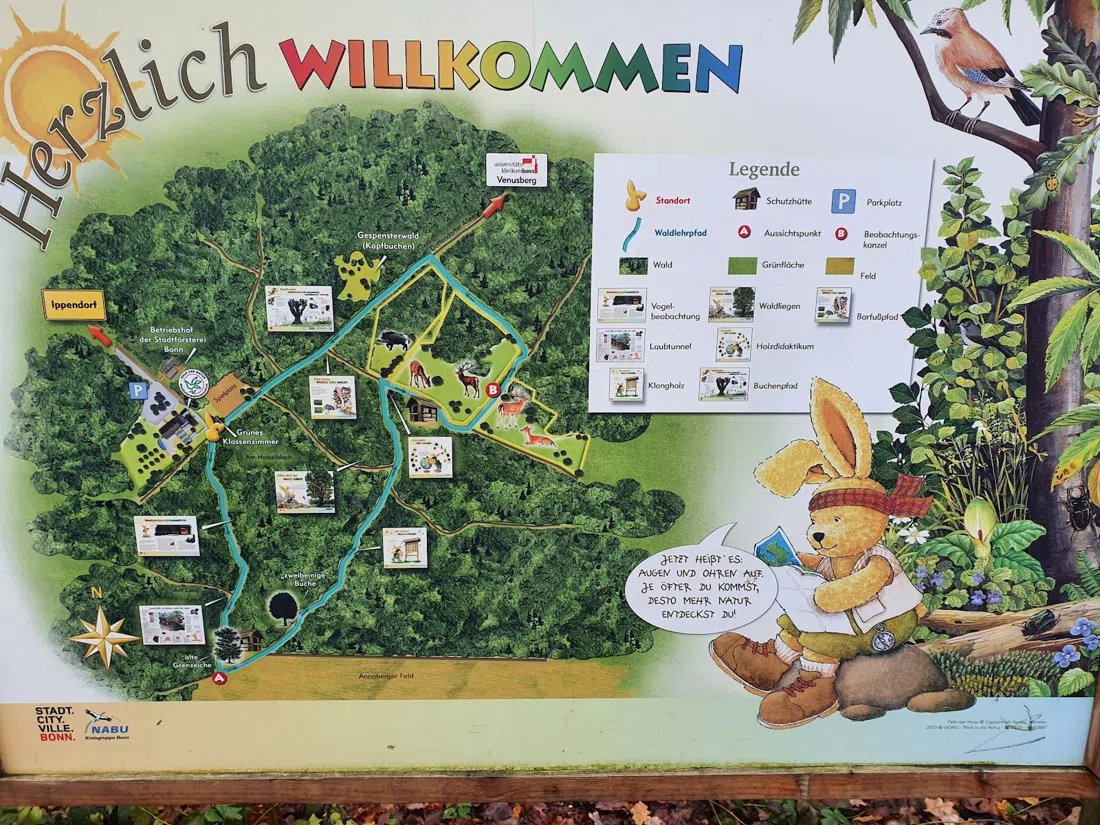
Wildgehege Waldau (Kottenforst, above the Venusberg) is a free deer enclosure in the middle of a working forest, permanently open, unstaffed and available to any size of group at any hour. Autumn is precisely the point: red deer rut from mid-September and fallow deer from mid-October, and the sound of it carries through the trees well before you see anything. Go early, when the mist is still in the beeches. Wild boar are not currently visible because of African swine fever controls across the region, so do not come expecting them. The forest restaurant nearby takes bookings, which is useful if you have walked up rather than taken a city bus.
Two train rides worth a whole day
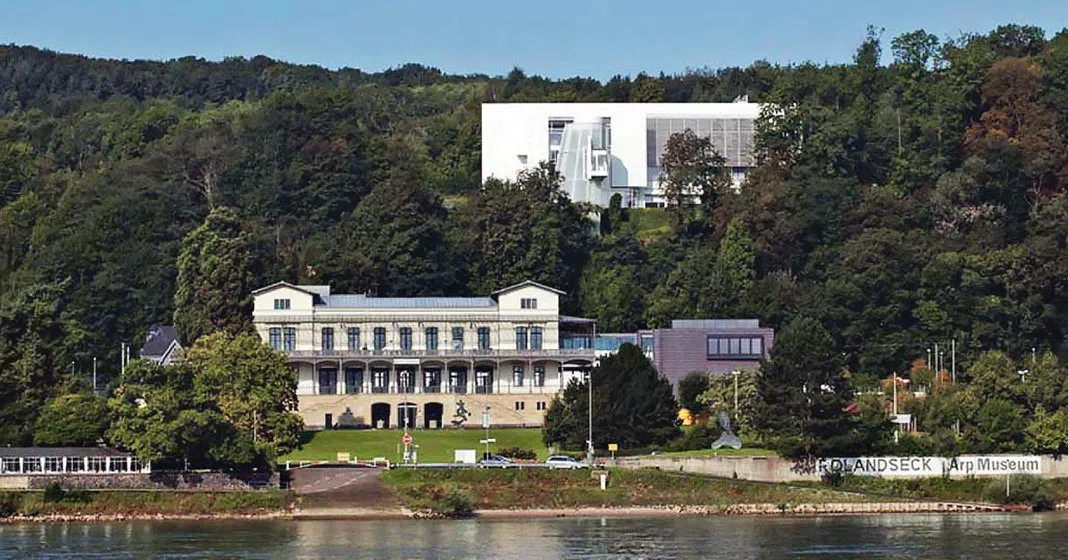
Arp Museum Bahnhof Rolandseck (a working railway station downriver, on the line from Bonn) is the rare museum where the train drops you at the door: a nineteenth-century station hall joined to a modern gallery in the hillside behind it. Entry is €12, €9 reduced, €18 family, free for under-12s and €9 for everyone on Tuesdays; groups of ten to twenty get the €9 rate and all groups must book a slot in advance. It opens Tuesday to Sunday 11–18. Two exhibitions run through the autumn, including a show of Luxembourg old masters from 27 September 2026. Keep the ticket. It doubles as a free same-day return on local buses and trains.
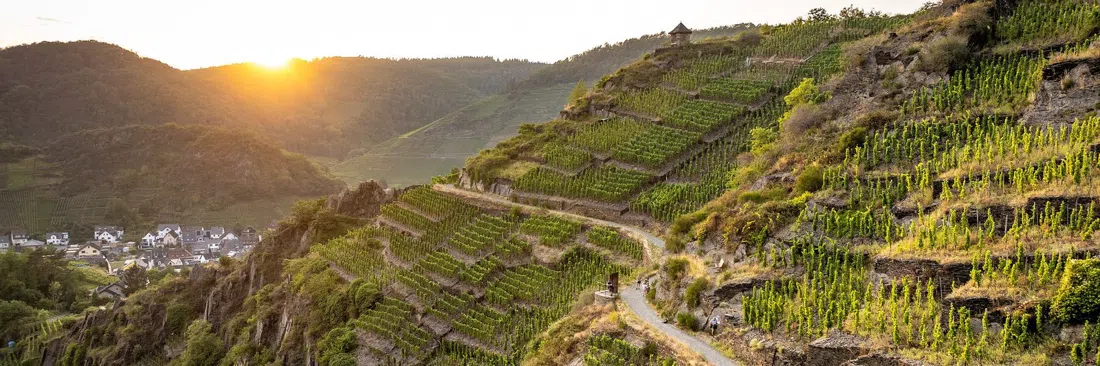
The Rotweinwanderweg (Ahr valley, an hour or so out by regional train) is the walk that makes a Bonn autumn worth extending by a day: 36 kilometres in three stages, linking eight wine villages through terraced red-wine slopes that turn properly in October. The trail is open, free and needs no permit, and the villages are used to walking groups, though tastings and a Straußwirtschaft table should be booked ahead in October. The railway makes it straightforward again. The Ahrtalbahn reopened fully on 14 December 2025, rebuilt and electrified after the 2021 flood, so the valley is reachable by train from the Rhine-side junction rather than by an awkward chain of buses. Sections of the path were rebuilt after that flood; ask locally before committing to a specific stage, and pick one stage rather than trying to do the lot.
Practical notes
Nothing in this guide needs a car. The Stadtbahn, city buses and regional trains sit on one regional ticket; a day ticket pays for itself the moment you make two trips, and the museum row, Bad Godesberg and the downriver station are all on it. Walking distances in the centre are genuinely short: station to Münster to Beethoven-Haus to riverbank is under half an hour on foot, taking your time.
Late September to the end of October is the window. Colour peaks in the last week of October in the Rheinaue's Japanese garden and the Alter Friedhof; the botanical gardens switch to short winter hours on 25 October; the scheduled boat season ends around the same time; and Godesburg's keep closes for the winter. After the first week of November you keep the museums and lose most of the rest. Daylight goes early, so plan outdoor things before 16:00.
Cash still matters at small kiosks, forest restaurants and village Straußwirtschaften, so carry some rather than relying on a card everywhere. A realistic day runs €0 if you stick to the promenade, the parks, the Münster, the cemetery, the deer enclosure and Haus der Geschichte; €25–40 with one paid museum and lunch; €60–80 with the Beethoven-Haus during the Warhol show, a boat leg and dinner at the brewpub.
The Altstadt puts you inside walking range of everything in the first half of this piece, and Poppelsdorf is quieter and only slightly further out; compare rates and locations through Bonn hotel search. For the rest of the city, its districts, its food, and what to do outside autumn, start with our Bonn guide.
The parks, the promenade, the Münster, the deer enclosure and the Godesburg ruin take any number without warning. The Japanese garden, the cemetery and the Beethoven-Haus rooms do not, so split up or book. And three places will simply turn you away unprepared: the Beethoven-Haus on a Tuesday if you are not a booked group, the downriver art museum if your group of ten-plus has no slot, and the Petersberg restaurant on a bright Sunday.