The Bonn issue
Getting Around Bonn When the Departure Board Turns Red
Six Stadtbahn lines under the station, four regional services one stop south, three working ferries and a walkable bridge: how to keep moving in Bonn when the rails let you down.

By Camille LefèvreBonn on foot, one neighbourhood at a time
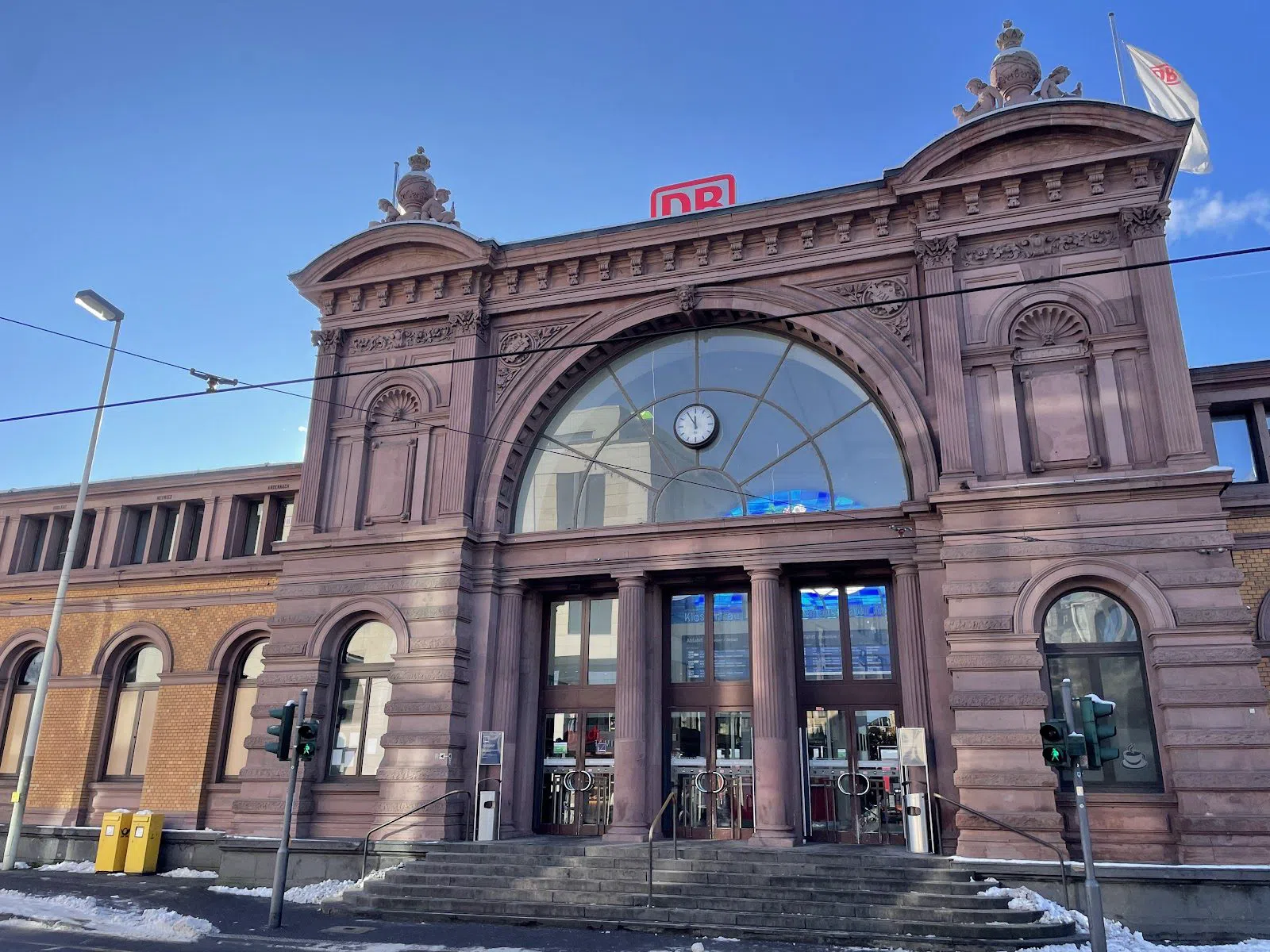
Bonn's departure board fails in stages. First a delay counted out in five-minute increments, then a platform change, then the flat red line that empties a platform in under a minute and funnels two hundred people onto one escalator. What rescues the evening is that this city has never run on a single line: six Stadtbahn lines pass beneath the main station, four regional services call one stop to the south, three ferries still cross the Rhine, and the bridge you can walk is frequently quicker than the bus queuing to cross it.
Go downstairs before you give up
Bonn Hauptbahnhof (Zentrum) is a modest station doing a large job: five tracks and three platforms at street level, six Stadtbahn lines in the tunnel beneath, and the airport bus at the kerb outside. Every backup plan in the city turns on it, and the consequence is worth memorising before you need it. When a regional train dies here, the alternative is usually one escalator away rather than one hour away.
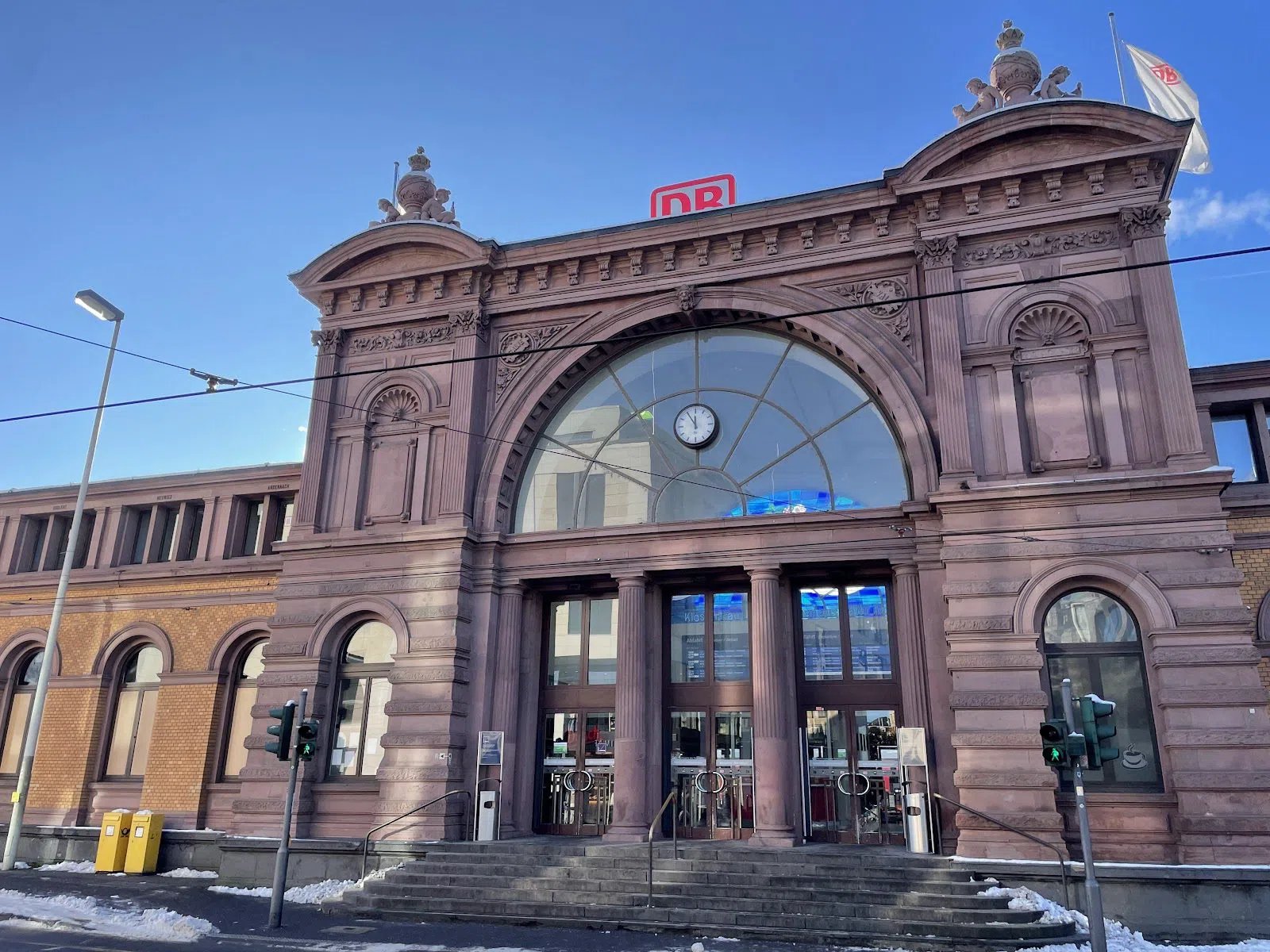
There is no door policy and nothing to pay to enter, and groups are fine on the concourse. The friction is underground. The B-level passage is narrow at peak, and the rebuilding of the bus station has fenced off sections of the surface, so the walk from a mainline platform to a Stadtbahn platform or a bus stand takes longer than the signage implies. Allow ten minutes for a connection you would elsewhere make in four, and more if you are shepherding luggage or children. City journeys sit at Rheinlandtarif fare level 1b, the number you will see quoted on almost everything inside Bonn.
The habit to break is standing under the board waiting for a revision. Go down, look at what is leaving in the next six minutes, and treat the tunnel as the first alternative rather than the last.
Plan your Bonn trip
Live prices from our booking partners.
Free cancellation on many rooms. We may earn a commission when you book.
Four regional lines one stop south
Bonn UN Campus station (Gronau, below the old parliamentary quarter) is the most under-used piece of infrastructure in the city. Bonn spent four decades as the seat of the West German government, and the long tower and low halls that once housed it now carry United Nations offices; the railway halt built to serve them sits a single stop south of the Hauptbahnhof and is served by four separate lines: RE 5, RB 26, RB 30 and RB 48.
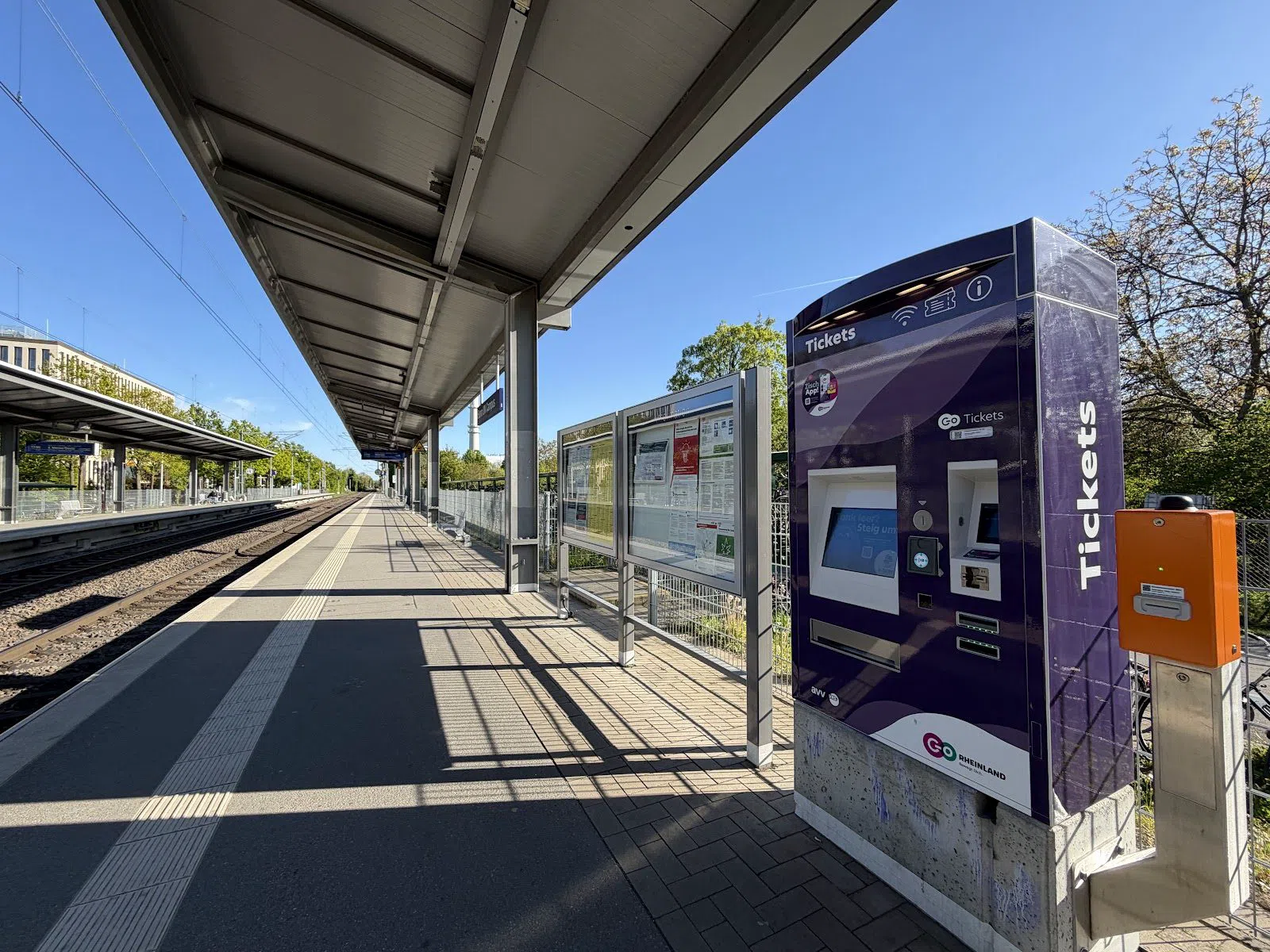
That matters on a bad evening. If the Hbf board has gone red because one line's stock is stuck somewhere up the corridor, the other three may be running normally, and they call here. A short Stadtbahn hop or a twenty-minute walk south gets you to a platform with four chances instead of one, on a standard regional fare (fare level 1b if you are staying inside Bonn).
Be realistic about the halt itself. It is small, with limited shelter, and in weather it is unpleasant for more than a handful of people. A couple with a rucksack each will be comfortable; a party of eight with suitcases will not, and should stay in the warm at the Hauptbahnhof and take the extra risk instead.
The back door to the high-speed network
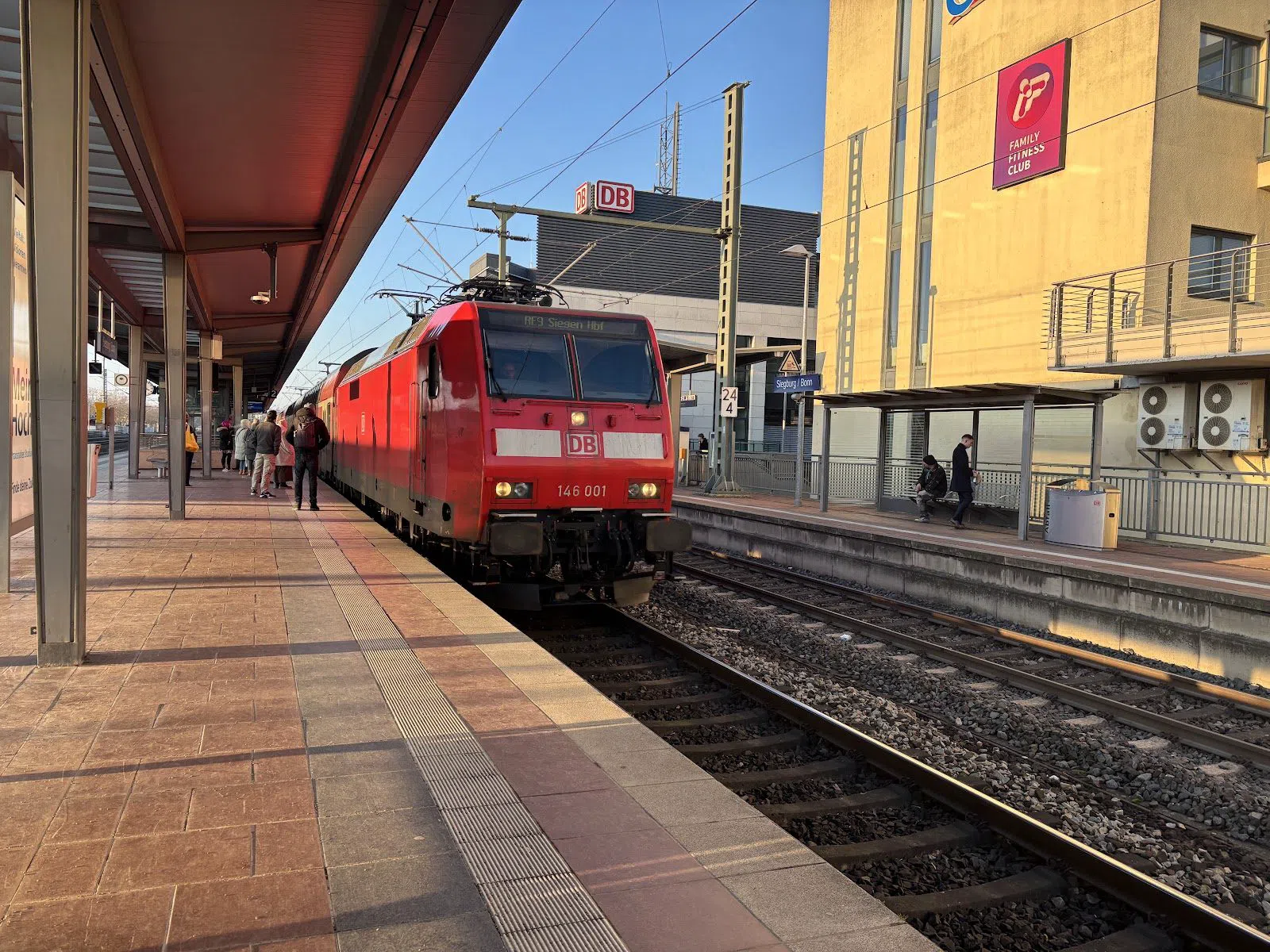
Siegburg/Bonn station (east of the city, twenty-odd minutes out) answers a specific problem: your long-distance train is cancelled and the left-bank line through Bonn Hbf is the reason. Siegburg sits on a completely different alignment, reached from Bonn by Stadtbahn line 66 in roughly 20 to 25 minutes, and it puts you on the high-speed network with ICE departures that cover an hour's worth of ground in an hour.
Line 66 suits luggage. The vehicles are low-floor with wide doors, so a group with wheeled cases boards without the lifting-and-apologising routine that makes ordinary tram travel with luggage miserable. The leg to Siegburg is a normal transit fare; the ICE beyond it is priced as ICE tickets always are, which is to say variably and better in advance.
The trap is timing. Twenty-five minutes on the 66 plus the walk at each end is close to forty door to door, so this is a decision you take at the moment of cancellation, not after twenty minutes of hoping.
The right bank is on buses until December
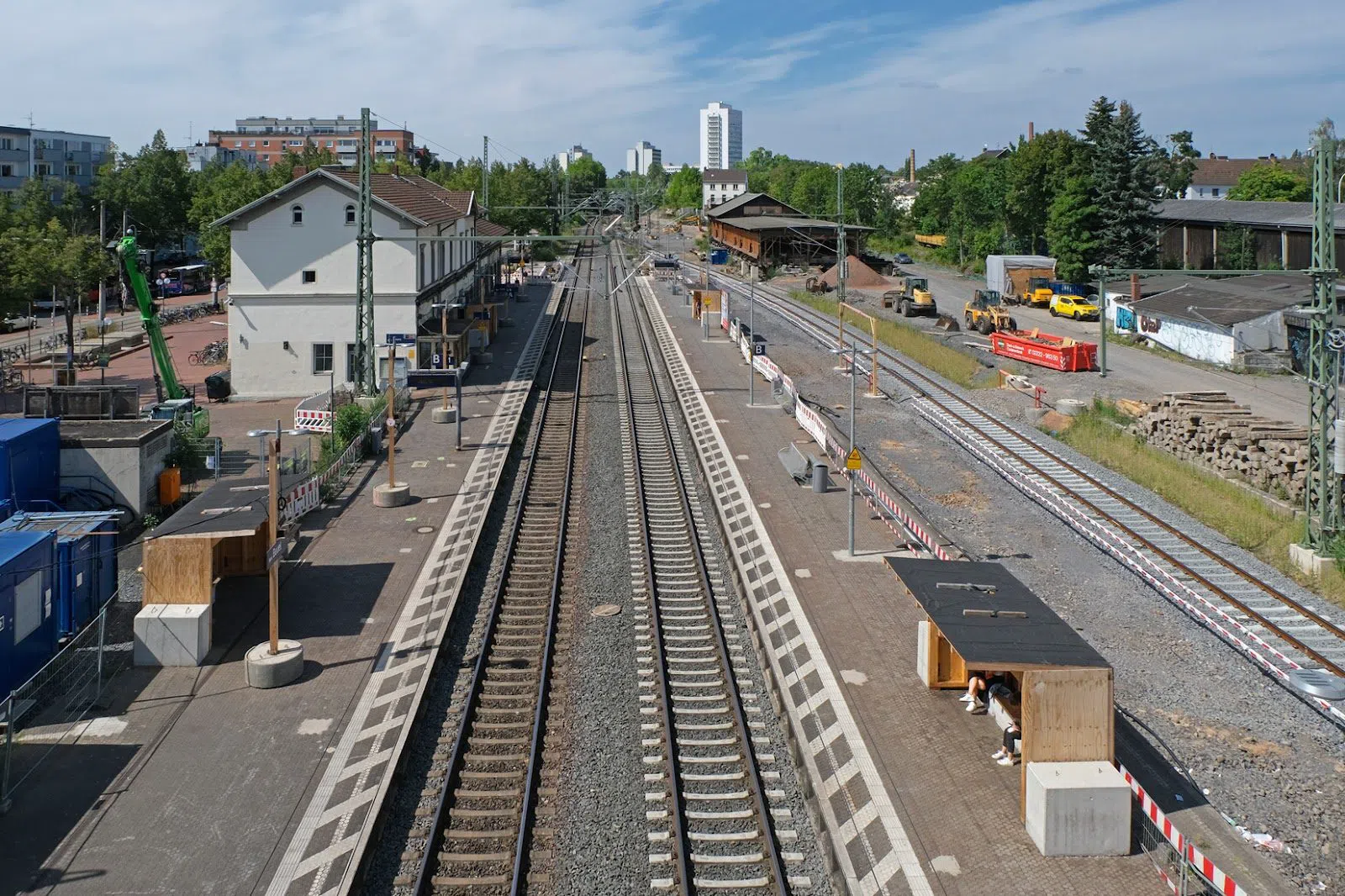
Bonn-Beuel station (Beuel, right bank) needs a warning attached to it rather than a recommendation. The right-bank corridor it sits on is closed for renovation from 10 July to mid-December 2026, so the trains you might expect here are replacement buses for the duration. Fares are unchanged, standard regional, but the journey is not, and the bus stop area gets congested while the works are on. With a group, add a clear fifteen minutes and stand where you can see the boards.
The compensation arrives at the end of the year, when the corridor reopens with an S13 connection from December 2026. Until then, treat Beuel as a place you reach by Stadtbahn, on foot or by bike from the left bank, and not as a station you plan a rail journey around.
What the Stadtbahn can and cannot do
SWB Bus und Bahn (citywide) runs the nine-line Stadtbahn and the bus network, and sells through the easy.GO and BONNmobil apps. It is the spine of any recovery plan here, with one caveat: a fleet-wide inspection order pulled 60 of the 75 vehicles from service in July 2026, and returns have been slow. In practice that means gaps longer than the timetable promises and vehicles fuller than they should be, particularly in the early evening. Check the live departure in the app rather than trusting the printed headway, and if two services are shown at the same minute, take the first one that actually appears.
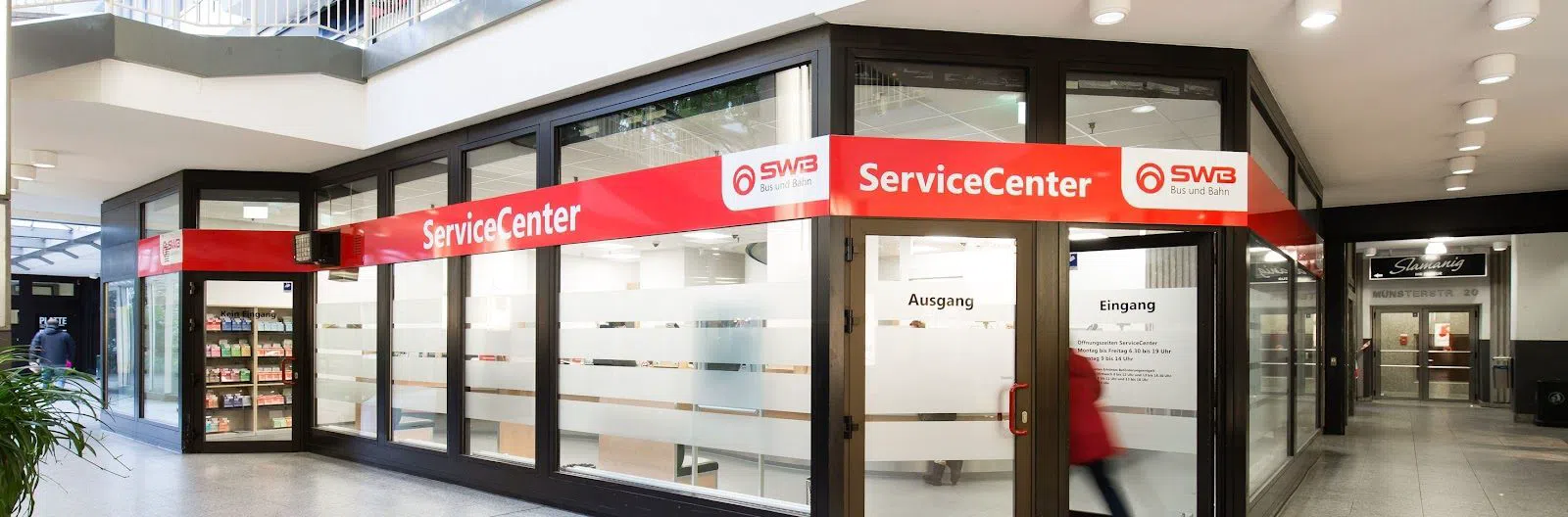
The ticketing is unusually generous if you are travelling in company. Bonn sits at fare level 1b, and the Lead City Ticket carries a group of up to five all day on one fare, comfortably the cheapest way to move a family or a small party around the city, and cheap enough that improvising a detour costs nothing. Anyone staying longer than a few days, or combining Bonn with regional trips, should look at the Deutschlandticket at €63 a month, which covers the Stadtbahn, the buses and the regional trains.
The ferries are part of the transport network
The Rhine here was crossed by boat long before it was crossed by bridge, and the ferries never fully surrendered the job. In 2026 they are doing it again in an official capacity.
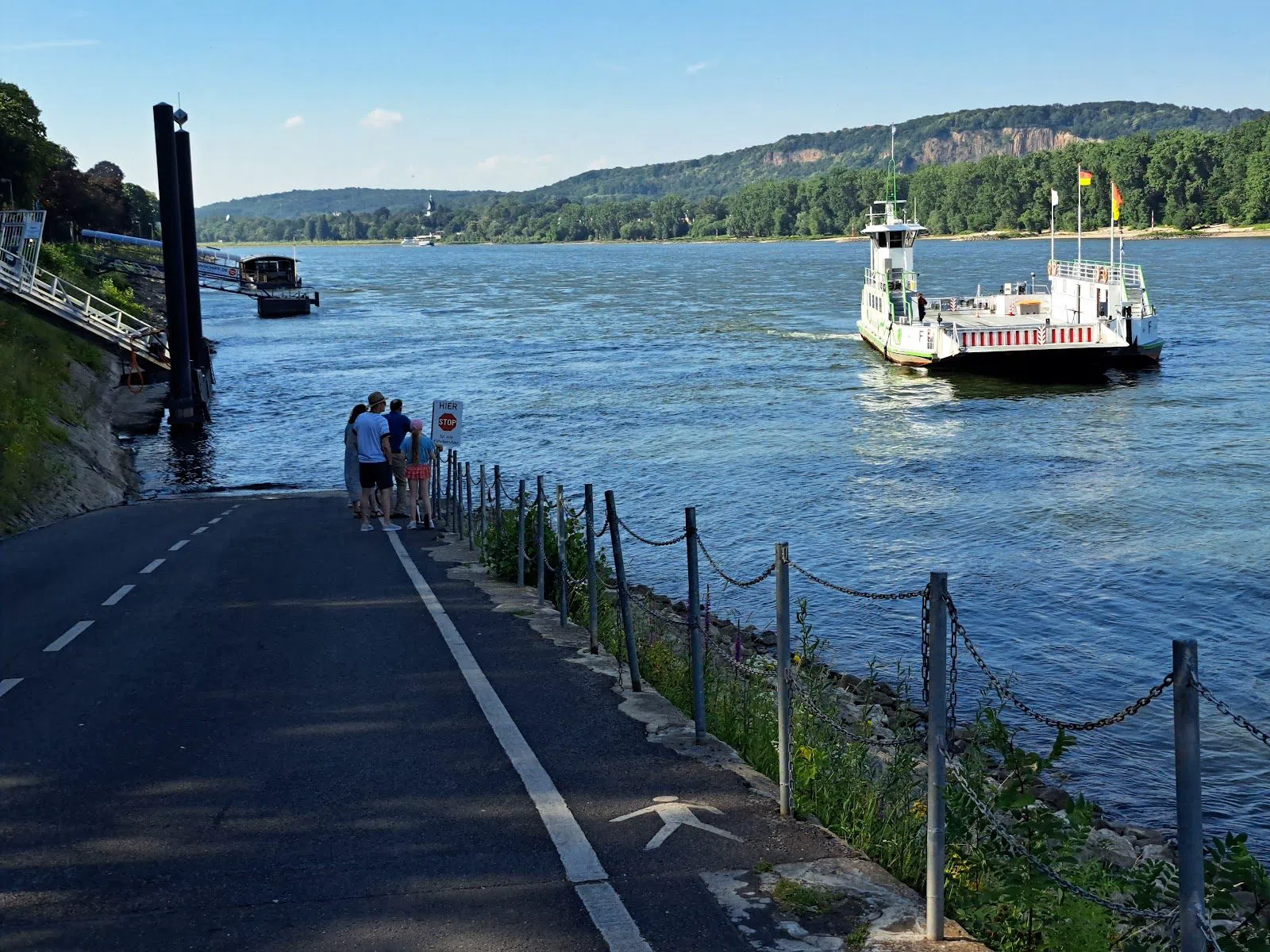
The Rheinfähre Königswinter — Bonn-Mehlem (Mehlem, in the south of the city) is the one to know. go.Rheinland folded it into the formal rail replacement arrangements, so a valid VRS or Deutschlandticket buys pedestrians and cyclists a Rhine crossing at no extra cost until 11 December 2026. Motorists are excluded from that deal. It is walk-on and frequent, there is nothing to book, and cyclists board without a separate bike ticket, which makes it the rare piece of transport that handles a group of ten as easily as a couple. It also happens to offer the best view of the hills you will get without climbing them.
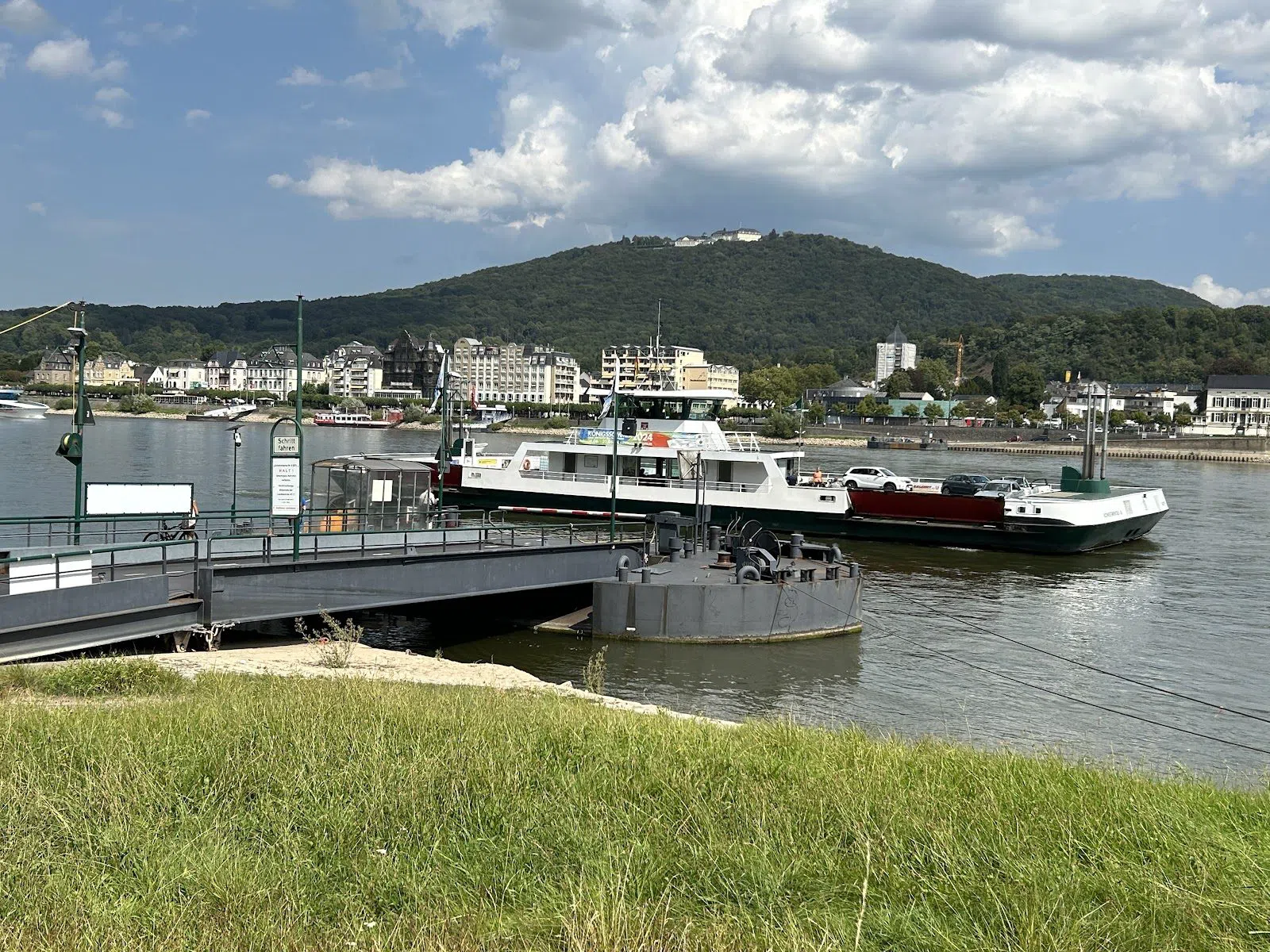
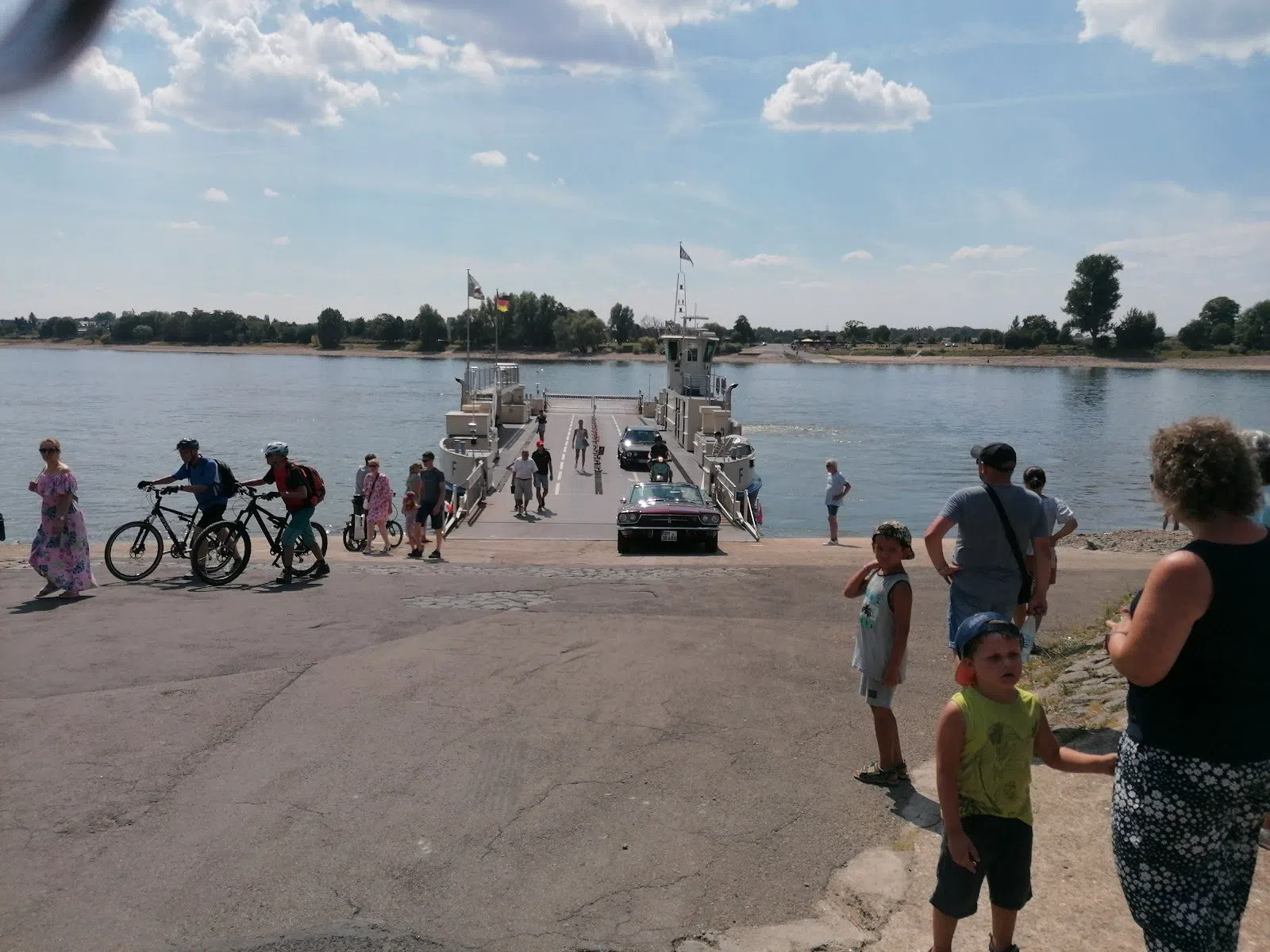
The Rheinfähre Mondorf (north of the centre, beside the closed North Bridge) runs daily from 6am to 9pm with a second boat at peak times, and matters as much as it does because the bridge above it is out. Foot passengers and cyclists are always fine at a few euros a head; vehicles pay more, capacity is limited, and a convoy of two or three cars will wait for successive sailings. Check two constraints before you commit: a 7.5-tonne limit imposed on 7 August 2026, and Rhine low water, which can stop the service with no notice at all.
The Rheinfähre Bad Godesberg — Niederdollendorf (Bad Godesberg) is the southern crossing that reconnects the spa district to the hills on the far bank. On foot it costs low single-digit euros, there is no booking, and groups simply walk on. It is also the most weather-dependent option in this article, since record Rhine low water halted it from 1 to 20 August 2026, so it belongs in a plan only after you have confirmed it is sailing that day.
The bridge you can walk
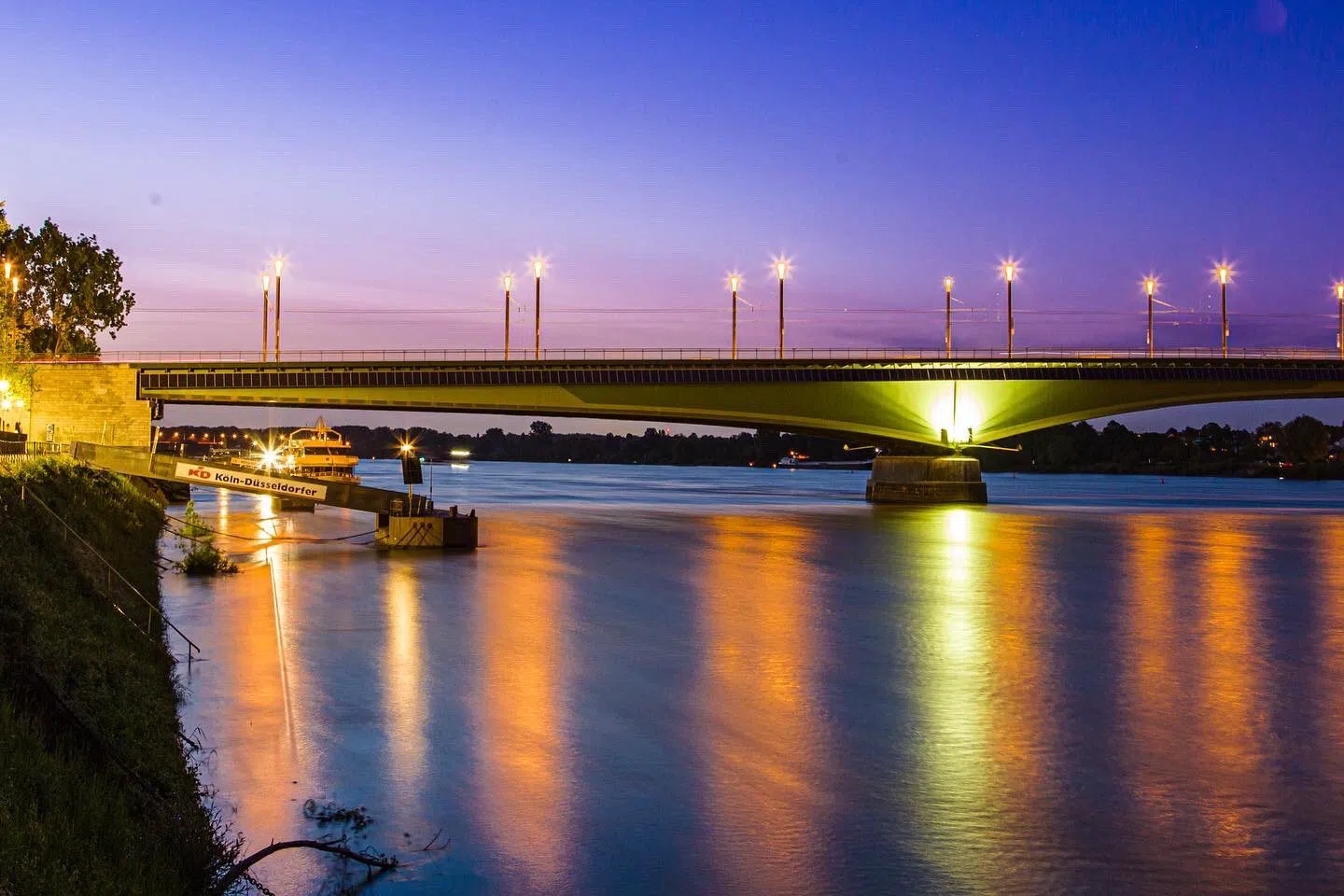
The Kennedy Bridge (linking Zentrum and Beuel) earns its place here precisely because it is unglamorous. With the North Bridge shut until roughly 2028, cross-river bus traffic funnels onto it and crawls at peak. Walking or cycling is free, possible at any hour, and often the fastest way from the centre to Beuel, which surprises people holding a valid transit ticket in a stationary bus.
The walk is a good one on its own terms. From the Hauptbahnhof, go east past the Münsterplatz, through the Markt with the pink baroque town hall at its head, and out along Berliner Freiheit to the bridge; the whole thing is around twenty-five minutes at a conversational pace, most of it through the pedestrianised core, and it ends with the river opening out on both sides. The deck is wide enough for a group to walk abreast without dividing.
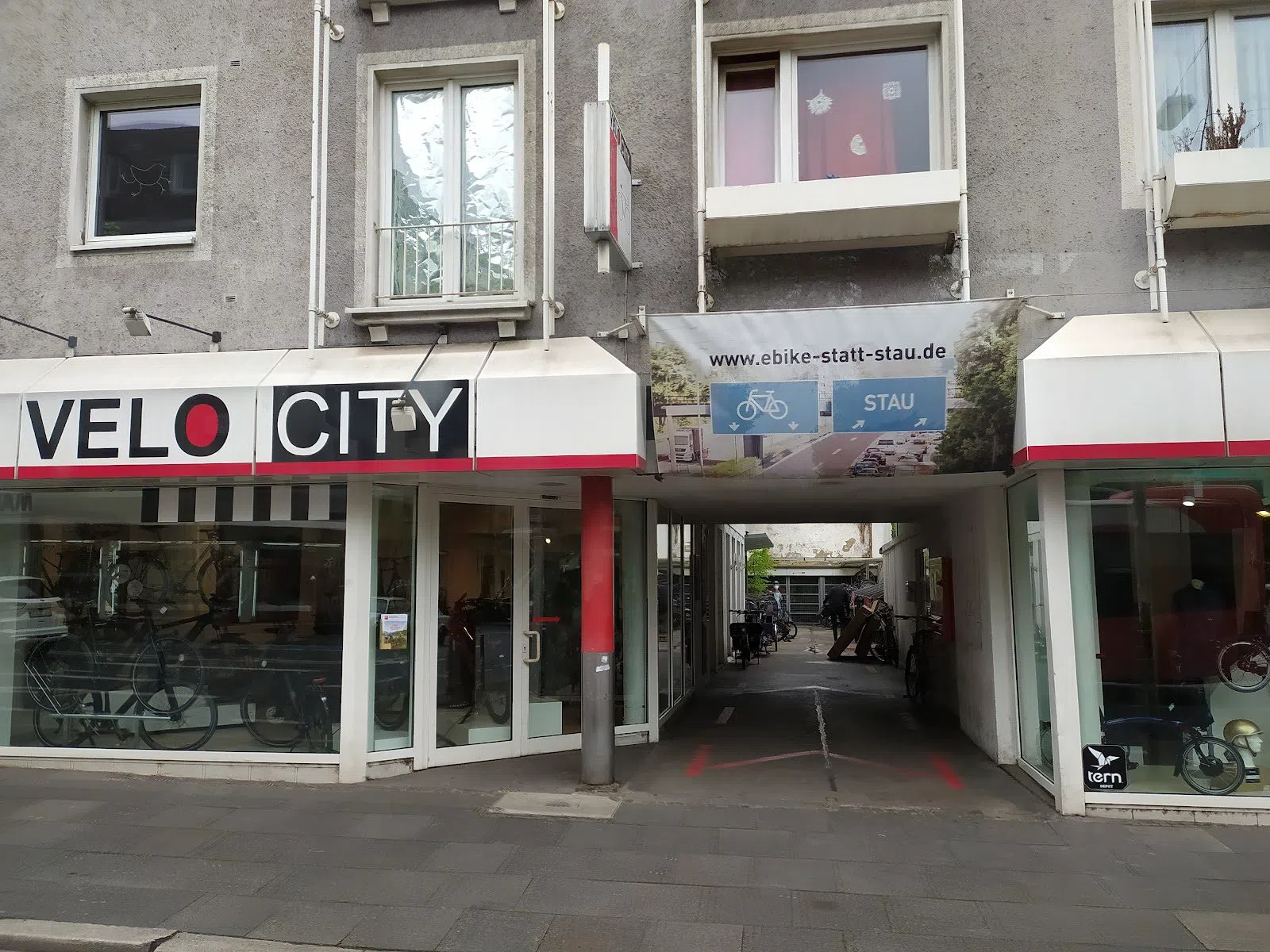
welo (citywide, plus 19 Rhein-Sieg towns) is the bike-share to use, and the name matters: the old separate Bonn scheme was merged into welo in September 2025, though rentals still run through the nextbike app. Classic bikes are €1 per 15 minutes, e-bikes €2 per 30 minutes, with discounts for transit subscribers. Station stock varies through the day, so a group of four should plan to split pickups across two nearby racks rather than expect four bikes in one place.
Bolt (citywide) is one of six licensed e-scooter operators here, alongside Dott, VOI, Lime, RideMovi and Ryde, at roughly €0.19 a minute with no unlock fee. Every rider needs their own account and their own scooter, and availability thins noticeably late at night, which is exactly when people want one. Know the two bans before you are fined for breaking them: scooters are not allowed on SWB trains, nor in the pedestrian zone covering the Markt, Münsterplatz and Friedensplatz, nor on the Rhine banks.
Four wheels and the number worth saving
cambio CarSharing Bonn (22 stations, including one at the Hauptbahnhof) is the sensible answer when your destination is genuinely off the Stadtbahn map. You book by the hour and pay an hourly rate plus a per-kilometre charge, and larger vans are available at selected stations if you are moving people and luggage together. Registration has to be done in advance, so this is a plan you make on the first day of a trip, not at 9pm on the fourth. The North Bridge closure also makes any northern river crossing by car slow, which erodes the advantage of driving in exactly the direction people most often want to drive.
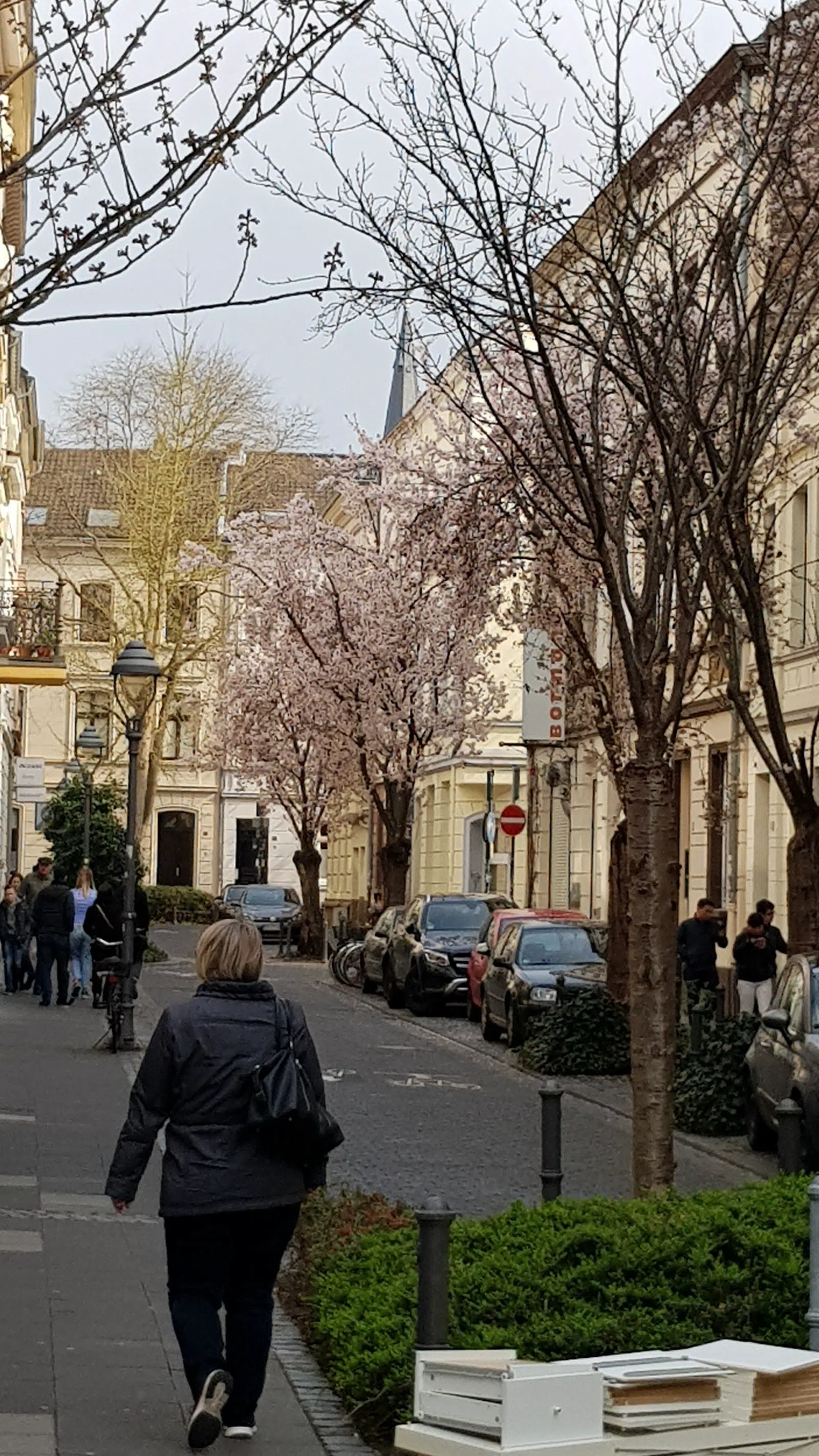
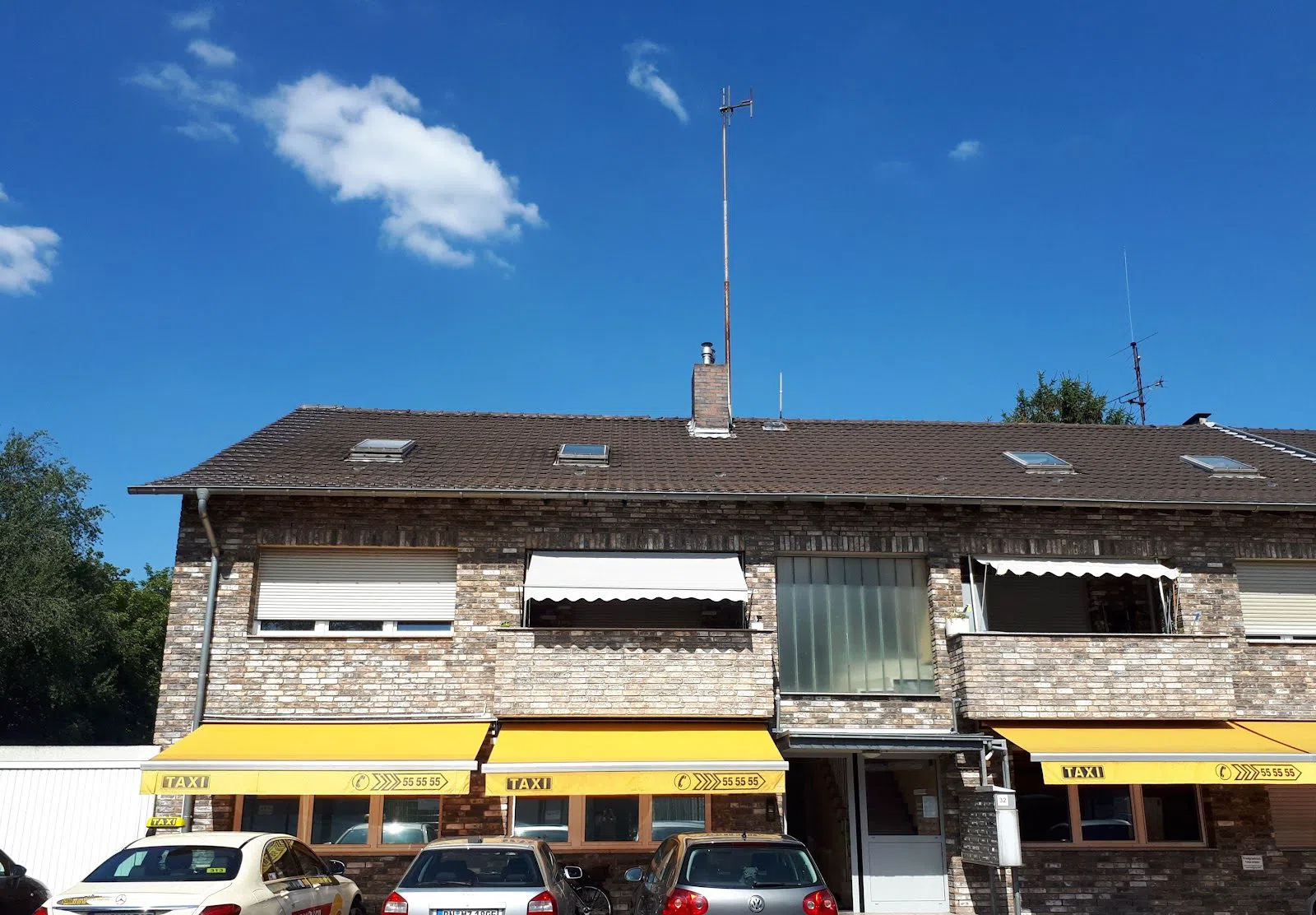
Taxi Bonn eG (citywide, with the rank outside the Hauptbahnhof) is the genuine 24-hour fallback, on 0228 555555 or through the Taxi Deutschland app. Fares are metered on the regulated Bonn tariff, standard cars seat four, and larger vans can be booked by phone with a little notice. Visitors from cities where an app summons a car in ninety seconds should recalibrate: German passenger transport law keeps conventional ride-hailing thin here, so the rank and the phone number are the real backup, not the app you use at home. Save the number now.
Two independent routes to the airport
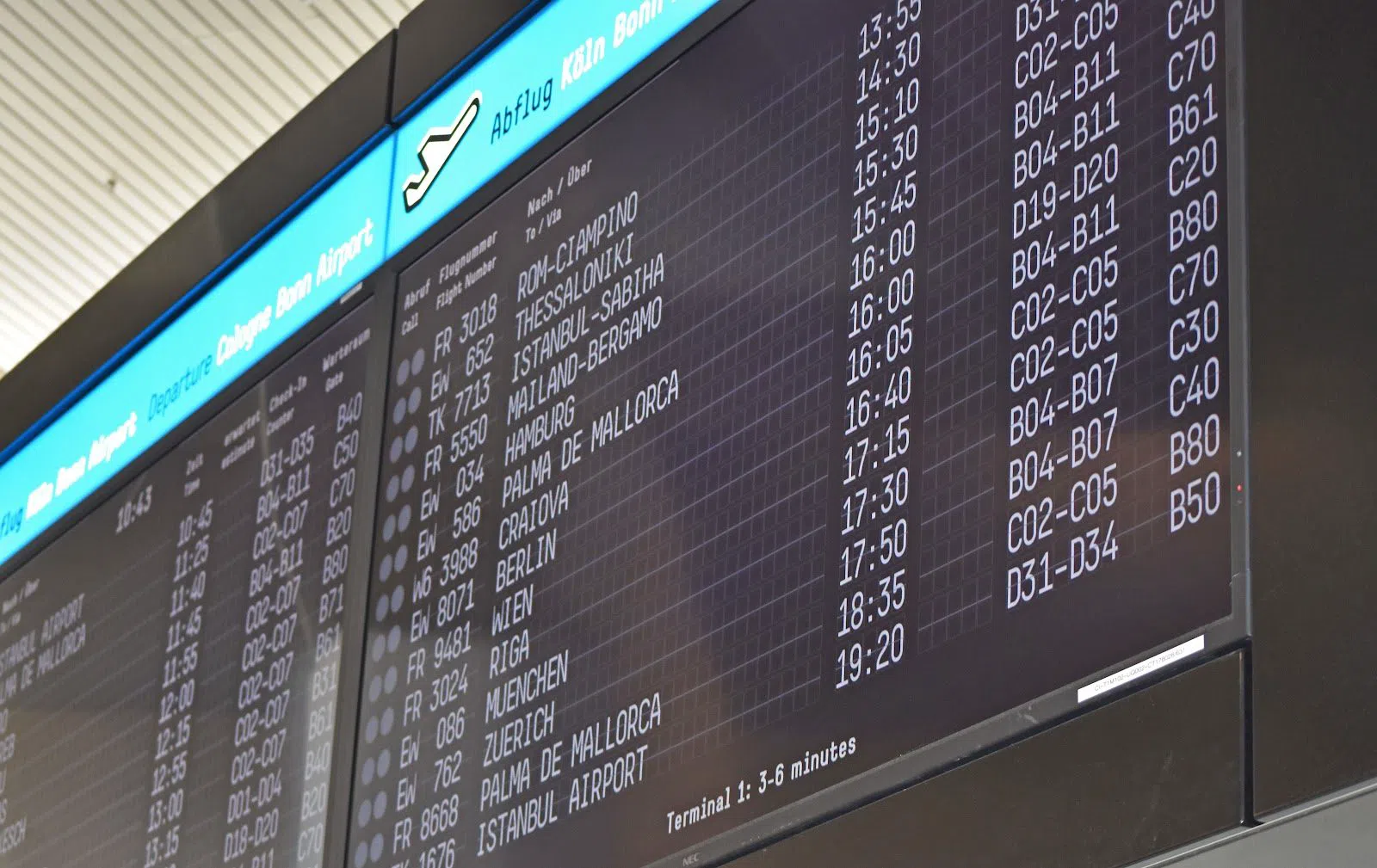
Köln/Bonn Airport (northeast of the city) is one of the few destinations around Bonn with a true plan B, because it is reachable two ways that do not share a failure point. The SB60 Airport Express leaves from Bonn Hbf, and S13/S19 trains reach Bonn Hbf in about 25 minutes. If one is broken, the other usually is not. Fare level 3 applies from Bonn, and the airport bus runs at the standard transit fare rather than a premium one.
The airport itself is fully accessible and unrestricted, and the bus takes groups with luggage without drama. One current wrinkle: the SB60 is diverted via the Kennedy Bridge and skipping intermediate stops, so board it at the Hauptbahnhof rather than at a stop you assumed it still served. For an early departure, build the flight plan around whichever of the two options runs earliest, and hold the taxi number in reserve for the pre-dawn hour when neither is frequent.
Practical notes
Transport. Bonn is fare level 1b; the airport is fare level 3. The Lead City Ticket covers up to five people all day and is the default for any group. Stays of a week or more usually justify the Deutschlandticket at €63 a month. Buy through easy.GO or BONNmobil, and keep the ticket on a phone with battery to spare, since inspections continue regardless of how badly the network is running.
Cash. Ferries, taxis and the smaller kiosks are friendlier to cash than the apps suggest, and a €20 note in a pocket solves the ferry crossing that your ticket does not cover. Card is accepted almost everywhere else.
Timing. Add ten minutes to every Hauptbahnhof connection while the bus station works continue, and fifteen at Beuel. Check the Mondorf and Bad Godesberg ferries the same morning you intend to use them, because low water stops them without warning. Scooter availability collapses after midnight; the taxi rank does not.
Budget. A day of unlimited city travel for a group of five costs one Lead City Ticket. A bike is €1 per 15 minutes, a scooter roughly €0.19 a minute, a foot-passenger ferry crossing a few euros or nothing at all with a valid transit ticket, and a metered taxi across the river the price of an unhurried lunch. On a normal day you will spend very little; on a bad one, the difference between a wasted evening and a good one is usually €5 and the willingness to walk a bridge.
For where to sleep within walking distance of the tunnel that gets you out of trouble, start with the Bonn hotel search, and for everything beyond logistics see the wider Bonn guide.
Before you go
What is the cheapest way for a group to get around Bonn for a day?
The Lead City Ticket from SWB Bus und Bahn covers up to five people for a day on one fare at Bonn's fare level 1b. It costs less than five singles, so an improvised detour adds nothing. Buy it in the easy.GO or BONNmobil app. For a week or more, or if you are combining Bonn with regional trips, the Deutschlandticket at €63 a month is usually the better buy.
Is the Rhine ferry really free with a transit ticket?
On the Rheinfähre Königswinter to Bonn-Mehlem, yes, for pedestrians and cyclists holding a valid VRS or Deutschlandticket, until 11 December 2026. go.Rheinland folded that crossing into the official rail replacement arrangements. Motorists are excluded from the deal, and the other two ferries, Mondorf and Bad Godesberg to Niederdollendorf, charge foot passengers a few euros as normal.
How do I reach the airport from Bonn if my train is cancelled?
Köln/Bonn Airport has two independent routes: the SB60 Airport Express from Bonn Hauptbahnhof, and S13/S19 trains, which reach Bonn Hbf in about 25 minutes. If one fails, the other generally does not. Fare level 3 applies, and the airport bus runs at the standard transit fare. The SB60 is currently diverted via the Kennedy Bridge and skips intermediate stops, so board it at the Hauptbahnhof.
Can I use app-based ride-hailing in Bonn?
Only thinly. German passenger transport law keeps ride-hailing sparse here, so the fallback is Taxi Bonn eG on 0228 555555, which runs 24 hours and takes bookings through the Taxi Deutschland app. Fares are metered on the regulated Bonn tariff and standard cars seat four; larger vans can be booked by phone with some notice. Worth saving the number before you need it.
Can I take an e-scooter on the Stadtbahn or ride one through the centre?
No on both counts. Scooters from Bolt and the other five licensed operators are banned from SWB trains, and riding is prohibited in the pedestrian zone covering the Markt, Münsterplatz and Friedensplatz, and along the Rhine banks. End a scooter trip at the edge of the old centre and walk in, and expect availability to thin out late at night.