
The Federal Republic was governed for its first fifty years from a Rhineland university town, out of buildings that mostly looked like regional insurance headquarters. On 20 June 1991 the Bundestag voted 338 to 320 to move the seat of government east, and by the summer of 1999 the parliament, the press corps and most of the embassies had gone. The quarter they left behind is still standing, still mown and swept, and you can walk the whole of it in an afternoon.
What stayed when the government left
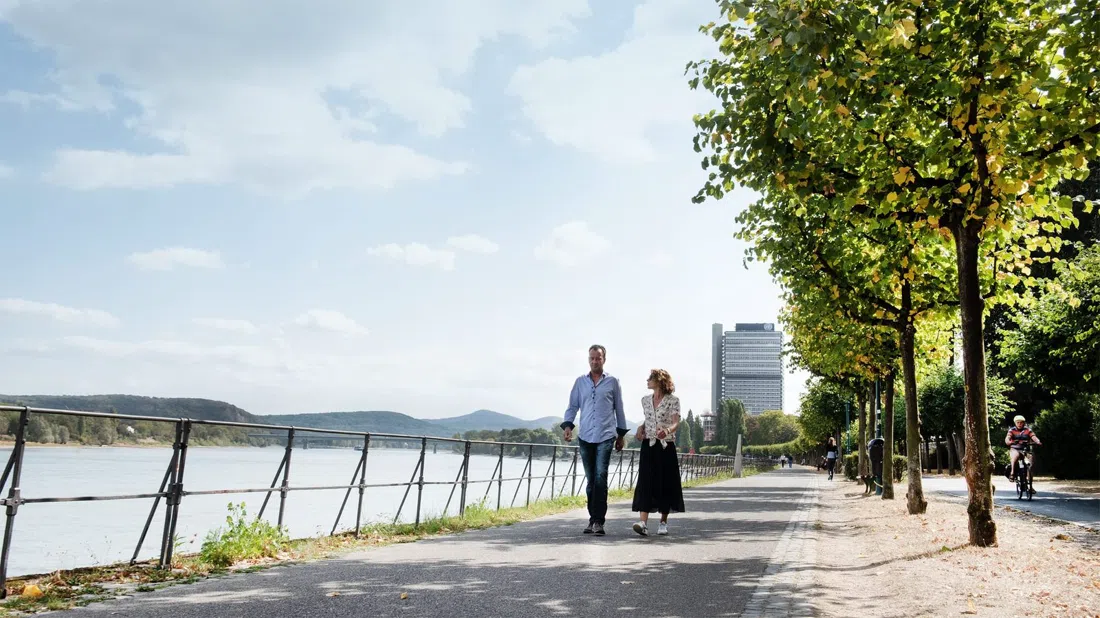
This is not a ruin, and anyone arriving expecting weeds through concrete will be disappointed within five minutes. Bonn kept the title of Bundesstadt, several ministries kept their first seat here, the United Nations took the office tower, and a conference centre absorbed the old plenary hall. What the quarter lost was its reason to be the shape it is: a dense, purpose-built district of chambers, press clubs, chancelleries and villas, laid out along one long riverside avenue for a political class that no longer commutes to it. The result is legible in a way that no working capital ever is. Nothing is behind scaffolding or security cordons because nothing urgent happens here any more.
The spine of the walk is the Weg der Demokratie (Bundesviertel, running roughly north-south between the Museum Mile and the river bend), a marked trail of more than sixty stations that threads the whole quarter into one route. It is self-guided, free and unlimited, and the main loop takes 90 to 120 minutes on completely flat ground. Five themed variants cover parliament, architecture and the embassy villas among other subjects, and Bonn-Information runs a led two-hour version on selected Sundays for around €12-15, as well as private bookings for groups. Walk it first, before you book anything else; the interiors make far more sense once you know what sat next to what.
A republic founded among stuffed giraffes
Start where the state did. Museum Koenig Bonn (Adenauerallee, at the top of the Museum Mile) is a natural history museum, and West Germany was founded inside it: on 1 September 1948 the Parliamentary Council convened here because nothing else in the town was large enough, with the taxidermy screened off behind curtains. Adenauer took his first chancellor's office in the building. The permanent galleries are a proper nineteenth-century habitat museum, which makes the founding plaque stranger rather than less interesting, and the combination works unusually well for families who will not tolerate a whole day of constitutional history. Entry is €6 adult, €3 reduced, €15 family; open Tuesday to Sunday 10:00-18:00, Wednesdays until 21:00. Group rates and booked tours are available and the building absorbs coach parties comfortably.
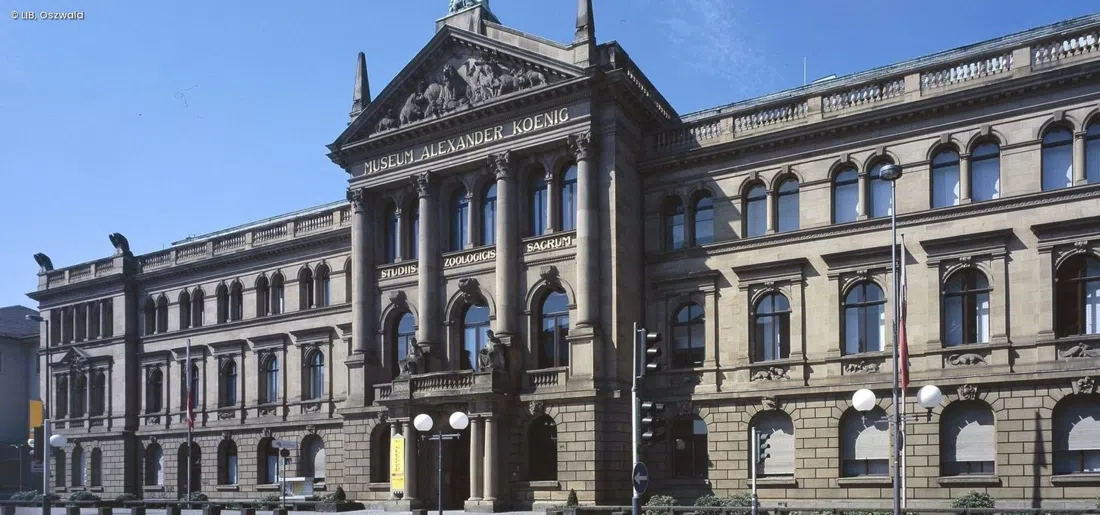
The museum that tells the whole story
A few minutes south, the Haus der Geschichte der Bundesrepublik Deutschland (Museumsmeile, Heussallee) is the only place that narrates the Bonn Republic end to end, from the rubble years to the move east, and it anchors the walk whether you have half a day or three. Entry is free; guided tours are charged. It opens Tuesday to Friday 09:00-18:00 and Saturday and Sunday 10:00-18:00, closed Mondays. Groups are entirely routine here, and the Besucherdienst on 0228 9165-400 handles school parties and coaches as well as booking the guided programmes.
The direct U-Bahn entrance at Heussallee/Museumsmeile is shut from 8 October to 19 November 2026 for station works. The museum is unaffected: you come up to street level and use the street door, which adds a couple of minutes and no difficulty.
Rooms you cannot walk into
Three of the best interiors in the quarter sell nothing at the door, and this is where unplanned visits fail.
The Former Bundestag Plenary Chamber (World Conference Center Bonn, Platz der Vereinten Nationen 2) opened in October 1992 and stopped being a parliament seven years later, which makes it the most expensive seven-year-old building in German political history. Public tours run Sundays at 14:00 and 15:00, last about an hour and view the hall from the press gallery; €8.50 adult, €6.00 reduced, with a themed Saturday tour at €15/€10. Groups go through Bonn-Information. Tours are cancelled outright when a conference occupies the hall, so check before you build a Sunday around it.
The Bundesrat Bonn and its 'Unser Grundgesetz' exhibition (Bundesviertel, in the old Bundeshaus complex) is the sharper experience of the two. This is the room in which the Basic Law was drafted and signed, and it is small, plain and low-ceilinged, a useful corrective to the glass and steel next door. Entry is free but registration is mandatory, and numbers are capped at 25 whether you come alone or with a party. Public tours are Saturdays at 15:00 and Sundays at 13:00; groups book Monday to Friday through [email protected] or 0228 9165-400.
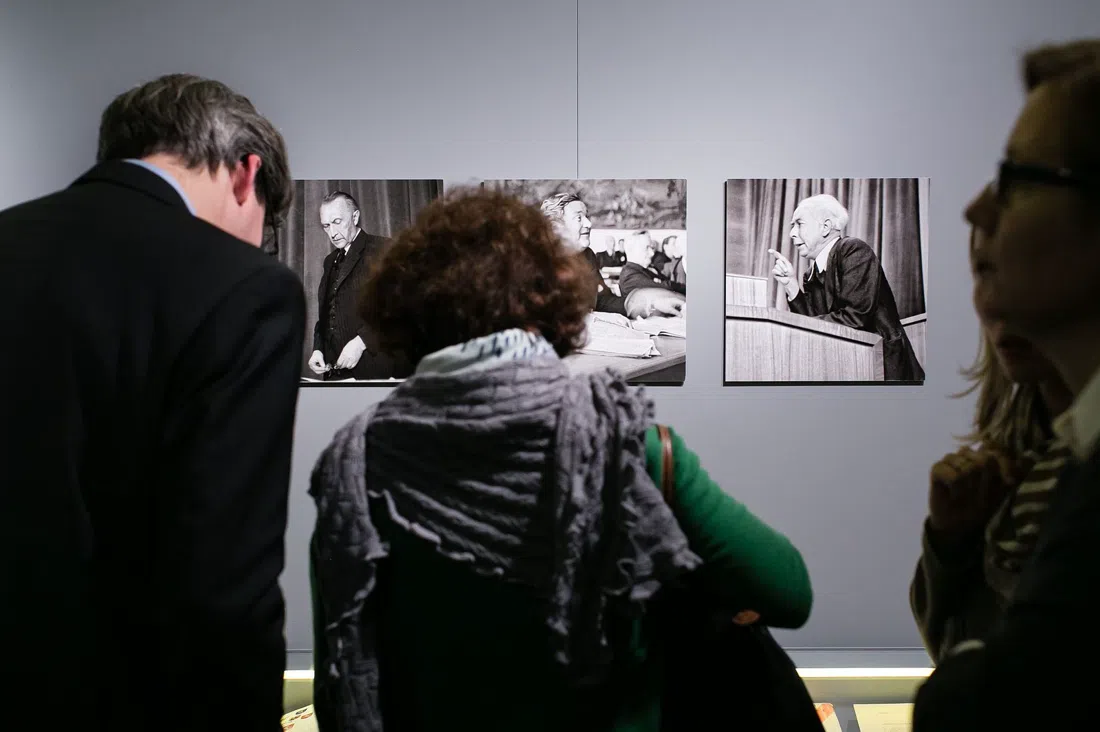
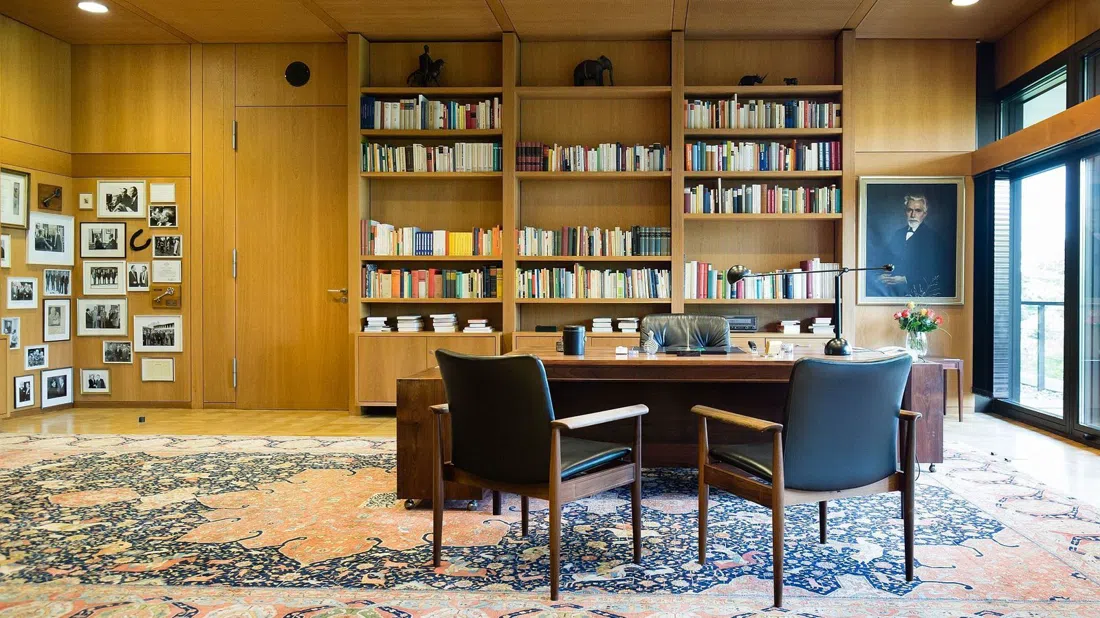
The Former Federal Chancellery (Adenauerallee, now the development ministry) is the eeriest interior in the quarter: Schmidt's and Kohl's working office, kept as it was, inside a functioning federal building. Entry is free. Individuals register in advance for Saturday and Sunday slots at 12:00 and 13:30; groups of 15 or more get their own 90-minute slot at 10:30 on Saturdays and Sundays, maximum 20 people. A passport or national ID card is compulsory, and there is a body scanner and bag search on the way in. Turning up without the document ends the visit at the gate.
A bungalow, a villa and the ID in your pocket
The Kanzlerbungalow (Bundesviertel, in the Palais Schaumburg park) is the building most international readers will not have seen and the one that photographs best: a flat-roofed, glass-walled modernist house in which chancellors lived and received, and a precise statement about what the young republic wanted to look like. Entry is free, with registration and valid ID required. Individual Sunday tickets at 14:00, 14:30 and 15:00, capped at 20, are fully booked to the end of December 2026, and 2027 dates are released in autumn 2026. Groups of 15 or more are the realistic way in, Tuesday to Friday 11:00-15:00 and Saturdays and public holidays 13:00-17:00, booked through the Haus der Geschichte visitor service. Solo travellers should either join a group or plan a return trip.
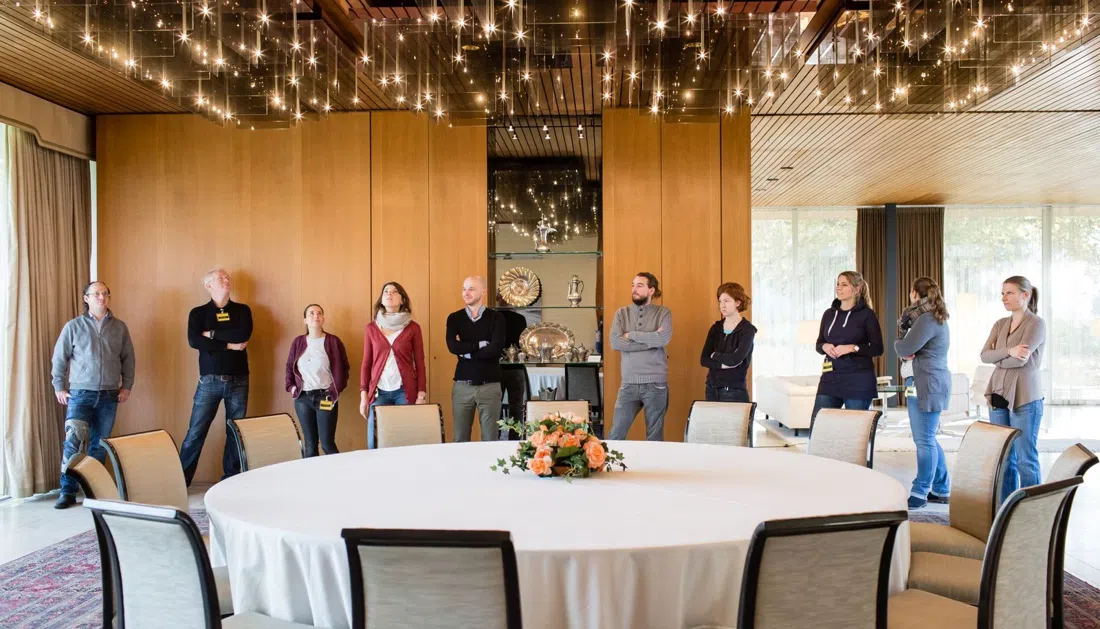
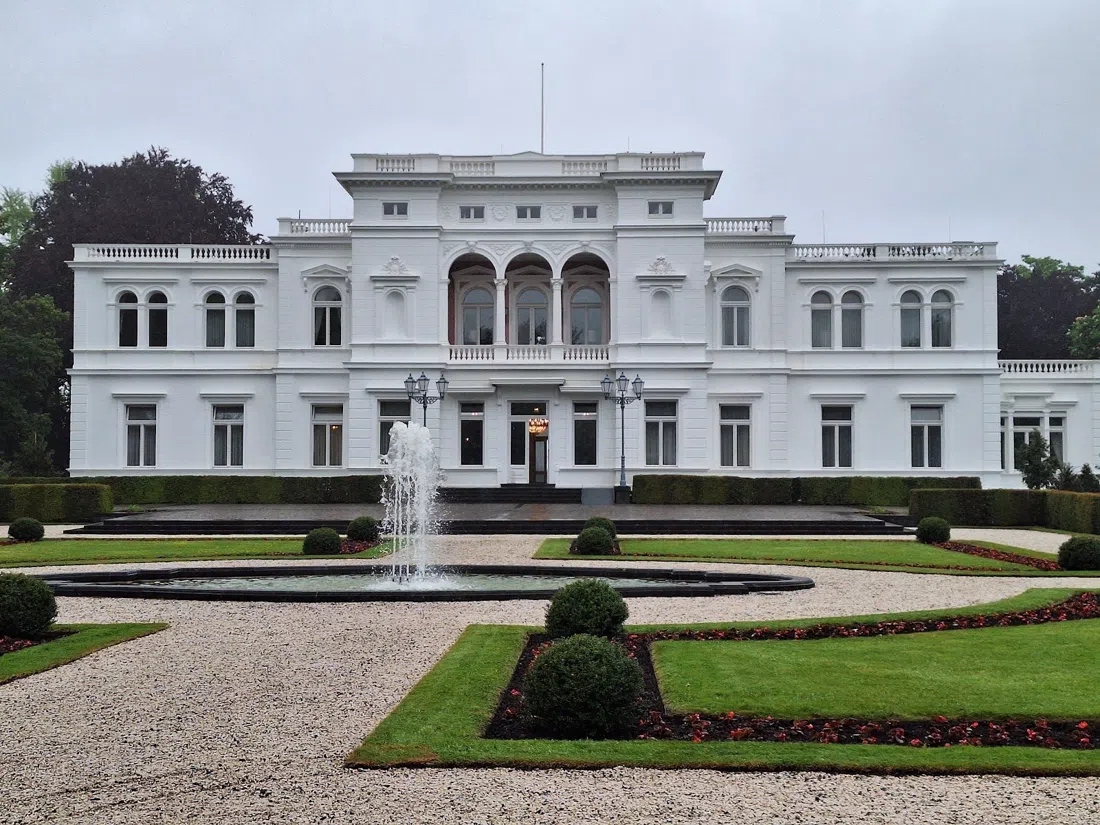
Villa Hammerschmidt (Adenauerallee 135, on the river side of the avenue) is still the Federal President's residence here, which is why the interior is only ever seen on an escorted walk: the 'Auf den Spuren der Bonner Republik' route, roughly €15, which also takes in the Bundesrat, the Chancellery and Museum Koenig. Through autumn 2026 it runs Thursdays and Fridays at 13:00, with the last date on 11 December. Tickets are released only two weeks ahead, everyone must carry photo ID, and the meeting point is the villa gate. Private groups can book it through Bonn-Information at other times.
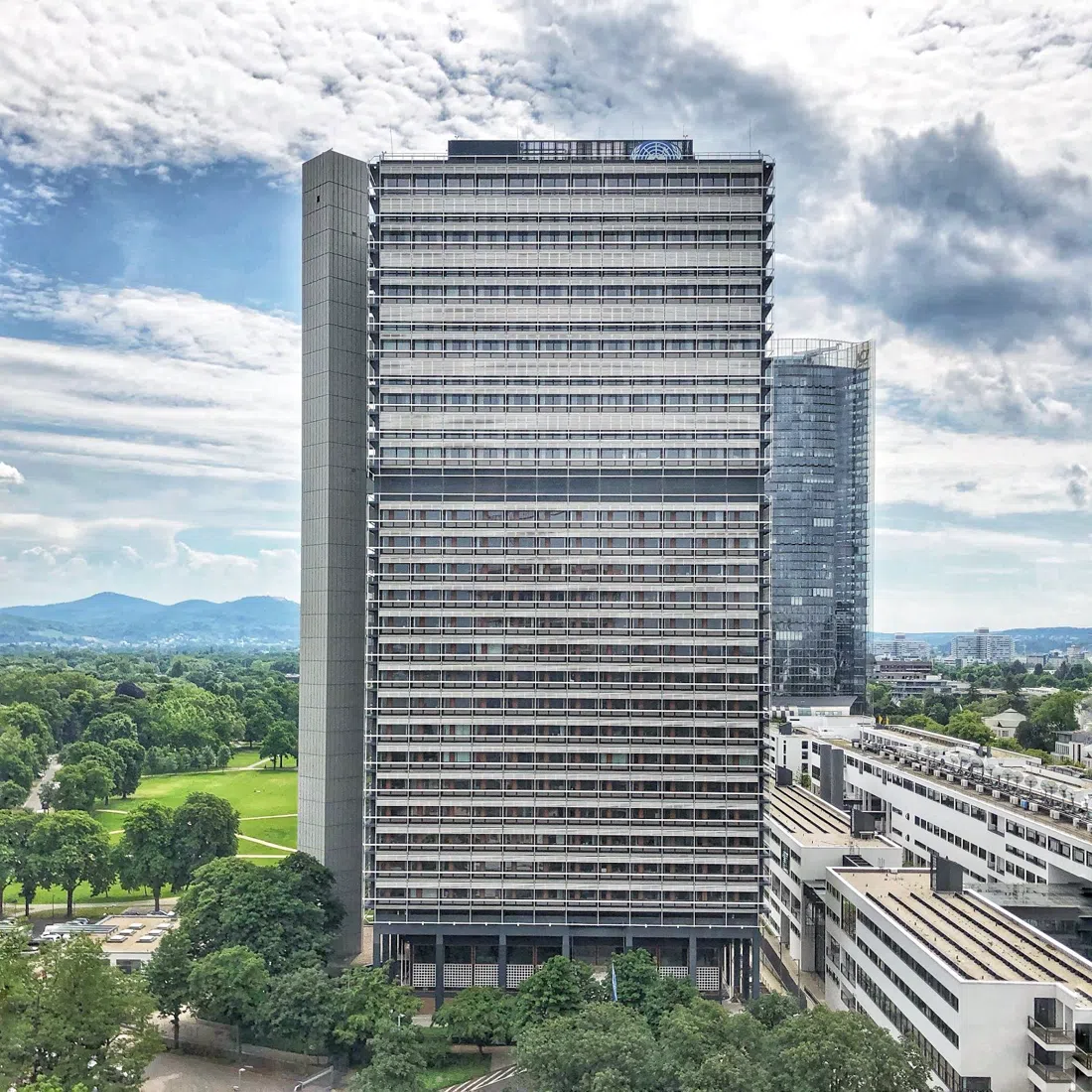
The tower the UN took over
The quarter's tallest building was where MPs had their offices; today the Langer Eugen houses 27 UN bodies. The UN Campus Bonn (Hermann-Ehlers-Straße, south end of the Bundesviertel) opened to booked public tours on 29 April 2026: Fridays at 15:00, 90 to 120 minutes, roughly €10-15 on the city tour tariff, booked through Bonn Tourist Information. Photo ID is checked at the security gate. The tour ends with the panorama from the tower, which is the one place you can see the geometry of the whole emptied district at once, river on one side and ministries on the other. Individuals and groups go out together on the same fixed dates, and occasional Fridays are dropped for internal UN events, so confirm the week you travel.
A kiosk, a roof and the rest of the walk
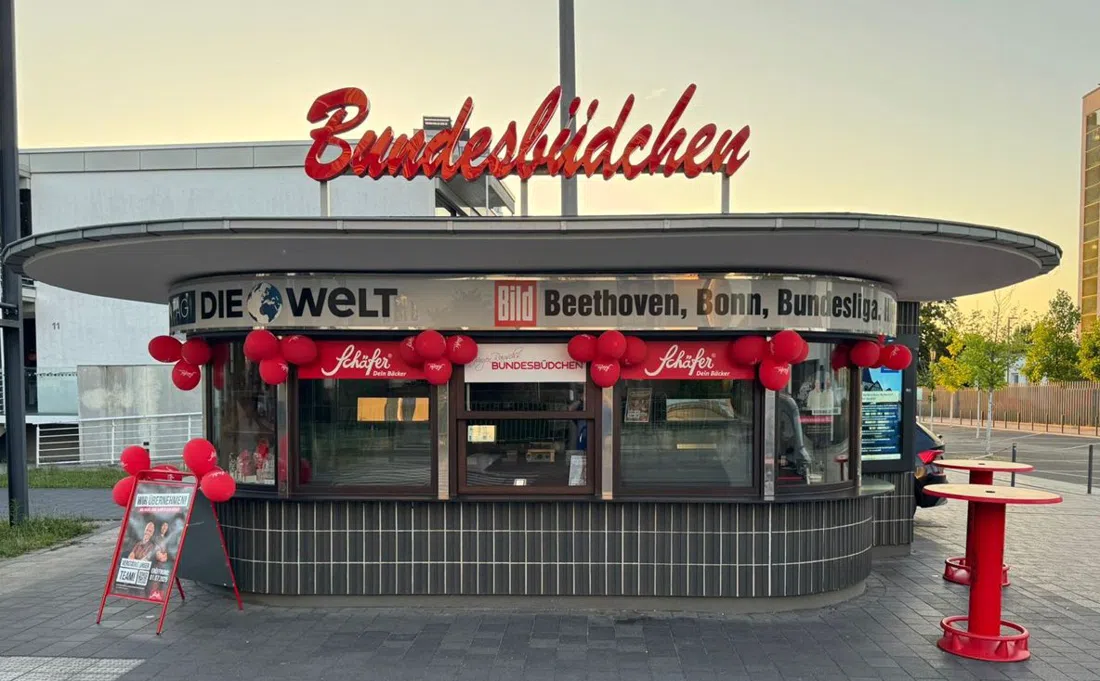
The best small story in the quarter is a newspaper kiosk. Bundesbüdchen (Heussallee 13, two minutes from the museum) is where Loki Schmidt bought her paper and Kohl sent his driver for bread rolls. It was dismantled in 2006 to make room for the conference centre, sat in a shed for fourteen years, and was rebuilt and reopened in 2020. Bäckerei Mauel runs it now, Monday to Friday 07:00-18:00, closed at weekends. It is a walk-up counter: coffee and a roll for under €6, taken standing outside. Fine for two or three people, hopeless for a coach party.
For the view without the security check, the Bundeskunsthalle (Museumsmeile, next door to the Haus der Geschichte) has a free public roof garden, and it is the best open vantage point over the quarter. The building itself is a small irony worth standing in: built with capital-city money and finished just as the capital left. Exhibitions cost around €13; the roof is free. Open Wednesdays 10:00-21:00, Tuesdays and Thursday to Sunday 10:00-18:00, closed Mondays. The roof shuts in bad weather and during exhibition installs, so it is a bonus rather than a plan.
Where the deals were actually done
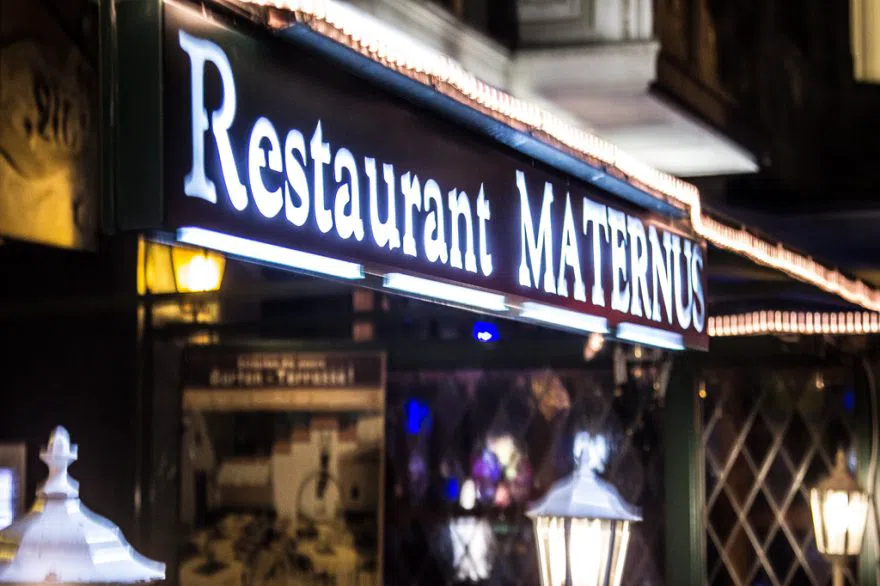
The political life of the Bonn Republic happened a few kilometres south, in Bad Godesberg, where the embassies and the ministers lived. Restaurant Maternus (Bad Godesberg) was the canteen in which lobbyists and ministers settled what the Bundestag later ratified, and it still trades under Bojana Dimov. À la carte mains run around €30 and themed set dinners start at €89.90. Two honest caveats: reservations are processed slowly (allow about twelve hours for a reply), and it closes for a long summer break, 1 June to 1 September in 2026, which makes it an autumn-to-spring entry.
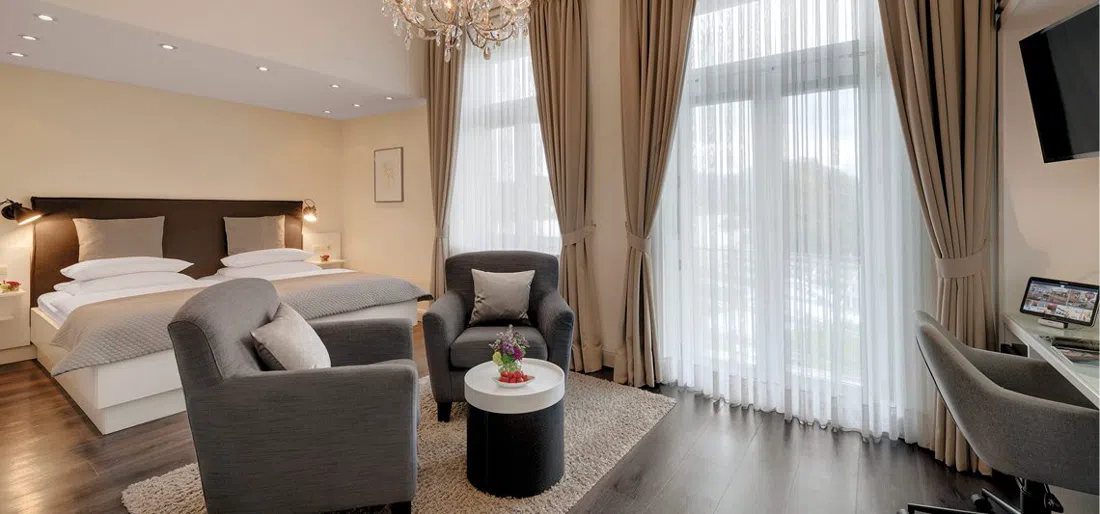
Rheinhotel Dreesen (Bad Godesberg, directly on the river) is the diplomatic quarter's house hotel, and carries the heavier history: Chamberlain met Hitler here in 1938, and for the fifty years afterwards it was where embassies entertained. Rooms start around €120 and mains in Restaurant Gobelin from €25; afternoon tea runs year-round, the beer garden April to October, and the Wintergarten from 31 October. It handles groups properly, with five banqueting and conference rooms and a chestnut-garden pavilion for up to 120, while still being a reasonable place for two people to have lunch by the water. If you would rather stay in the centre, compare rates across town with a Bonn hotel search before committing to the river.
The bunker under the vineyards
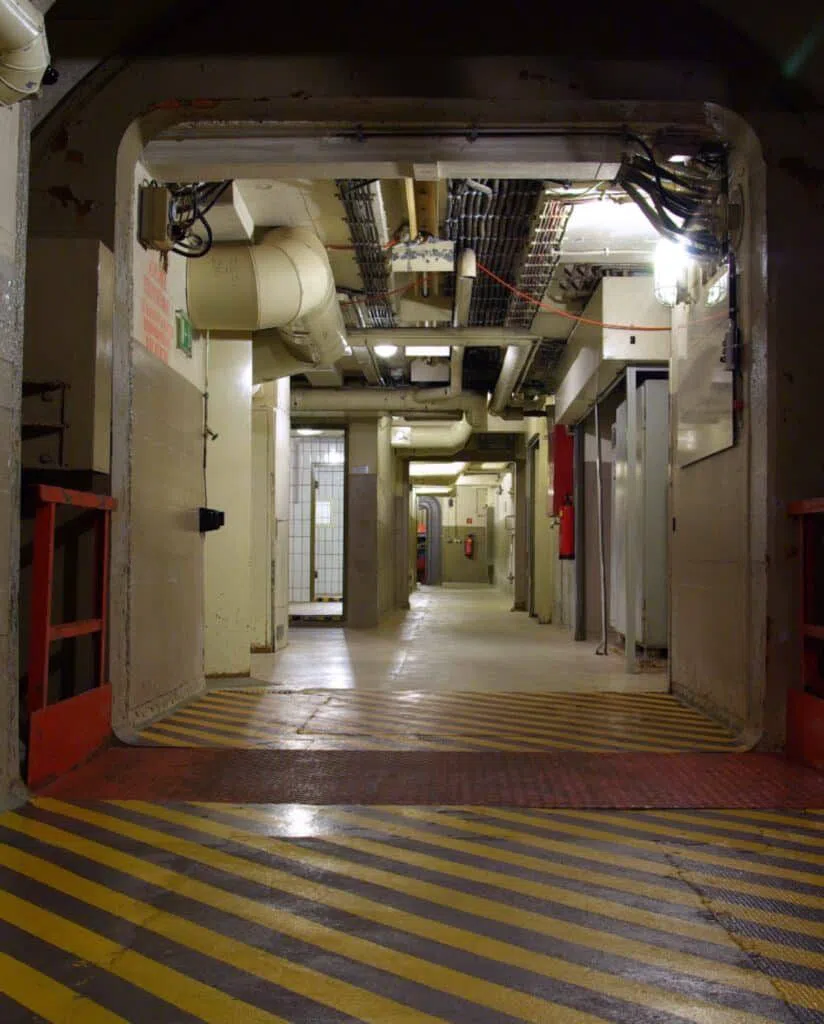
The one entry here you cannot walk to is the Dokumentationsstätte Regierungsbunker, about 40 minutes south in the Ahr valley: a preserved 200-metre slice of what was a 17-kilometre tunnel complex driven under the vineyards, built so that the government you have just spent two days walking around could continue to exist after a nuclear exchange. It came through the 2021 flood undamaged and is open. Entry is by 90-minute guided tour only, €15 adult, €10-14 reduced, €8 teen, €6 child, roughly Wednesdays, Saturdays, Sundays and holidays 10:00-16:00 from April to October, and weekends in November. Groups pre-register through the Ahr valley tourist office; school parties pay €8 per pupil plus a €50 group fee, and private parties can book themed torchlight and espionage versions. Treat it as its own half-day with a regional train or a car, not as an afternoon add-on.
Making the days fit together
The quarter's opening hours pull in opposite directions, and this is the single thing that ruins itineraries. The chambers are weekend institutions: Chancellery and Bundesrat on Saturday, plenary chamber and Bundesrat again on Sunday. The UN tower is Friday only. Villa Hammerschmidt is Thursday and Friday at 13:00. The kiosk is weekdays only. Both big museums close on Mondays. A Thursday-to-Sunday trip covers almost everything: Villa Hammerschmidt on Thursday, the UN Campus on Friday afternoon with the Weg der Demokratie before it and coffee at the kiosk that morning, the Chancellery and Bundesrat on Saturday with the Haus der Geschichte filling the gaps, and the plenary chamber on Sunday afternoon.
Getting around is simple and cheap: Stadtbahn lines run south from the Hauptbahnhof and stop at Heussallee/Museumsmeile in the middle of the quarter, then continue on to Bad Godesberg for dinner. Everything in the walk itself is flat and within twenty minutes on foot. Carry your passport or national ID card every day, because four of these visits check it and two scan your bag. Bring some cash for the kiosk and small cafés even though cards are widely taken elsewhere. Budget is modest by European capital standards: the two best museums and three of the four government interiors are free, so a thorough long weekend costs roughly €40-60 per person in tickets including the bunker and the tower, plus whatever you spend on dinner in Bad Godesberg. For the rest of the city, the cathedral quarter, the Rhine promenade and Beethoven, see the broader Bonn guide.