
The name is an admission of guilt. Kleftiko comes from kléftis, the Greek word for thief, and the white stacks on the south-west coast of Milos earned it honestly: the arches and half-drowned chambers there were deep enough to hide a small ship from whoever was patrolling the open water. There is still no road in, no path down, no gate and nobody selling tickets, which is the entire reason a half-day boat trip exists at all.
The cave system that has no door
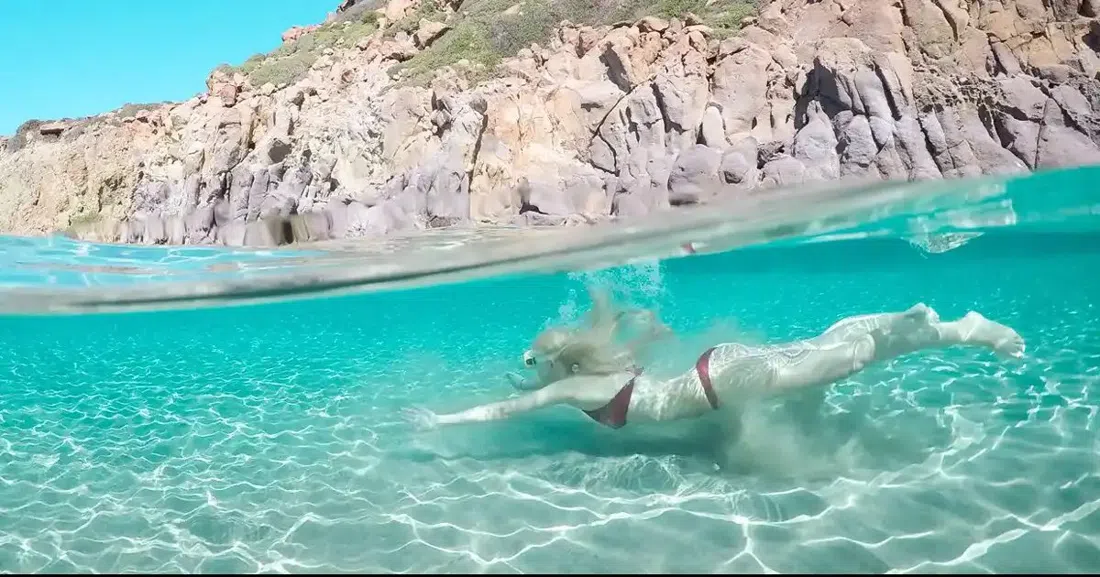
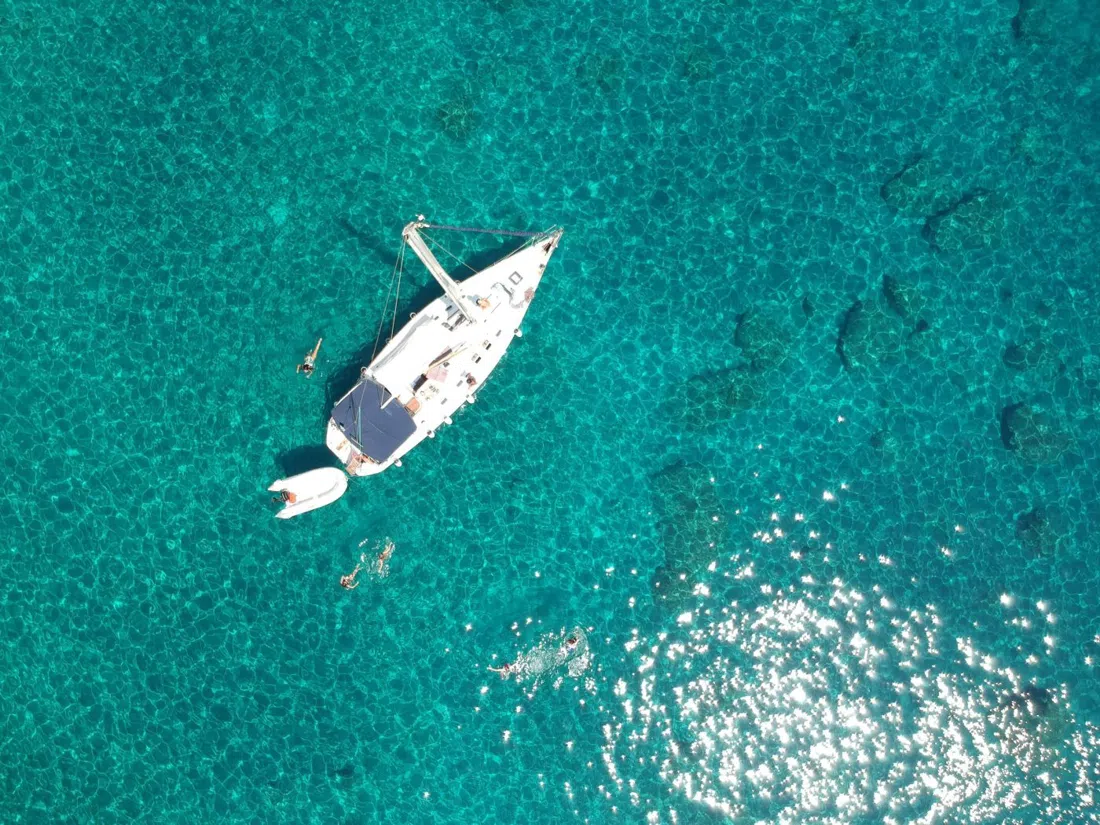
Kleftiko (south-west coast, reachable only by sea) is a cluster of volcanic rock formations standing off the cliff line rather than a single cave: pale, chalky towers worn into arches, tunnels and open-roofed chambers by several million years of weather working on soft ignimbrite. Boats anchor in the channels between them. What you do there is swim, off the back of the boat, straight into deep water, then through the arches and into whichever chamber the swell is behaving in that day. Snorkelling is the point as much as the caves; the water is clear enough that the rock keeps going visibly downward long after you have stopped being able to reach it.
There is no entry fee, because there is nothing to charge for. No staff, no lifeguard, no shade, no toilet block, no shop. The only money that changes hands is the boat fare, which runs from roughly €40–50 per person on a shared wooden boat to €140 and up per person on a catamaran. Because access is by sea, the word group has a very literal meaning: your group is whoever is on the vessel. Shared kaikis take roughly 20 to 40 people, catamarans 12 to 26, and RIBs 8 to 12. Nobody is turned away at a door, because the boat is the door.
Why the departure beach matters more than the boat
The single most useful fact about this trip has nothing to do with the caves. Leaving from Agia Kiriaki Beach (south coast, next to Provatas) puts you about twenty minutes from Kleftiko. Leaving from the main harbour at Adamas puts you an hour or more away, each way. On a four-hour trip, that difference is most of your swimming time.
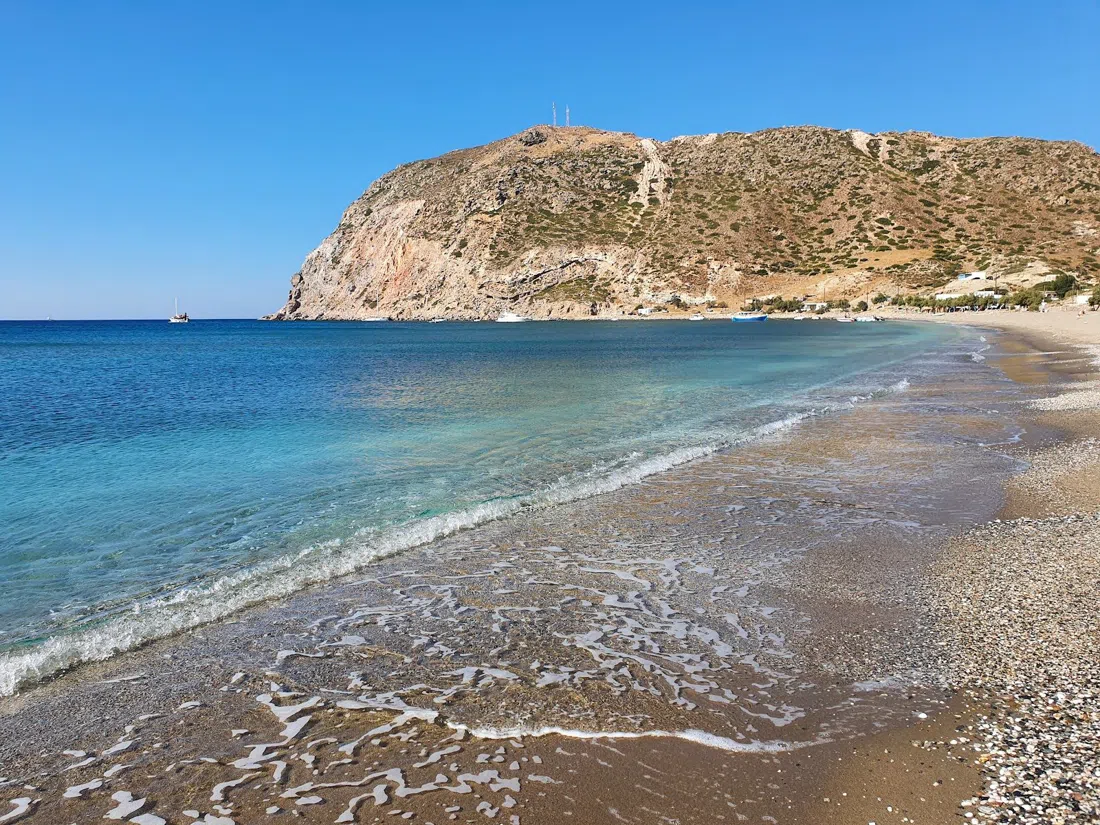
Agia Kiriaki is a free public beach with a car park, sunbeds and a beach bar, and boats board straight off the sand rather than from a quay. That makes boarding easy and slightly comic: you walk into the shallows and the crew hands you up. Arrive with dry bags for anything that must stay dry.
The landmark crews use is Thalassopetra (Agia Kiriaki), a seafood taverna open daily 10:00–23:00 that doubles as the meeting point. "Stand in front of Thalassopetra" is the instruction you will be given, and it works. The owner fishes the catch himself, which makes it the obvious lunch on either side of a south-coast departure; expect €20–40 per person. It is set up for whole boatloads arriving at once, but a party of eight or more should book ahead rather than hope for a long table at 14:15 when two boats land together.
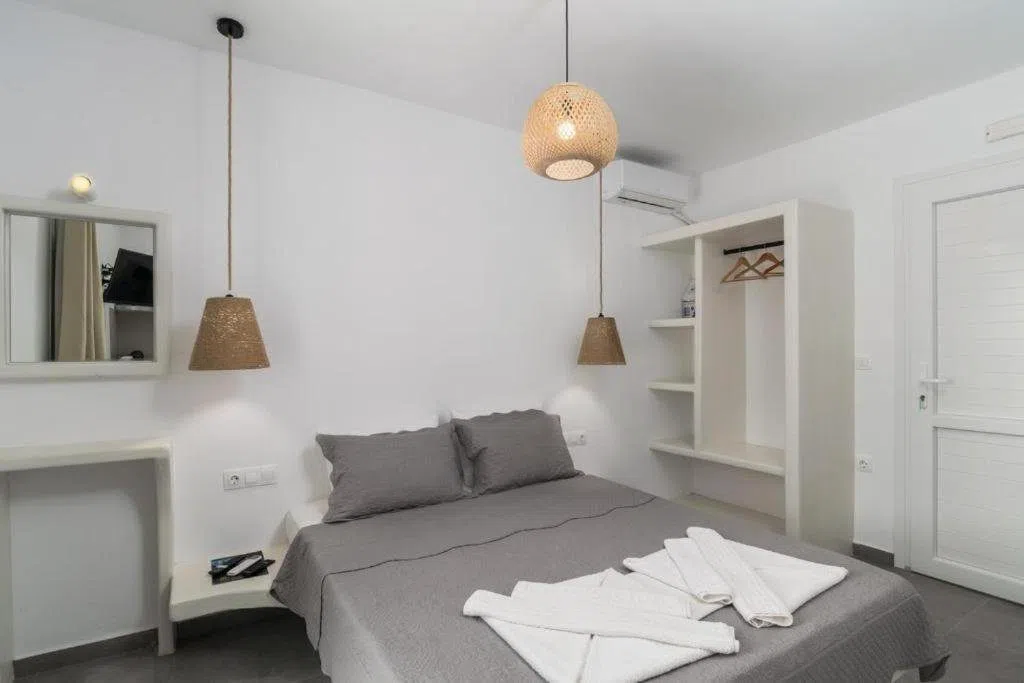
Choosing a vessel you can live with for four hours
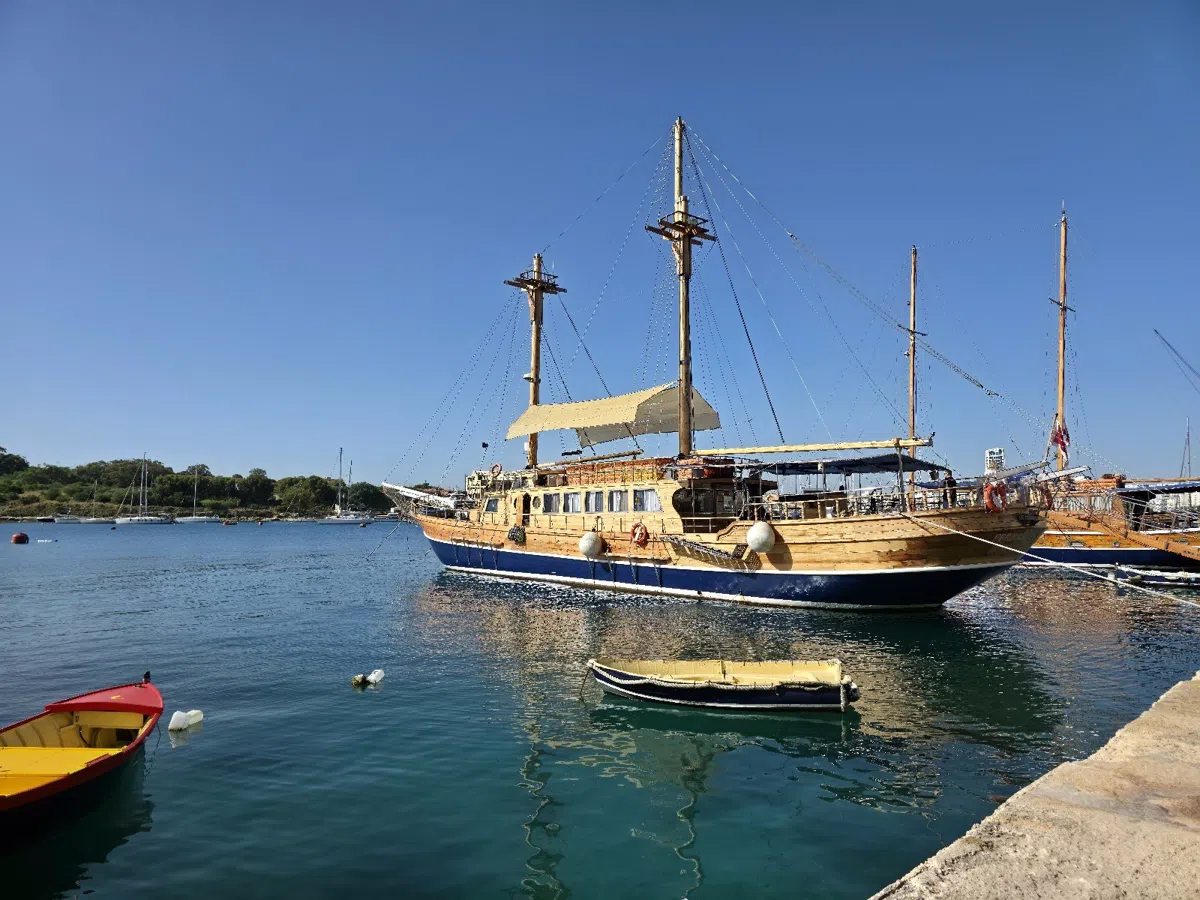
Zefiros Milos (departs Agia Kiriaki) runs the classic version: a traditional wooden kaiki, shared daily departures at 10:00–14:00 or 15:00–19:00, with at least an hour anchored at Kleftiko and around thirty minutes at Gerakas. Water, iced coffee, iced tea, snorkel gear, raki and home-made meze are included. It costs €50 for adults and anyone 13 and over, €20 for children aged 4–12, infants free, booked direct, and you can take the whole boat through their online calendar. It is a small, friendly boat rather than a party platform, which suits couples, families and anyone who would rather hear the engine than a speaker.
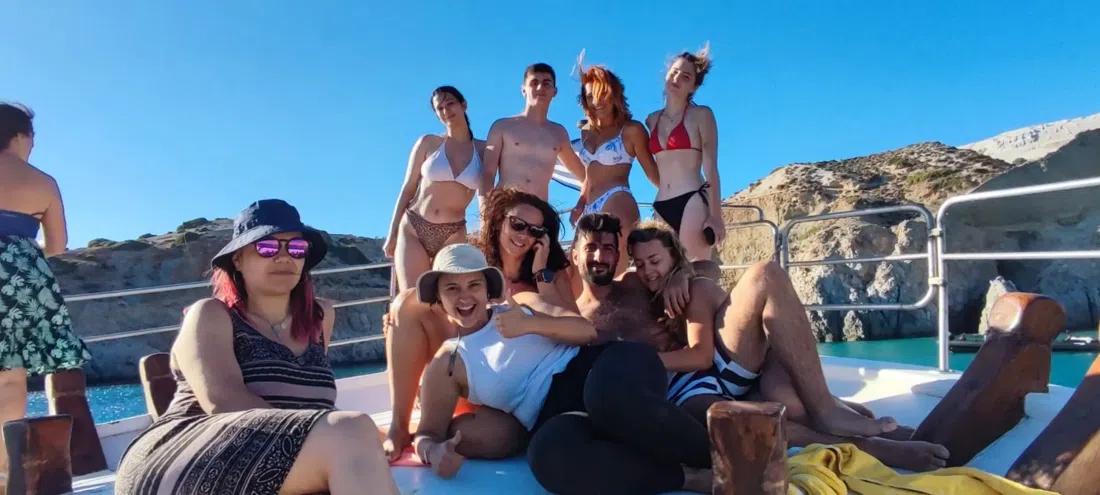
Horizon Yachts (Adamas) is the flexible choice: sailing boats, RIBs and motorboats from one operator, running since 2004 and EOT-licensed under 1172E60000114001, with both shared and private options, so you can match a group of mixed appetites to one vessel instead of splitting it across two. Pricing is on request by boat type; shared half-day Kleftiko trips on the island generally land in the €50–90 per person band. The RIB is the answer for anyone who wants the caves fast and does not mind a wet, bouncy ride, and the wrong answer for anyone with a bad back or a nervous passenger.
Milos Adventures (Adamas) takes 21 to 26 guests on shared catamaran departures, from €140 per person, with a whole-boat private charter at €2,280. That capacity is the point: a kaiki cannot absorb a party of twenty without swallowing the boat. Their 09:00–15:00 trip is sold as a half-day and is really six hours, including a two-hour stop at Kleftiko plus Klima, Cape Vani and Sykia.
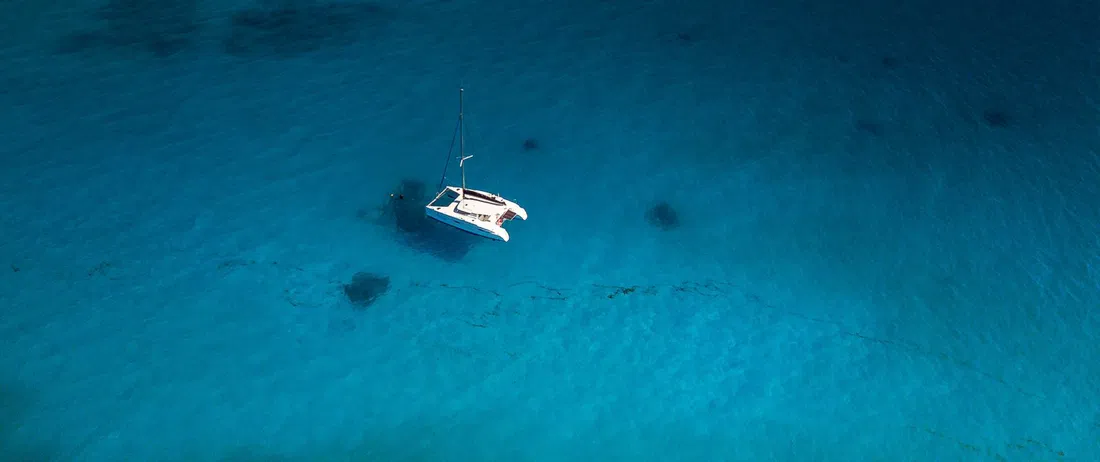
Polco Sailing (small-group catamaran and RIB) is not a half-day at all, and is worth knowing about anyway. The catamaran is capped at twelve passengers, the day runs about eight hours, lunch is cooked aboard to dietary requirements, and the route takes in Kalogries, Sykia, Kleftiko and Agios Dimitrios. From €150 per person, children from age 2, infants free. If you have a full day and the budget, this is the version where Kleftiko stops feeling like a stop.
How long a half-day really lasts
Treat the phrase as marketing, not measurement. On this coast a half-day means anything from four hours to six, and the number that matters is the time at anchor, not the total. Four hours from Agia Kiriaki with an hour in the water at Kleftiko and half an hour at Gerakas is a genuinely full trip. Six hours from the main harbour with two hours at Kleftiko is also a good trip, but you will spend a large part of it in transit along the south coast, which is scenic and, if there is any chop, long.
Ask two questions before booking anything: where does it leave from, and how long is it anchored at Kleftiko. Every other detail is decoration.
Booking ahead and what sold out actually means
There is a guided half-day option bookable online with instant confirmation, and it is worth taking. The top-rated trip here holds 4.7 out of 5 from 114 traveller reviews, and it runs seven days a week, Monday through Sunday, so what limits you is rarely the day of the week; it is the specific departure. Individual departures are already fully sold out on particular dates, including 6, 7, 8, 9, 10 and 11 October 2026, with a further sixty-nine dates listed; other dates remain bookable.
The practical consequence is simple. There is no ticket office to queue at and no door to try your luck at, because the seats are on a boat that leaves without you. Book the departure, not the day. If you are travelling as a group of more than about ten, book weeks out or take a whole boat, because splitting a group across two operators means two different anchorages and two different lunch times.
Rules, access and the weather veto
Kleftiko has no rules in the signposted sense, which puts the responsibility on you. You enter the water from a boat in open sea: there is no shallow end, no wading in, and nothing to stand on. Anyone who is not a confident swimmer should stay aboard with a mask over the side, and most crews will hand out a flotation noodle without being asked. Children are welcome on the shared kaikis and the fares are built for them, but a child who will not wear a buoyancy aid is a child who sees the caves from the deck.
What actually stops the trip is the wind. This trip is fully weather-dependent and is the first thing cancelled when the meltemi blows, which it does hardest in July and August. Cancellation usually comes the evening before or the morning of, and a reputable operator makes that call early rather than taking you out to be sick. Build a spare day into the trip if you can; book the caves for your first full day on the island rather than your last, so a cancellation has somewhere to go.
Is it worth it
Yes, with one condition: it is worth it if you swim. Kleftiko seen from a deck is a handsome pile of white rock that photographs well and takes ten minutes to exhaust. Kleftiko swum through (into the chambers, under the arches, with the light coming up off the sand below) is the reason people come back to this coast. If you do not intend to get in the water, spend the money on something else.
It suits couples and families best on the small kaikis, where the fare is modest and the boat is quiet, and larger parties on the catamarans, which have the capacity and the shade. Anyone short on time should take the RIB, with the caveat that fast boats are hard on bodies. It does not suit people prone to seasickness who have not brought something for it, and it does not suit a tight schedule, because the wind has the final vote.
Best time to go
Morning departures are the better bet almost every time. The sea is typically calmest before midday, the light inside the arches is cleaner, and if the afternoon wind arrives you have already been. Afternoon trips, the 15:00–19:00 kind, buy you a late swim and a good chance of coming back into the sun setting over the water: a fair trade if you sleep badly and dislike early starts, a gamble if the forecast is unsettled.
By season, late May through mid-June and September into early October are the useful windows: the water is warm, the meltemi is less insistent than in high summer, and the boats are not full. July and August deliver heat and reliable sunshine along with the most cancellations. From November to March the island largely closes around this trip (the land attractions cut their hours sharply or shut, and the sea stops cooperating), so treat the caves as a May-to-October proposition.
The plan for a cancelled boat
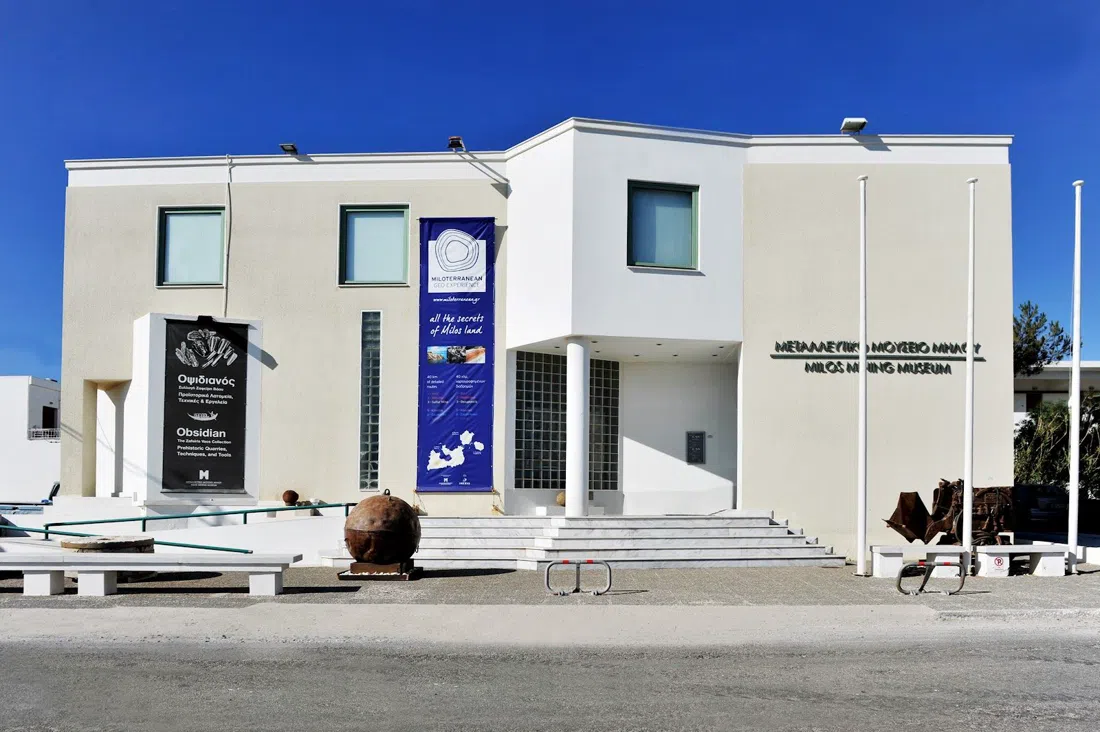
A blown-out morning is not a wasted one, and the fallbacks are walkable rather than drives. The Milos Mining Museum (Adamas) sits two minutes from the boat quay and explains the geology that carved Kleftiko in the first place, which makes it a good hour before an afternoon departure as well as a consolation after a cancelled one. Entry is around €5–7. It keeps split hours in high summer, with mornings plus an evening session, closes Mondays outside peak, and is effectively shut November to March except for programmes.
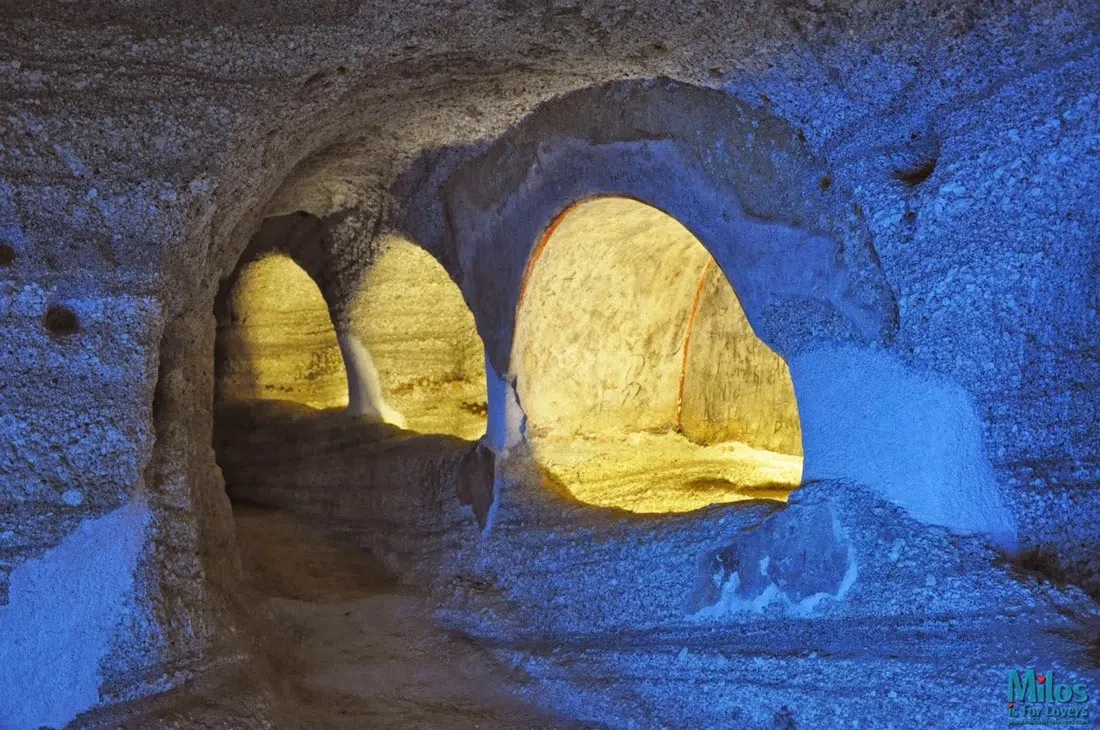
The Catacombs of Milos (Trypiti) are one of the oldest early Christian burial sites anywhere, and a genuinely different register after a morning on the water. Entry is €10, €5 reduced, students free; open 08:30–15:40 with last entry at 15:10, closed Tuesdays. Guides take visitors through a confined corridor in small batches, so a group goes through in waves rather than together. The mid-afternoon cut-off is the catch: it only works alongside a morning boat, or instead of one.
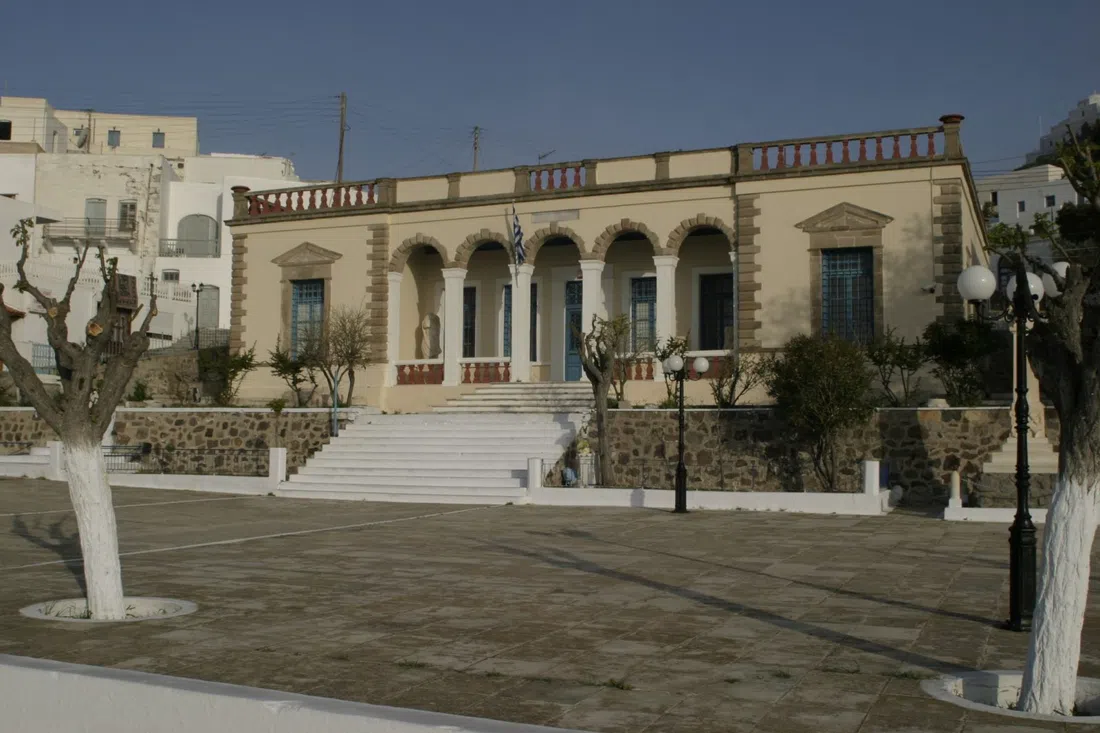
From Trypiti it is a short uphill walk to the Archaeological Museum of Milos (Plaka), €5 and about half an hour indoors. The Aphrodite standing in the entrance hall is a cast (the original is in the Louvre), but the obsidian finds from Phylakopi are the reason to go, because they explain why this small island mattered to the Aegean at all. Last admission is twenty minutes before closing and hours shorten sharply from November to March. The rooms are small, so organised groups should stagger their entry rather than arrive as one.
Practical notes
Getting to the boat. Agia Kiriaki has a free car park and boats board off the sand; Adamas departures leave from the main quay, which is walkable from most harbour accommodation. Bus service to the south coast beaches exists but is thin and will not reliably deliver you for a 10:00 boarding, so hire a car or scooter for the day, or agree a taxi in advance.
Cash. Boats and museums are cheap and often cash-friendly; tavernas on the south coast prefer cash for small bills. Carry €60–80 in notes per person for a day that includes a fare, lunch and a museum.
Timing. Aim for the 10:00 departure, allow twenty minutes to find the meeting point, and keep the afternoon loose. Last entry at the catacombs is 15:10, and it is closed Tuesdays.
Budget. A lean half-day from the south coast runs about €50 for the kaiki plus €20–40 for lunch. A catamaran day sits at €140–150 per person before food. A private charter for a large party is €2,280.
What to bring. Swimwear worn under your clothes, a towel, reef-safe sunscreen, a hat, a dry bag and something for motion sickness taken before you board, not after. Snorkel gear is included on the kaiki; confirm it is included on anything else.
This guide sits on our Bonn site. If you are arranging the Bonn end of the journey, the Bonn guide covers the city itself and the Bonn hotel search covers where to sleep.