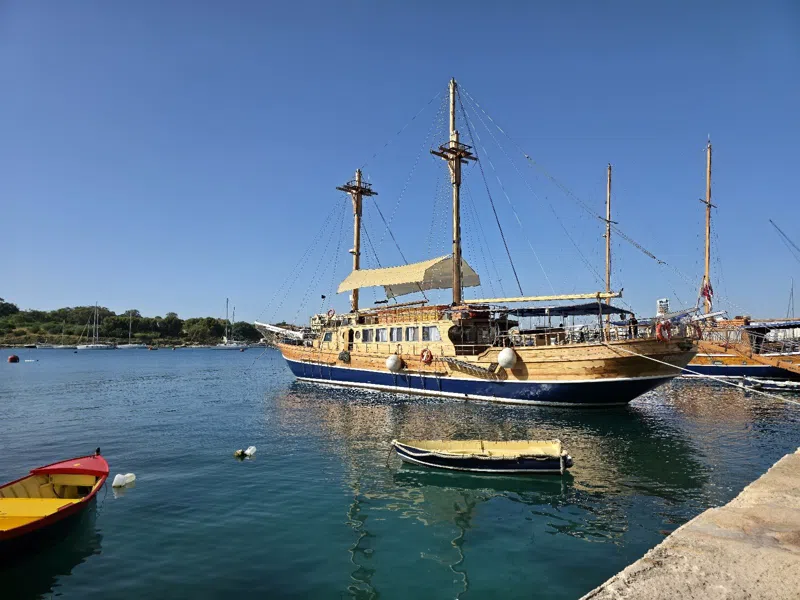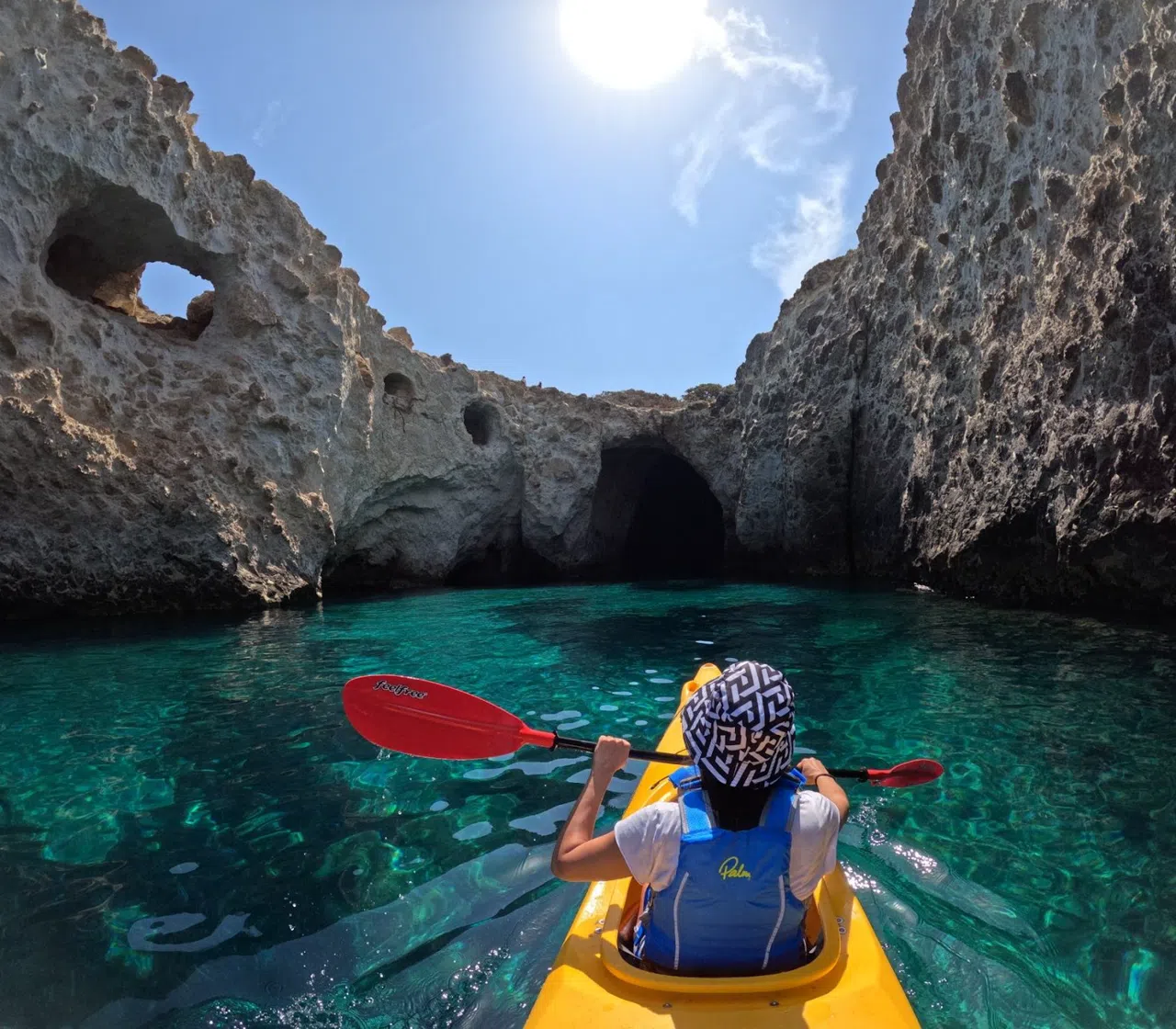

Milos is what is left when a volcano falls in on itself, and the flooded crater is why the island's best hours happen at water level. From a kayak seat the coast reads the way it read to the miners and the fishermen who worked it: white rock cut into fins and hollows, a painted door standing at the waterline, a cave mouth wide enough for one boat and no more. In October the wind has usually stopped arguing by mid-morning, the sea still carries the summer in it, and the light comes in low and sideways from about five o'clock.
What a half-day on the water actually involves
Riptide Milos Kayak (island-wide, with the launch point chosen on the day to suit the wind) runs semi-private half-days and full private charters. Semi-private means small rather than solitary: you share the water with a handful of other paddlers and one guide, which is the arrangement that makes a kayak day work. Someone is watching the swell, someone knows which cave has a swell running through it today, and someone else is minding the person in the group who has never held a paddle. They take families, couples and friend groups. The minimum age is eleven, and it is a real constraint rather than a formality, so a family with a nine-year-old needs a different plan for that morning.
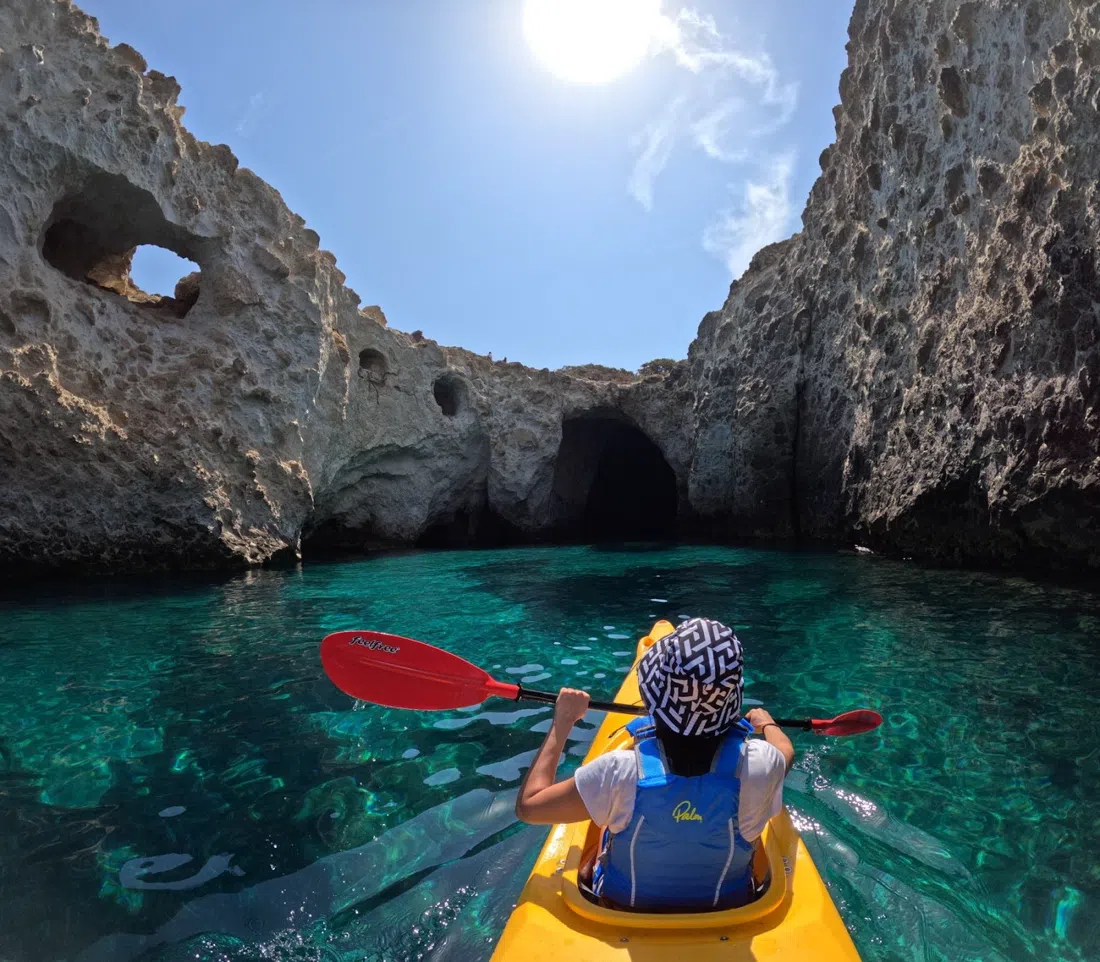
A half-day runs to roughly three and a half hours from meeting point back to meeting point, and less of that is paddling than people expect. There is a land briefing, the slow business of getting everyone balanced and tracking in a straight line, then a route broken up by stops: a swim, a float into a cave mouth, ten minutes drifting under a cliff while the guide explains what the coloured bands in the rock are. Two of the standard routes are the sunset run toward Papafragas and the late-afternoon colour run past the painted boat houses at Klima.
Budget roughly €70 to €100 per person for a half-day, with private charter rates quoted on request. The guide takes photographs and GoPro footage and sends them on afterwards, which matters more than it sounds: you cannot carry a phone in a kayak, and this is a coastline that people otherwise spend the whole trip failing to photograph from a moving boat.
Why the coast looks the way it does
Do one museum before you paddle and the whole coastline stops being scenery. Milos Mining Museum (Adamas, on the harbour front) costs about €5 for adults, less with concessions, and it explains the island as an industrial object: obsidian first, traded off this island across the Aegean in the Neolithic, then sulphur, then bentonite, which is still being dug. The white cliffs you will be paddling under, the rust-coloured streaks and the spoil heaps on the hillside above a beach are the same story told in different minerals. The museum takes school and visitor groups, and a guided slot is worth a phone call ahead.
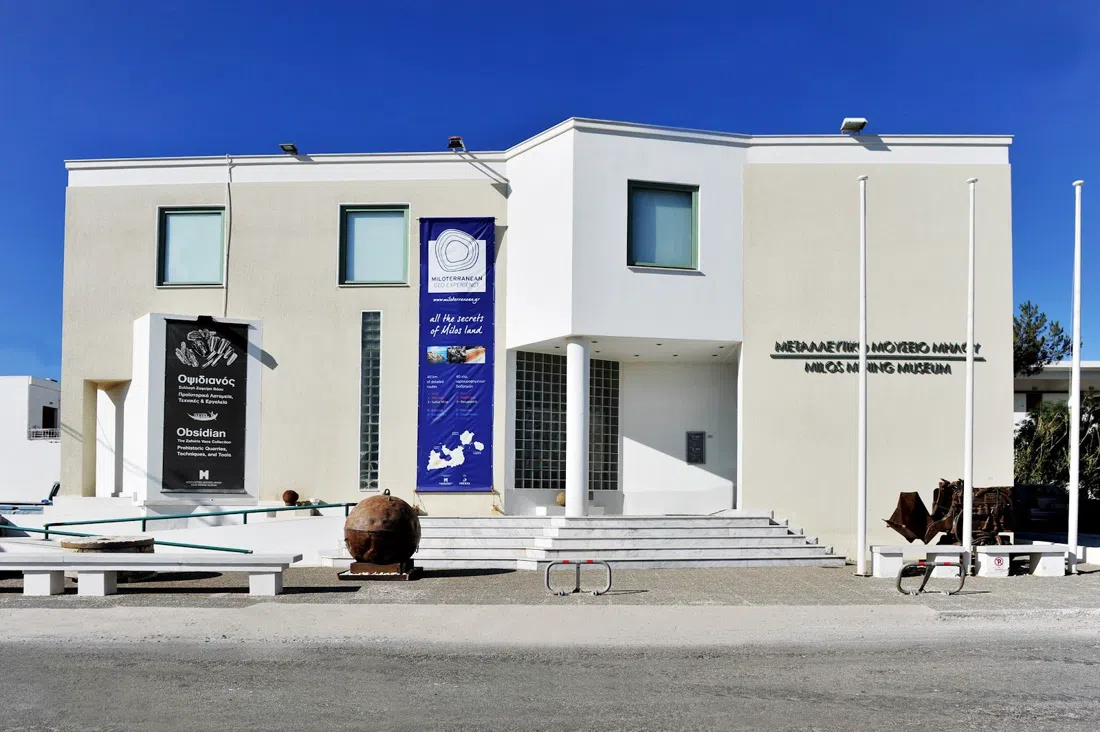
The trap is the timetable. In October the hours shrink to 10:00 to 14:00 and it closes on Mondays, so pairing it with a morning paddle gives you about twenty minutes and a stressed drive. Take it on a windy day when the boats are not going out, or on the morning you arrive.
A walk from Plaka down to the theatre
The island's other half-day on foot starts at the top. Archaeological Museum of Milos (Plaka, the hilltop village) is about €4, reduced €2, and free on the Ministry's designated free-entry days. Be clear-eyed about what it is: the Venus found on this island in 1820 is in Paris, and what stands in the entrance hall is a cast. The rooms are small, so a larger party should split and go in waves, there is no advance booking system, and the hours are short and morning-heavy with several closed weekdays. Phone the day before rather than turning up hopefully.
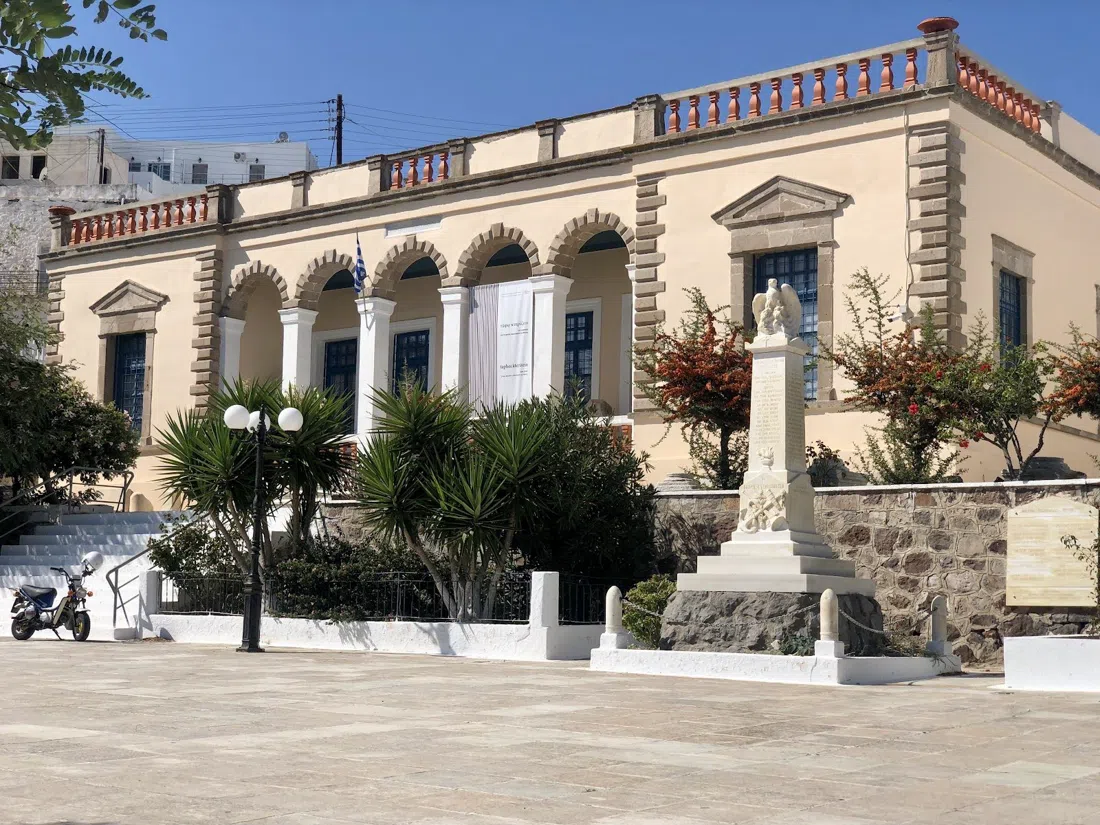
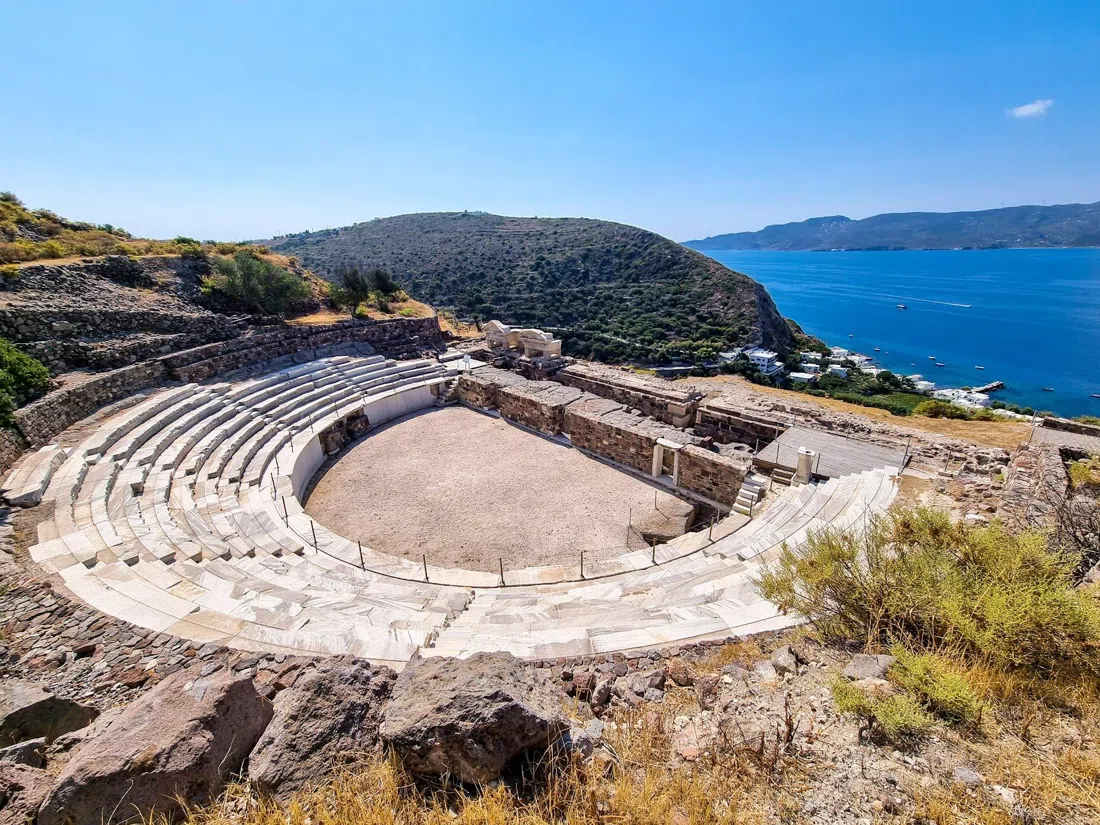
From there the walk drops downhill through the lanes toward the catacombs, fifteen minutes or so, most of it on steps and old paving rather than road. Five minutes past the catacombs is the Ancient Theatre of Milos (below Trypiti, on the seaward slope), free and open, restored in 2016 and holding roughly 700 seats again, with occasional ticketed performances in summer. It is the best free view on the island. The field just above it is where the Venus came out of the ground, and standing there with the gulf laid out below you is the moment the museum cast starts to make sense.
Papafragas and the closed descent
Papafragas (north coast, off the Pollonia road) is the picture everyone has seen: a slot of green water between two white walls, open to the sea at one end and closing to a cave at the other. The clifftop viewpoint is open, free, and has roadside parking, so you can look down into it any time you like.
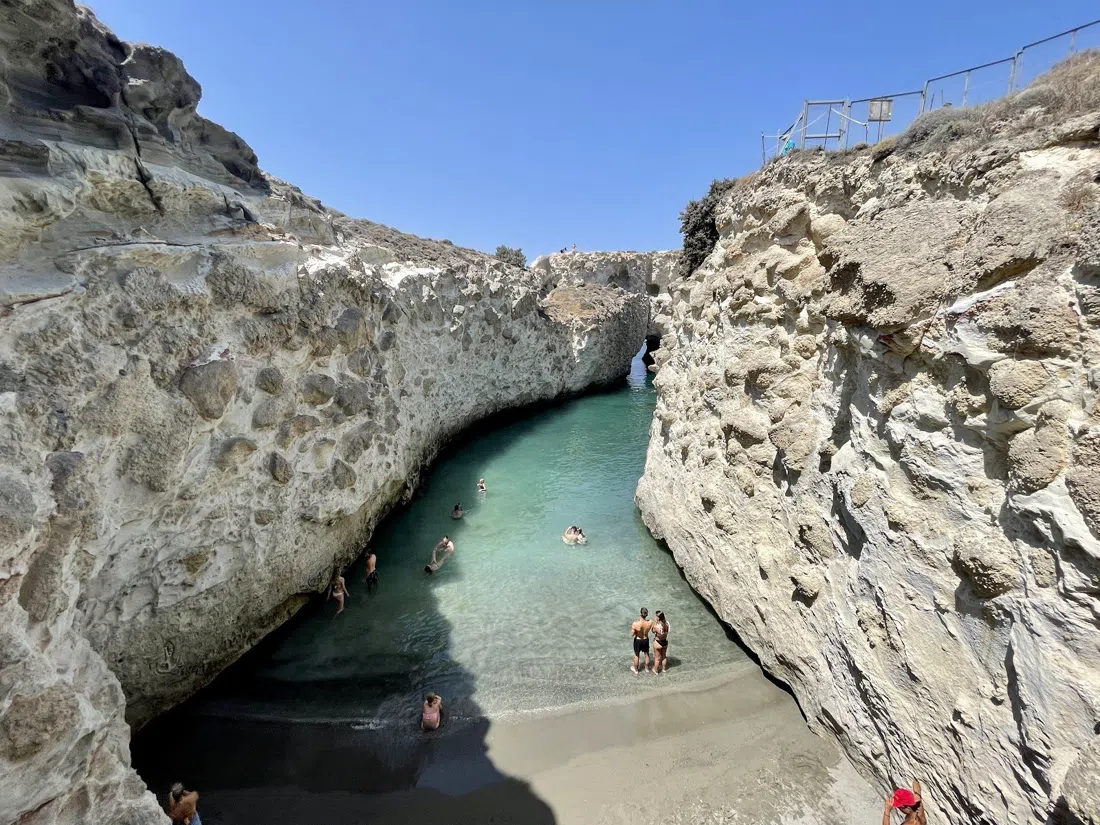
What you cannot now do is walk down. The municipality has officially closed the carved descent to the water on rockfall grounds, and that is not a rope anyone should be stepping over. The two honest ways to be in that water are to swim round from neighbouring Kapros, a committing swim in anything other than flat conditions, or to paddle in from the sea, which is why it sits on the kayak routes. Arriving by water also solves the other problem with Papafragas: from above it is a photograph, and from inside it is a place, cold in the shadow, loud with the sound the swell makes when it reaches the back of the cave.
Klima in the last hour of light
Klima (the waterfront lane under the Plaka ridge) is a row of syrmata, boat houses with living space above and a slipway below, their doors and balconies painted in flat reds, blues and yellows. The colours are not decoration. They exist so a fisherman could pick out his own house from a long way offshore, and once you know that, the whole row reorganises itself into something functional.

It is a single narrow lane with people living in it. Keep any group small and quiet, and take the point seriously: most of the syrmata are now private lets rather than attractions, going from around €120 a night and booked months ahead, so the person whose doorstep you are photographing is on holiday. The kayak solves this too. Seen from the water in the late afternoon, when the sun has come round onto the doors, you get the view the colours were painted for and nobody has to stand in anybody's kitchen to get it.
Pollonia if the trip is built around the water
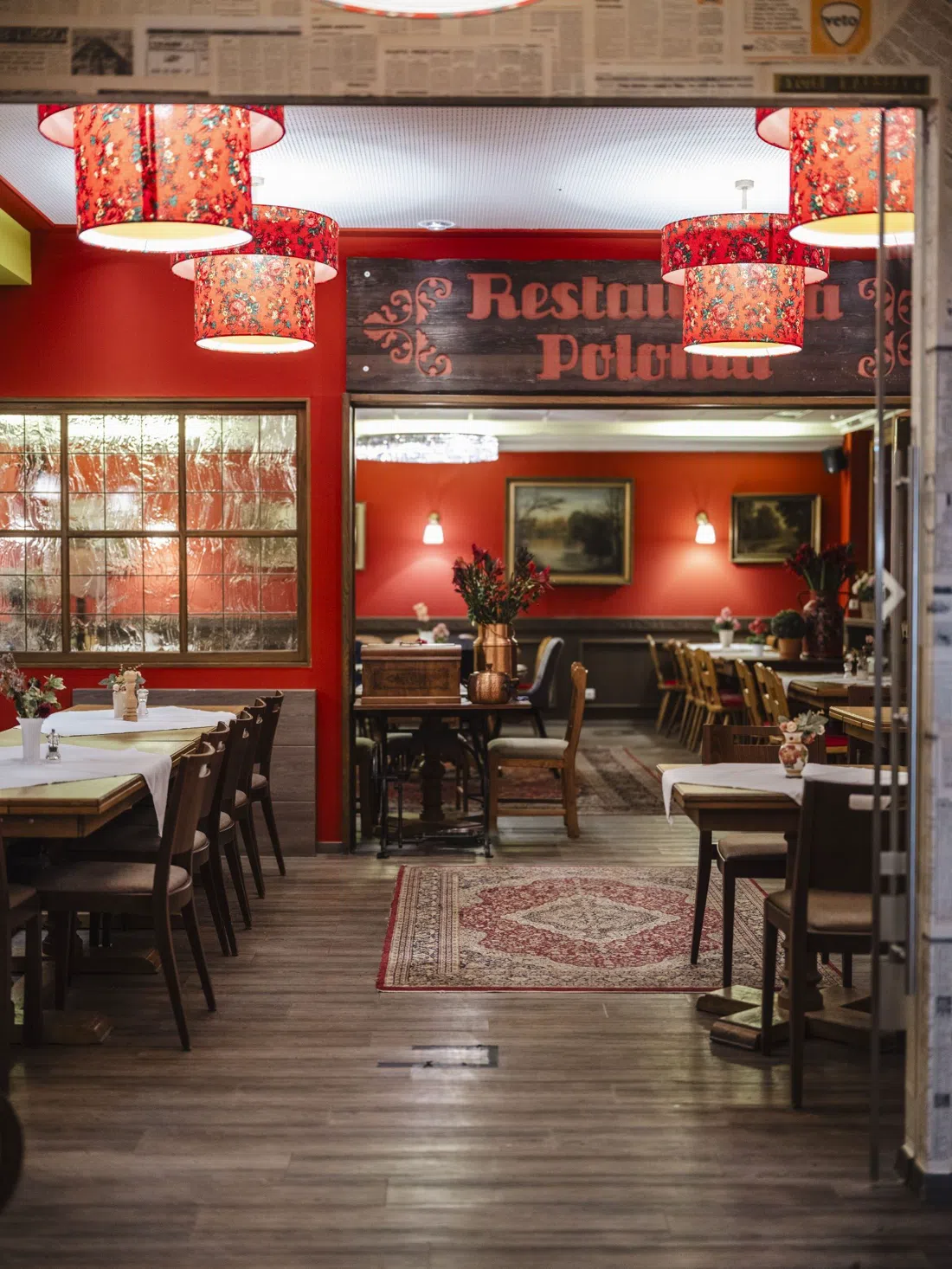
Most visitors base themselves at the main port. Pollonia (the north-east corner of the island) is the alternative, and it is the better one if the trip is organised around paddling rather than ferry times. It is a relaxed harbour village, genuinely group-friendly, with waterfront tavernas that take reservations and a quay from which the small ferry crosses to Kimolos for a few euros. Dinner at a taverna runs about €20 to €35 per person.
It is also the departure point for several of the north-coast paddles and the run down to Sykia, so staying there shortens the morning. The trade-off is honest: you are further from the port and the timetable, and in October a late ferry arrival plus a drive across the island in the dark is a poor start. If your trip is two days of water and a museum, Pollonia. If it is a single night and an early boat out, stay by the port.
Booking ahead or taking your chances
There is no door ticket for a kayak the way there is for a museum. You are booking a seat in a small group, and the group is small by design. Across the bookable trips on this stretch of coast there are 260 traveller reviews, and the top-rated trip holds 5.0 out of 5 from them. Prices start from about 71 USD per person. A guided option can be booked ahead online; book a few days out rather than the night before, and give the operator a working phone number.
The rule that matters more than the booking window is weather. Sea kayaking is weather-called, and October is the month when the call gets made most often. A responsible operator will move you or cancel you rather than launch into a rising sea, so build a spare day into the trip and check the cancellation terms before you pay. If you have only one day on the island and the wind is up, the museums and the walk down to the theatre are the day you actually get.
When to go out in October
Mornings are usually the calmest water of the day, and a morning launch buys you glass and shade against the cliffs. Late afternoon buys you colour, the light on the painted doors and the low sun in the cave mouths, which is why the sunset routes exist. If the forecast gives you one good window in a mixed week, take the morning; if it gives you a settled run of days, take one of each.
October itself is a month with a seam in it. Early in the month the sea still holds its summer warmth and swimming off the boat is comfortable for most people. Toward the end, two things change at once: seasonal businesses begin shutting for the winter, and on Sunday 25 October 2026 the clocks go back, which pulls sunset forward by an hour overnight. Any sunset plan made in the first week of the month needs rechecking in the last.
Ending the day above Plaka
Utopia Cafe (Plaka, on the edge of the village) is the obvious end to a kayak day, and the practical detail here is worth more than any description of the view. It takes no bookings and the terrace is small. Arrive around 17:30, ahead of the 18:00 opening, or a group of four will not get a rail-side table, because the queue forms before the doors open. Coffee and drinks run €4 to €10, with snack platters and desserts on top. After the clocks change in late October, confirm the opening hour that week rather than assuming the summer pattern still holds.
Is it worth it
Yes, with conditions. A kayak is the only way into the parts of this coast that a bigger boat has to pass: the slot at Papafragas, the cave mouths, the twenty metres of water directly under Klima's doors. Being at sea level changes what the geology looks like, and the included photographs close the one real gap in the experience. At €70 to €100 for a half-day it sits alongside a decent dinner for two in cost and well above it in what you remember.
It suits confident swimmers aged eleven and up, couples, small friend groups, and anyone who would rather work a little for the view. It does not suit anyone under eleven, anyone with a shoulder or lower-back problem they are managing, or anyone whose ideal day is a sunbed and a cold drink. If you want to cover the maximum amount of coastline in one day, a boat trip will do that better and you should book one instead. The kayak is the narrow, slow, specific version, and that is the point of it.
Practical notes for October 2026
Milos is reached by ferry from the mainland or a short flight from Athens, and October timetables thin out, so book the return leg before the outbound. On the island, buses link the port with Plaka and Pollonia on a reduced autumn timetable, workable if you plan around it and restrictive if you do not. A scooter or a small car buys flexibility, but nothing in this guide needs one: the Plaka walk is on foot, the theatre and catacombs are on foot from there, and the coves are reached by paddle.
Cards are fine at the port, in Pollonia and at the cafés, but carry €50 to €100 in small notes for the museums, the Kimolos ferry and smaller tavernas.
Three nights is the sensible minimum: one day for the water, one spare in case the wind takes it, and a morning for the museum-and-theatre walk. Keep the Mining Museum away from a paddle morning, given the 10:00 to 14:00 October hours and the Monday closure, and phone the Archaeological Museum the day before.
A day's budget: half-day kayak €70 to €100 per person; Mining Museum about €5; Archaeological Museum about €4, reduced €2; sunset drinks €4 to €10; taverna dinner in Pollonia €20 to €35. A syrmata rental at Klima starts around €120 a night and is booked months ahead, so treat it as a planned choice rather than a whim.
This piece sits on our Bonn hub, so if you are planning that end of the trip the Bonn guide and the Bonn hotel search are the places to start.