
Bonn ran West Germany for four decades from a stretch of riverbank you can walk end to end in twenty minutes, which is why a city of about 330,000 people keeps museums sized for a capital. The regional train down the Rhine takes less time than crossing a large city centre on foot, and it runs often enough that you can decide over breakfast. The only planning question is which half of Bonn you are willing to leave out.
The train down the Rhine
The two cities sit a little over twenty kilometres apart on the same river, and the regional services between them run several times an hour from early morning until late. Depending on which one you catch, the ride is eighteen to thirty minutes into Bonn Hauptbahnhof, itself five minutes' walk from the market square. Ignore the high-speed line. It stops at a station outside the city, costs more, and leaves you further from everything.
The slow alternative is the Stadtbahn, lines 16 and 18, which takes the better part of an hour through the suburbs and arrives in the tunnel underneath Bonn Hbf. The regional tariff is the same either way, so the choice is only about time; the tram helps if you are staying somewhere between the two cities rather than in the centre. Buy from the machine on the platform or in the transport app, and if you expect to use Bonn's own trams to reach the Museum Mile, the regional day ticket usually costs less than four singles. Anyone already carrying a Deutschlandticket has all of this paid for.
Come back on whatever you like, since trains run into the small hours. The only timetable that constrains the day is the boat's, which I will come to.
Out of the station and into the old town
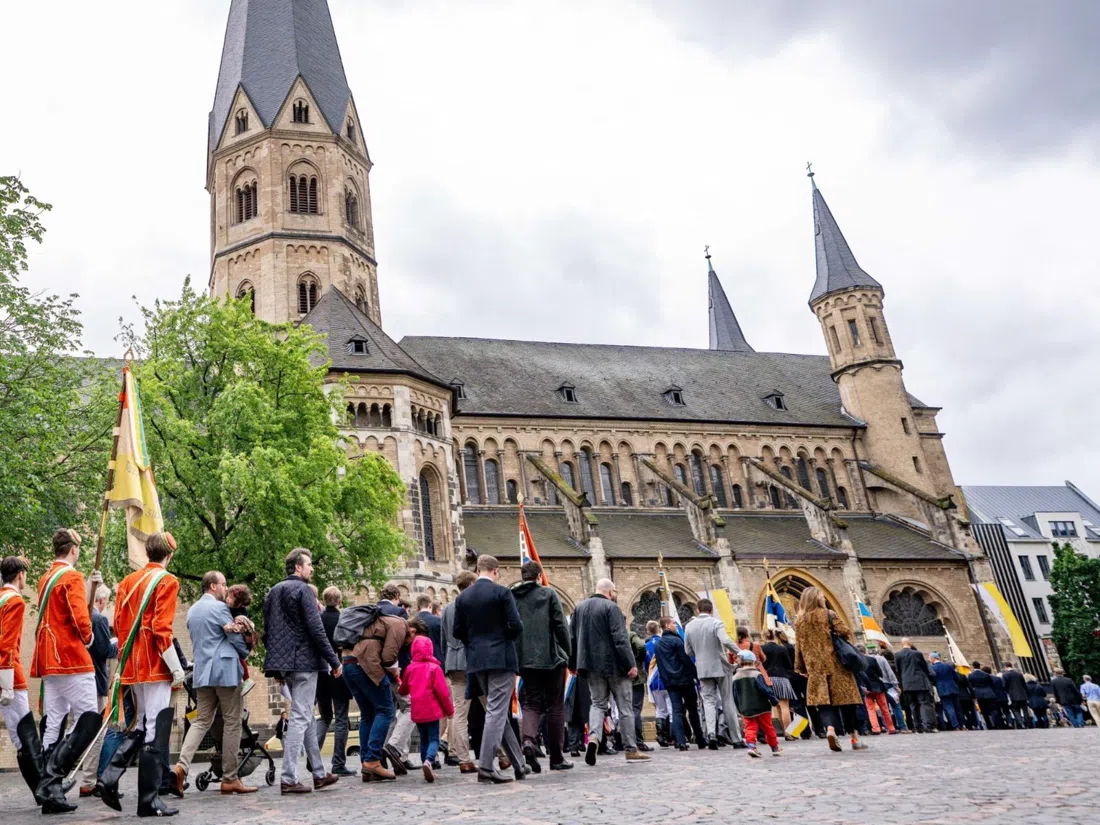
Walk north-east out of the station and you are on the Markt inside five minutes, facing Altes Rathaus (Markt, old town), the pink-and-gold rococo town hall of 1737. Its outside stair has served as a stage for visiting heads of state since the 1950s, and the square in front is the obvious place to meet anyone you have lost. Treat it as a stop rather than an attraction: the interior is still the mayor's working offices, opened only for occasional guided tours and official events. Two minutes away, Bonner Münster (Münsterplatz, centre) is the older and better thing. The Romanesque basilica reopened in 2021 after four years of restoration and the stonework shows it, pale and legible in a way these churches rarely are. It is a working church, free, and groups walk in without arrangement, though services take priority over sightseeing. Almost everyone photographs the nave and leaves; the cloister off the side is the quietest corner in the city centre and takes three minutes to find.
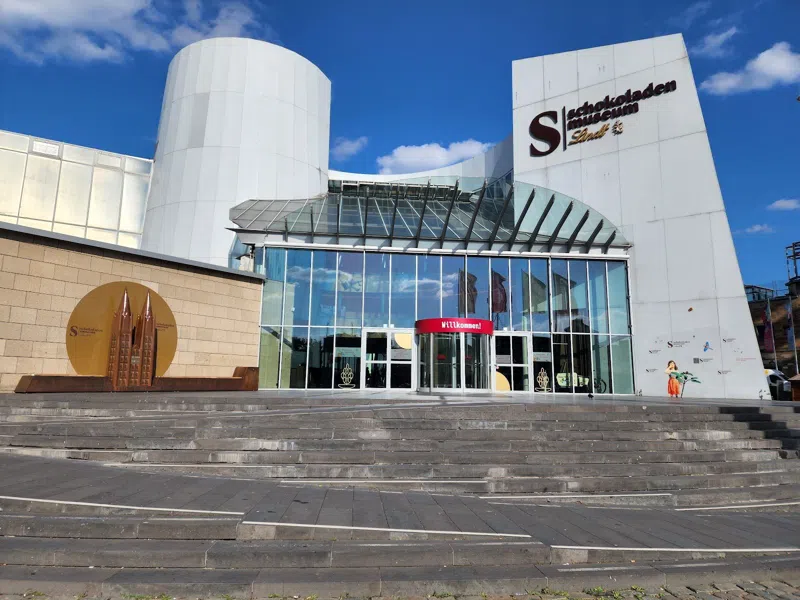
If you have children, or a sweet tooth, the HARIBO Store Bonn (Am Neutor, centre) is a short detour rather than a pilgrimage. The company was founded here in 1920, which makes this the home shop rather than an airport concession: pick and mix by weight, a few euros upward. It opens Monday to Saturday only, closed Sundays like all German retail, and on Saturdays the queue is real.

The birthplace and the Tuesday problem
Beethoven-Haus Bonn (Bonngasse, old town) is the reason most day-trippers come, and the one stop I would not trade. Beethoven was born here in 1770, in an attic room at the top of a narrow burgher's house, and the museum has grown backwards through the adjoining buildings to hold the instruments, manuscripts and ear trumpets. Allow an hour, ninety minutes if you use the audio guide properly.
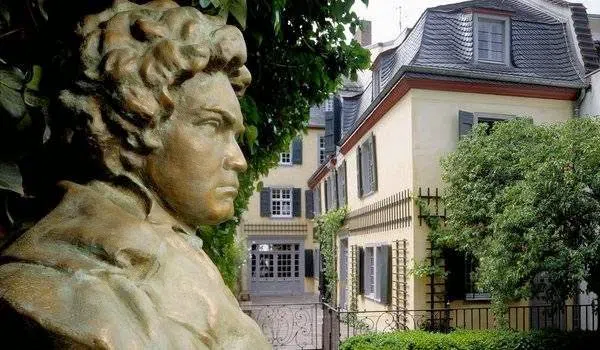
Two things will catch you out. Adult entry is €15 and children €10, but during the Warhol exhibition running 9 September 2026 to 5 April 2027 that rises to €17 and €12, which is the price anyone visiting this autumn or winter will pay. More importantly, Tuesday is the public closing day, reserved exclusively for pre-booked groups on tours arranged through the education department. Arriving on a Tuesday as a couple or a family means standing outside a locked door. Book a timed slot through Bonnticket in advance whatever day you come; the house is small and the late-morning slots go first.
The Museum Mile and the democracy trail
The museums that justify Bonn's scale sit a couple of kilometres south of the centre, along Adenauerallee. Take Stadtbahn 16, 63 or 66 three stops to Heussallee/Museumsmeile, or walk it in twenty-five minutes if the weather is behaving.
Haus der Geschichte der Bundesrepublik Deutschland (Museumsmeile, Gronau) is free and the best-value hour in the city. It explains with real objects (a rail carriage, a Chancellor's Mercedes, kitchen appliances) how a small Rhine town ended up running a country, and it does so without the reverence such museums usually carry. It opens at 9am Tuesday to Friday and closes Mondays. Groups of fifteen or more can book a guided visit in advance, and should.
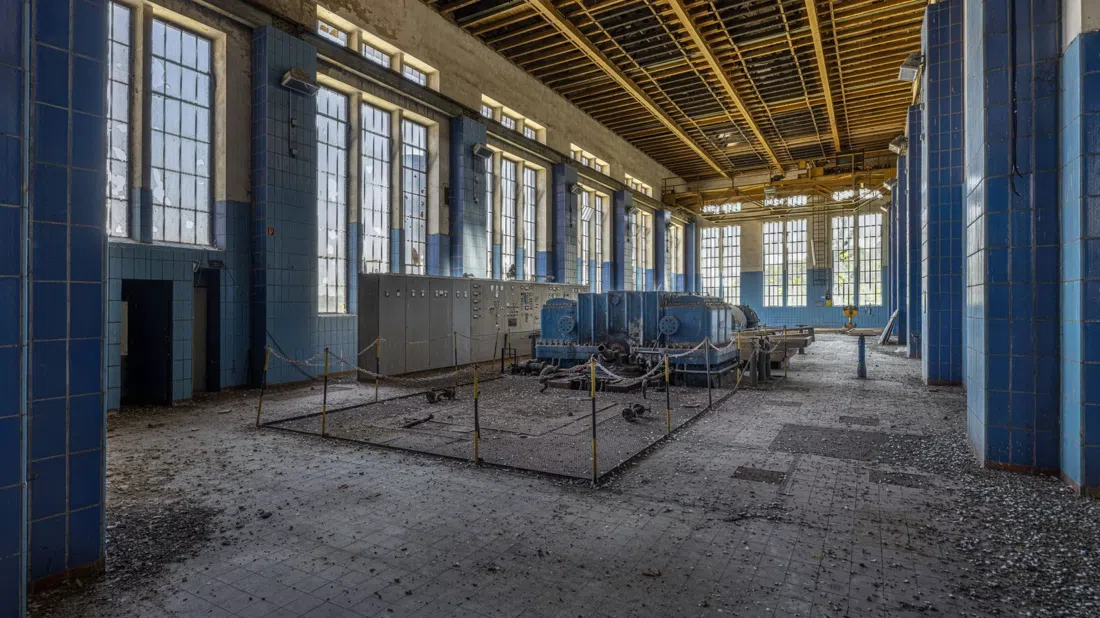
Across the forecourt, the Bundeskunsthalle (Museumsmeile, Gronau) is the blockbuster hall, so the value depends entirely on what is hanging. Check the current exhibition before you commit an afternoon; a day ticket is €14, €7 reduced, and the final hour of the day drops to €7 for everyone. Groups of ten or more pay €11.20 a head. Either way, go up to the roof garden, which is open to all during normal hours and has a slide on it.
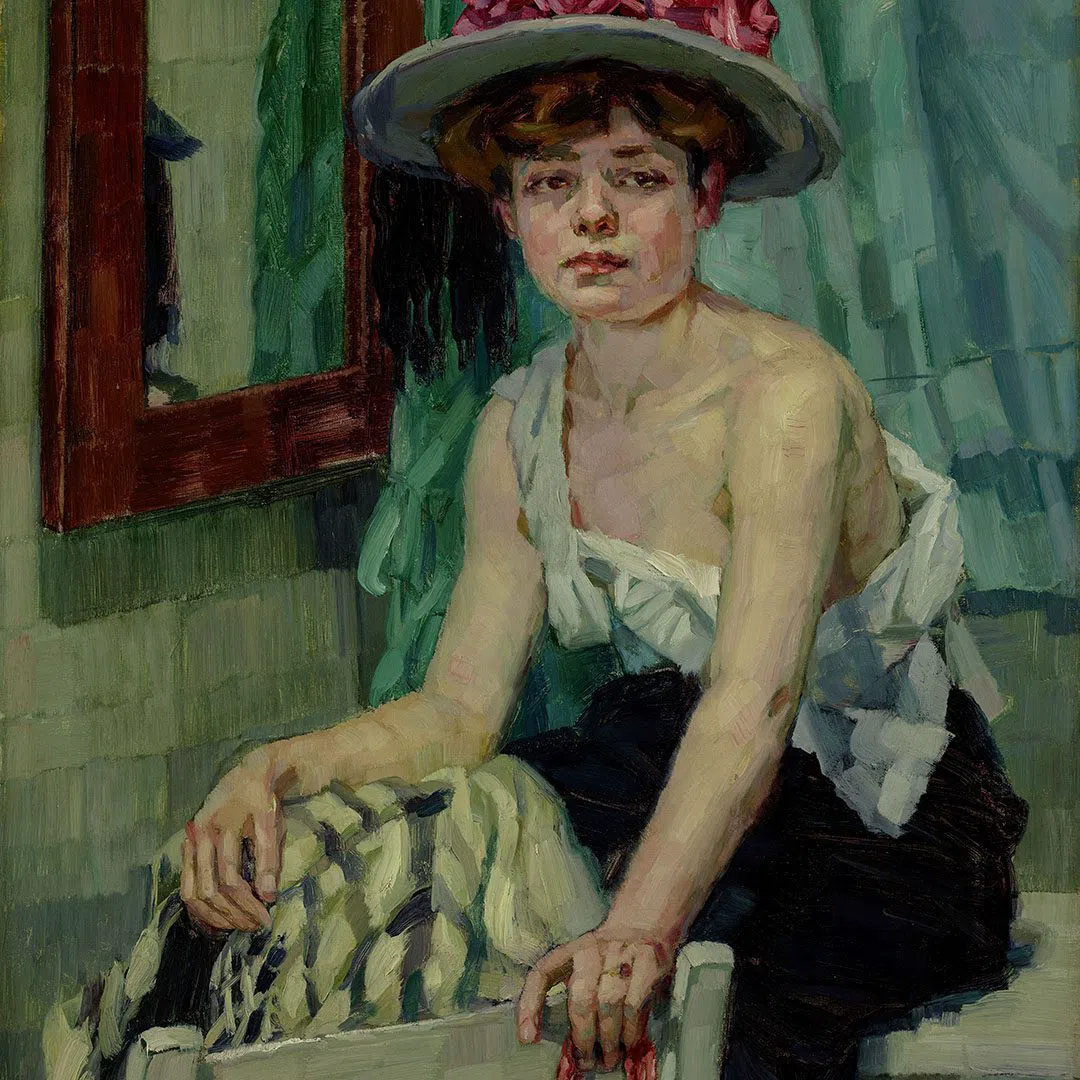
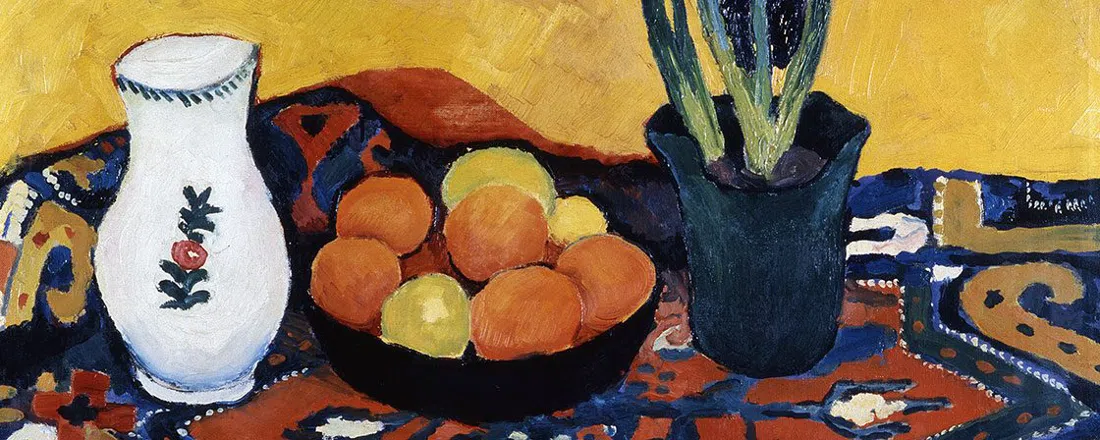
Kunstmuseum Bonn (Museumsmeile, next door) is the one I would protect if time is short. Its holdings of August Macke are the strongest anywhere, the rooms are calm, and the whole thing takes under an hour. Entry is €10, €5 reduced, under-18s free, and free on the first Sunday of the month; a combined ticket with the Bundeskunsthalle is €20, worth it only if you were going to both anyway. Groups of ten or more pay €8 a head.

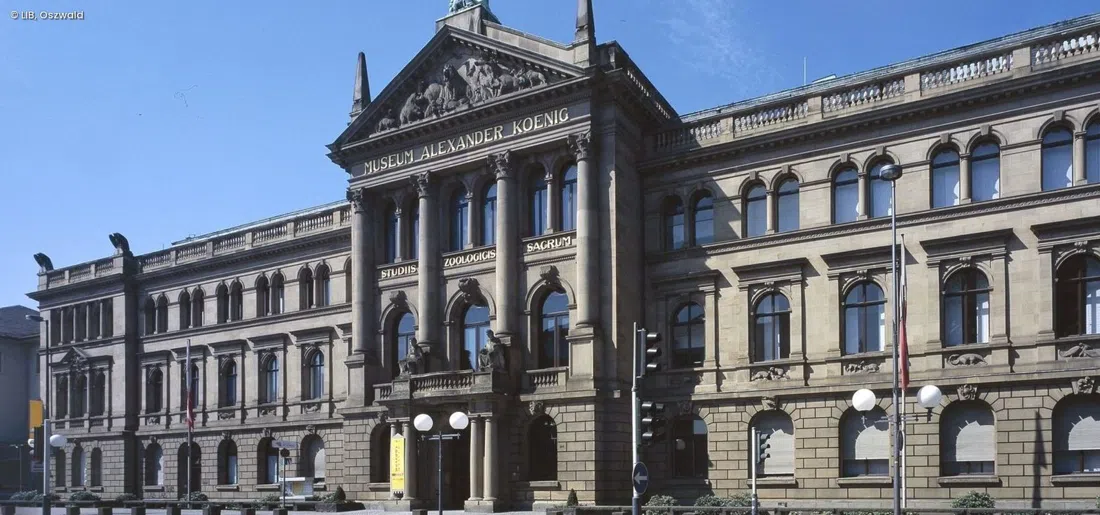
At the northern end, Museum Koenig Bonn (Adenauerallee, Gronau) is a natural history museum built around walk-through habitat dioramas: €6 adult, €3 reduced, €15 for a family, €5 a head for groups of ten. It is cheap, quick and unusually good with children, and it doubles as a history stop, because the Parliamentary Council first met in this hall in 1948 to draft the constitution. Two museums for one entrance fee, in effect.
Macke's studio, calculating machines and a baroque garden
If the Museum Mile sounds like homework, Bonn has a quieter parallel day, all of it walkable from the centre.
Museum August Macke Haus (Bornheimer Straße, Nordstadt) is the house where Macke lived and worked until he left for the front in 1914, and the restored studio floor is the point of the visit rather than a footnote to it. Entry is €12, €9 reduced, €6 for ages 7 to 18, with a flat €5 on Thursdays after 4pm; groups of ten or more pay €10 or €7 a head, school groups €4. It opens late, at 11am, and only Wednesday to Sunday, so it has to be built into the day rather than dropped in.
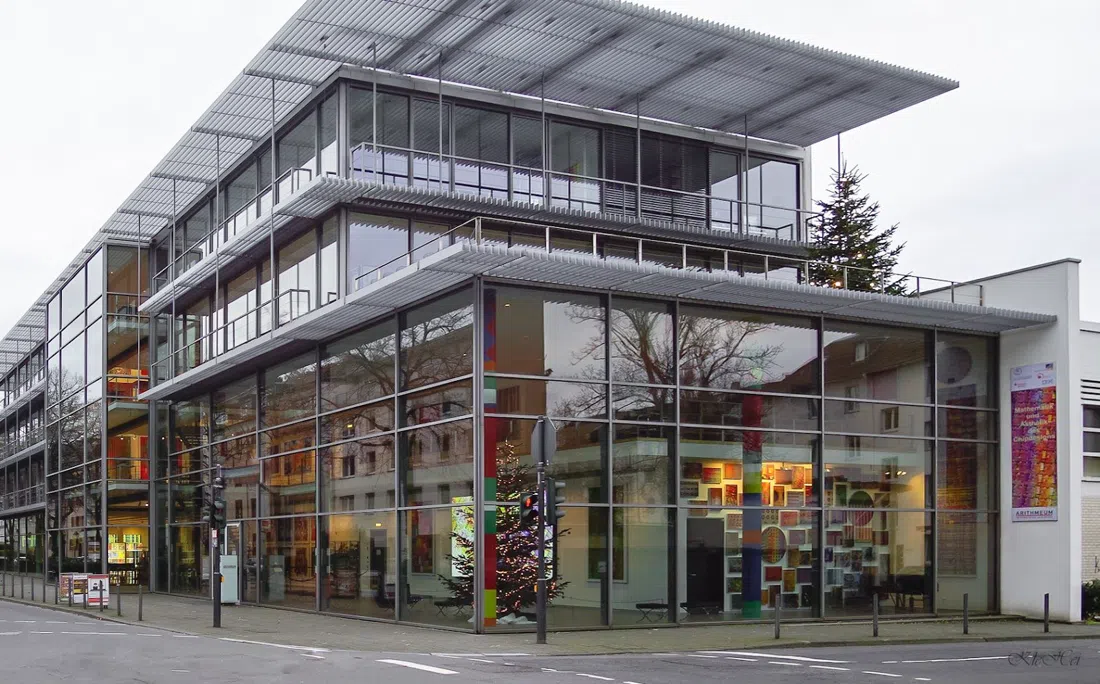
The Arithmeum (Lennéstraße, by the Hofgarten) is the most surprising room in Bonn and is usually close to empty: around 1,200 calculating machines, from geared seventeenth-century boxes to early computers, displayed with the seriousness of an art collection. About €3 for an adult and roughly €8 for a family, closed Mondays. It is small, so groups should call ahead on +49 228 73 87 90 rather than turn up en masse.
Ten minutes' walk from the station down a chestnut avenue, the Botanische Gärten der Universität Bonn surround the Poppelsdorfer Schloss (Poppelsdorf), an early-eighteenth-century electors' palace now owned by the university. The gardens are free Monday to Friday and €4 (€2 reduced) at weekends and on holidays, under-12s free, a rare case where the weekday visitor is rewarded. If the Rhine weather turns, the Mineralogical Museum inside the palace is the dry backup.
Eating between the museums
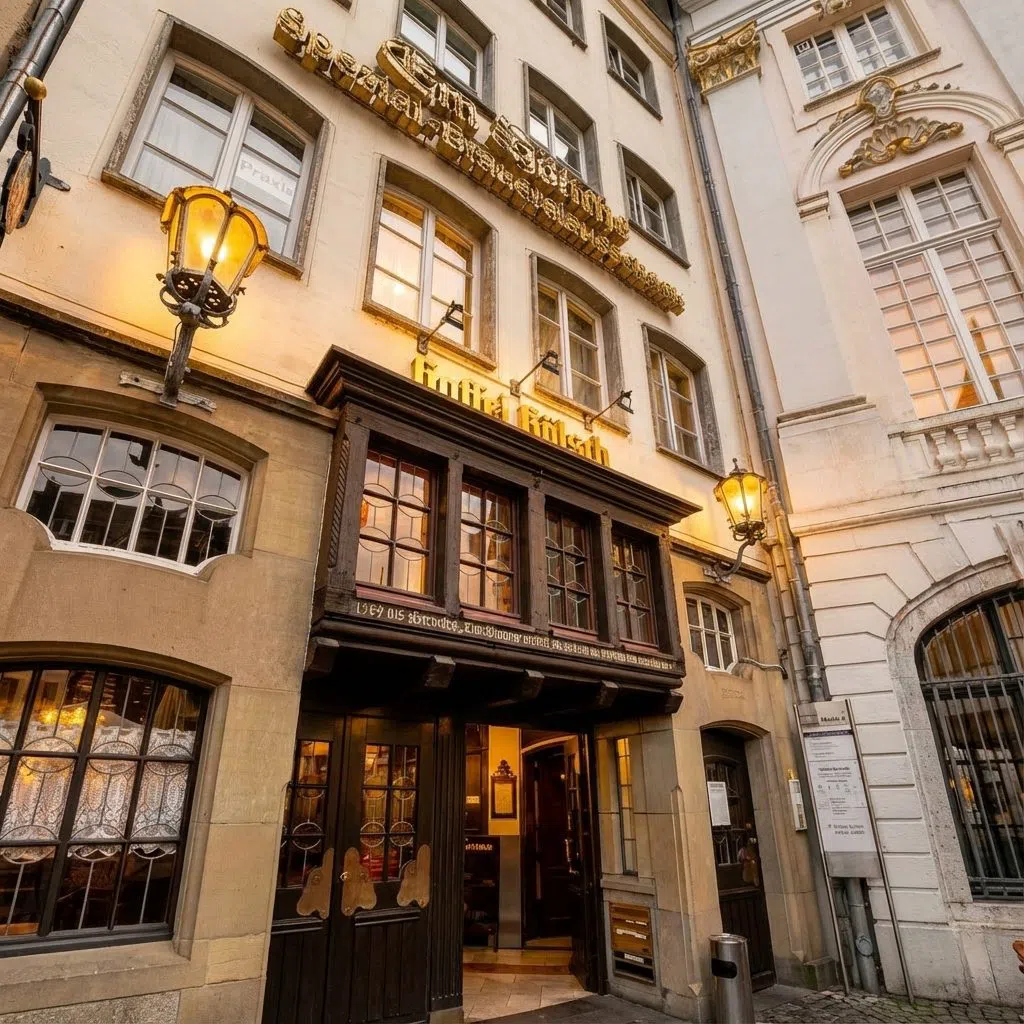
Em Höttche (Markt, old town) is Bonn's oldest inn, dark-panelled, on the market square, and reliably good on the regional classics rather than ambitious beyond them. Mains run roughly €18 to €30. The dining rooms are large enough to absorb a group, but reserve for six or more, and take the terrace if the sun is out.
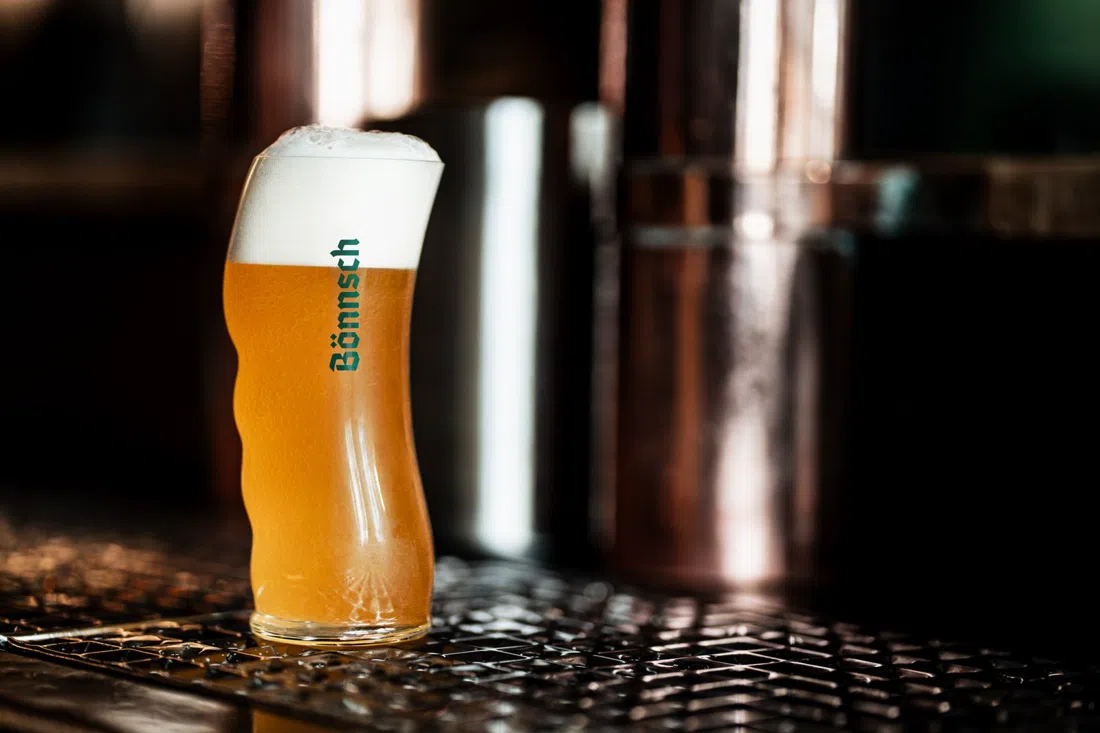
Brauhaus Bönnsch (Sterntorbrücke, centre) brews its own unfiltered beer, served nowhere else, in a glass with a waist in it. Mains are about €15 to €25, group menus are standard, and weekends need booking. If you have spent the morning on Kölsch, this is the deliberate change of gear.
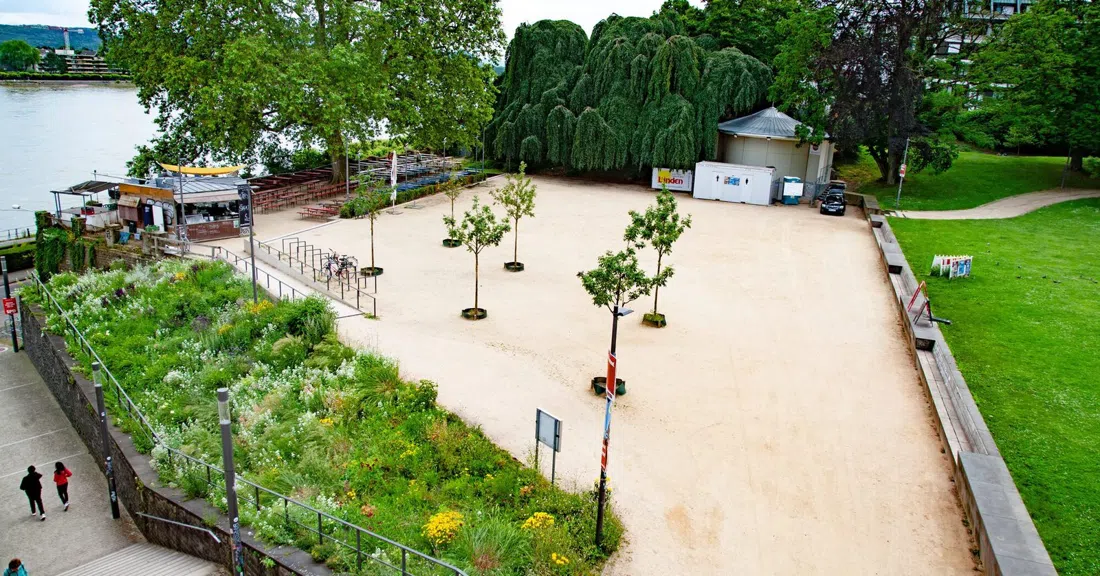
The last stop should be Biergarten am Alten Zoll (Alter Zoll, above the river by the Hofgarten), set on the old bastion between the university's main building and the water. It is a walk-in beer garden with no door policy that swallows groups easily, roughly €15 to €25 a head for beer and a pizza or a sausage, open daily 11am to midnight in season and entirely at the mercy of the weather. The view over the Rhine to the hills costs nothing, and the station is eight minutes downhill.
The river day instead of the museum day
There is a second version of this trip that abandons the museums entirely. The KD Rhine boats (Brassertufer landing stage, by the old town) run scheduled sailings from April to October, daily except Mondays in peak season, and the short leg south towards Königswinter is the scenic one, roughly €15 to €30 return, with evening lounge cruises priced separately. Book ahead in high summer. The number to check is the return sailing time; hold it against the train you intend to take back before you buy.
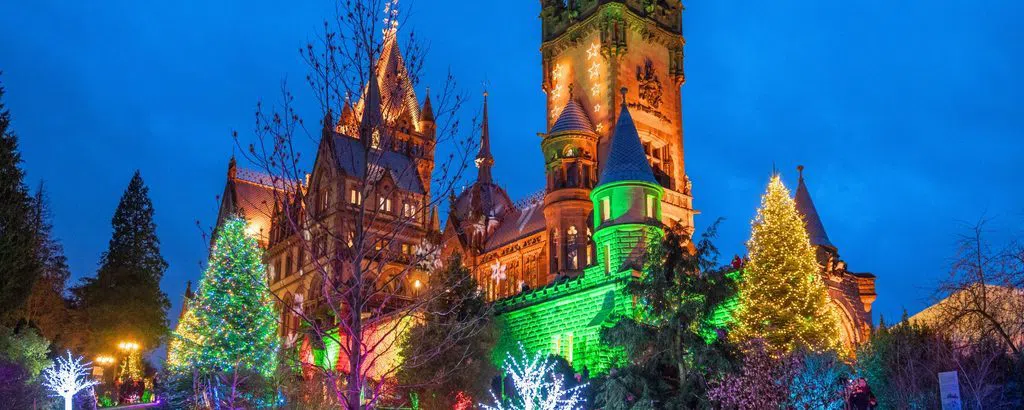
At the far end, Schloss Drachenburg (Königswinter, on the Drachenfels) is a nineteenth-century banker's fantasy of a castle, twenty-five minutes from Bonn on the Stadtbahn if you would rather not take the boat. Entry is around €10, and the Drachenfels rack railway up to it costs roughly €15 return, with a €12 a head group rate for parties of twenty-five or more arranged by email. Private guided tours and suite hire exist for groups. Be honest with yourself about the arithmetic: with the climb, the views and the wait for the train back, it eats half a day. Do it instead of the Museum Mile, not as well as.
Shaping the hours
The standard day, and the one that works: a 9am train, the minster and the market square on the walk in, Beethoven-Haus on a booked slot at 10.30, lunch at Em Höttche or Bönnsch, the Stadtbahn south at 1.30 for Haus der Geschichte and the Kunstmuseum, and the Alter Zoll for the last hour of light. That is a full, unhurried day with one museum in reserve.
The quiet day: Beethoven-Haus first, then the Arithmeum, the Macke house when it opens at 11, and the Poppelsdorf gardens in the afternoon. Almost no queues, under €30 of admissions, and more walking.
The river day: the boat south mid-morning, the castle and the hill, back by late afternoon, dinner in the old town. One city, seen from the water.
Practical notes for the day
Regional trains run several times an hour, eighteen to thirty minutes each way, and the Stadtbahn is the slow fallback. One regional day ticket covers the journey plus Bonn's own trams, which you will use if the Museum Mile is on your list. Everything in the centre is walkable, and nothing in this guide needs a car.
Monday is the day to avoid: Haus der Geschichte, the Arithmeum and the Macke house are all shut, and the boats do not run in peak season. Tuesday loses Beethoven-Haus to pre-booked groups. Wednesday to Friday is the sweet spot, with the gardens free, the museums open and the city empty of weekend crowds. Saturday works if you skip the Macke house's late opening; Sunday costs you the HARIBO shop and charges for the gardens, but gives free entry to the Kunstmuseum on the month's first Sunday.
The museums take cards without fuss. The taverns and the beer garden are more old-fashioned, and the market stalls are cash only. Carry €50 in notes and you will not be caught out.
Reckon €35 to €50 a head for a museum-led day including admissions, lunch and the train. Strip that to about €25 by leaning on what is free (the minster, Haus der Geschichte, the weekday gardens, the view from the Alter Zoll) and paying only for Beethoven-Haus and a beer. A family of four doing Museum Koenig and the gardens will spend less than one adult ticket at the Bundeskunsthalle.
If the day runs long and the last train stops appealing, the Bonn hotel search covers the centre and the station area, both of which put you inside the walking radius described above. For the rest of the city (the districts, the river walks, the places that need more than a day) see the Bonn guide.