
A man named Hans Riegel walked into Bonn's town hall on 13 December 1920 and had his one-man confectionery business entered into the trade register under his own initials and his city's name: HARIBO, Hans Riegel Bonn. He worked from a converted washhouse kitchen, boiled sugar over a single stove, and within a few years shaped it into a small dancing bear you could pinch between two fingers. A little over a century later, that registration has made this quiet former West German capital the reluctant birthplace of one of the most eaten sweets on earth — and its old town still carries the story, in brick and shopfronts, if you know where to look.
This is not a theme-park itinerary. Bonn doesn't dress the story up with a Haribo museum or a factory tour — the modern production plant is well outside the centre and isn't open to visitors — so what you're chasing here is the civic and human trace of the company's founding, plus a city that was already old, and would later become politically important, long before anyone thought to make sugar in the shape of a bear. Treat the Haribo thread as the spine of a day that also takes in the Rhine, a Romanesque cathedral, and Bonn's postwar identity as a government town. For the fuller lay of the city beyond this one story, the Bonn guide covers the rest of it.
The registry office and the bear's birth certificate
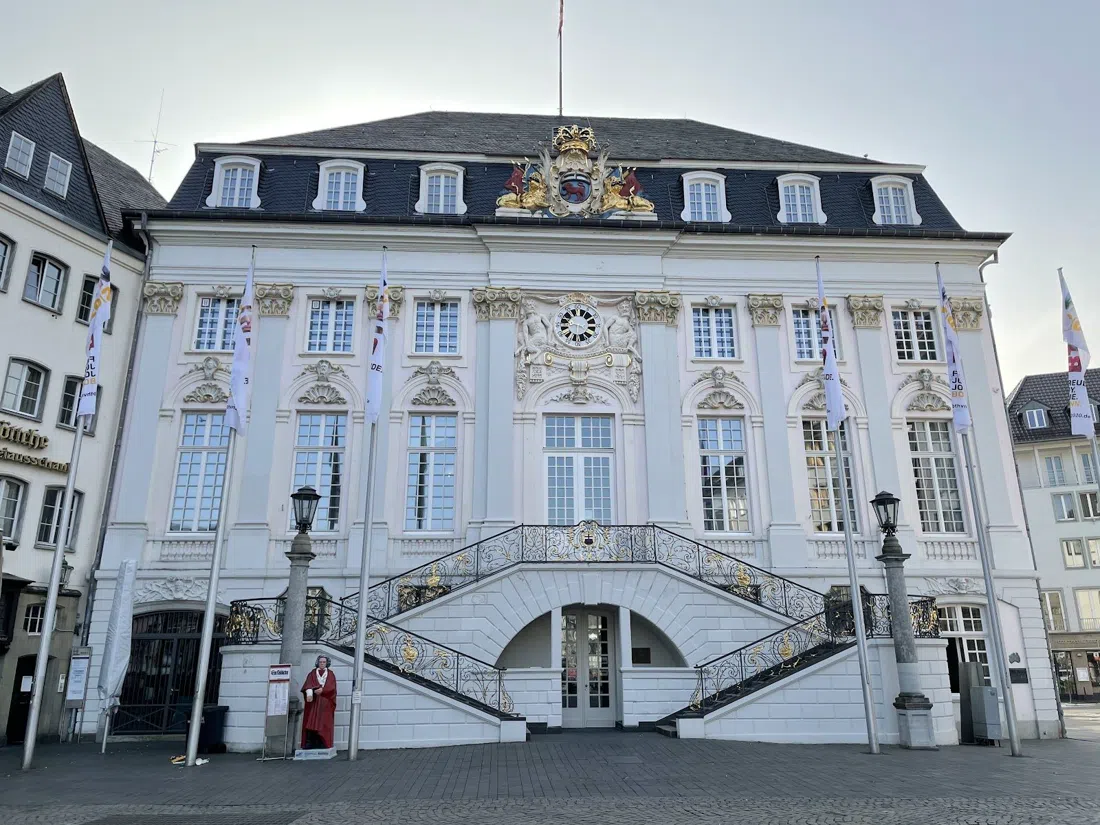
Start, as Hans Riegel did, at Marktplatz & Altes Rathaus (Bonn's old town square). This is a working public square with no gate, no ticket, and no capacity limit — you can turn up with two people or twenty and simply stand where the paperwork happened. The Rathaus itself, a pink and gold Baroque town hall from 1737, is a functioning civic building and not generally open to visitors, so this stop is about the square, not the interior: read the plaque, take in the market stalls if it's a trading day, and picture a confectioner in his thirties filing a business registration that nobody in the room would have thought twice about. It costs nothing and takes ten minutes, which makes it the natural opening beat of the day rather than a destination in itself.
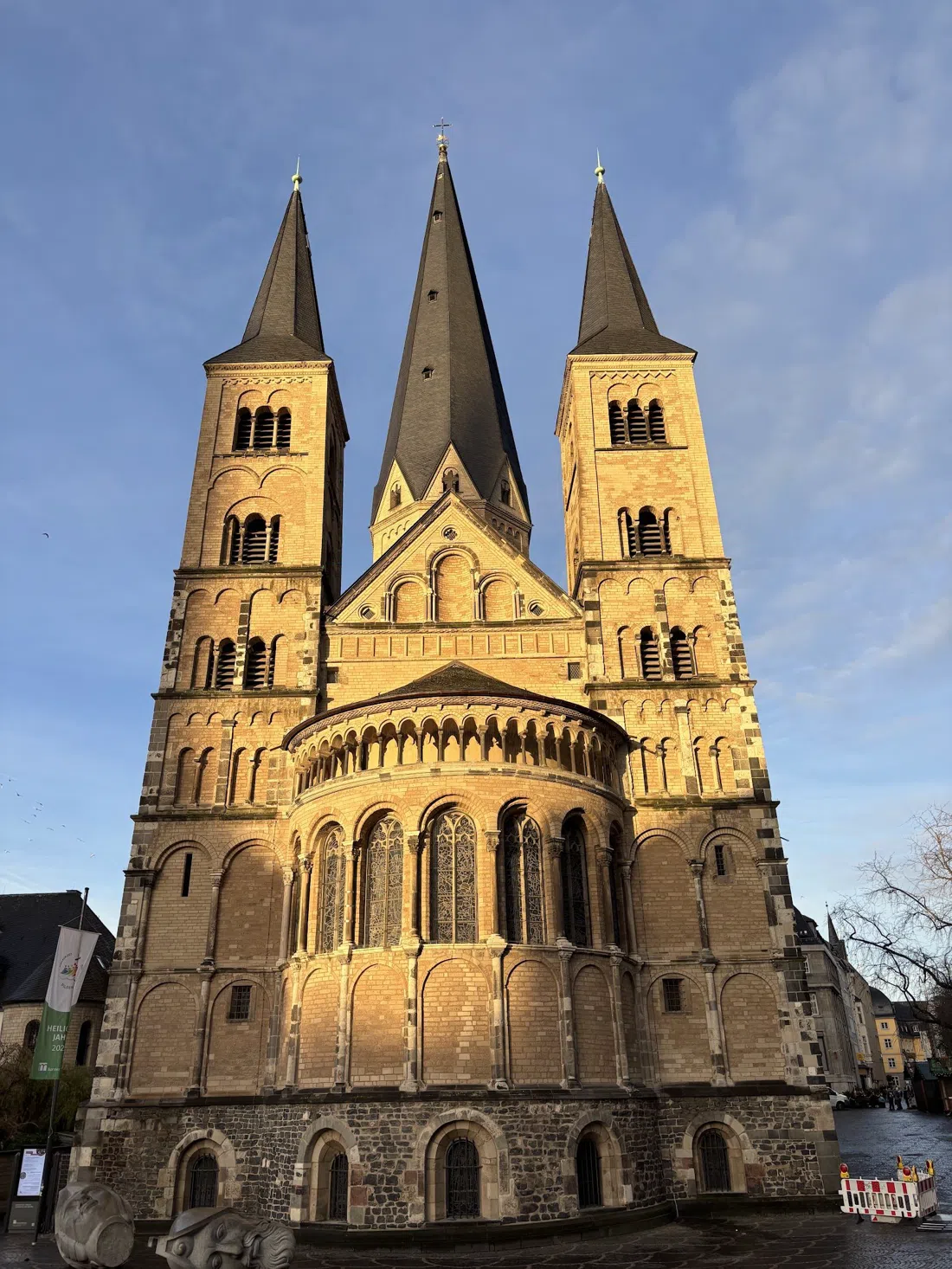
From the Markt, it's a short walk to Bonner Münster (just off Münsterplatz, a few minutes from the square), and this is where the itinerary deliberately steps backward nine centuries before it goes anywhere near sugar. The Münster is one of Germany's significant Romanesque churches, with roots running back to the 11th century, and it's open to all visitors free of charge, donations welcome. Groups wanting more than a walk-through can arrange a guided tour with the parish office in advance, but there's no need to book if you just want to sit in the nave for ten minutes. The point of putting it early in the day is proportion: Bonn's candy fame is a 20th-century footnote on a much older city, and the Münster is the fastest way to feel that.
Where to actually buy the bear
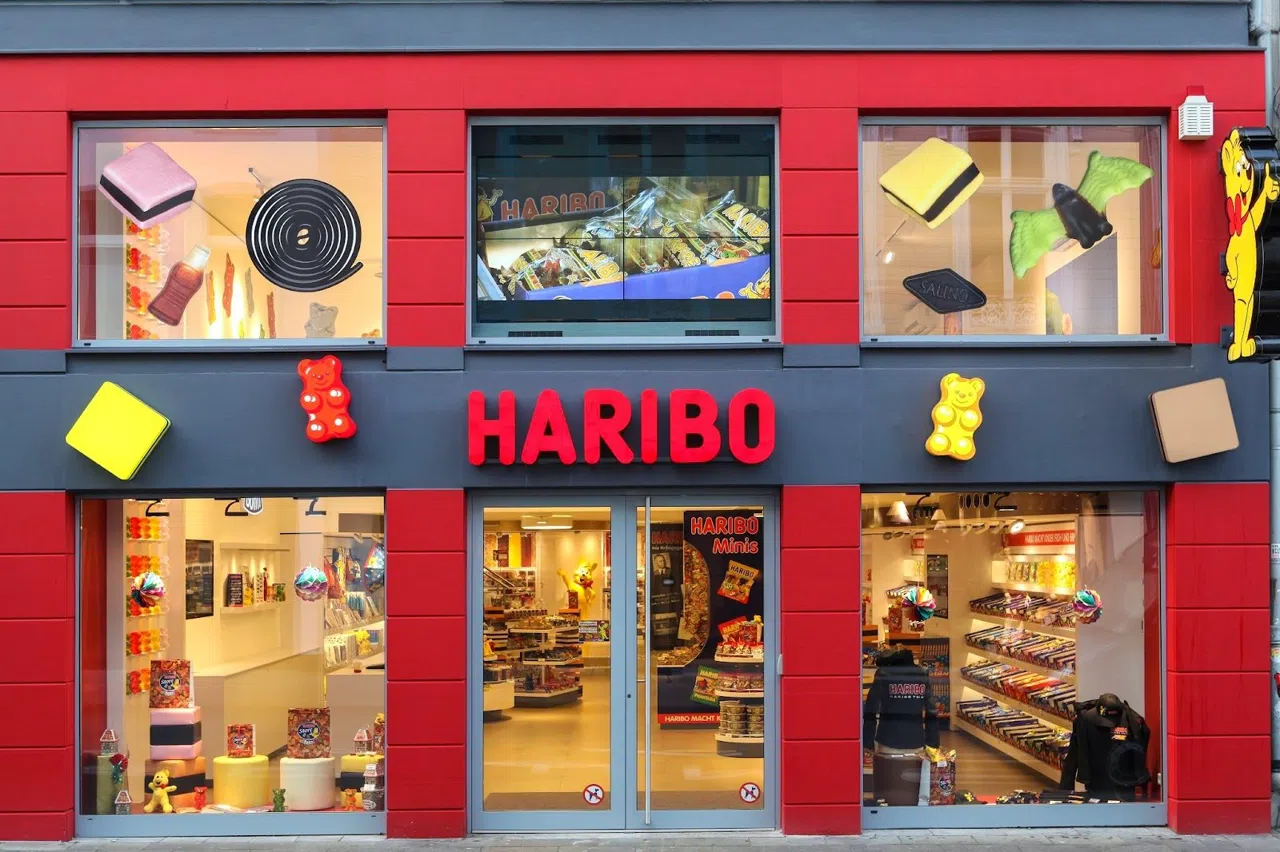
Haribo's flagship retail presence in the centre is the HARIBO Shop Bonn (Poststraße, five minutes' walk from Marktplatz), and it's worth being precise about what this is and isn't. It's a shop, not an attraction with a queue system or a booked slot — you walk in, you fill a bag by weight from the pick-and-mix wall, and you pay, typically somewhere between €3 and €10 depending on how greedy the bag gets. Entry is free because there's nothing to enter beyond a shop door. The footprint is small, though, which matters if you're travelling as a larger group: it suits casual walk-ins of a handful of people comfortably, but if you're arriving with a school group or a coach party, call ahead so the staff aren't dealing with a scrum at the scales.
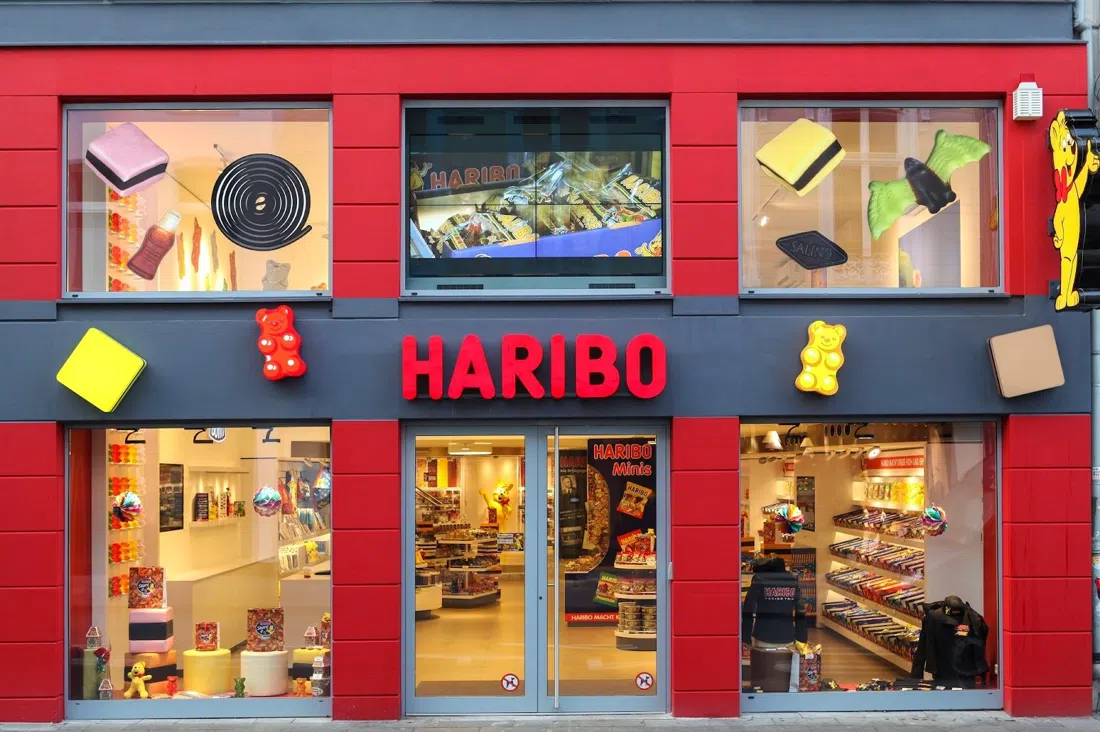
Bonn also has a Haribo outlet in the Bad Godesberg district, further from the centre, and locals will sometimes send you there instead. Don't bother unless you're already headed that way — the Poststraße shop carries the same range, is a five-minute walk from the Markt, and slots into a walking day far more easily than a detour south. If your goal is simply to leave Bonn with a bag of gummy bears bought in the company's home city, Poststraße does the job.
The other side of Bonn's sweet tooth
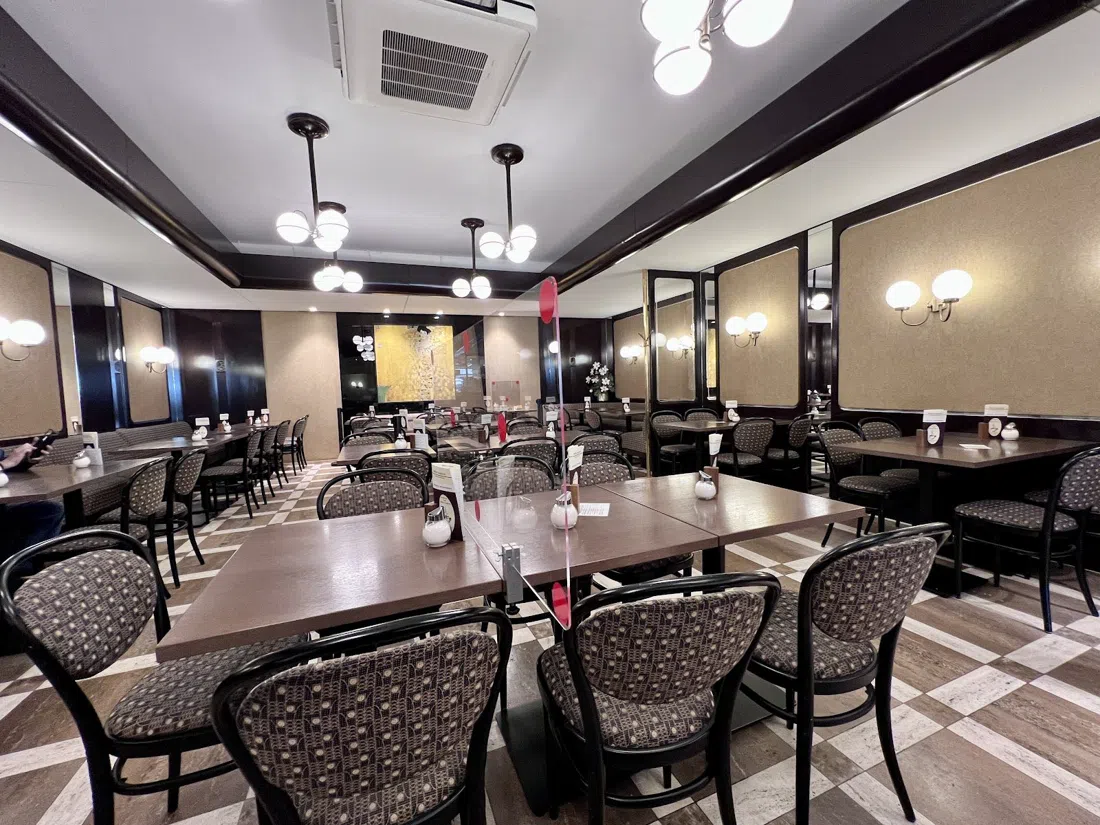
Haribo is mass-market confectionery, and Bonn's old town also holds the opposite end of the sugar spectrum, which is worth a stop for contrast rather than completeness. Café Konditorei Müller-Langhardt (on the Markt itself) has been running since 1913, seven years before Riegel filed his registration a few doors down, and it's now three generations deep in the same family patisserie craft — proper baked cake, proper coffee, table service. It's a traditional seated café rather than a grab-and-go counter, so if you're arriving as a group of more than four to six, phone ahead for table space; a slice of cake with coffee runs roughly €4 to €8. This is the stop for someone who wants to sit down for twenty minutes rather than keep walking, and it makes a natural pairing with the Marktplatz opening beat since it's on the same square.
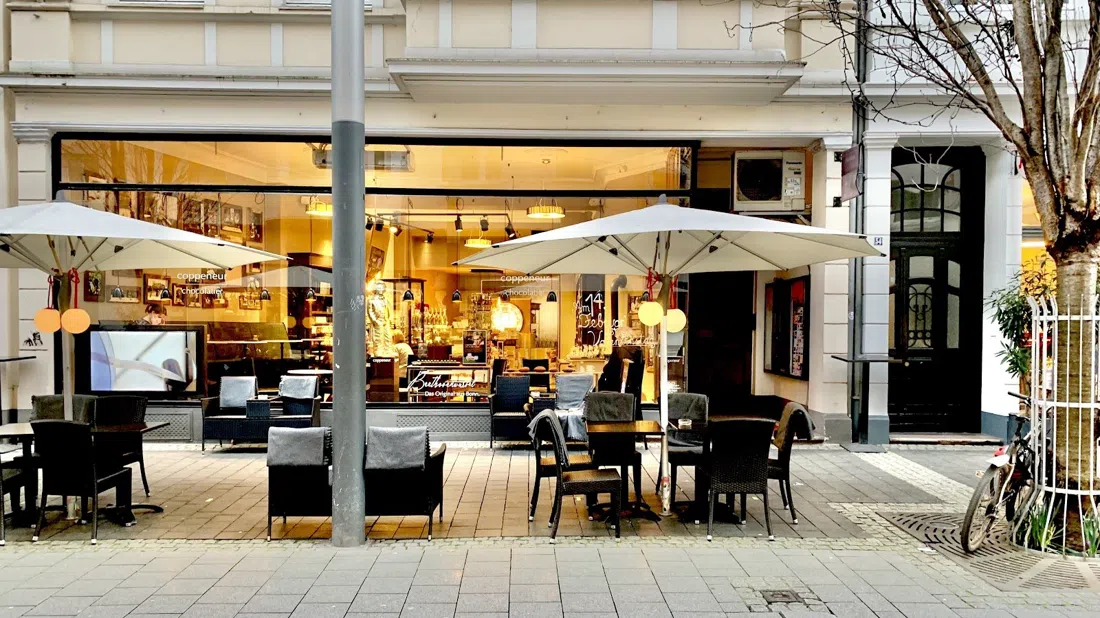
For something more boutique again, Coppeneur Chocolatier (in Bonn's old town) does craft pralines and bars in the €3 to €10 range, plus a hot chocolate around €5 that's worth the stop on a cold day. It's a small shop, built for pairs or small groups rather than parties — call ahead if you're bringing more than a couple of people. Framing it plainly: Haribo is industrial gummy candy that conquered the world by being cheap and consistent; Coppeneur is the small-batch chocolate maker doing the opposite. Putting both in the same afternoon says more about Bonn's relationship with sugar than either shop does alone.
A beer garden view over the Rhine
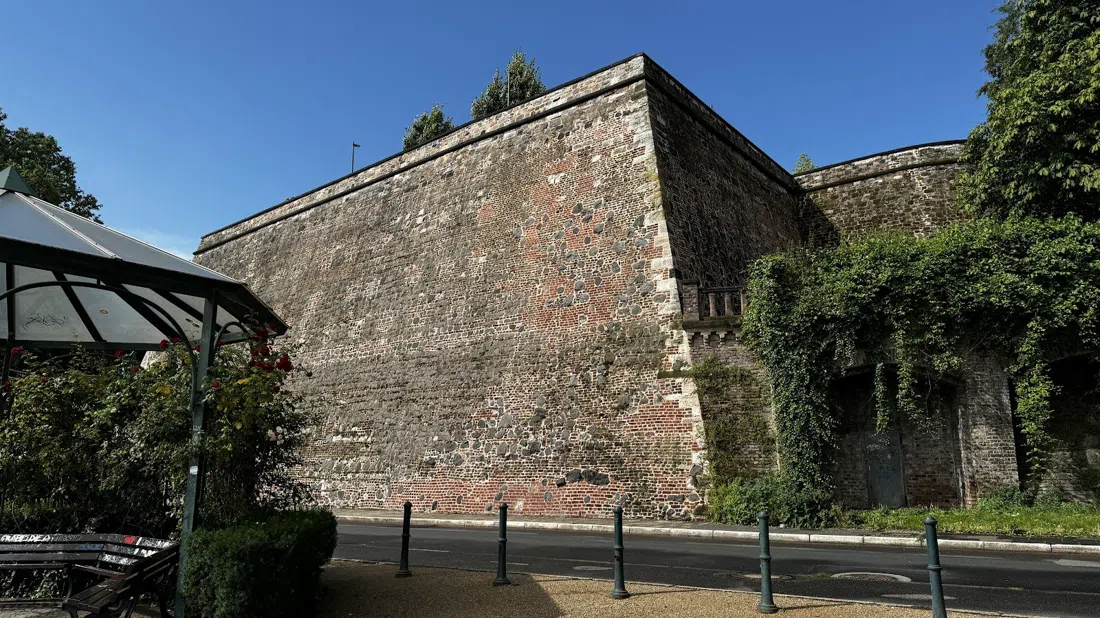
Once you're carrying a bag of gummy bears, Alter Zoll (the old customs bastion above the Rhine) is the obvious place to sit down with it. It's an open terrace and beer garden built into the old city fortifications, looking straight down onto the river, and it's genuinely one of the more scenic beer gardens in the city rather than a tourist-menu version of one. There's no booking for the viewpoint itself and it handles groups easily — turn up, find a bench, order a drink for roughly €4 to €6, and watch barges go past while you work through the candy haul. It's free to view even if you don't buy anything, which makes it a low-cost pause point rather than a paid stop.
The Bonn Republic, in the background
Haribo's rise wasn't happening in a vacuum. From 1949 to 1990, Bonn was the capital of West Germany — a status nobody expected for a university town this size — and Haribo was becoming a household name across the country from just down the road during exactly that period. Haus der Geschichte (on the Museumsmeile) tells that postwar story directly: divided Germany, the "Bonn Republic," reunification, all free to enter, with group tours available in multiple languages by arrangement. It's not about Haribo specifically, but it's the fastest way to understand why a candy company founded in a Bonn kitchen ended up as a national fixture rather than a regional curiosity — it grew up alongside a Germany that was rebuilding its identity from this exact city.
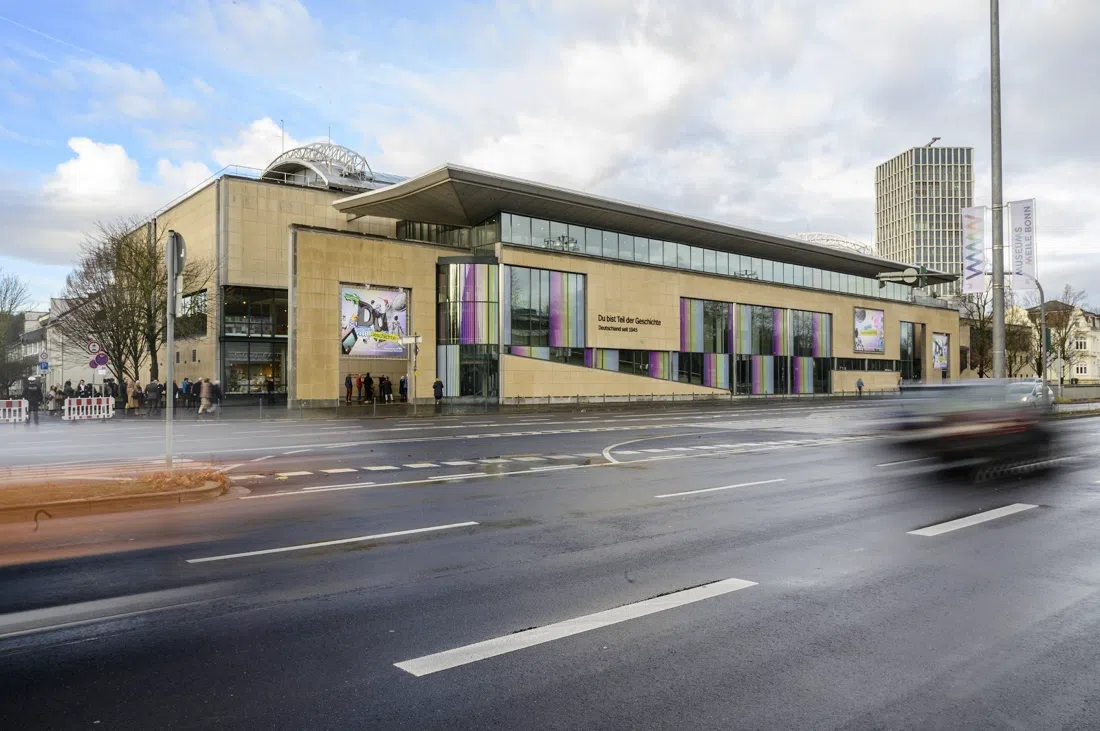
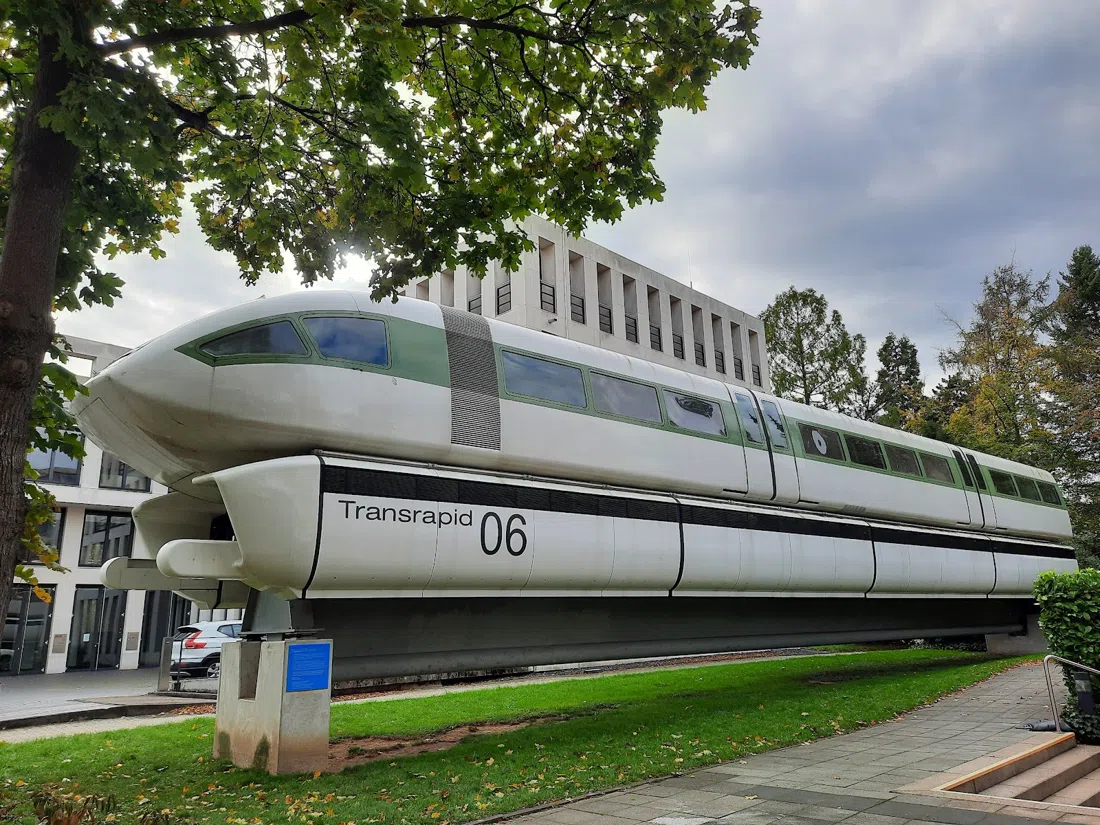
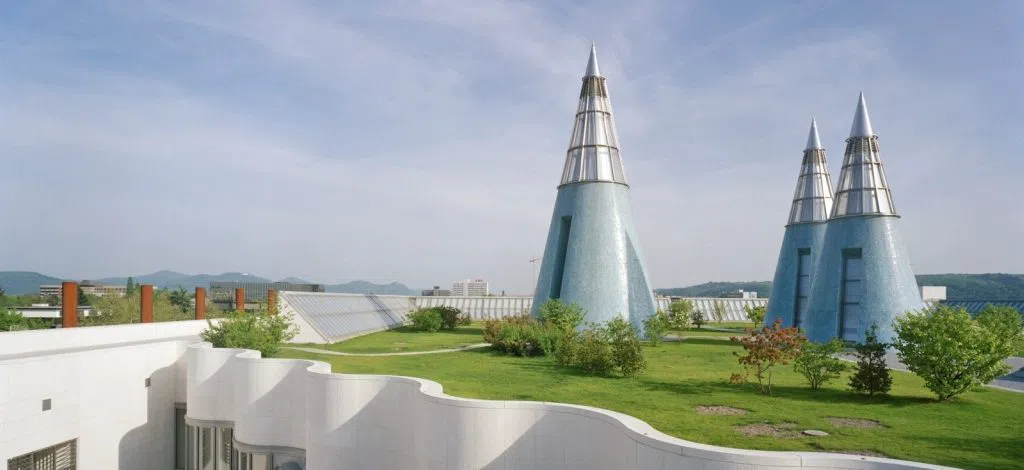
Next door on the same Museumsmeile, Bundeskunsthalle (next to Haus der Geschichte) is Bonn's headline contemporary art venue, with a rotating programme and a family-friendly streak that suits a change of pace if you've built a full day around this itinerary. Admission runs roughly €10 to €14 for adults and is free for anyone under 19; group tickets and guided tours are bookable in advance if you're arriving with a party. A short walk further along the same strip, Deutsches Museum Bonn (also on the Museumsmeile) covers postwar German research and industry, roughly €5 to €8 for an adult, with group tours bookable ahead and exhibits that work well for family and school visits. It's a fitting sidebar to the Haribo story in its own right — a museum about how German engineering and industry scaled up in the same decades a kitchen candy operation was turning into a confectionery giant.
Green pauses between the sugar
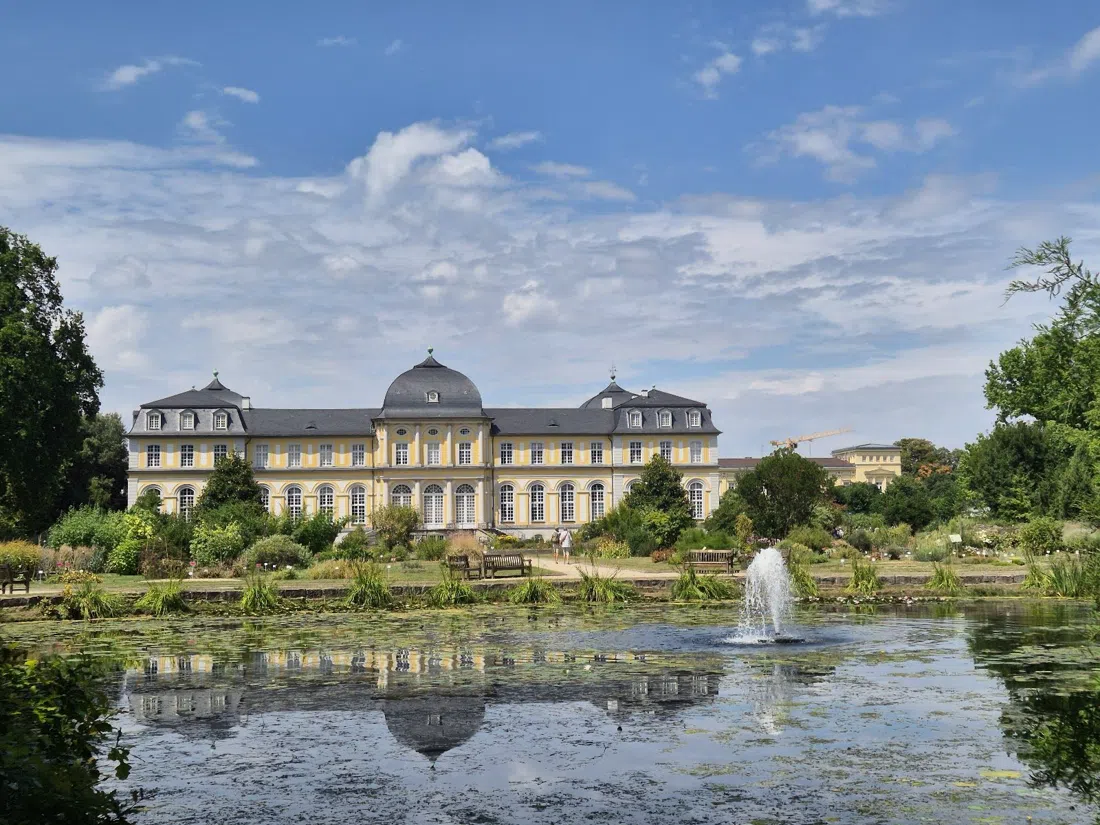
A day built around sweet shops benefits from somewhere quiet to walk it off, and Bonn has two options that cost nothing to use. Poppelsdorfer Schloss & Botanical Garden (Poppelsdorf, a walk up from the university) sits between the two ends of a Haribo-themed day — the palace itself belongs to the University of Bonn and isn't generally open to visitors, but the botanical garden around it is genuinely open and free on weekdays, with a modest €4 (€2 reduced) charge on weekends and public holidays. The grounds handle a group of any size without booking, and it's the kind of stop that resets a day of shop-hopping into something closer to a proper walk.
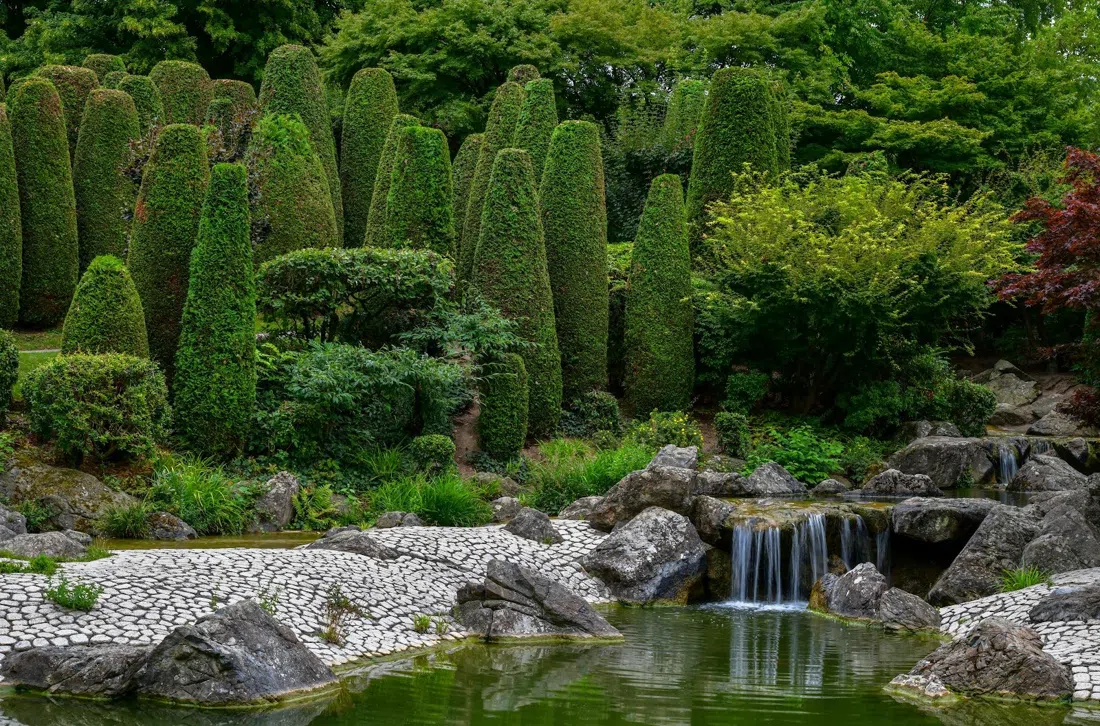
For a close to the day, Rheinaue Park & Japanese Garden (Rheinaue, south of the centre along the river) is a large, open public park with unlimited capacity and no booking required, free throughout. It's a genuinely relaxed picnic spot — if there are kids in the group, this is where the Haribo bag from earlier actually gets opened, on grass rather than a café table, with the Rhine running alongside.
Planning the day
Bonn's centre is compact enough to do most of this on foot: Marktplatz, the Münster, the Haribo shop, Müller-Langhardt and Coppeneur are all within about a fifteen-minute walk of each other. The Museumsmeile venues (Haus der Geschichte, Bundeskunsthalle, Deutsches Museum Bonn) sit together further south and are best reached by tram — Bonn's Stadtbahn runs frequently and a single ticket covers short hops across the centre. Alter Zoll and Poppelsdorfer Schloss both sit at natural ends of a walking loop rather than requiring a detour, while Rheinaue is a short tram or a longer walk south and works best as a final stop rather than a midday diversion.
Carry some cash. The Haribo shop, the smaller cafés, and the beer garden at Alter Zoll are the kind of places where a small card payment can be met with a shrug outside peak hours, and Müller-Langhardt in particular is an old-school establishment where cash speeds things along. Budget for the day is modest by any city's standards: a Haribo bag and a coffee and cake will run under €20 per person, and the only real spends beyond that are the Bundeskunsthalle ticket (roughly €10-14) and Deutsches Museum Bonn (roughly €5-8) if you add either museum. Weekday mornings are quieter across the board, and the botanical garden's free weekday entry versus its small weekend fee is worth timing around if budget is tight.
If you're staying over to spread this across a more relaxed day rather than a single sprint, a Bonn hotel search turns up options within walking distance of the old town, which keeps the whole itinerary — registry office to riverside beer garden — inside a single manageable loop rather than a series of taxi rides.