The Bonn issue
The Weight of Genius: Bonn and Its Beethoven
A calm, walkable day through the Bonn of Ludwig van Beethoven — the house he was born in, the font he was baptised at, the court that trained him, and the concert hall that just reopened to carry the music forward in 2026.

By Camille LefèvreBonn on foot, one neighbourhood at a time
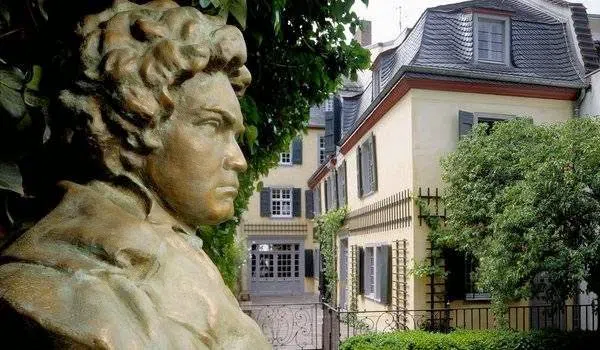
Ludwig van Beethoven left Bonn in 1792 at twenty-one and never returned, yet the city has spent two centuries keeping his first years close at hand. The remarkable thing is how compact that inheritance is: the house where he was born, the church where he was christened, the palace where he learned his trade and the cemetery where his mother lies are all within an easy morning's walk of one another, threaded through an old town that still reads at a human scale. This is a guide to walking that ground slowly, in the order the story unfolded, and to catching the living music that has come back to Bonn for 2026.
The old town: birthplace, square and font
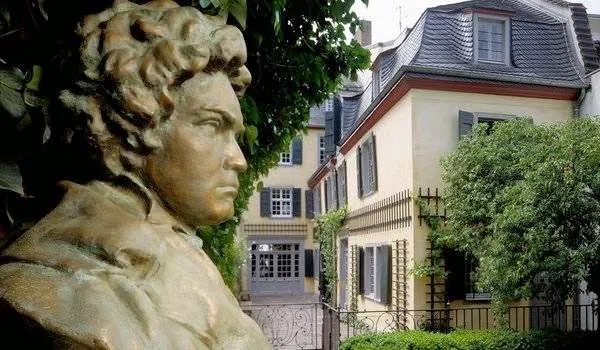
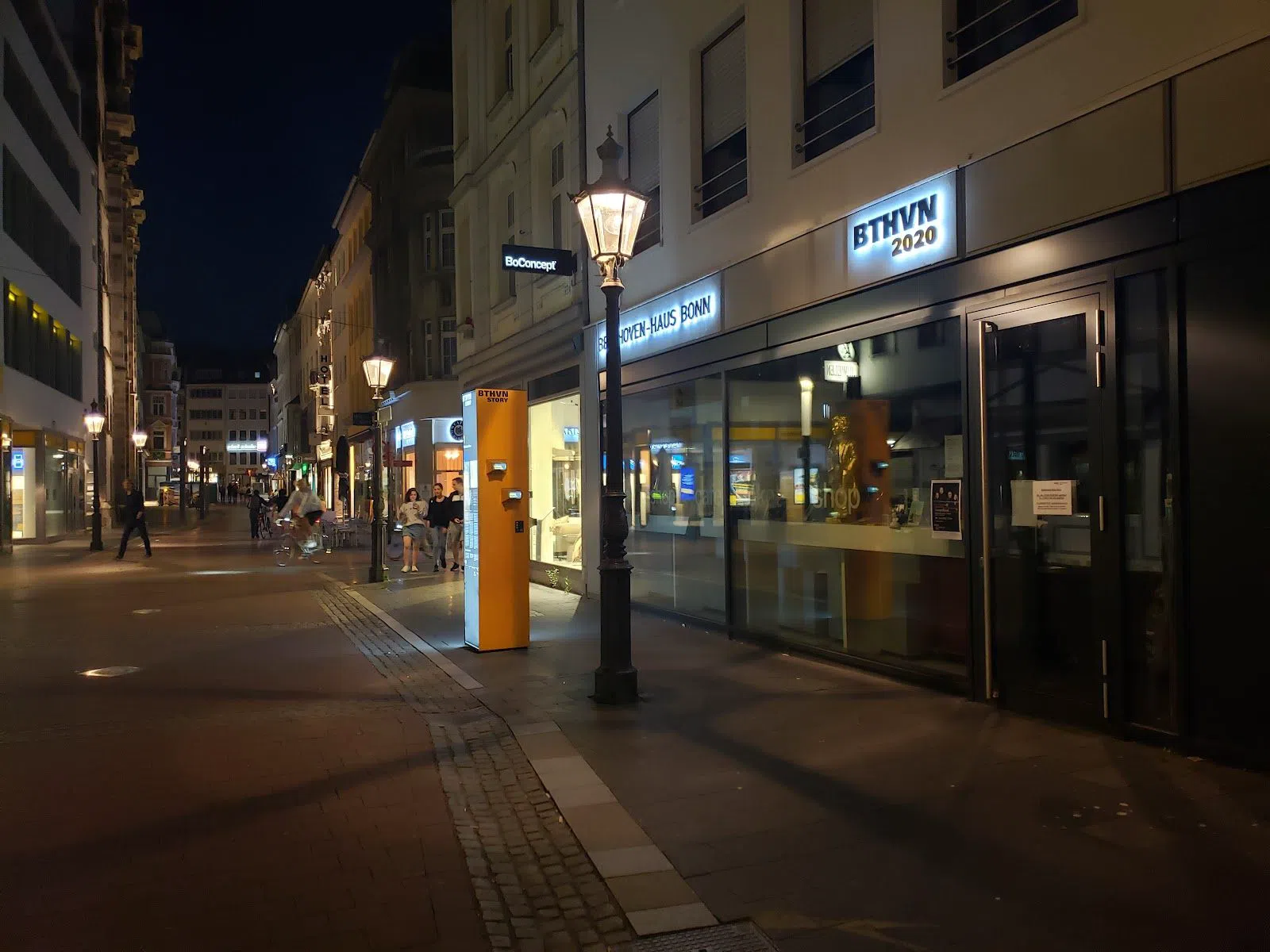
Begin where he did. Beethoven-Haus Bonn (Bonngasse, in the Altstadt) is the actual house he was born in, and the collection inside is the largest devoted to him anywhere — manuscripts, instruments, the ear trumpets, the everyday objects of a working composer's life. Through autumn 2026 it also hosts a special exhibition, 'Beethoven by Warhol', running 9 September 2026 to 5 April 2027, which lifts the standard adult ticket from €14 to €17 for that window. The house is small and the rooms are handled by timed entry, so this is the one stop where booking ahead genuinely matters — especially during the Warhol run, and especially for anyone arriving as a group. Guided group tours can be reserved in advance and capacity is managed by timed slots; a couple wandering in on a quiet weekday morning will usually find room, but a party of twelve should not gamble on it.
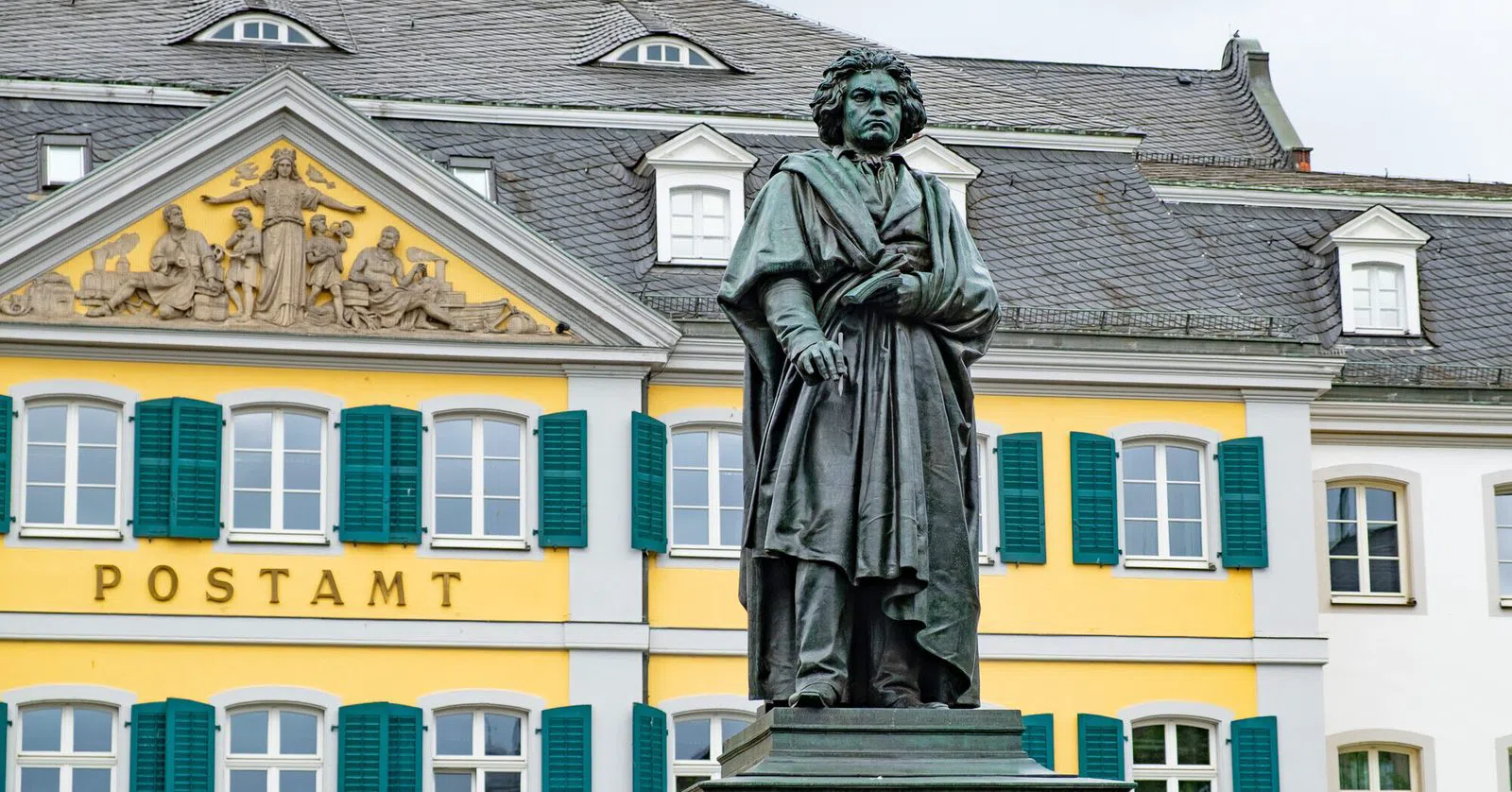
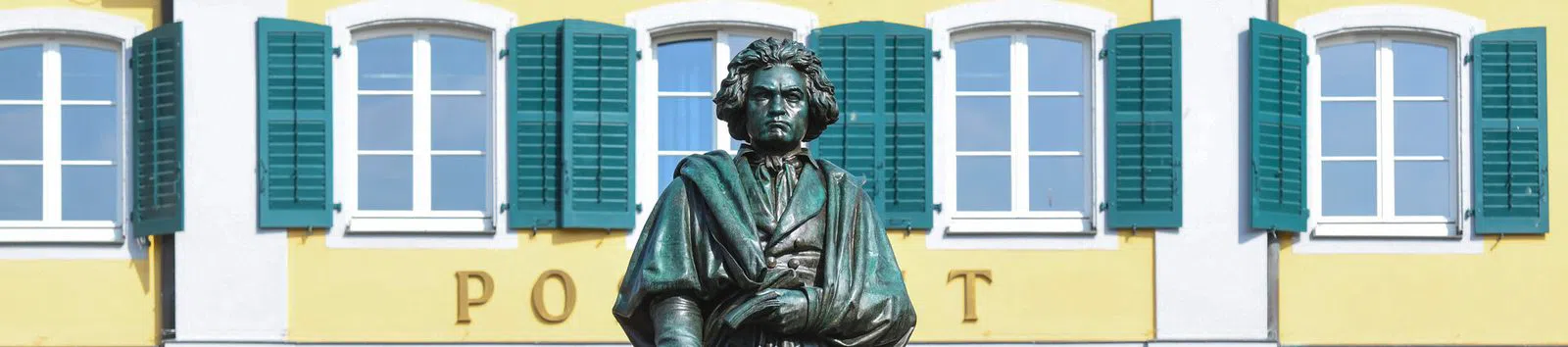
A few minutes south, the old town opens onto Münsterplatz and the Beethoven-Denkmal (Beethoven Monument), the bronze figure unveiled in 1845 for the very first Beethovenfest and freshly restored in 2022. It is free, it stands in open public space, and it is the natural meeting point for any group assembling before a walk — no queue, no capacity limit, and enough room around the plinth for a party to gather without blocking the square. If you are photographing anything in Bonn, it is probably this.
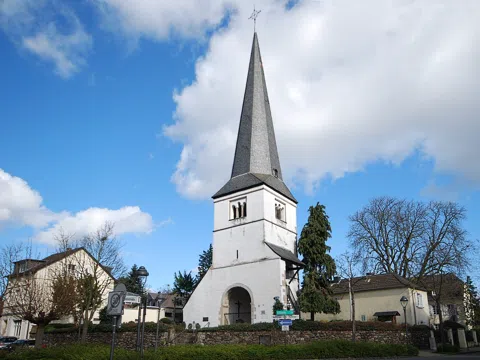
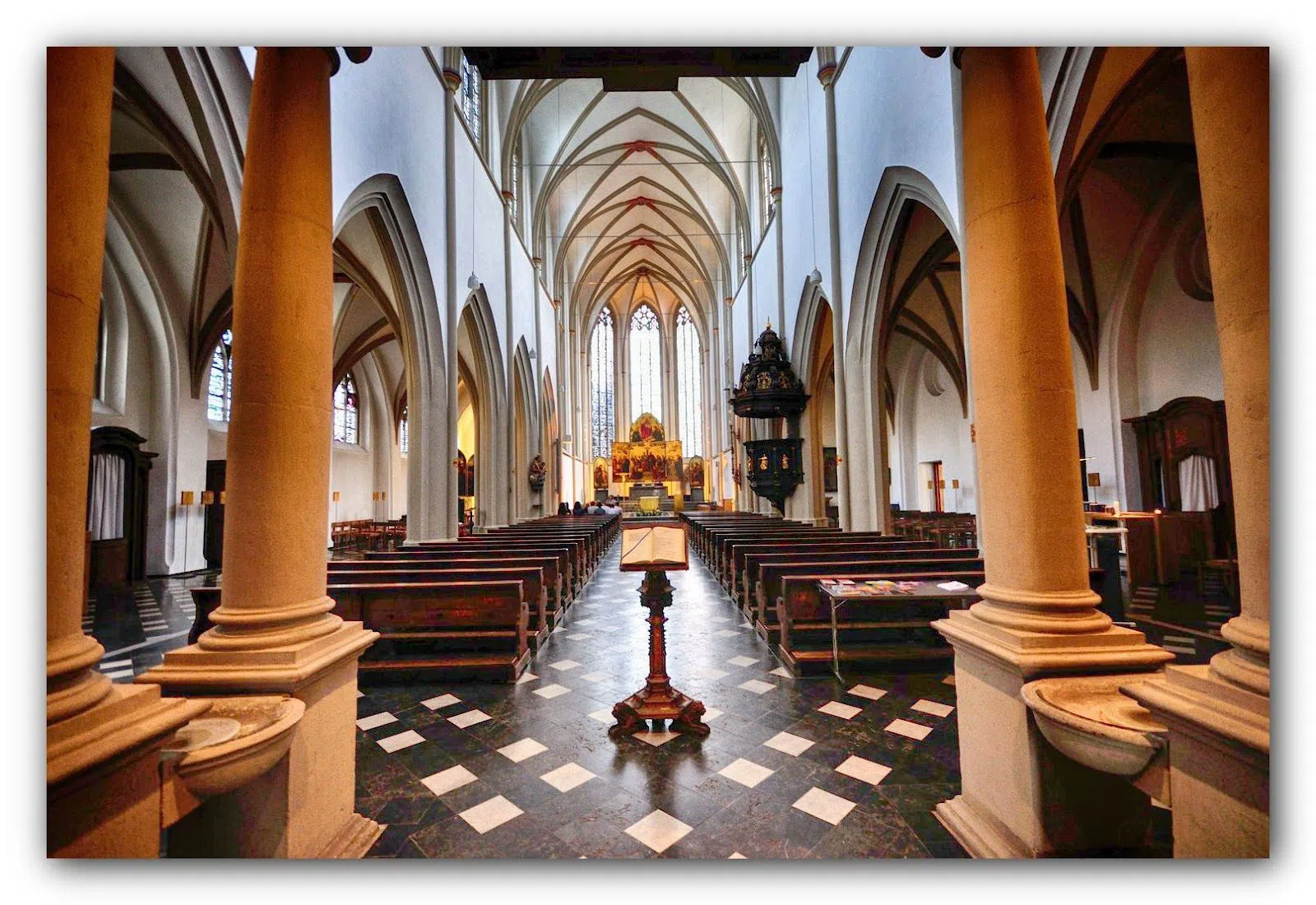
Close by, and quietly overlooked, is St. Remigius Church (Remigiuskirche, in the centre). This is where the record turns tangible: the church holds the font at which the infant Beethoven was baptised, and the organ the child prodigy played to accompany Mass. Entry is free, a donation is welcome, and most visitors never think to come in. Small groups are fine, but it is a working church — time your visit around services and keep voices low. Of all the Beethoven sites in Bonn, this is the one that most rewards a couple or a solo traveller with a few unhurried minutes; a large tour party moving through will feel the constraint of the space.
Plan your Bonn trip
Live prices from our booking partners.
Free cancellation on many rooms. We may earn a commission when you book.
The court that trained him
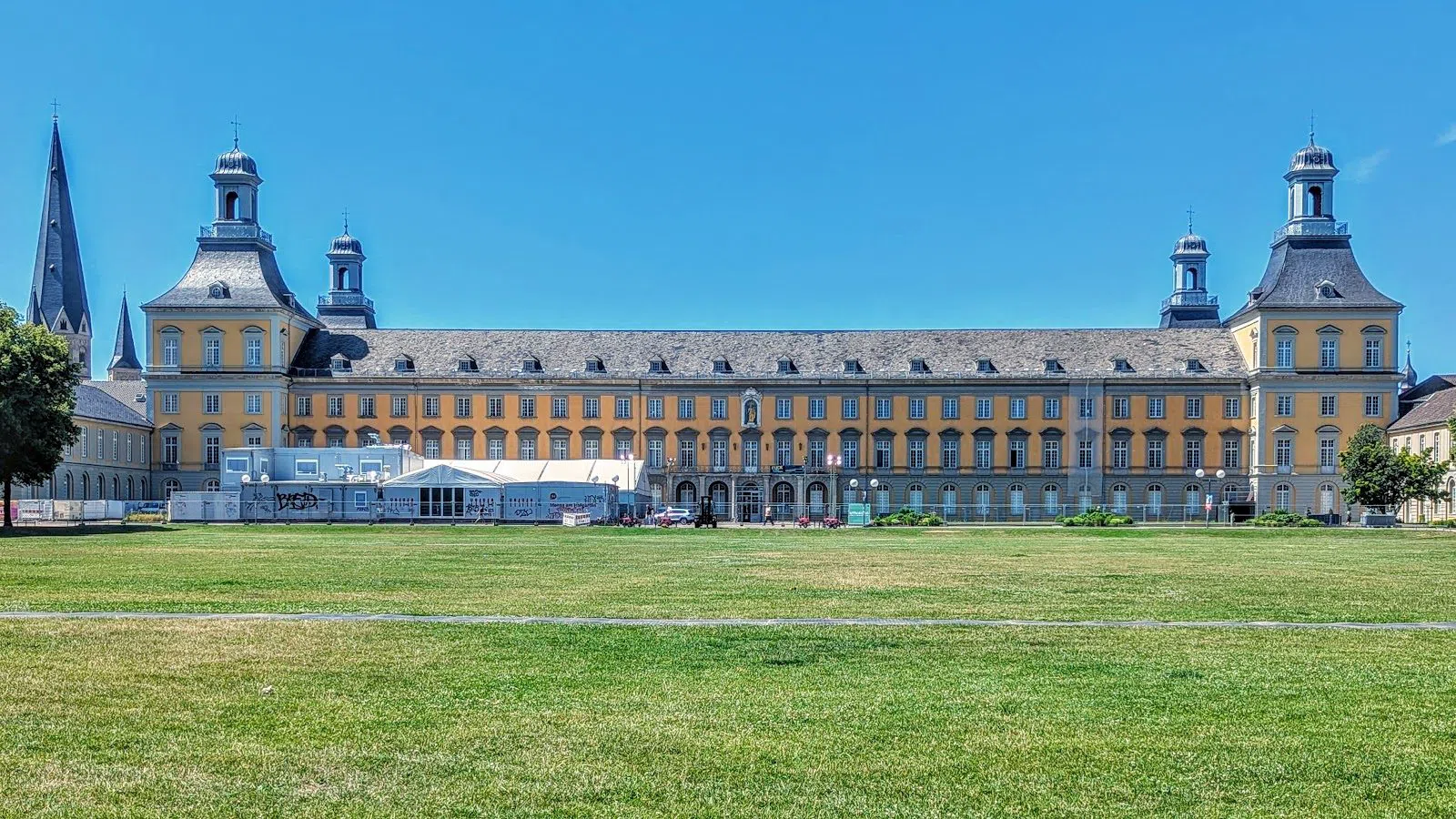
Beethoven was not a free artist in Bonn but a court employee, and two buildings make that plain. The grander is the Kurfürstliches Schloss (Electoral Palace, now the university's main building, on the Hofgarten). This was the elector's court, where the teenage Beethoven served as second organist and violist — the daily workplace of his musical apprenticeship. The building is a working university today, so the interior is limited to public areas, but the grounds and the broad Hofgarten lawns are freely open, generous enough for any group to spread out, and the façade alone tells you what kind of establishment shaped him. It is a short, pleasant walk from the old town and asks nothing of your budget.
Out in the suburb of Bad Godesberg, a little south of the centre, stands La Redoute (a historic ballroom, now an events venue) — the room where, in July 1792, the twenty-one-year-old Beethoven played for Joseph Haydn, months before he left for Vienna. This is where his big break was set in motion, and it carries real weight for anyone who cares about the arc of his career. Be clear-eyed about access, though: La Redoute operates as a functions and events venue, so the interior is best seen at a concert or a booked event, while the exterior and garden are freely visitable at any time. It sits far enough out that it suits travellers with a genuine appetite for the full story and a little time to spare, rather than someone trying to cram everything into a single tight morning. If your day is short, admire it from the garden and move on.
Where the music still plays
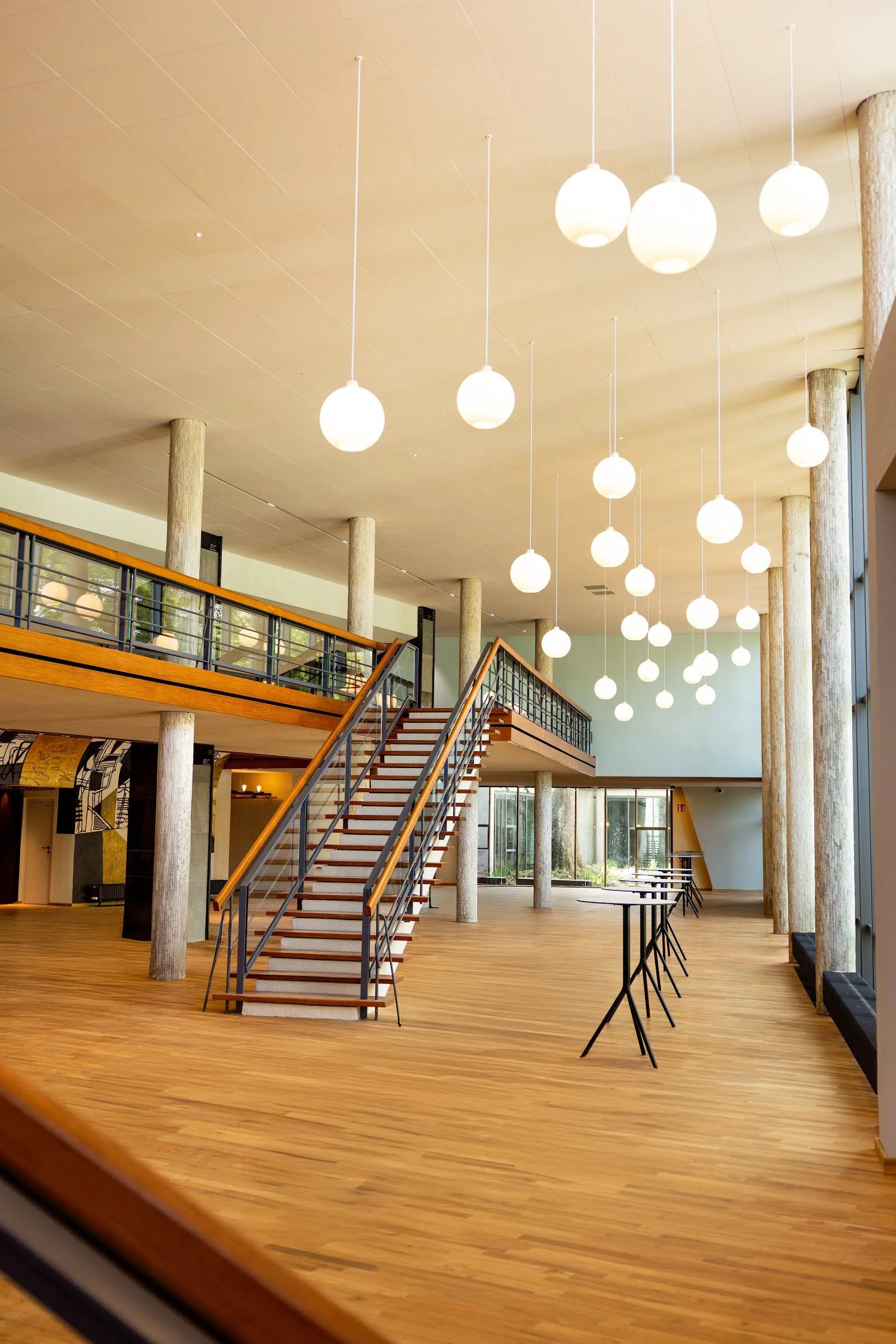
Bonn's Beethoven is not only a museum matter, and 2026 is an unusually good year to hear it live. The Beethovenhalle (by the Rhine, north of the centre) reopened on 16 December 2025 after a nine-year restoration, back in service as the main Beethovenfest venue. It is a large hall built for real audiences, so group and block bookings run smoothly through the BonnCC box office, and concert tickets typically land between roughly €20 and €90 depending on the programme. After so long dark, the reopening alone is reason to check what is on while you are in town.
Right beside the reopened hall stands Beethon (an outdoor plaza sculpture), a 1986 pop-art portrait cast in concrete — the name a pun on 'Beethoven' and 'Beton', German for concrete — modelled on the 1819 Stieler painting. It is free, unrestricted and permanently outdoors, and it makes a cheerful counterpoint to the solemn bronze on Münsterplatz. For a group photograph with a sense of humour, this is the spot.
The centrepiece of the year is Beethovenfest Bonn (a music festival across venues), which runs 3 September to 3 October 2026 under the motto 'Heimat/Home'. It opens with the London Symphony Orchestra and closes with the BBC Symphony Orchestra, spread across some eighty events and around 40,000 tickets — enough seats that even a sizeable party can usually be accommodated, and group ticketing is available. Single tickets range widely, from about €15 to €120 depending on the concert, so the festival suits both a careful budget and a splurge. If your trip falls inside that month, build a concert into the itinerary; it is the point where the heritage stops being a plaque and starts being sound.
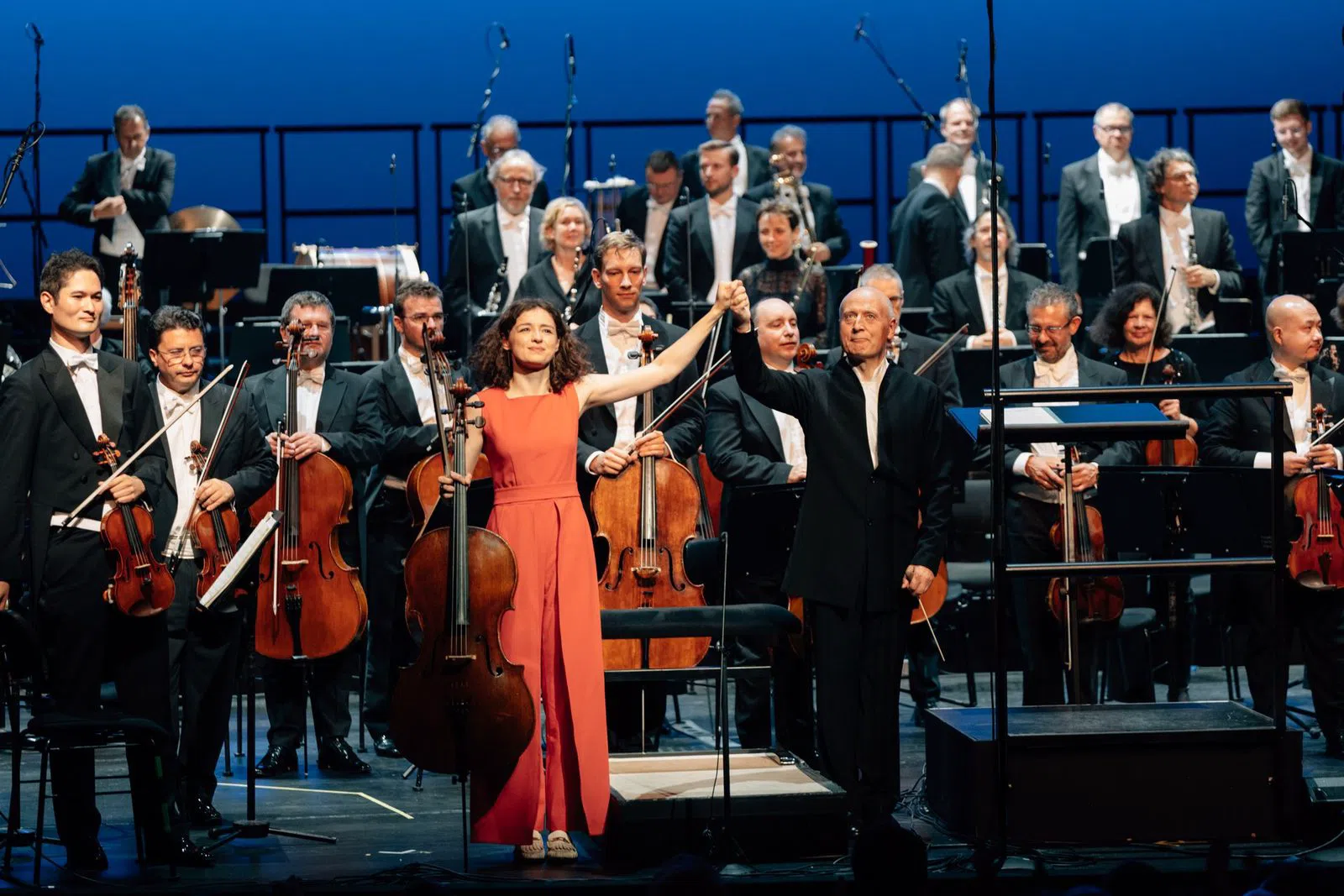
Outside festival season, the city's own Beethoven Orchester Bonn (a symphony orchestra) carries the line forward year-round. It is the direct musical descendant of the court Kapelle that Beethoven grew up inside — the living complement to the houses and monuments — with tickets generally between €18 and €70, plus season subscriptions and group rates through the orchestra's box office. Hearing the successors of his own court orchestra play in his home city is a quieter thrill than any exhibition, and one that couples and solo travellers can slot into an ordinary evening.
A quieter corner
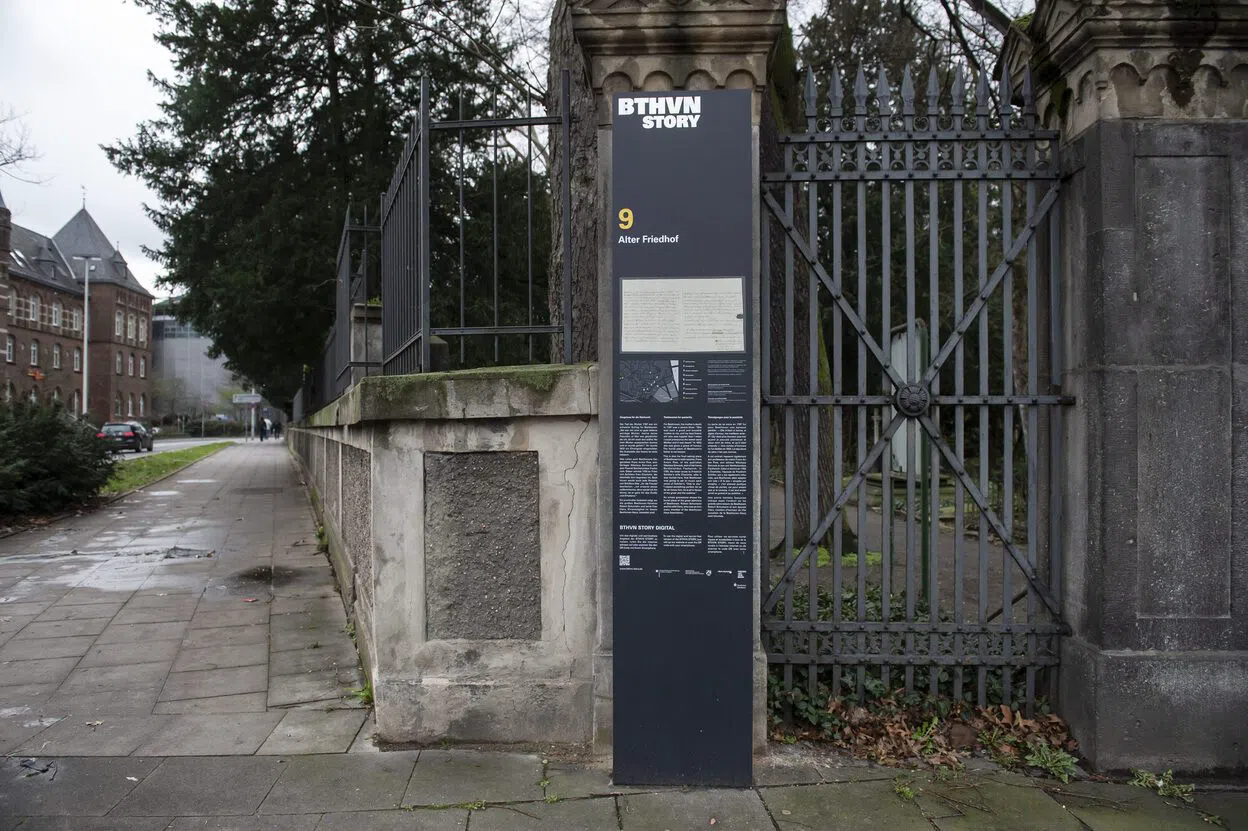
Not every Beethoven site is triumphant. The Alter Friedhof (Old Cemetery, near the city centre) is a single leafy hectare where his mother is buried, alongside Robert and Clara Schumann. It is free and open as green public space, and it ties Bonn's musical heritage together in one calm, unhurried place. Small guided groups are welcome so long as they stay respectful; it remains a cemetery and a place people visit for reasons of their own. Come here toward the end of the day, when the light is long, and the whole story settles into something more human than the guidebooks tend to allow.
Walking it: trails and guided options
The sites are close enough that the connective tissue matters, and Bonn has built it for you. The Beethoven-Rundgang (a self-guided heritage trail across the city) was launched for the 2020 jubilee and links every key point — birthplace, church, palace, cemetery, La Redoute — into one coherent route. It is free, self-paced and open to any group size, which makes it the sensible backbone of a Beethoven day whether you walk it alone or brief a party and set off together. For independent travellers who prefer their history unhurried and uninterpreted, this is all you need.
Those who would rather have the sites narrated should look at the Bonn-Information Beethoven walking tour (the official Bonn-Touren service, departing from the city centre). It ties the sites into a single guided 'In Beethoven's Footsteps' walk and is purpose-built for groups — private tours take up to twenty people, with English, other foreign-language and bilingual options bookable year-round. A two-hour English-language private tour starts from €130 per group at 2026 rates, which for a family or a party of friends works out very reasonable per head, and it is the easiest turnkey option for an international group that wants context rather than a map. A solo traveller or couple, by contrast, will generally do better and cheaper with the free Rundgang and a slow morning.
A note on how to sequence it all: the old-town cluster — birthplace, monument, St. Remigius, the palace grounds and the Old Cemetery — is comfortably a single walking morning, no transport required. La Redoute and, depending on the concert, the Beethovenhalle sit apart from that core, so treat them as deliberate additions rather than assumptions. Sort your bed first — the Bonn hotel search covers the range from the compact old town outward — and for everything beyond Beethoven, the wider Bonn guide fills in the rest of the city.
Practical notes
Getting around. The Beethoven old town is genuinely walkable end to end; you will not need transport for the central cluster. For Bad Godesberg and La Redoute, use the U-Bahn light rail (lines 16 and 63 run south from the centre) — it is quick and frequent. The Beethovenhalle is a short walk or a single tram stop north of the old town.
Cash and cards. Germany still leans on cash more than many visitors expect. Museum tickets and tours take cards, but carry some euros for church donation boxes, small cafés and the occasional kiosk. There are no home-currency conversions to worry about here — everything is priced in euros, plainly.
Timing. If you want the Warhol exhibition at Beethoven-Haus, come between 9 September 2026 and 5 April 2027 and book your timed slot in advance. If you want the festival, aim for 3 September–3 October 2026 and reserve concert tickets early, as the reopened Beethovenhalle programme draws crowds. Outside those windows the museums and monuments are calmer and easier to visit on the day.
Budget. A frugal but rich day is entirely possible: the monument, St. Remigius, the palace grounds, Beethon, the Old Cemetery and the whole Beethoven-Rundgang cost nothing, leaving your spending for the €14–17 Beethoven-Haus ticket and, if you can, a concert from €15 upward. A group wanting the guided experience should budget from €130 for the private walking tour on top. It is a rare thing — a great composer's home city where the heart of the story is free to walk, and the music has just come home.
Before you go
Do I need to book the Beethoven-Haus in advance in 2026?
Yes, ideally. The birthplace museum uses timed entry and runs the 'Beethoven by Warhol' exhibition from 9 September 2026 to 5 April 2027, which raises the adult ticket from €14 to €17 and pushes up demand. Couples may find same-day space midweek, but groups should book a slot ahead.
When is Beethovenfest Bonn in 2026 and can groups get tickets?
The festival runs 3 September to 3 October 2026 under the motto 'Heimat/Home', opening with the London Symphony Orchestra and closing with the BBC Symphony Orchestra. With around 80 events and 40,000 tickets, group ticketing is available and single tickets run roughly €15–120 by concert.
Can I go inside the Beethovenhalle and La Redoute?
The Beethovenhalle reopened on 16 December 2025 and is best seen by attending a concert (tickets about €20–90). La Redoute in Bad Godesberg is a working events venue, so the interior is only accessible at concerts or booked functions, though its exterior and garden are freely visitable any time.
Is a Beethoven day in Bonn walkable without a car or tour?
Yes. The birthplace, the Beethoven-Denkmal, St. Remigius, the Electoral Palace grounds and the Old Cemetery form one compact old-town walk, all free except the museum. The official free Beethoven-Rundgang trail links them, so independent travellers need no guide — only La Redoute and Bad Godesberg call for a short U-Bahn ride.
How much does a guided Beethoven walking tour cost?
The official Bonn-Information tour ('In Beethoven's Footsteps') starts from €130 per group for a two-hour English-language private walk at 2026 rates, with private groups up to 20 and bilingual options bookable year-round. For a family or party it is good value per head; a solo traveller or couple is usually better served by the free self-guided trail.