The Bonn issue
Walking Bonn from the Market Square Down to the Rhine
One day on foot through Bonn, from a market that trades six days a week to a bastion of 1644 above the river, with the closing days, group rules and prices that decide the order you walk it in.

By Camille LefèvreBonn on foot, one neighbourhood at a time
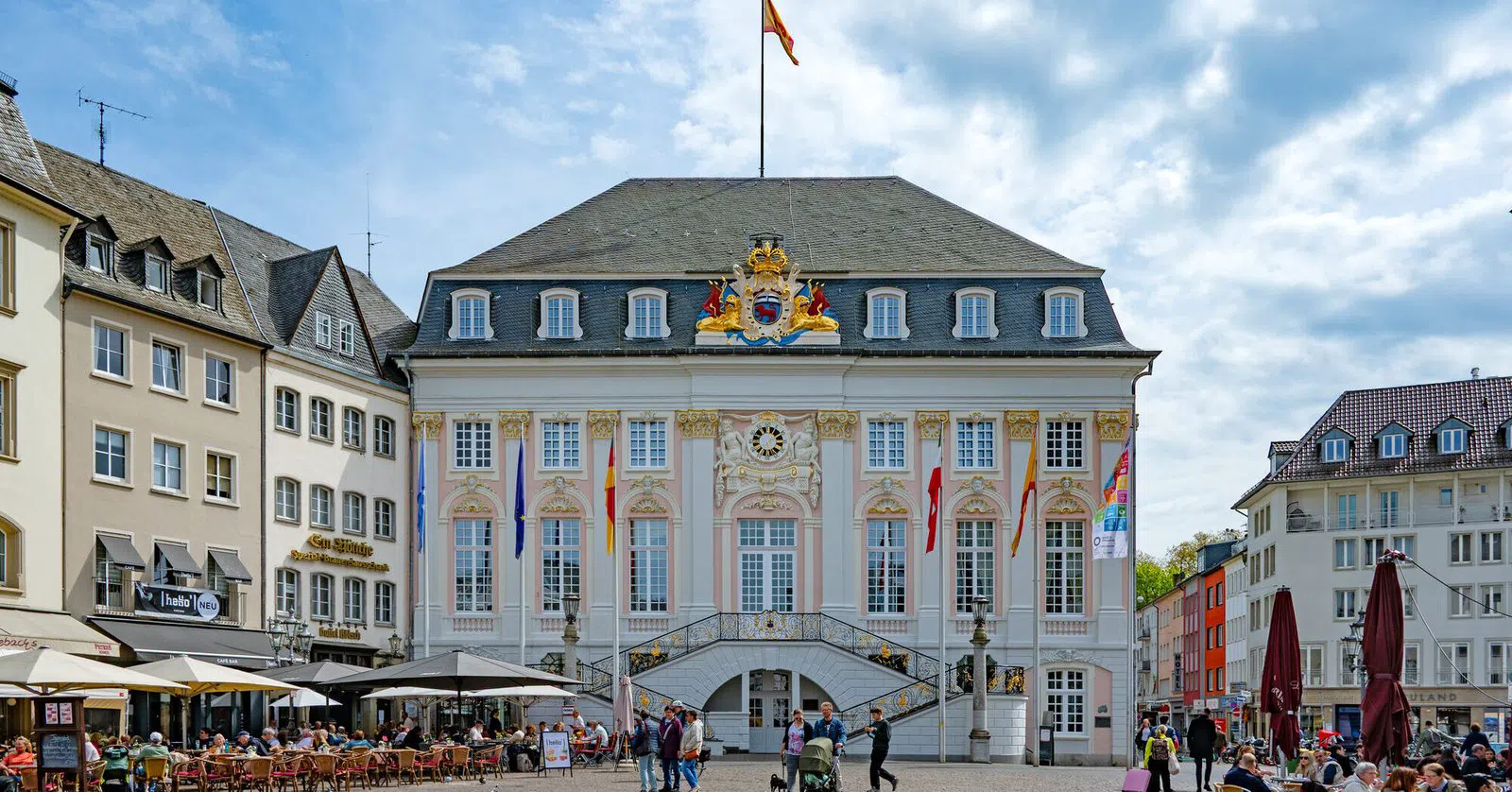
Bonn spent four decades as the seat of a national government and never rebuilt itself to look the part. The old town is still a tight medieval grid with a baroque palace closing one end of it, the government quarter sits a couple of kilometres south behind a screen of trees, and the Rhine slides past both without ceremony. Walked in one direction over a single day the sequence makes sense (market, composer, minster, palace, garden, museums, river), and nothing on the list needs a car.
Start where the city still does its shopping
Bonner Wochenmarkt & Altes Rathaus (Altstadt, on Markt) is where the day starts, and not because of the rococo façade. The market trades Monday to Saturday, which puts it in the small group of German city markets working six days a week, and the difference shows: stalls of cheese, flowers, bread, fruit and hot snacks, people doing an ordinary Thursday shop rather than posing for the square. Snacks run roughly €3 to €8, a reasonable breakfast if you have arrived off an early train.
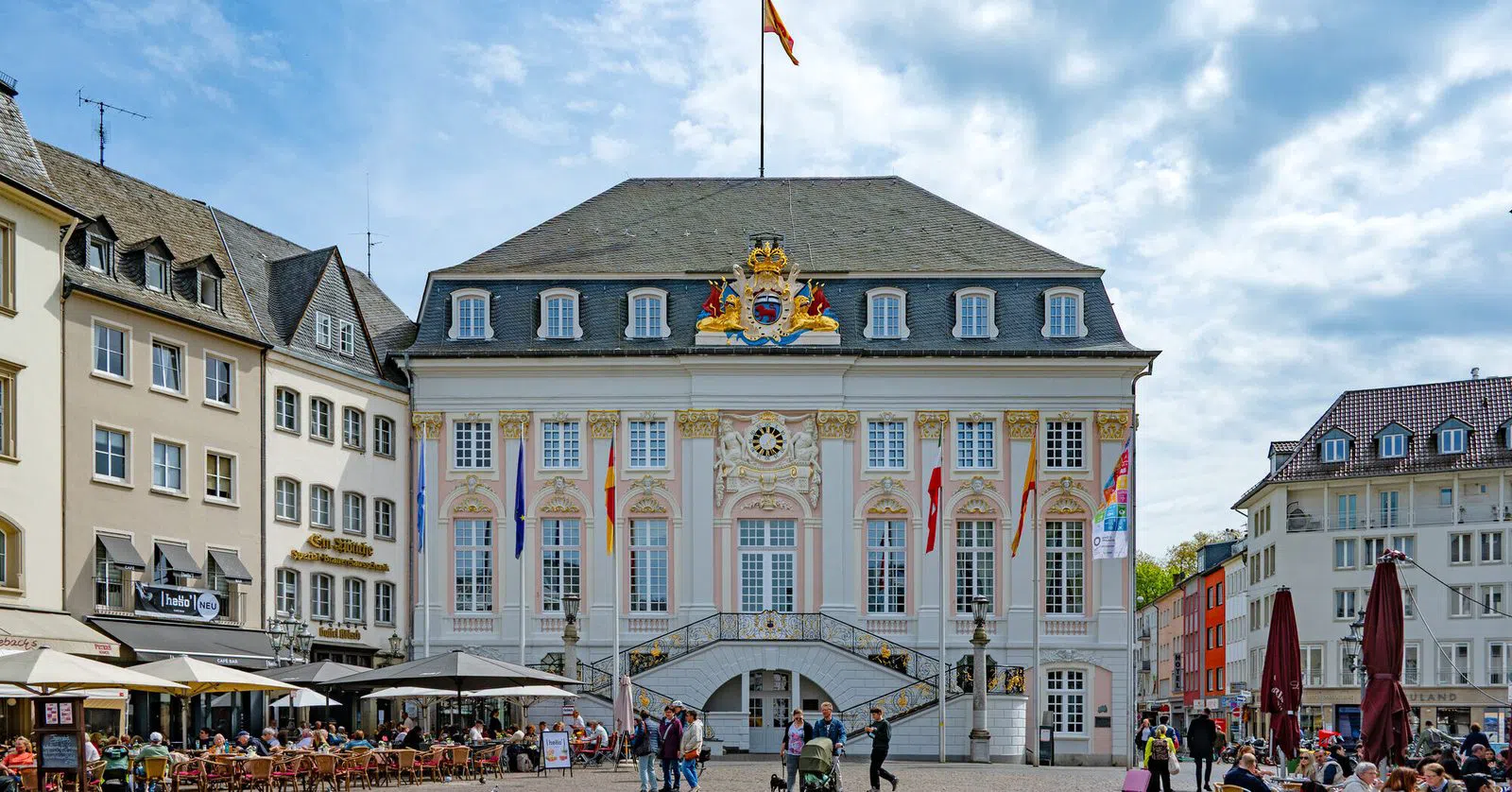
There is no door policy on a public square, and the steps of the eighteenth-century Altes Rathaus are the obvious place to gather a group: wide, visible from every approach, and useless as an entrance for most of the day, so nobody minds you standing on them. If you are meeting people you do not know well, name the steps rather than 'the market'; the stalls sprawl further than newcomers expect. Give the square twenty minutes, buy something to eat with your hands, and set off north.
Plan your Bonn trip
Live prices from our booking partners.
Free cancellation on many rooms. We may earn a commission when you book.
Beethoven's birthplace, five minutes off the square
Beethoven-Haus Bonn (Altstadt, Bonngasse) is a short walk from the market and the one indoor sight in the city that visitors ask for by name. It is a genuine eighteenth-century house rather than a reconstruction, and that shows in the rooms: they are small, the staircases are narrow, and the visit is closer to walking through somebody's home than through a museum. Admission is around €9 to €14 for an adult, roughly €4.50 to €7 reduced.
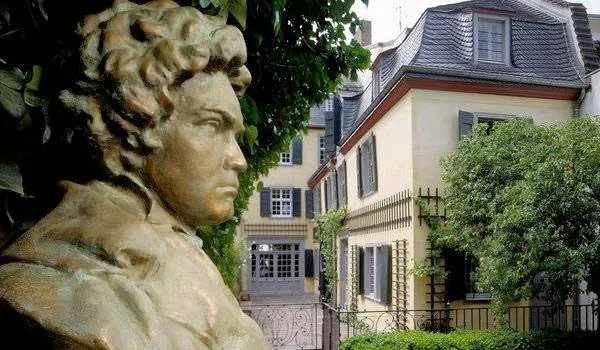
The scale of the building shapes who enjoys it. Two or three people can take their time; a party of twelve will spend the visit shuffling. The museum handles that honestly. Guided tours are offered in twelve languages, an adult group tour costs €80 on top of admission, and larger groups are either split or given a twenty-minute introductory talk instead. Book through [email protected] rather than turning up hopeful.
One constraint decides the shape of your whole day: the house is closed on Tuesdays. If Beethoven is the reason you came, pin the walk to any other day of the week and everything else on this route still works.
A romanesque minster back from its renovation
Bonner Münster (Zentrum, Münsterplatz) sits a few minutes south of the market and has reopened after a long general renovation, back to normal hours. Entry is free, a donation is expected rather than demanded, and the romanesque interior is the oldest continuous thing you will stand inside all day.
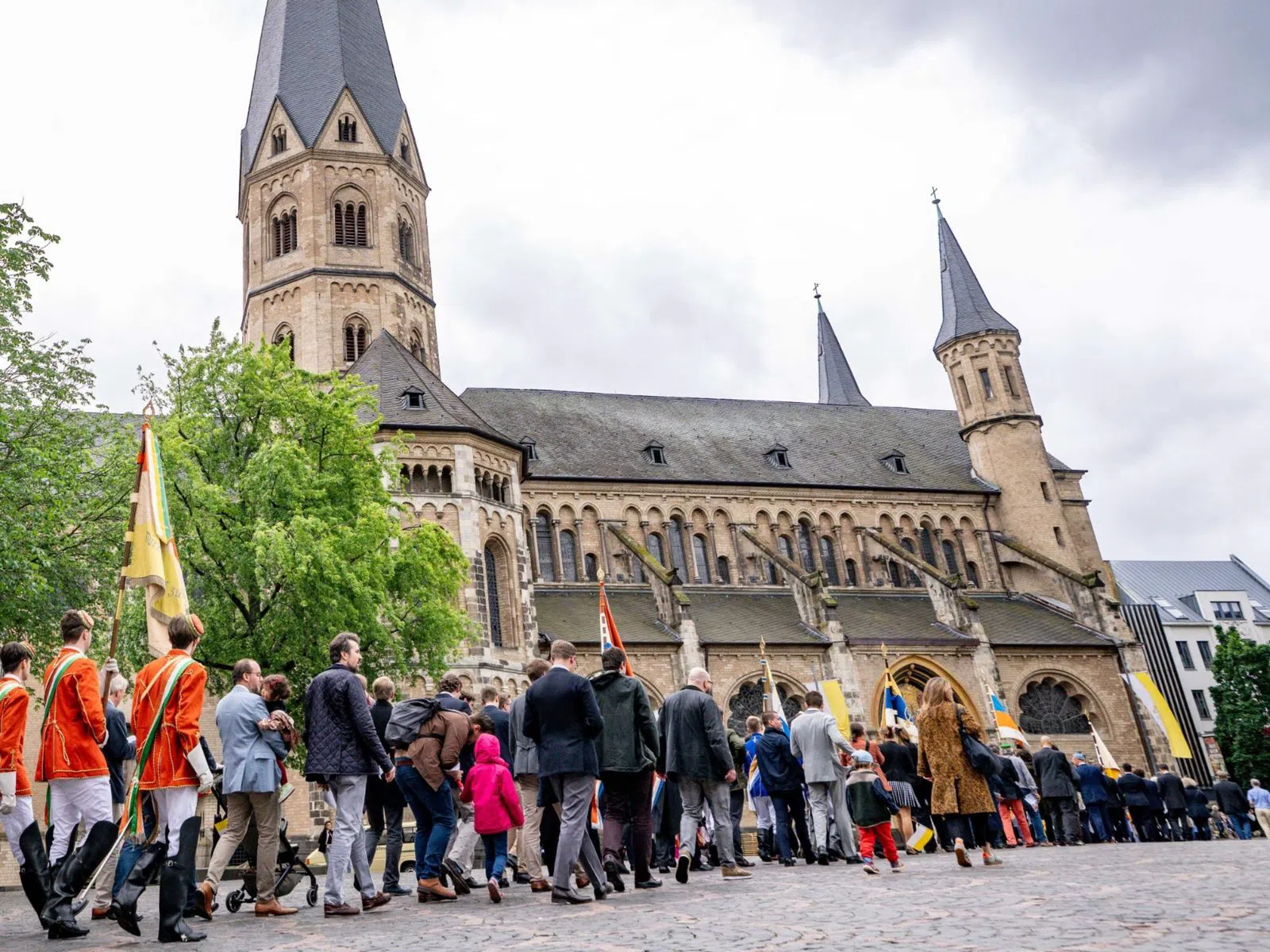
Timing is the thing to watch. It is a working church, and sightseeing is restricted during services, so mid-morning or mid-afternoon is when you can actually walk the aisles and the cloister without feeling like an intruder. Groups are welcome outside Mass, and guided tours can be booked through the parish office if you want the building explained properly. If you arrive to find a service under way, do not hover at the back. The coffee stop below is two minutes away and the Münster will still be there in an hour.
Coffee before the long stretch south
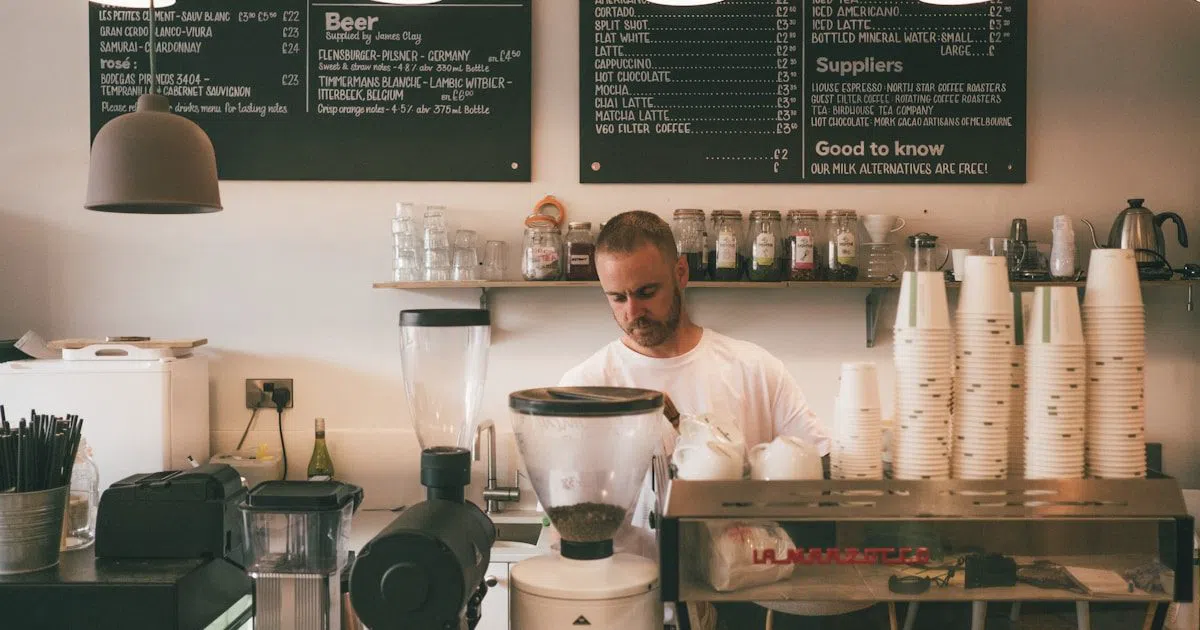
Black Coffee Pharmacy (Zentrum, near Sterntor) is the caffeine stop worth routing the walk around rather than settling for whatever is nearest. It roasts its own beans, opens seven days a week and from 8am on weekdays, and charges €3 to €5 for coffee, €2 to €4 for pastries.

It is a small room and walk-in only. Two to six people will be comfortable; anything larger should split across two visits or, if this is a company outing, ask about their mobile espresso bar, which is what they run for events. Take the coffee here because the next hour of the route (palace lawn, avenue, gardens) has no comparable stop, and because the stretch south is where people start to flag.
Twenty quiet minutes at the Alter Friedhof
Alter Friedhof Bonn (Zentrum, five minutes from the Hauptbahnhof) is the quietest link between the old town and the university quarter, and the easiest thing on this route to skip by accident. Only the eastern gate is open, so approach from that side rather than circling the walls looking for a way in. Access is free.
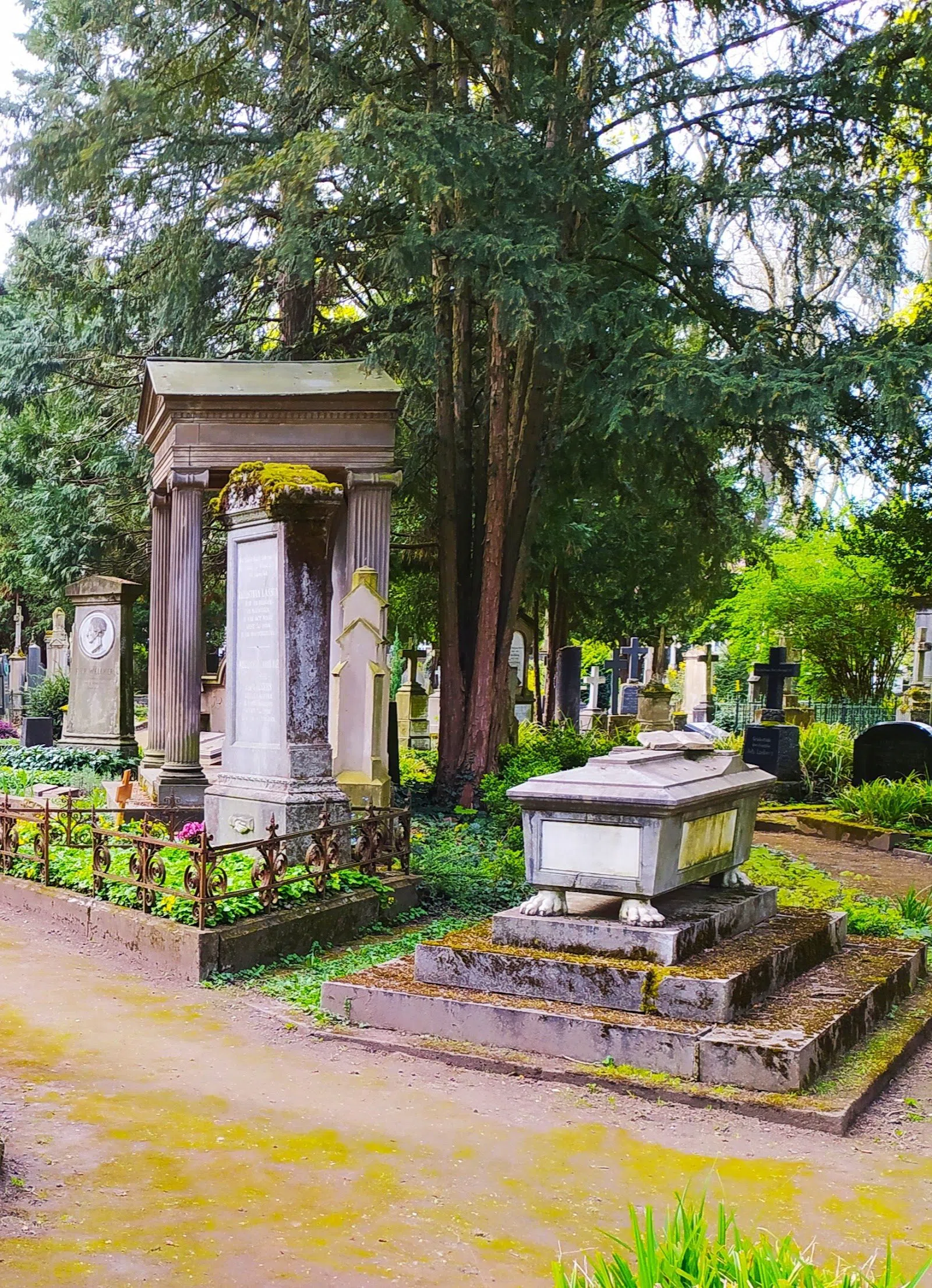
Robert and Clara Schumann lie here together, and the graves around them belong to nineteenth-century academics and their families. This was the burial ground of a small university town, and it reads that way. It is still a working cemetery. Small groups are fine and guided tours run in spring and summer, but keep voices down and do not treat it as a park; funerals happen here. Twenty minutes is enough to find the Schumanns, walk one loop of the older section, and come out onto the streets heading south.
The palace that turned into a university
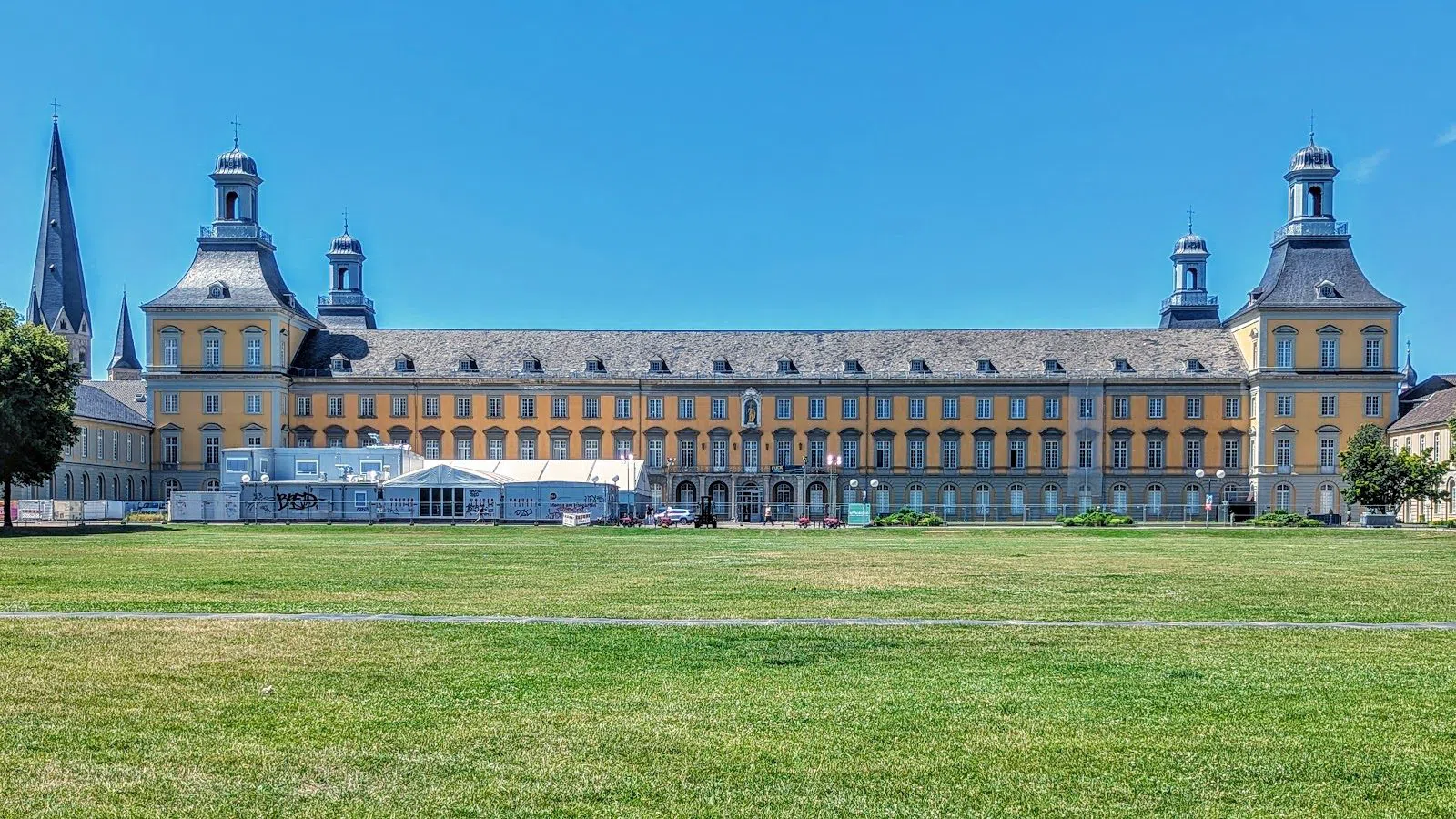
Kurfürstliches Schloss & Hofgarten (Zentrum) is the pivot point of the whole walk. The electoral residence of the Cologne archbishop-electors became the main building of the university, which is why a baroque palace of this size stands in a city that never felt especially grand. Understanding that swap explains most of central Bonn.
The interior is a working university building with limited public access, so this is a stop for the outside and the lawn, not for state rooms. The Hofgarten in front of it is open public parkland at all hours and is where Bonn actually sits down, students on the grass in term time, families and readers otherwise. Entry costs nothing, there is no closing time to plan around, and it is the best place on the route to let a group spread out for half an hour without anybody needing to buy anything.
Down the avenue to Poppelsdorf
From the Hofgarten, Poppelsdorfer Allee (between Südstadt and Poppelsdorf) runs dead straight for about a kilometre. It was laid out around 1745 as a deliberate sightline between the two palaces, so the walk south feels designed rather than improvised: you can see where you are going for the whole length of it, chestnut trees on both sides and a lawn down the middle. It is an open street, free, with no limits on group size.
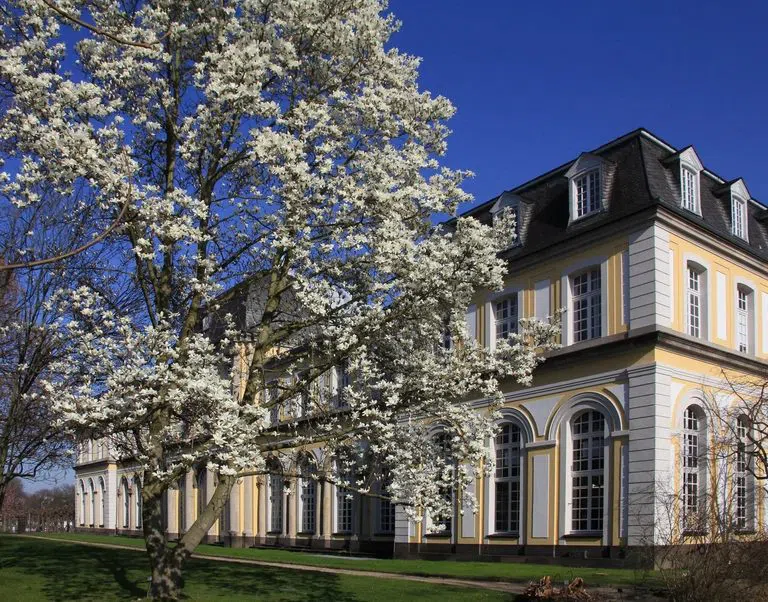
At the far end, Botanische Gärten der Universität Bonn (Poppelsdorf) wraps around the Poppelsdorfer Schloss on one of the oldest garden sites north of the Alps. The pricing rewards planning: free on weekdays, €5 with a €3 reduction on Saturdays, Sundays and public holidays. It opens daily from 10 to 18, Thursdays until 20, with the glasshouses closing thirty minutes earlier, and the full season runs April to October. Groups are welcome, and the grounds absorb them easily.
If you are building the day around cost, this is the argument for walking it midweek. A Wednesday, Thursday or Friday gives you the gardens for nothing and keeps every other stop on the route open.
Lunch for two people or for ten
Cassius Garten (Zentrum, near the Hauptbahnhof) solves the part of group travel that actually slows people down, which is the ordering. It is a vegetarian buffet paid for by weight, roughly €10 to €16 a plate depending on how you load it, with vegan and vegetarian options clearly marked. No booking, no menu negotiation, no waiting for one table's orders to land together. It opens Monday to Saturday, 11 to 21, and closes Sundays, worth knowing if you are here on a weekend. There is a catering arm for larger parties.

If you would rather eat Rhenish, Em Höttche (Altstadt, on Markt) has been trading on the market square since 1389 and carries a Beethoven connection without turning itself into a themed reconstruction. Mains sit roughly between €16 and €28, it opens seven days, and it takes groups; reserve through OpenTable or by phone, because the good rooms fill. Both places are back in the centre, so plan lunch either before you head south or after you loop back. The museum quarter below is not where you want to be hunting for a table.
The museum mile and the case for Bonn as capital
South of the centre, the old government quarter is where the city explains itself. Haus der Geschichte (Gronau, on the museum mile) is free, labelled in English throughout, and gives the clearest account anywhere of why the capital ended up here at all: a provincial university town chosen partly because it was provisional. It opens Tuesday to Friday 9 to 18, Saturday and Sunday 10 to 18, and closes Mondays. Guided accompaniments can be booked through visitor services on 0228 9165-400. Groups are genuinely easy here; the galleries are wide.
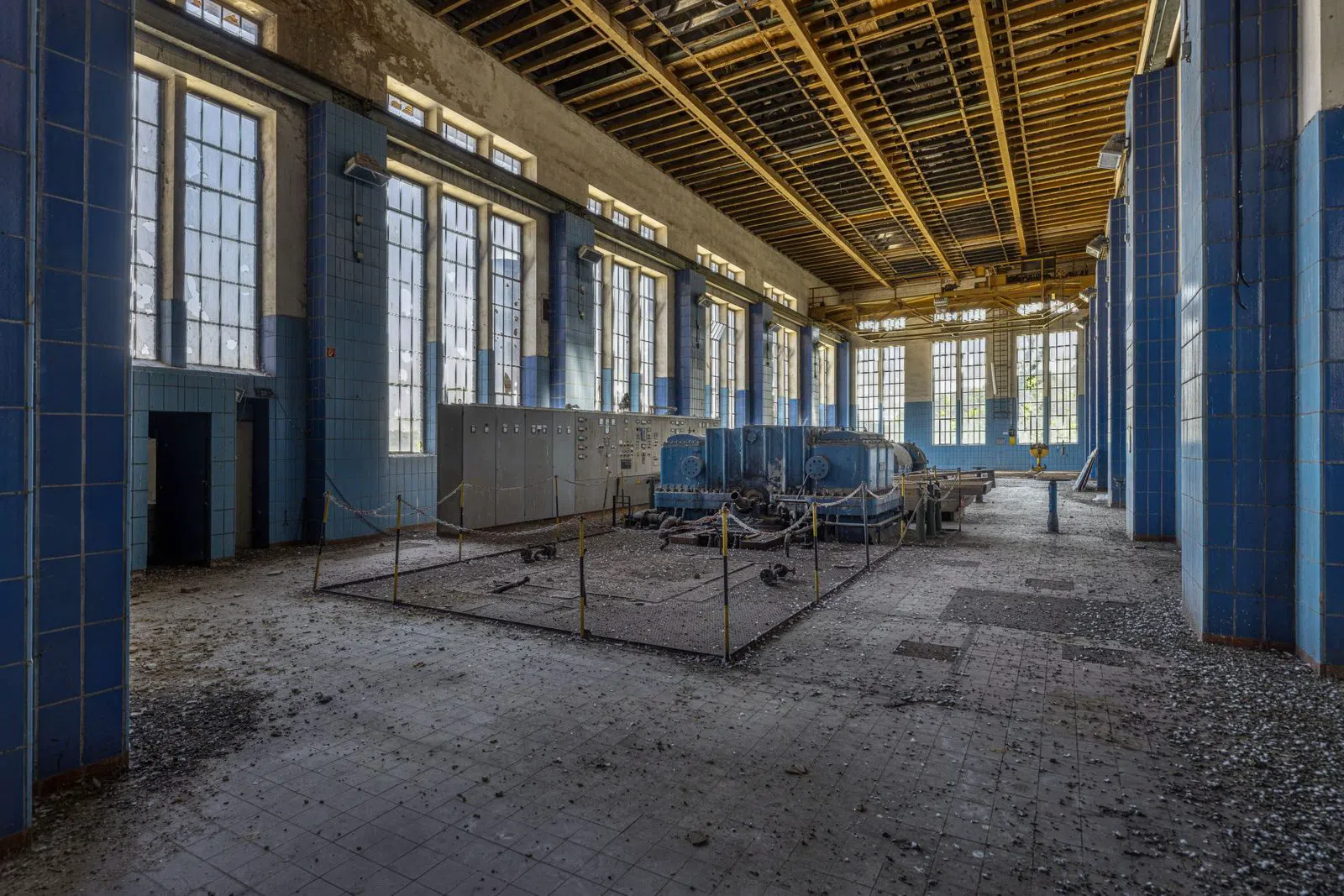
Next door, Bundeskunsthalle (Gronau) runs large temporary exhibitions and charges €14 for a day ticket, €7 reduced, and €7 in the last opening hour if your timing is loose. Ten or more people pay €11.20 each, booked on +49 228 9171-200. The roof garden is the second, unexpected viewpoint of the day and is accessible in normal hours; the slide up there runs Saturdays from noon and Sundays from 11 and can close in bad weather. It shuts on Mondays and stays open until 21:00 on Wednesdays, which makes a Wednesday the one day you can push the museums late and still walk to the river afterwards.

The promenade and the only real viewpoint
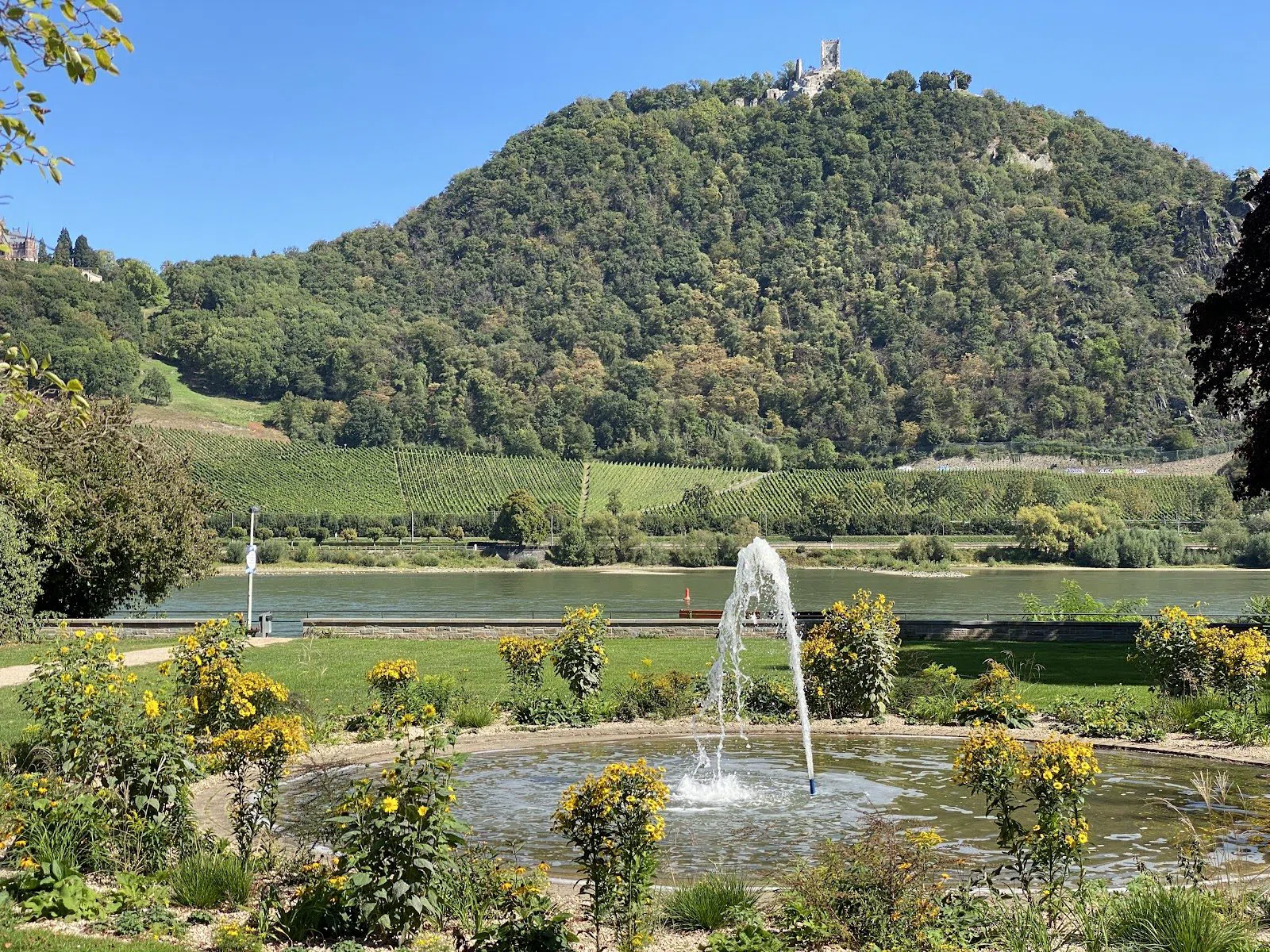
Cut east to the water and pick up the Rheinuferpromenade (Brassertufer) (Zentrum), a wide public path with no restrictions and room to walk several abreast. The stretch from Josefstraße up to the Alter Zoll is finished and reopened; work continues north of the Kennedy bridge and towards the Beethovenhalle, so expect fenced sections if you wander that way and do not plan a northern riverside loop.
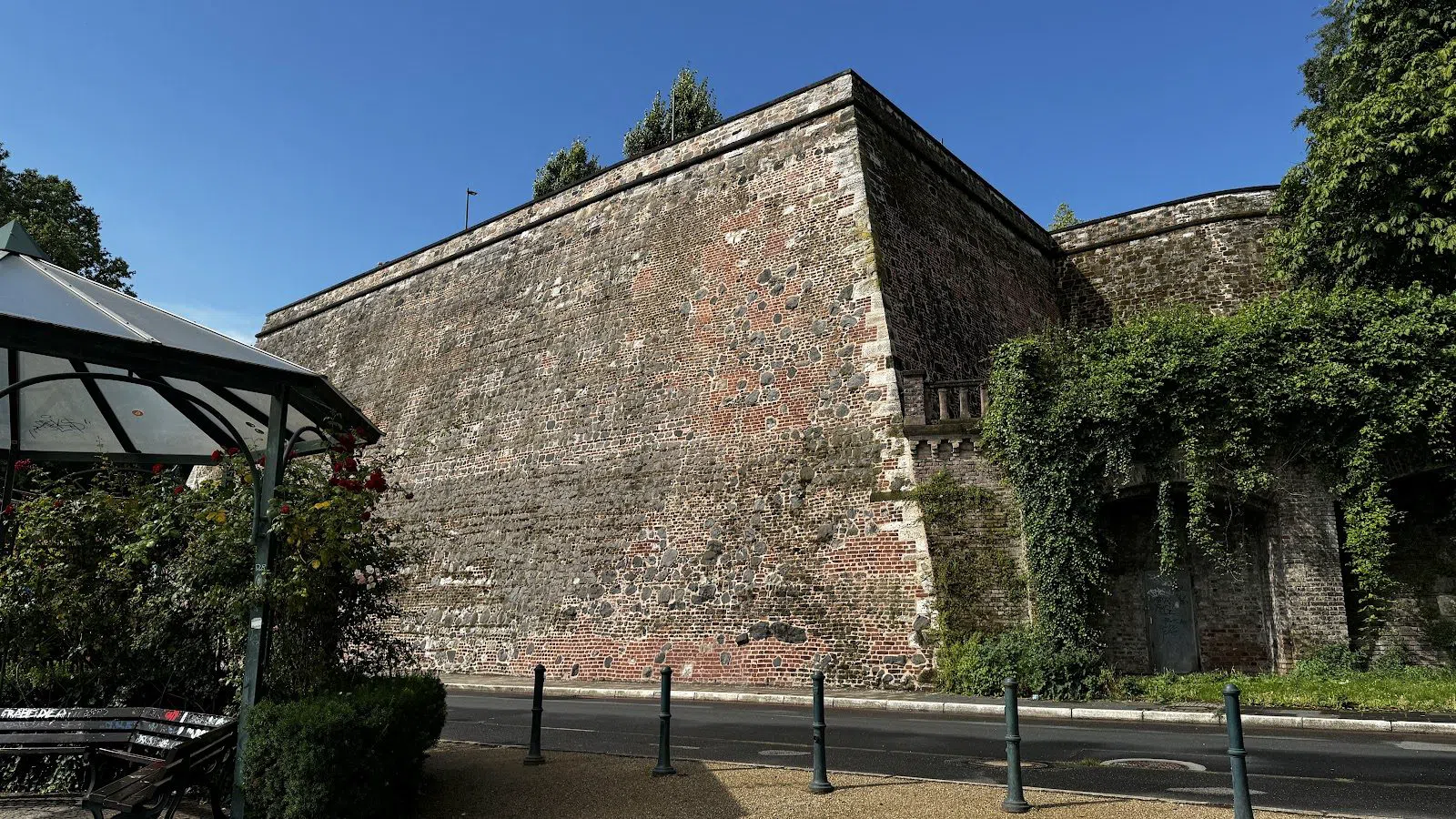
The path ends the day properly at Stadtbefestigung Alter Zoll (Zentrum), the 1644 toll bastion above the water and the one true viewpoint on this route. It is an open public terrace, free and unrestricted, ten to fifteen minutes' walk from the centre, and large enough to absorb a group without anybody jostling for the parapet. The Rhine turns below you, the Siebengebirge hills stand up on the far bank, and the barges keep coming through. Late afternoon light suits it.
Going further south into the Rheinaue
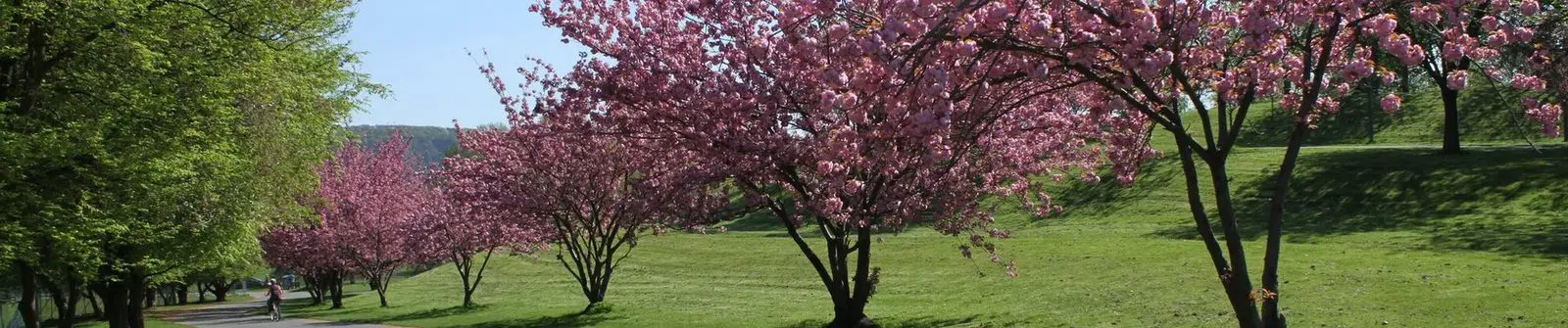
If you want more distance under your feet than the centre offers, Freizeitpark Rheinaue (south of the museum mile, along the river) is the right ending. It was built for the 1979 Federal Garden Show and is enormous: lakes, a Japanese garden, long open lawns, free and unrestricted, and the easiest place on this route to lose a group and still find them again at the water. A large flea market takes the park over every third Saturday from April to October, which is either the reason to go or the reason to go elsewhere. It is a walk of roughly an hour south along the river from the Alter Zoll, or a short Stadtbahn hop if legs have run out.
Where the walking day ends
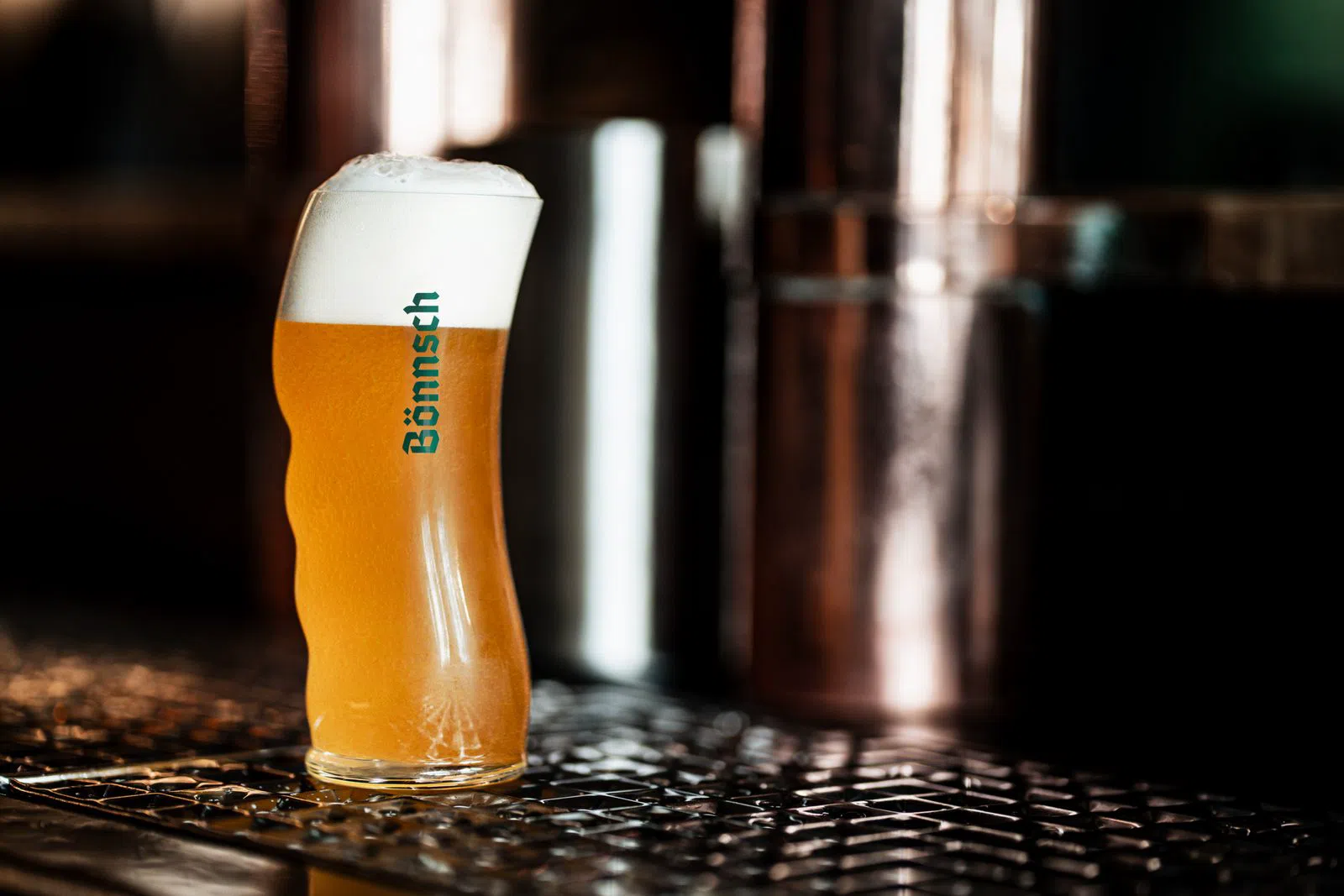
Brauhaus Bönnsch (Zentrum, Sterntorbrücke) brews its own unfiltered Bönnsch on the premises, which is the reason to end in the centre rather than at a chain. Beer is around €3.50, mains €14 to €24, and it stays open until 1am, 3am on Fridays and Saturdays. It handles groups well: larger parties by phone or email, with a separate function area in the cellar. Two people can walk in most evenings without much wait; twelve should call ahead.
Practical notes for the day
Everything above is walkable end to end, roughly 7 to 9 kilometres if you include the Rheinaue, closer to 5 without it. The Stadtbahn covers the southern half if you tire, with stops on the museum mile and at the Rheinaue, and the Hauptbahnhof sits within ten minutes of the market, the Alter Friedhof and Cassius Garten, so you can start or abandon the route at almost any point.
Pick the day carefully. Beethoven-Haus closes Tuesdays; Haus der Geschichte and Bundeskunsthalle close Mondays; Cassius Garten closes Sundays; the market runs Monday to Saturday; and the botanical gardens are free on weekdays. A Wednesday, Thursday or Friday gets you all of it at the lowest price.
Carry cash. Market stalls and small counters are quicker with coins, and €40 to €60 per person covers admissions, lunch, coffee and an evening beer comfortably, less if you lean on the free stops, which here include the minster, the cemetery, the Hofgarten, the promenade, the Alter Zoll, the Rheinaue and Haus der Geschichte. For where to sleep, the centre keeps you inside walking distance of the whole route: see the Bonn hotel search, and the wider Bonn guide for districts, transport passes and what else the city holds beyond this one day.
Before you go
Can you see central Bonn on foot in one day?
Yes. Market square to Beethoven-Haus, the Münster, the Hofgarten, Poppelsdorfer Allee, the botanical gardens, the museum mile and the Alter Zoll is roughly 5 kilometres of walking, all on flat ground. Adding Freizeitpark Rheinaue at the southern end takes it to about 7 to 9 kilometres.
Which day of the week is best for this walk?
Wednesday, Thursday or Friday. Beethoven-Haus closes Tuesdays, Haus der Geschichte and Bundeskunsthalle close Mondays, Cassius Garten closes Sundays, the Wochenmarkt runs Monday to Saturday, and the botanical gardens are free on weekdays but €5 (€3 reduced) at weekends and on holidays.
How much does the day cost?
Around €40 to €60 per person including Beethoven-Haus admission (roughly €9 to €14), a Bundeskunsthalle ticket (€14, or €7 in the last opening hour), lunch at €10 to €16 at Cassius Garten or €16 to €28 at Em Höttche, coffee at €3 to €5, and a Bönnsch at about €3.50. The minster, Alter Friedhof, Hofgarten, promenade, Alter Zoll, Rheinaue and Haus der Geschichte are all free.
Does this route work for a group?
Mostly. The market square, Hofgarten, promenade, Alter Zoll and Rheinaue absorb any number. Beethoven-Haus splits larger groups or gives them a 20-minute intro talk (group tour €80 plus admission, book via [email protected]), Bundeskunsthalle charges €11.20 each for ten or more on +49 228 9171-200, and Brauhaus Bönnsch has a cellar function area for larger parties. Black Coffee Pharmacy is a small walk-in room best kept to two to six.
How do I reach the Rheinaue without a car?
Walk south along the Rhine from the Alter Zoll, about an hour, or take the Stadtbahn from the centre, which stops at the museum mile and at the park itself. The whole route works on foot, or with a single short tram hop.