The Bonn issue
Slow Mornings and Easy Crossings on Bonn's Beuel Bank
A morning route along Bonn's eastern riverbank, with the cafés that open early enough to start it, the ferries back, and what actually opens when.

By Camille LefèvreBonn on foot, one neighbourhood at a time
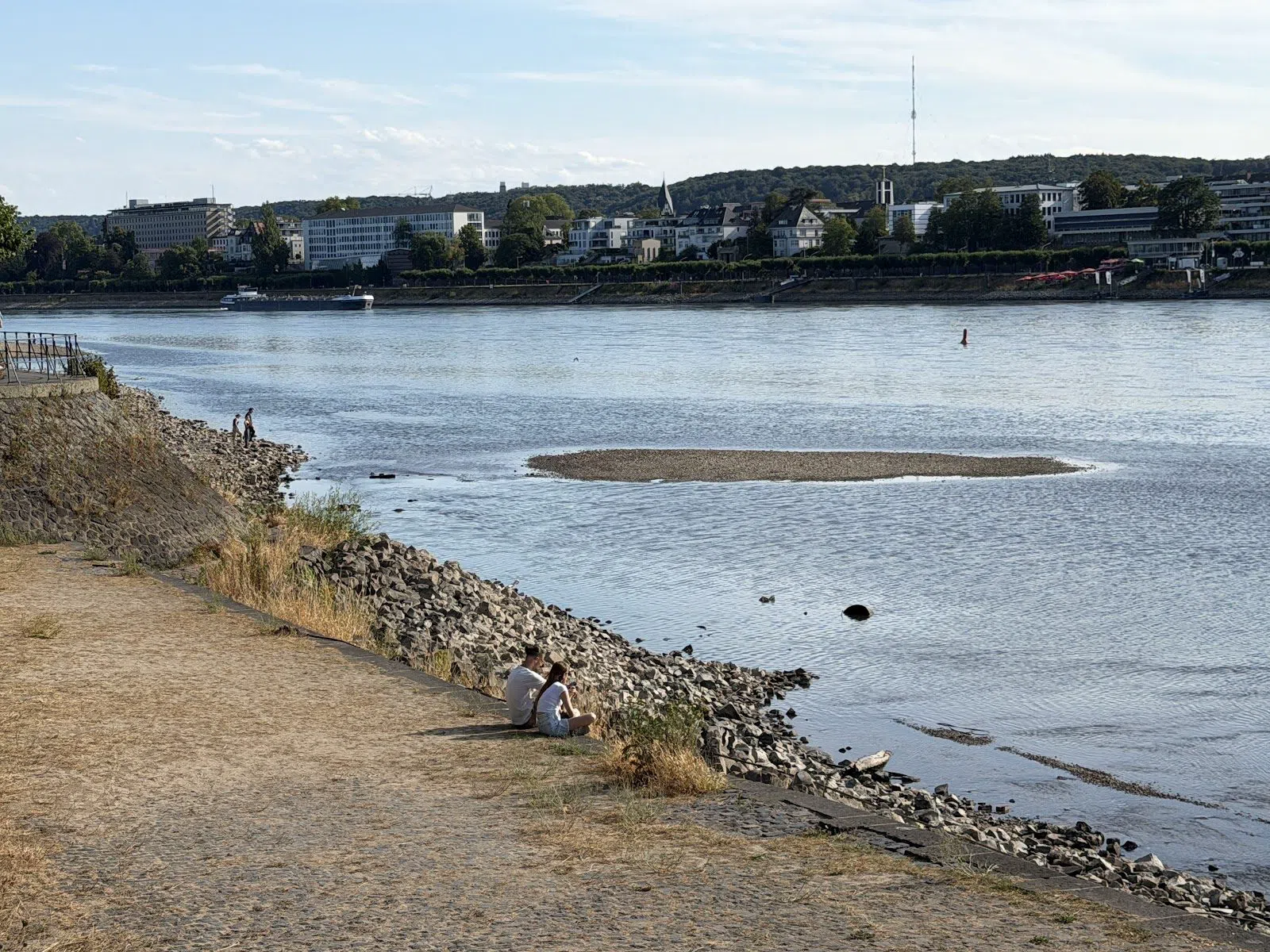
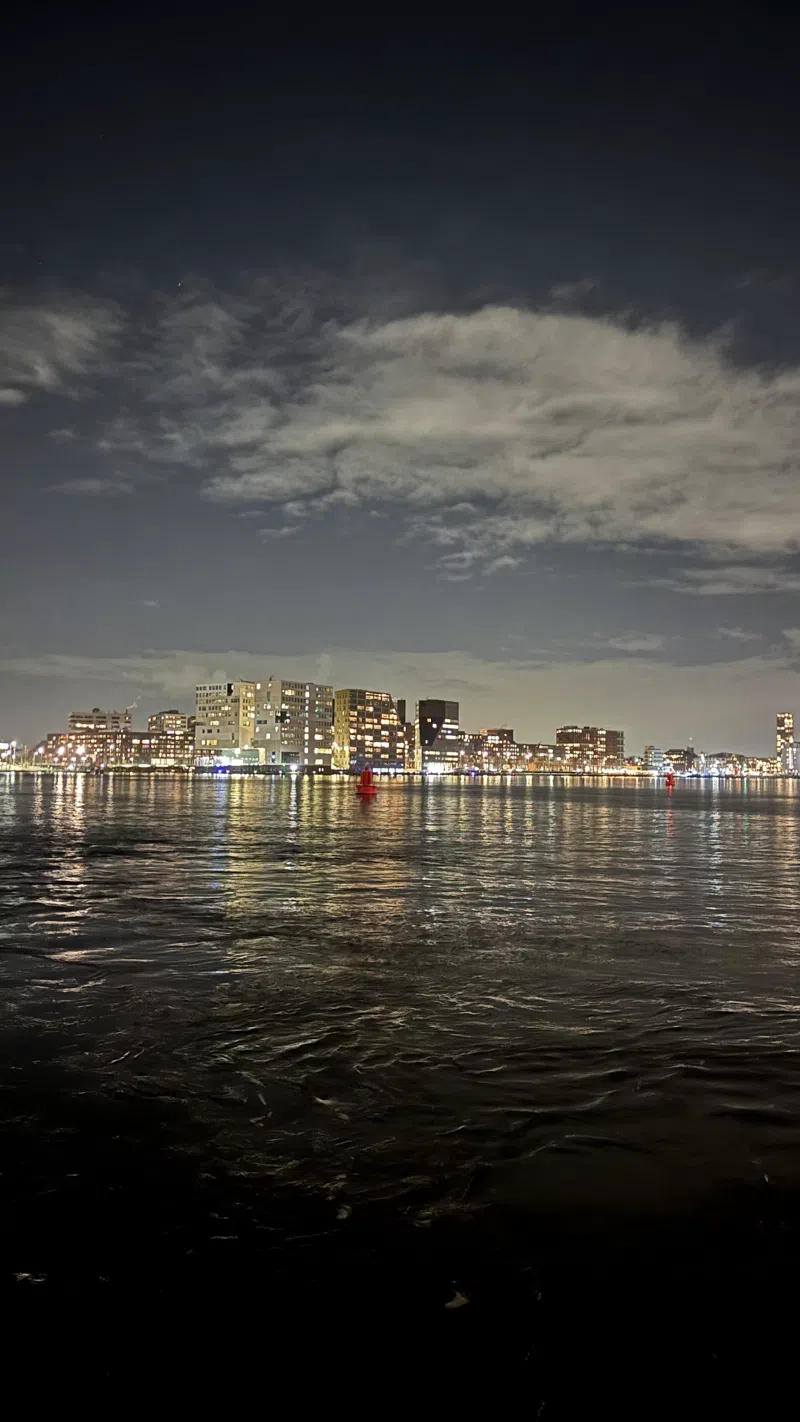
The Rhine leaves Bonn running roughly north, which means the eastern bank spends the morning looking straight across at the city with the light behind it. Beuel was the laundry and bleaching side of the river for centuries, then the factory side, and it still carries itself with less ceremony than the quarter opposite, which is why the path along the water there is close to empty at eight and holds the better view all day. Cross early, eat somewhere unhurried, walk north until a church tells you to turn around, and come back on a boat.
Crossing over before the day starts
Kennedybrücke (the direct link between the old town and Beuel) is a five-minute walk end to end, free on foot, with a north footway wide enough to walk three or four abreast without stepping aside for anyone. Trams 62 and 66 cross it too, on an ordinary VRS ticket, if the weather has turned or you are carrying more than you meant to. One change is worth knowing if you are on two wheels: since 1 to 2 July 2026 the bridge's two cycle paths are one-way only, the north side towards the centre and the south side towards Beuel, with fines of €25 to €35 for riding against them. The rule followed a jump in cycle traffic from around 9,000 to nearly 15,000 crossings a day, so it is enforced rather than decorative. On foot, none of it applies.
The bridge is the practical way over in the morning. The ferries, which are the better way, come into their own on the return leg, when there is no hurry and the low sun is doing something to the water. They are covered at the end of this piece, with fares and the two or three catches that matter.
Plan your Bonn trip
Live prices from our booking partners.
Free cancellation on many rooms. We may earn a commission when you book.
Coffee before the promenade
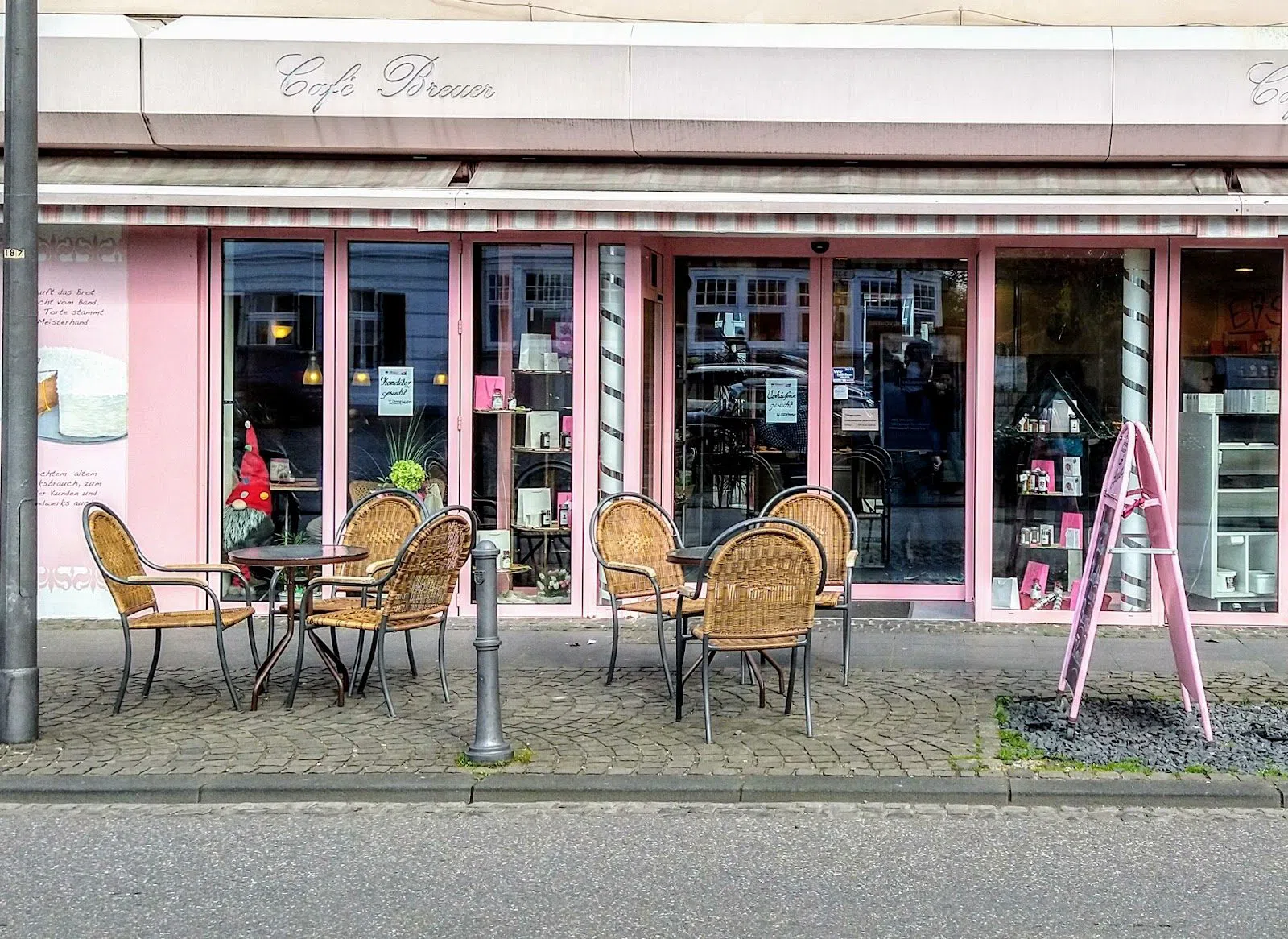
Breakfast on this side needs a little planning, because the good rooms are small and several of them keep short hours. Café Breuer (Oberkassel, a short detour uphill from the promenade) solves the earliest part of the problem: a Konditorei running since 1959 that opens at 06:00 on weekdays, which makes it the one address on this bank that can feed you properly before a walk instead of after one. It is a walk-in café and perfectly happy with a pair or a small group, but there is no group menu. If you want cake for eight, order it a day ahead instead of arriving and hoping. Prices are what a neighbourhood patisserie charges, not what a river view charges.

das Cultura (Beuel-Mitte, five minutes off the promenade) is the main-street coffee stop, pouring espresso from a Kona roastery alongside breakfast plates, cake and savoury dishes. It is open Monday to Saturday, so it is no help on a Sunday, and it is a compact room: six or more should book ahead rather than expect to be absorbed. The art on the walls changes often enough that it is worth a slow look while you wait.
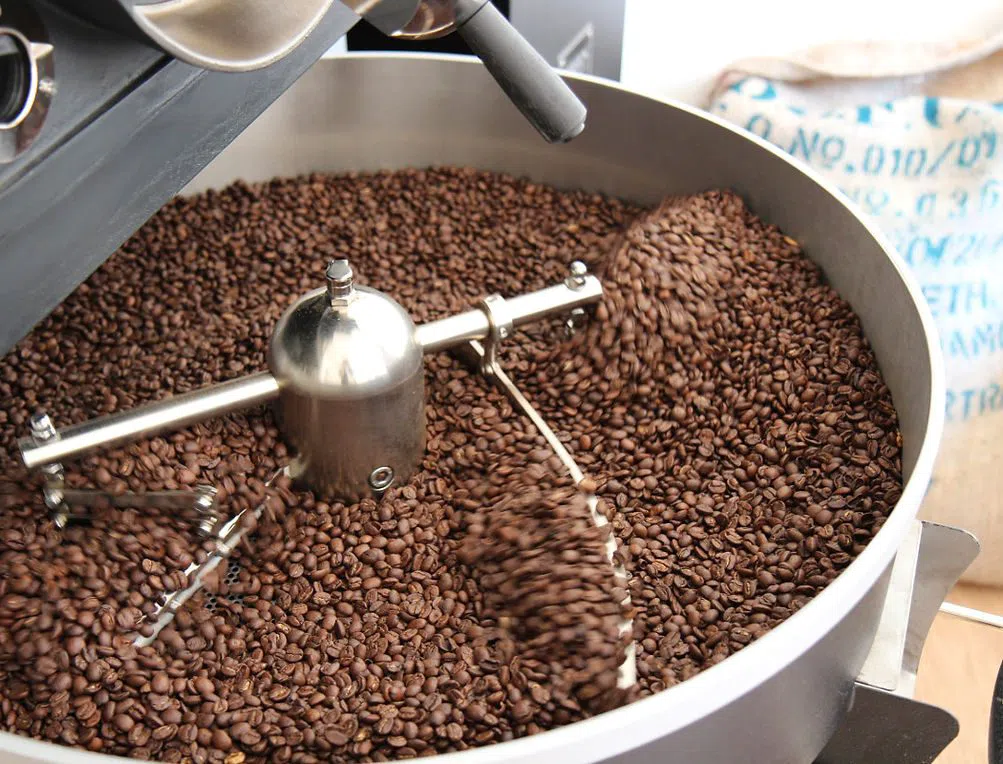
Der Kaffeeladen (Beuel) is the serious coffee address here, roasting on the premises since 2013 and selling beans as well as drinks. It is also tiny, so couples and pairs, not parties. Hours are short and vary by day, broadly Tuesday to Friday from late morning until 17:30 and Saturday mornings only, so check before crossing the river specifically for it. If you do want a group experience, the attached coffee school runs organised tastings, which is the honest way to bring six people into a room built for three.
Bahnhöfchen (Beuel, closest to the Kennedybrücke landing) is the terrace to fall into if you have arrived on foot and want to sit immediately. The building was the westernmost station of the old Bröltalbahn, Germany's oldest narrow-gauge line, and it reopened in 2021 under a new concept. It takes reservations through Quandoo and handles birthdays, company events and weddings, so it is the group-proof option of the four. On Sundays and public holidays there is a breakfast buffet at around €15 a head. It also stays open to midnight, and to 01:00 on Fridays and Saturdays, which is a useful thing to know about a place you first met at nine in the morning.
North along the Hans-Steger-Ufer
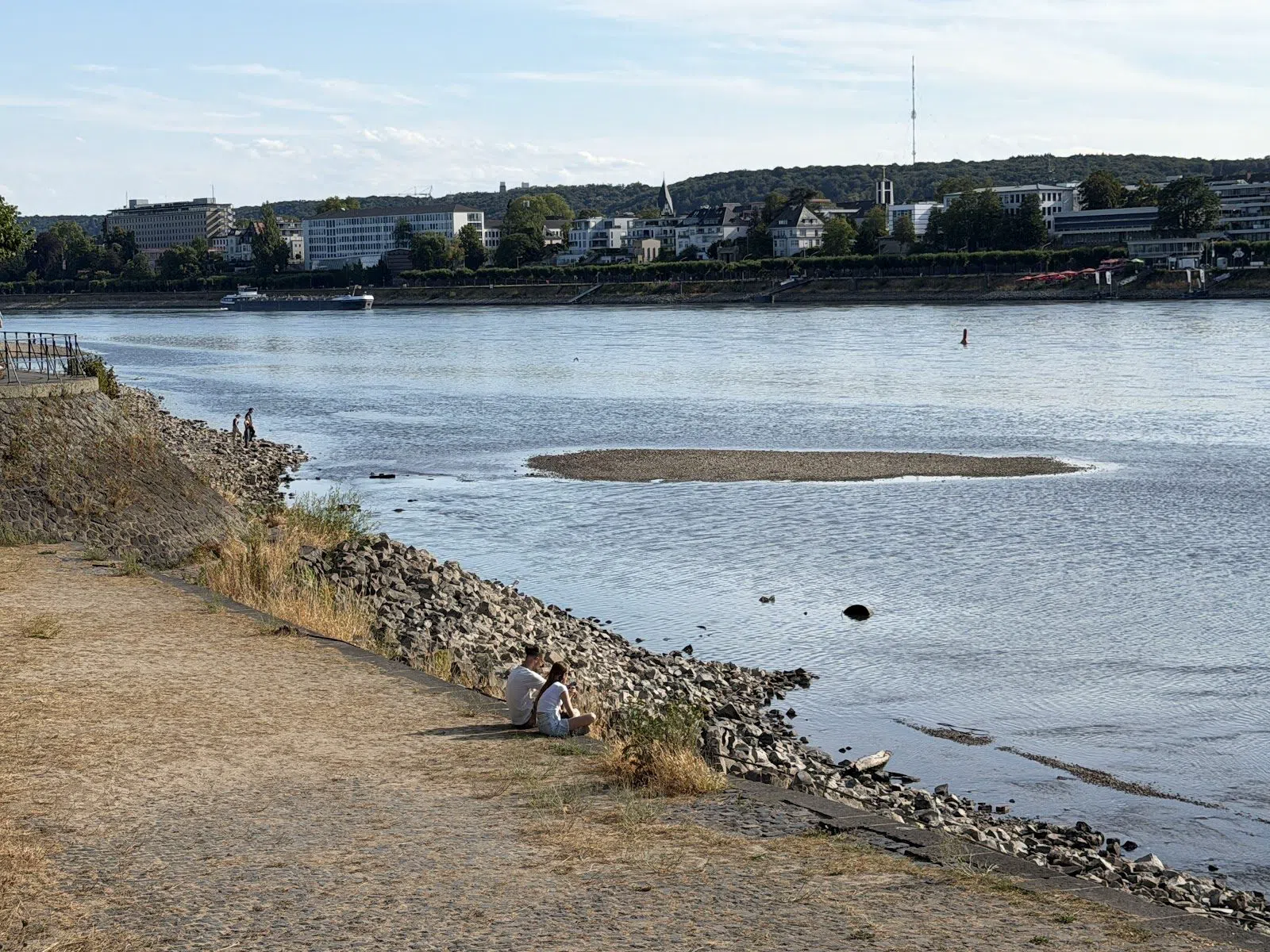
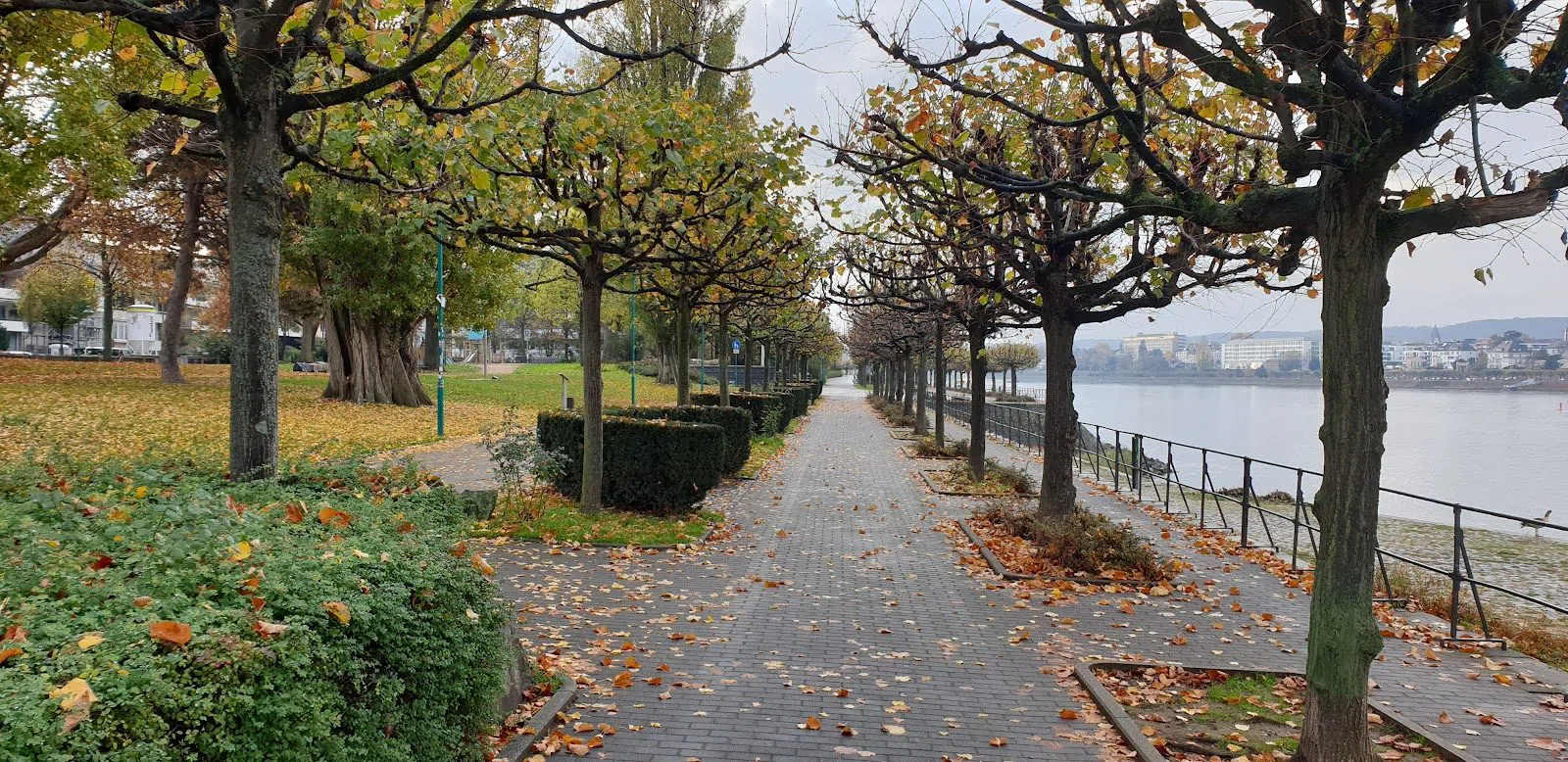
The Beueler Rheinpromenade (Hans-Steger-Ufer, running the length of the eastern bank) is the spine of any day here: roughly 15 kilometres of largely renewed path from Schwarzrheindorf in the north, through Beuel-Mitte, past the Rheinaue meadows and down to Oberkassel. It faces west, which is the point of it. The sun and the skyline are on this side of the river, and the bank opposite has neither. Nobody needs to walk all 15 kilometres. The stretch that repays a morning is Beuel-Mitte northwards, where the path is wide, flat and almost entirely free of traffic noise.
It is also the rare riverside walk that copes with numbers. The stepped squares at Mirecourtplatz and Nepomukplatz step down towards the water and absorb a large group without anyone having to stand in a queue of two; if you are walking with a dozen people, plan your pauses there instead of at a café table. The path costs nothing, has no gates and no closing time.
At the northern end, Doppelkirche St. Maria und St. Clemens (Schwarzrheindorf) is the natural turning point: a double church, one level stacked on the other, free to enter. In summer it opens daily 09:00 to 18:30, from 12:00 on Sundays; in winter it closes at 17:00. The detail that decides your planning is the upper church, which outside services is open only at weekends. If seeing both levels matters to you, make the walk on a Saturday or Sunday; on a Tuesday you will see the lower church and a locked stair. Guided tours are arranged through the local Bildungswerk and can be booked for groups, which is the sensible route if you want the building explained rather than guessed at.
Uphill to the Rabenlay platform
If the morning has gone well and you still have legs, the one climb worth making starts at the southern end. Skywalk Rabenlay (above Oberkassel, in the Ennert forest) is about twenty minutes uphill from the promenade and gives the clearest view over the river and across to the Siebengebirge that you will get without a cable car. It is free and unstaffed, and the platform is small, so a group should go up in batches and accept that everyone will not be standing on it at once.
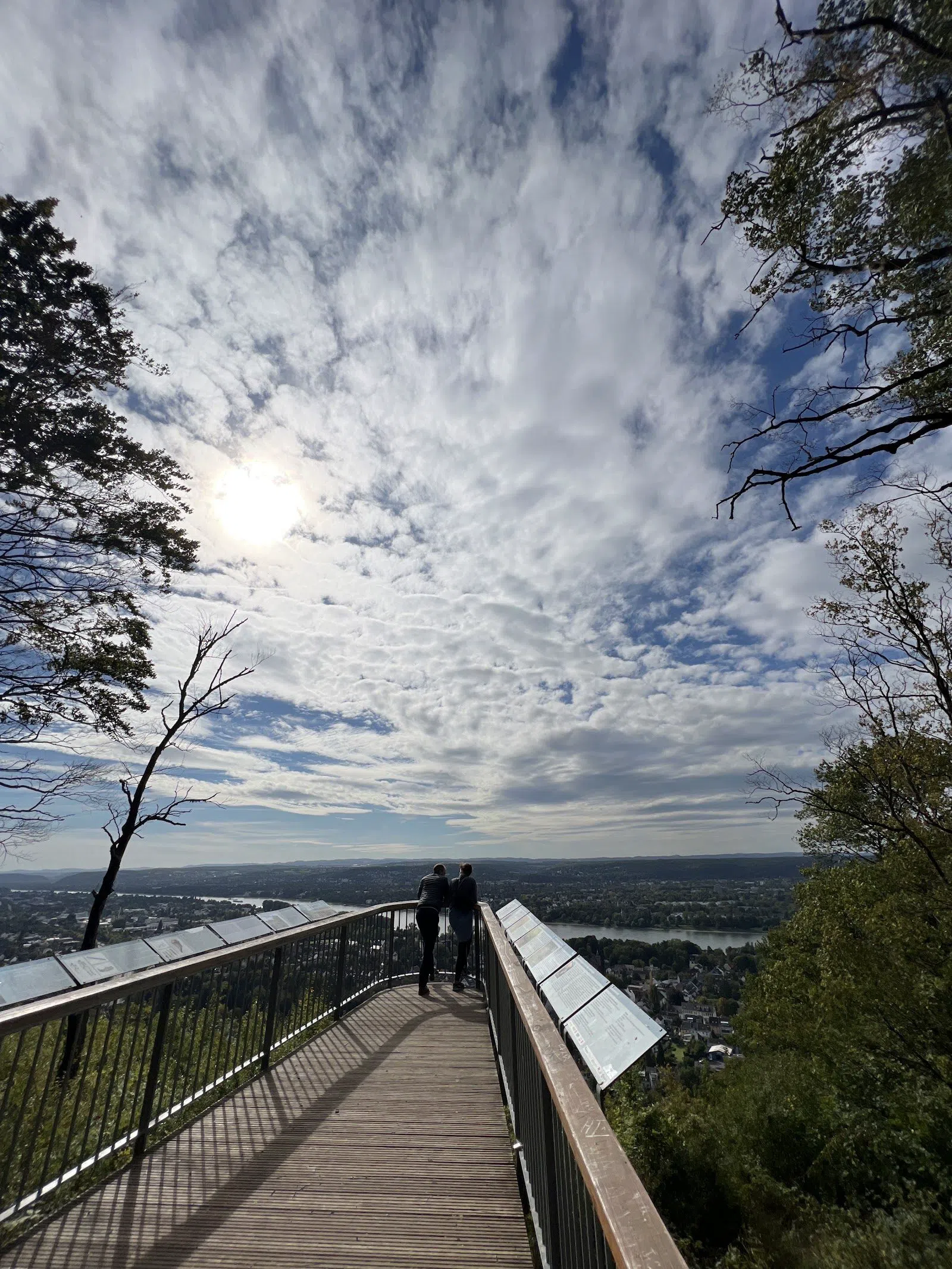
The low, unshowy design of the structure is deliberate. Eagle owls and falcons nest in the rock below it, and the platform is built to keep people off the ledges. Stay on it. Good shoes help; after rain the forest path is the kind of soft that ruins the wrong footwear.
Tables with the water in front of them
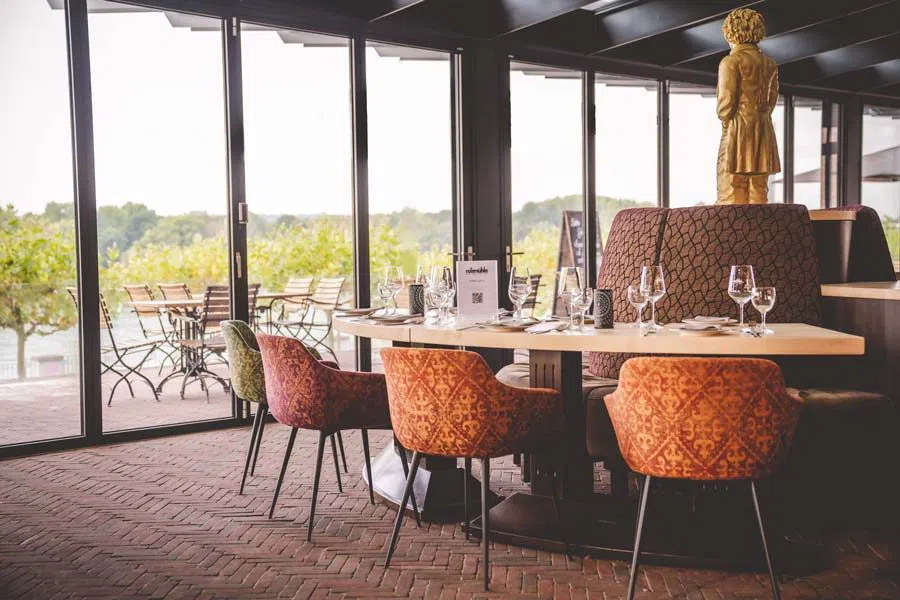
Rohmühle (Bonner Bogen, at the southern end of the walk) is the best all-rounder on this bank and the easiest to plan around: open 10:00 to 23:00 every day, in a saved piece of the district's industrial past, with coffee, a daily business lunch and à la carte in the evening. The view runs down the river and catches the sunset. It is an established events venue for birthdays, anniversaries, weddings and meetings, and it takes bookings on OpenTable or by phone. Expect mid to upper-mid prices depending on which meal you sit down to.
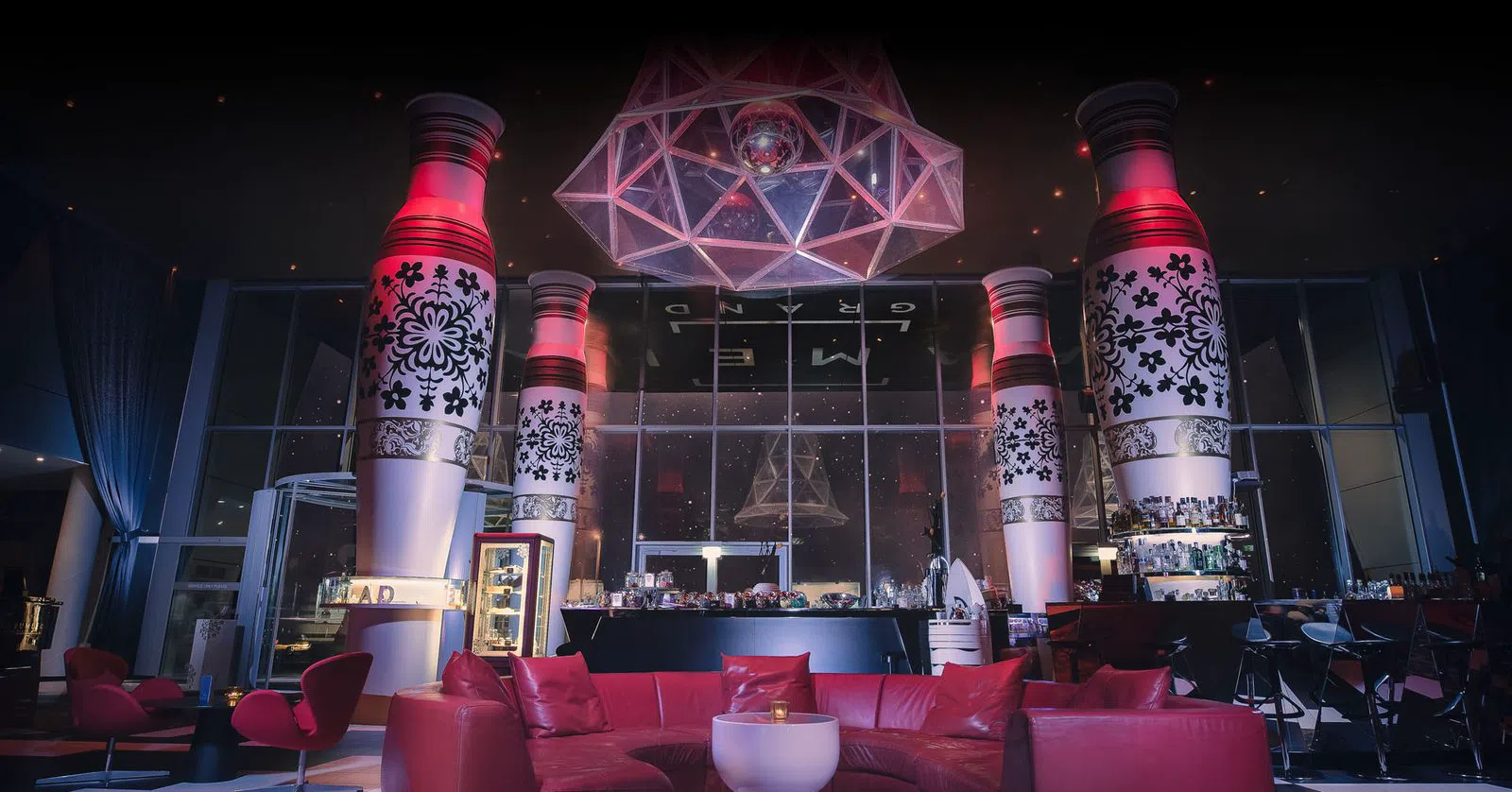
A few steps along, RheinAlm am Bonner Bogen (the Kameha Grand's riverside beer garden) is the liveliest thing on this stretch: Weisswurst, bread plates and litre steins, beer-garden seating that copes with a crowd, and the hotel's events desk ([email protected]) for anything larger that needs organising. Two caveats. It opens only in decent weather, so it is never a guaranteed plan, and the hotel's other restaurants, Ludwig's and Yunico, are the same operation rather than three separate discoveries.
Treibholz – Haus am Rhein, with its beer garden "Zum Blauen Affen" (Beuel, on the water), is still signposted under the old Haus am Rhein name in places, so book under Treibholz or you will confuse everyone, including yourself. The restaurant opens Tuesday to Thursday from 15:00, Friday and Saturday from 12:00, and Sunday and holidays 12:00 to 18:00; Mondays it is closed. The kitchen does custom buffets and set menus for anything from a small party to a large celebration, and will cater off-site, and the beer garden swallows big groups comfortably, again only when the weather cooperates.
For a Sunday, Canal Grande (Beuel, on the promenade) is the dependable answer. It is a long-running Italian with an all-day summer terrace from April to October and a real Rhine view rather than a glimpse of one, open Tuesday to Saturday 16:00 to 23:00 and from 11:00 on Sundays. That Sunday opening is the useful part, because most of this stretch is either shut or serving buffet breakfast at that hour. It takes bookings directly and through OpenTable or Quandoo, and the terrace handles larger tables better than the room does.
Coming back on the water
Walking out and floating back is the shape of the day worth planning for. Rheinfähre Mondorf (Bonn-Graurheindorf, at the northern end) is the crossing nearest the Doppelkirche: walk-on for foot passengers and cyclists, no reservation, and very cheap at around €1.80 for a bike crossing. It runs Monday to Friday 06:00 to 21:00 and weekends 07:00 to 21:00. Two warnings, both real. Since 7 August 2026 it carries vehicles only up to 7.5 t, and it suspends service when the Bonn gauge reaches 6.20 to 6.40 m. After heavy rain upstream, check before you build a route around it.
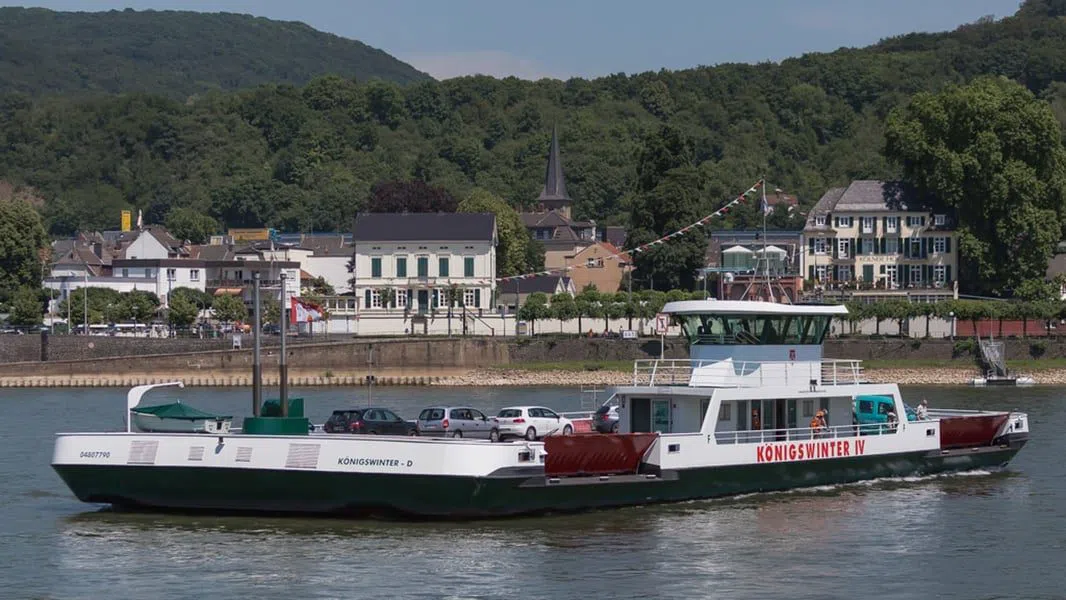
Rheinfähre Königswinter – Bonn-Mehlem is the most scenic crossing in the Bonn stretch: eight minutes, running roughly every eight minutes from about 05:15 to 21:50, and it lands you at the foot of the Drachenfels without a car. Foot passengers pay €2.20, €3.00 with a bike, and between 10 July and 11 December 2026 pedestrians and cyclists holding a valid transit ticket cross free. Coaches of 25 or more are charged as a group at €20; on foot you simply walk on.
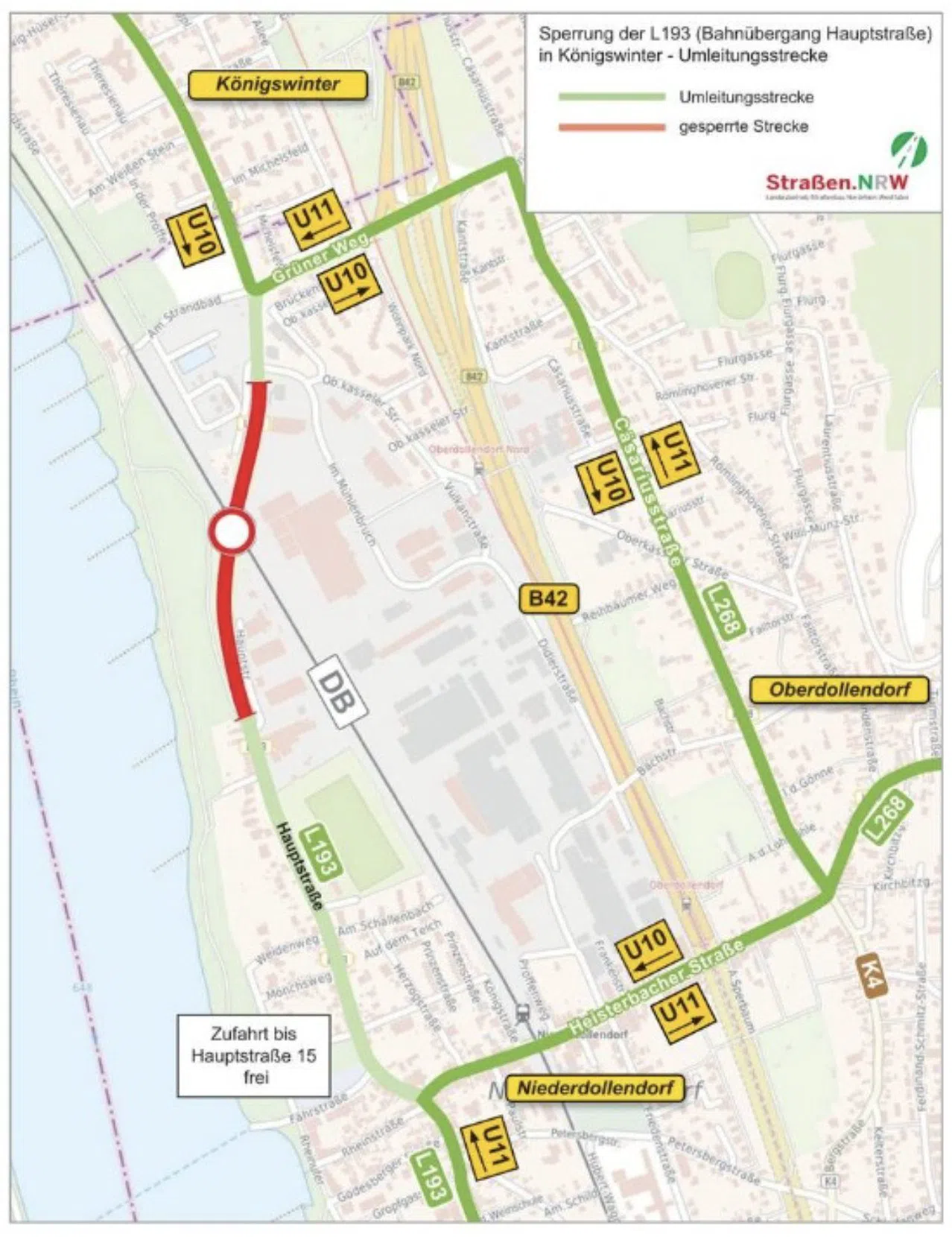
Rheinfähre Bad Godesberg – Niederdollendorf, operated by Lux-Werft, is the one to use at the southern end: pair it with the promenade at Oberkassel instead of doubling back over a bridge. There is no booking, and groups just roll on. Fares are sold in segment cards rather than singles, so a €26 card carries 40 segments, with two segments per adult on foot and three with a bike. Wheelchair users holding a severe-disability pass, and a companion marked on it, travel free.
Finally, Bonner Personen Schiffahrt (BPS) runs the Rhine line boats from 3 April to 17 October 2026 and, usefully for this bank, calls at Bonner Bogen and Bonn-Oberkassel. That is what turns the day into a loop: walk the promenade one way, eat, and come back on the water. Fares are single or day-return style and sit in the moderate range. Groups of ten or more can pre-order a call at certain stations, and the whole boat can be chartered.
Practical notes
Getting around is simple, because everything above is walkable or one tram stop apart. Trams 62 and 66 cross the Kennedybrücke on a standard VRS ticket, and the promenade itself is flat the whole way; the only climb on this route is the Skywalk. Ferries are separate from your transit fare unless the 2026 free-crossing window applies at Bonn-Mehlem.
Carry some cash. Fares on the smaller ferries are pocket-change sums and the independent cafés on this side are not all card-first. Budget roughly €5 to €10 for coffee and something to eat in the morning, €20 to €35 a head for lunch at the mid-range riverside tables, more if you sit down to dinner at the southern end, and under €5 for any single ferry crossing.
On timing, go early for the promenade and the light, make it a Saturday or Sunday if you want the upper church, and treat both beer gardens as weather-dependent rather than booked. Sunday is the day when opening hours thin out: Canal Grande from 11:00, Rohmühle from 10:00 and the Bahnhöfchen buffet are the reliable three. Anything involving six or more people should be reserved a day ahead, because the small coffee rooms cannot improvise for a group and will say so politely.
Staying on the eastern bank puts you a five-minute walk from the old town with a quieter street outside the window. See the Bonn hotel search for what is available on both sides of the river, and the wider Bonn guide for the rest of the city once you have crossed back.
Before you go
Is Beuel worth crossing the river for if I only have one day in Bonn?
For a morning, yes. The Beueler Rheinpromenade faces west, so it gets the sun and looks across at the city skyline, and the Kennedybrücke is about five minutes on foot. A realistic half-day is coffee at Café Breuer or das Cultura, the promenade north to the Doppelkirche in Schwarzrheindorf, and lunch at Rohmühle or Canal Grande before crossing back.
Where can I get breakfast in Beuel before an early walk?
Café Breuer in Oberkassel opens at 06:00 on weekdays and is the only place on this bank that reliably feeds you before a morning walk. On Sundays and public holidays, Bahnhöfchen near the Kennedybrücke serves a breakfast buffet at around €15 per person. Der Kaffeeladen keeps short hours and das Cultura is closed on Sundays, so neither is a safe early bet.
Can I cycle across the Kennedybrücke in either direction?
Not since 1 to 2 July 2026. The two cycle paths are now one-way, the north side towards the city centre and the south side towards Beuel, with fines of €25 to €35 for riding against the flow. The change came after daily cycle crossings rose from roughly 9,000 to nearly 15,000. On foot, both footways stay open in both directions.
How much do the Rhine ferries cost and do I need to book?
None of them take reservations for foot passengers, so you just walk on. The Königswinter to Bonn-Mehlem ferry costs €2.20 on foot and €3.00 with a bike, and from 10 July to 11 December 2026 pedestrians and cyclists with a valid transit ticket cross free. The Bad Godesberg to Niederdollendorf crossing sells segment cards, for example €26 for 40 segments, at two segments per adult on foot. The Mondorf ferry is around €1.80 with a bike.
Which Beuel places actually work for a group of eight or more?
Bahnhöfchen, Treibholz (Haus am Rhein) with its beer garden, Rohmühle and the RheinAlm at the Bonner Bogen all take group bookings and have room for them; Canal Grande's summer terrace suits larger tables better than its dining room. The small coffee rooms do not: das Cultura needs advance notice for six or more, and Der Kaffeeladen seats two or three, though its coffee school runs organised tastings for groups.